










We have much more to do and your continued support is needed now more than ever.
When the Smoke Clears: The Health and Environmental Toll of Refinery Explosions
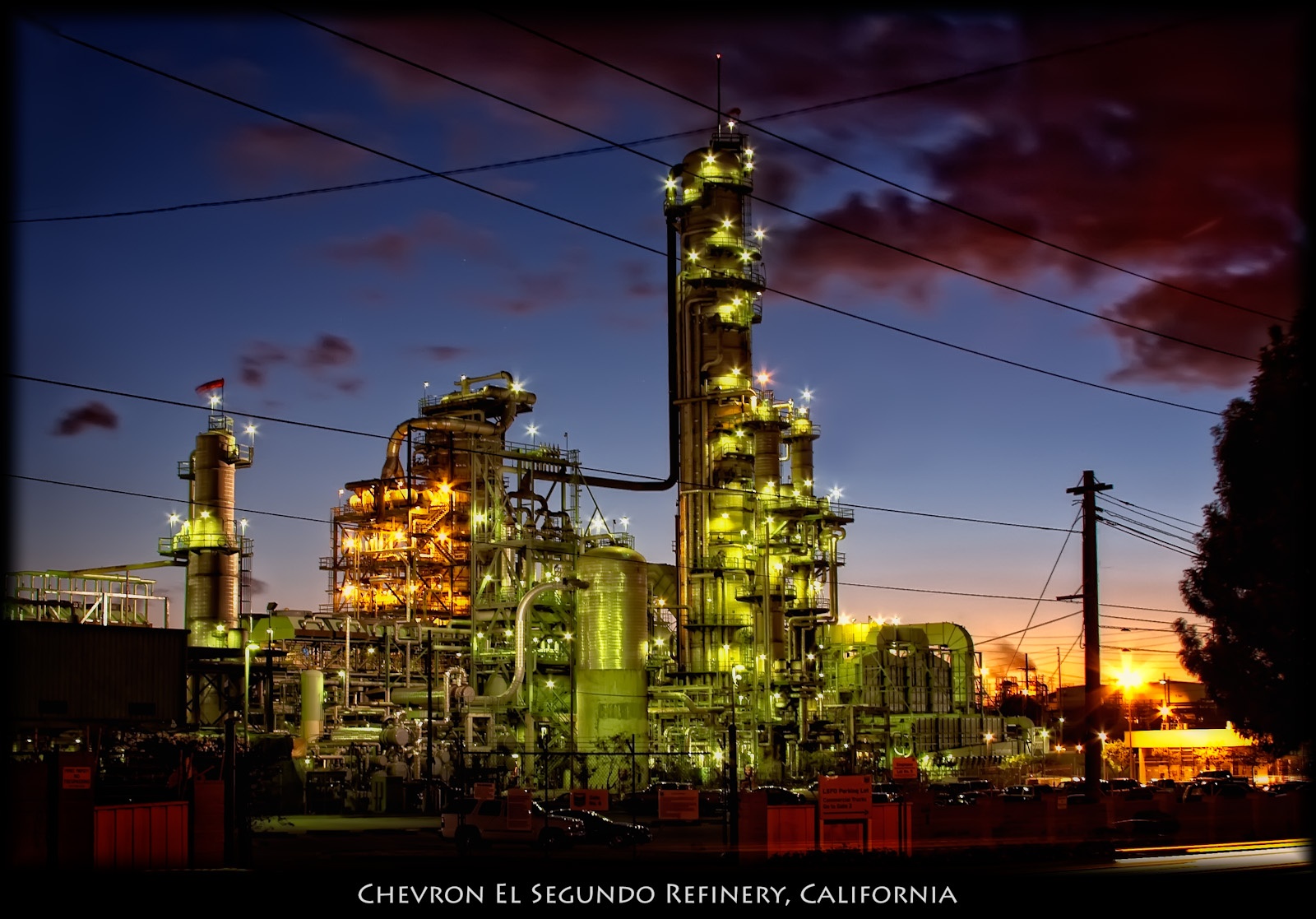
The Chevron refinery explosion in El Segundo California on October 2nd, 2025 could have been a deadly disaster, and it raised serious concerns about public safety and environmental justice. Though the explosion didn’t lead to any fatalities, the sheer scale of the incident underscores the daily risks faced by communities of color and low-income families, who are often pushed to live near polluting industrial facilities or see such industries move into their neighborhoods over time, deepening cycles of environmental harm and neglect. When the air is constantly polluted, explosions only worsen conditions by releasing even more harmful chemicals into the community.
Chemicals Found in Oil Facilities
Although the exact cause of the explosion is not yet known, it is well-established that oil refinery fires can release high concentrations of harmful pollutants. These pollutants include volatile organic compounds (VOCs), fine and coarse particulate matter (PM2.5 and PM10), and ultrafine particles smaller than 2.5 micrometers that can penetrate deep into the lungs. In addition to these, nitrogen oxides (NOx), carbon monoxide (CO), and sulfur dioxide (SO₂), are also released, increasing the health risks for nearby populations.
Communities living near oil refineries are often historically marginalized, low-income populations, communities of color, older adults, and young children, and are therefore disproportionately exposed to these toxic substances. As a result, chronic exposure to refinery emissions can contribute to long-term health problems. When a fire occurs, it exacerbates these risks by causing sudden spikes in pollutant levels, compounding existing health burdens and highlighting the persistent environmental injustices faced by these communities.
Health Impacts from Living Near Refineries
Toxic releases from oil refinery fires and similar industrial incidents have been linked to a wide range of serious health problems, both in the U.S. and globally. These pollutants can worsen asthma and other respiratory illnesses, contribute to cardiovascular disease, and expose nearby residents to dangerous levels of carcinogens, chemicals known to cause cancer.
Short-term exposure can lead to immediate symptoms such as eye irritation, coughing, and difficulty breathing, while long-term exposure is associated with more severe and chronic health outcomes. In some cases, the scale of toxic releases has also strained local healthcare systems, making it harder for residents to access timely and adequate medical care.
Even without catastrophic fires, communities living near oil refineries often face disproportionate health impacts. In Commerce City, Colorado, for example, residents have reported increased rates of diabetes, reproductive issues, and cardiovascular complications, conditions they believe are connected to pollution from a nearby refinery with a long history of toxic releases.
Despite these concerns and research linking harmful health impacts and toxic air quality, both medical professionals and state officials have dismissed the possibility of a connection between the refinery’s emissions and local health outcomes.
Unfortunately, this pattern is not unique. Across the country, communities located near industrial polluters experience similar injustices. Fires at refineries only add to these harms by releasing especially high concentrations of toxic pollutants in a short period of time, leading to acute health risks on top of the ongoing exposure these communities already endure.
Beyond Refineries
For years, refineries in California have been closing, and this has led to discussions related to both the economic and environmental impacts. While closing refineries does have a temporary effect on gas prices, gas prices are largely determined by market dynamics, such as global crude oil costs, refinery business decisions, and supply chain adjustments.
Most importantly, the health of both the surrounding communities and workers is constantly at risk, leaving one to ask whether the cost to health is justified. When we consider the bigger picture, the financial aspects of refineries leaving California become less significant compared to the positive impact on community health. California’s commitment to invest in renewable energy can significantly prevent consistent health issues proven to be a direct result of chemicals found at oil refineries. It can also boost job creation and strengthen the local economy.
Developing a strong renewable energy sector reduces dependence on imported fuels, keeping more money circulating within the local economy. Over time, this transition can promote sustainable economic growth while supporting environmental goals and energy security.
That said, we must continue advocating for robust protections for workers affected by these closures. California already has programs to support displaced oil and gas industry workers, but more public awareness of these resources and greater investment in these programs are needed to ensure workers are not overlooked. These workers have endured long-term health impacts, including the physical toll of hard labor, and deserve proper compensation and protections.
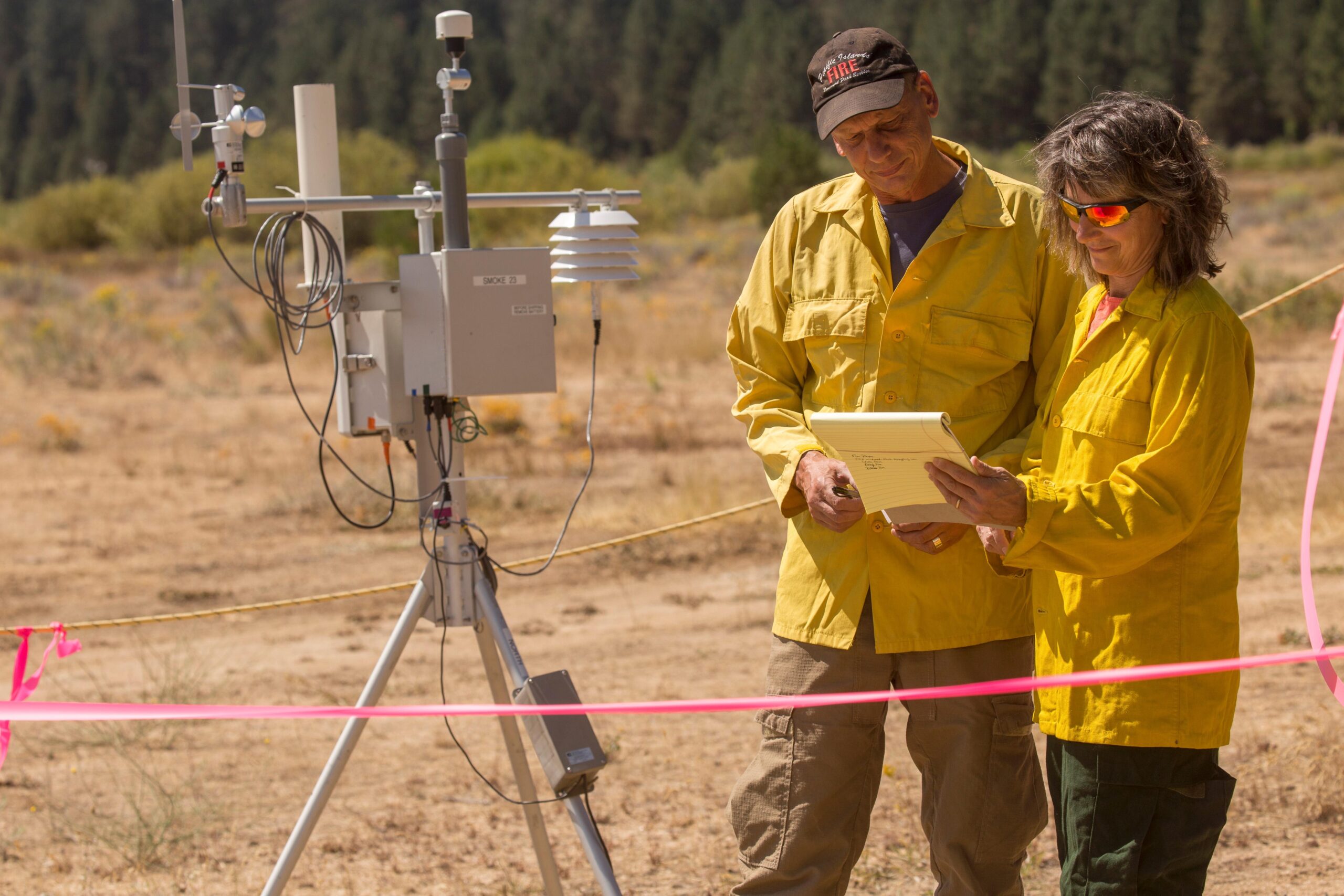
It is essential to ensure that the transition from oil and gas to cleaner energy does not leave them financially vulnerable. It is unacceptable for people to endure chronic or lifelong health problems simply because they live or work near facilities that have been shown to harm both human health and the environment.
Communities affected by refinery pollution need to be heard, yet too often economic interests take precedence over their health and well-being. State policies like the California Environmental Quality Act (CEQA) that protect communities from harmful refinery chemicals play a crucial role in reducing health impacts.
The Chevron refinery explosion in El Segundo, CA is a stark reminder that many communities continue to suffer from heavy pollution, unsafe working conditions, and serious health risks caused by refineries located near our waters, our air, and our homes.
How You Can Be Part of the Change
Whether you are experiencing industrial air pollution in your neighborhood or you would like to support those who are, there are several ways to get involved and take action.
- If you live near facilities like the Chevron refinery, you can request support from local agencies to monitor air and water quality in your community. You can also try reaching out to university researchers who may be able to provide support.
- Speak to your local/state agencies and representatives and push for stronger environmental and public health protections.
- Connect with organizations that share your vision for a healthier, more just future. Many community and advocacy groups are already doing this work, and they need more voices and support.
Thank you to Corina Newsome from the National Wildlife Federation’s Science team for research support!
Join Us in Advancing Environmental Justice. Sign up for the Environmental Justice, Health, and Community Resilience and Revitalization Program’s quarterly newsletter and follow us on Instagram.
