














We have much more to do and your continued support is needed now more than ever.
Pot O’ Gold: 11 Species You Might Find at the End of a Rainbow
This St. Patrick’s Day, let these golden species be your pot o’ gold. It’s much easier than tracking down rainbow and trying to find its end, and animals are better than riches. Well, almost.
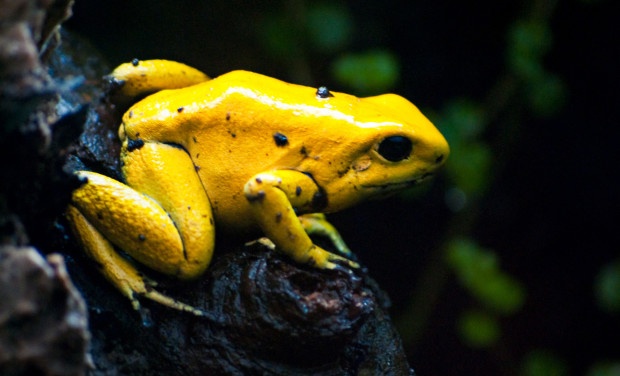
Golden Poison Dart Frog
The golden poison dart frog is only one of three dart frogs with poison lethal to humans. It is reported that an amount of poison equal to 2-3 grains of table salt is enough to cause the death of a human.
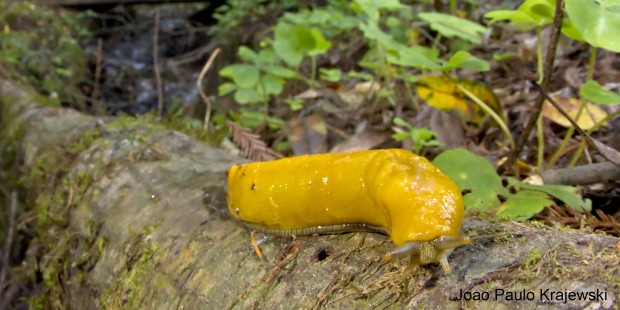
Banana Slug
Banana slugs have primitive eyesight, which means they can only see light, dark and movement. The eyes fold in when they sense a shadow. Also, please don’t lick them; I’m sure they don’t like it.
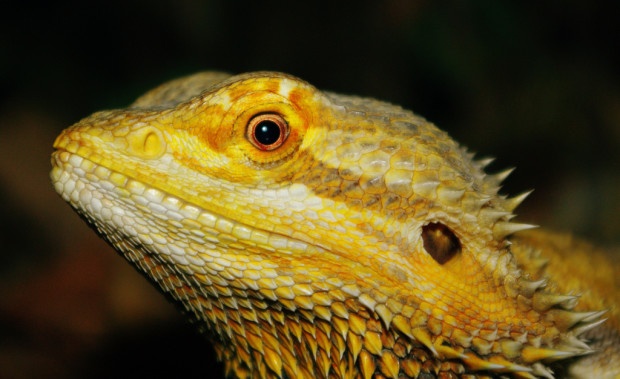
Bearded Dragon
Bearded dragons have a beard of spikes and thorns that they’ll puff out at predators as a defense mechanism. Also, when in danger, these lizards will run on the hind legs.
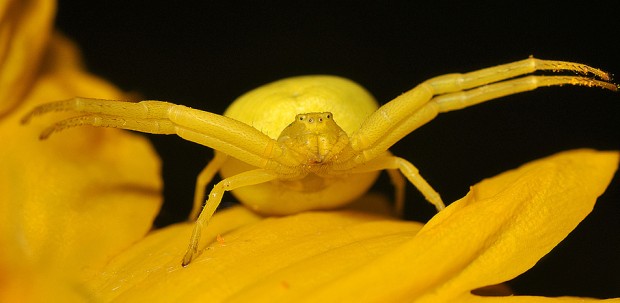
Goldenrod Spider
These spiders jump on their prey, ambush style, which means they don’t have a reason to spin webs.
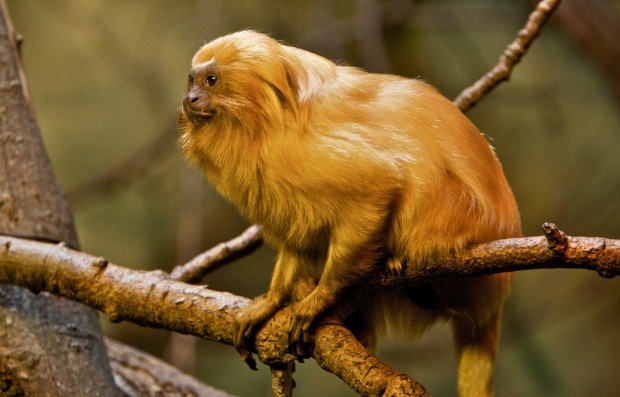
Golden Lion Tamarin
Female tamarins usually give birth to twins and sometimes triplets. That’s a lot of weight to carry around alone, which is why the father and siblings share the load.
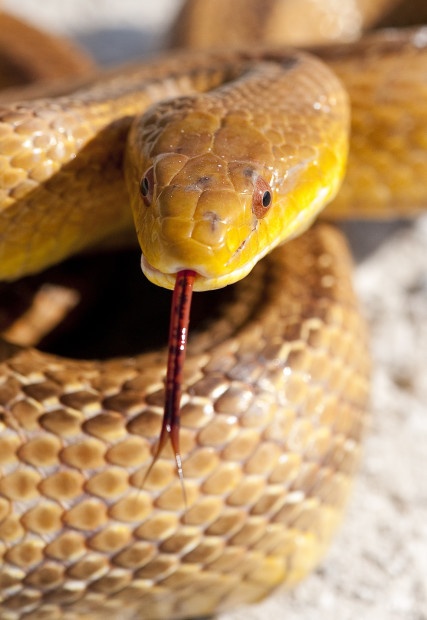
Yellow Rat Snake
These snakes are arboreal, which means they climb trees. Like the black rat snake, they are non-venomous constrictors that suffocate their prey.
Goldfinch
A goldfinch’s diet is vegetable based, and they are the strictest vegetarians in the bird world (aside from an occasional insect cheat meal).

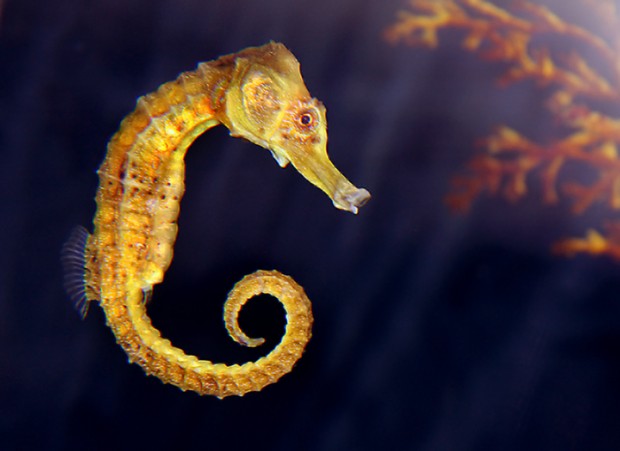
Seahorse
Seahorses are unique creatures not only have a kangaroo-like pouch, but the dads are the ones to have the babies.
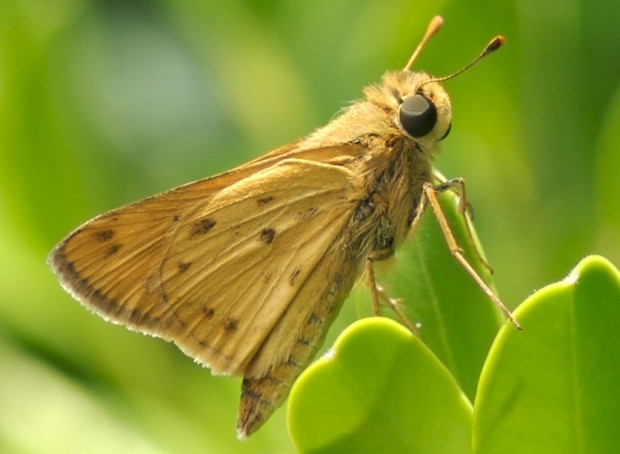
Fiery Skipper
Fiery skipper have the ability to hold their wings in a triangular position, which is thought to help better absorb the sun’s rays.
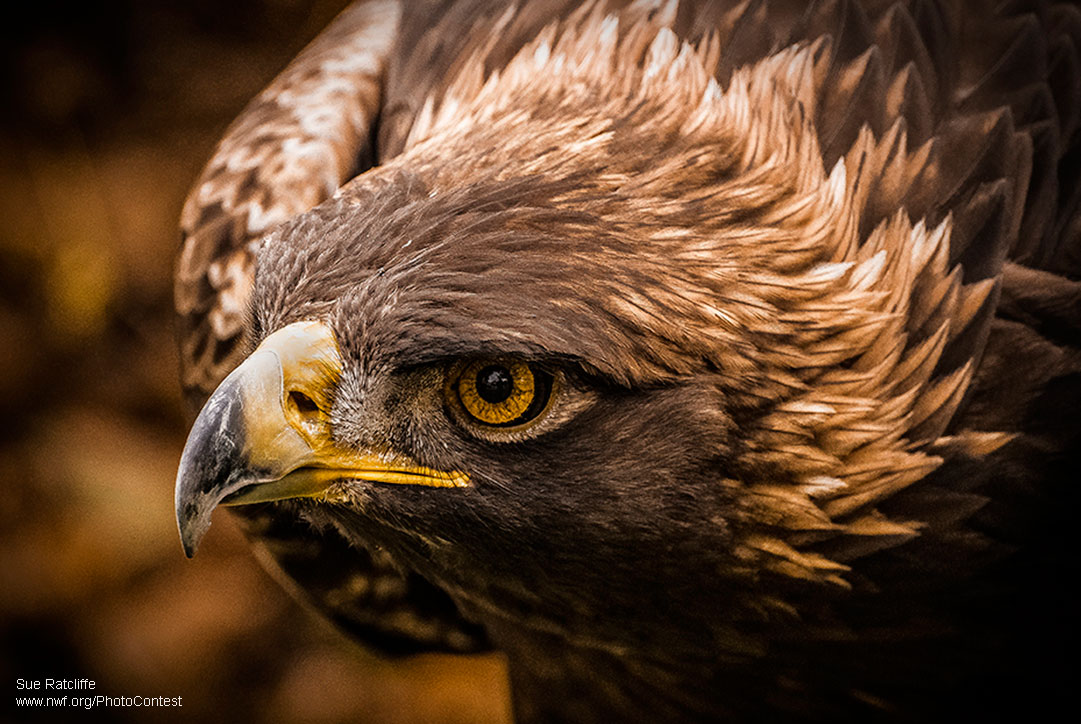
Golden Eagle
The name implies that they should look more gold, but I decided to include them anyway. Mostly I wanted to tell you that despite being the largest bird of prey in North America, golden eagles can dive upon their victim at speeds over 150 miles per hour!
Red Foxes
What else is there to say, just enjoy this golden pile of fluff.

