








We have much more to do and your continued support is needed now more than ever.
STEM Leaders Agree on Relevancy of Environmental Education for Kids of Color

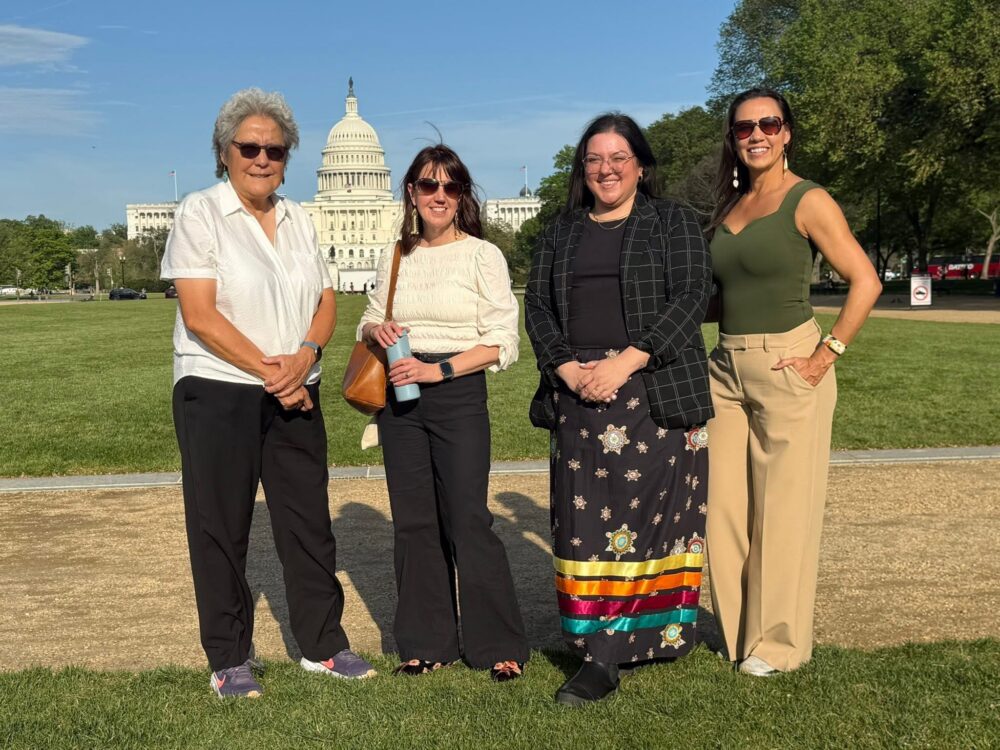
On May 3, 2012, the National Association of Black School Educators (NABSE) hosted the National Education Policy Institute’s event “Saving the Soul of Public Education” at the U.S. Capitol Visitor’s Center, to discuss the promise and implications of STEM education. Panelists included astronaut Leland Melvin, who is the Associate Administrator of education at NASA, Yohance Maquelba, the Executive Director of Howard University Middle School for Science and Math, Ted Brodheim, COO of the educational website ePals, and Horace Williams, Superintendent of Cedar Hill Independent School District in Cedar Hill, Texas.
From putting high-speed internet in the hands of every student to connecting classrooms with role models from NASA, Microsoft and other STEM giants, each panelist provided specific, compelling ideas to get children of color from all over the country to seriously consider a future in STEM. According to the panelists, “the new three R’s” of education are Science, Technology and Engineering (replacing the old-school “Reading, Riting and ’Rithmetic”). But there was, in fact, a fourth new R linking all of the panelists’ talking points. Relevancy.
When the panelists took questions from the audience, I asked about the role of environmental education in demonstrating the relevancy of STEM. All agreed that environmental lessons are uniquely adaptable in a variety of settings, and most gave examples of environmental issues for which STEM professionals are uniquely equipped to address, such as climate change, water scarcity and pollution. Melvin described a NASA initiative where STEM ambassadors are engaging students in climate science using the brand-new Earth Now app, a tool used to monitor climate data in real time via satellite. Closely related to this effort is the NASA-NWF Eco-Schools USA partnership for a high school curriculum utilizing such experiential learning tools as the Earth Now app to study climate change.
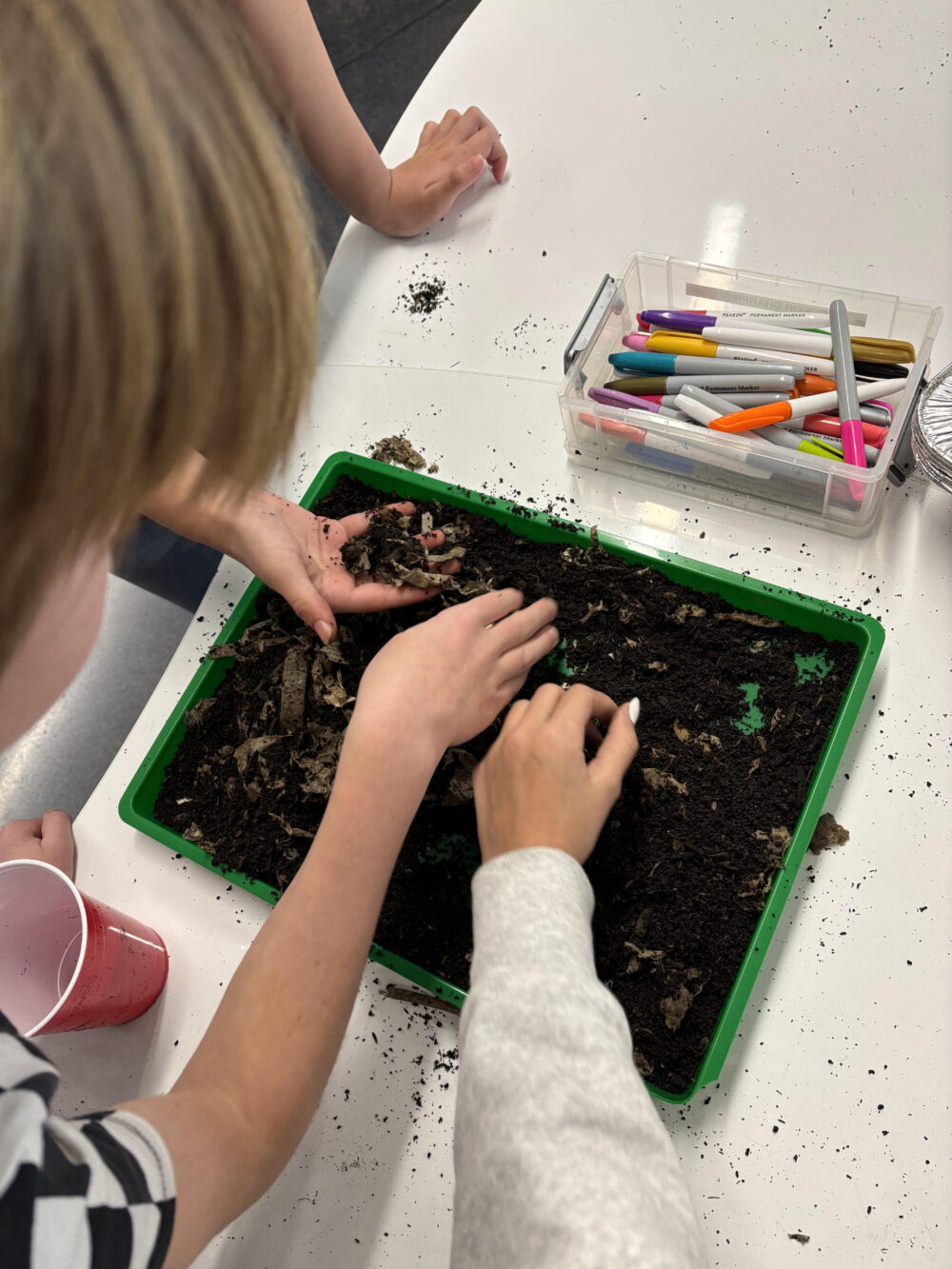
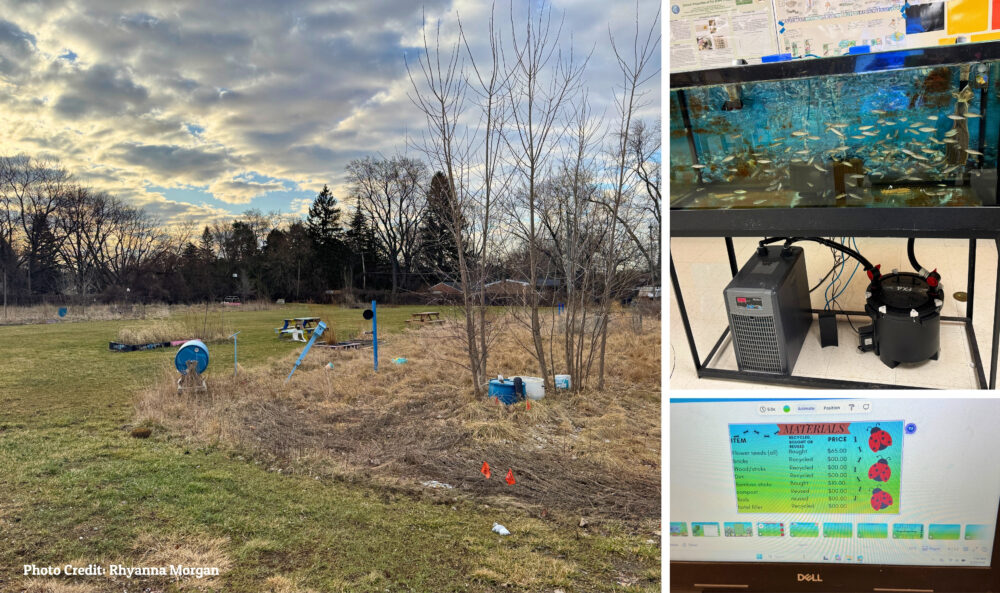
Superintendent Williams described green initiatives in his district that engage students and teachers with the broader Cedar Hill, Texas community. For example, Cedar Hill students tend community gardens on school grounds alongside students from a local community college and a local 4-year university. A nutritionist from the First Lady’s Let’s Move Nutrition program is currently teaching Cedar Hill students the health benefits of preparing and eating food grown in the gardens. Even a nearby tilapia farm contributes as a source of natural fertilizer.
NABSE’s leadership is also tuned in to how environmental education can pique a student’s interest in a future in a technical field. Prior to the event, I spoke with NABSE President-elect Bernard Hamilton, who spoke enthusiastically about weather monitoring and gardening projects in the schools in his hometown, Louisville, KY. Hamilton, like most in attendance, emphasized that getting more African American and Hispanic students and students from marginalized communities to take up STEM is an urgent and critical need for our country’s economic and environmental future.
Want to learn more about bringing STEM and environmental learning to the classroom? Click here to see how NWF’s Eco-Schools USA Climate Change Connections program is partnering with NASA to teach climate science in diverse classrooms.
