











We have much more to do and your continued support is needed now more than ever.
The Sea Turtle Rescue Assistance and Rehabilitation Act
Giving our endangered sea turtles the chance to recover and thrive.
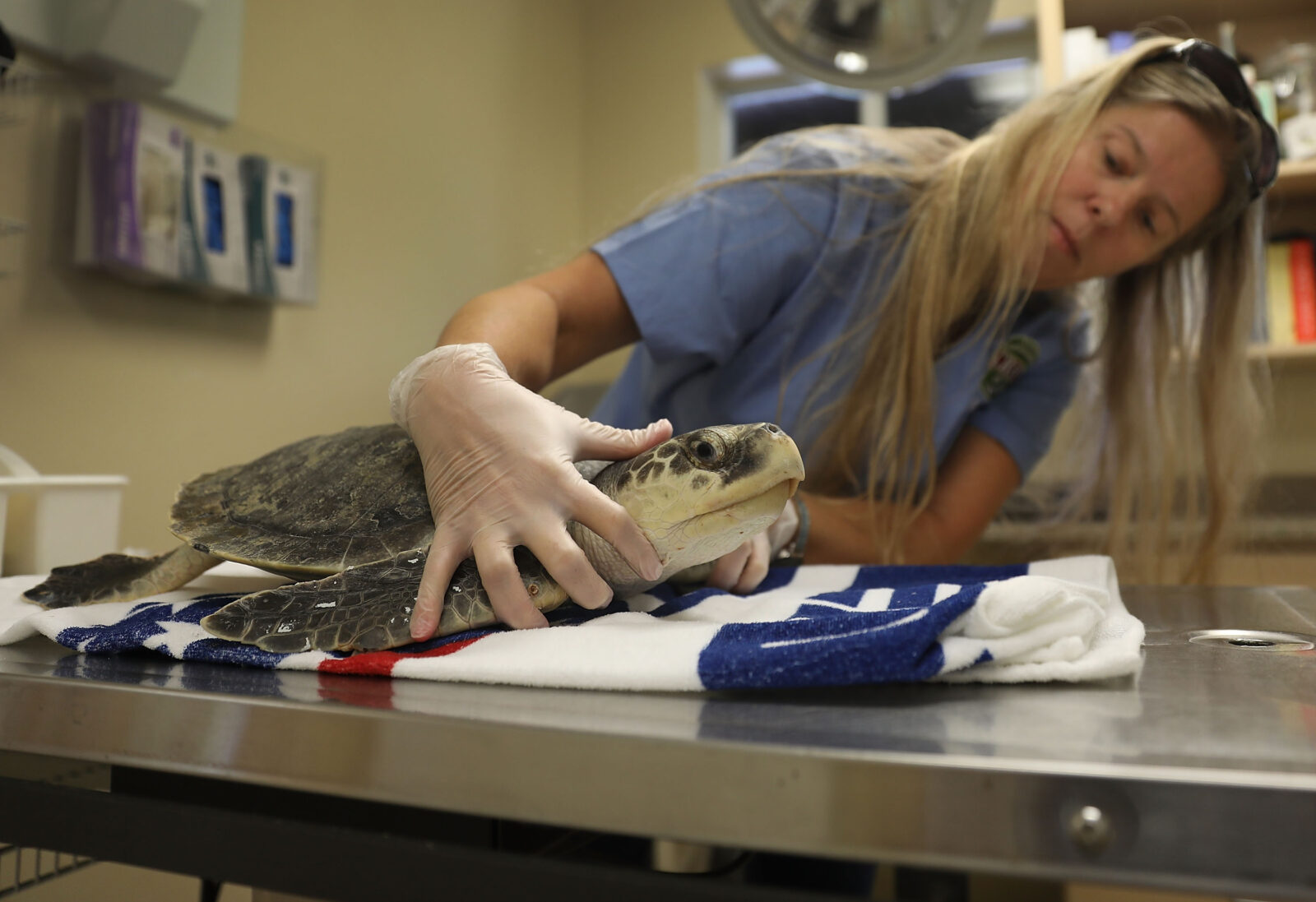
Kemp's ridley turtle is seen by a veterinarian. Credit: Joe Raedle/Getty Images
Sea turtles are among the oldest creatures on the planet and have remained mostly unchanged for 110 million years. They are members of the reptile group and can be found in oceans, bays, lagoons, and estuaries. Unfortunately, all sea turtle species in the U.S. are listed as threatened or endangered under the Endangered Species Act.
There are seven species of sea turtle globally; most of these species can be found in U.S. waters. Sea turtles live about 50-100 years, and don’t reach sexual maturity until they are 20-30 years old. They nest about every two to three years, laying their eggs on the beach, in the sand.

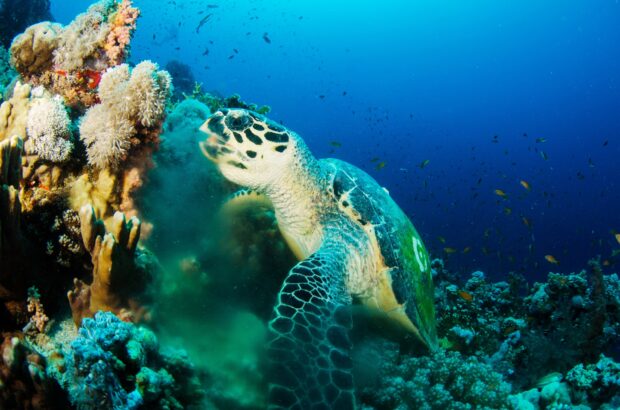


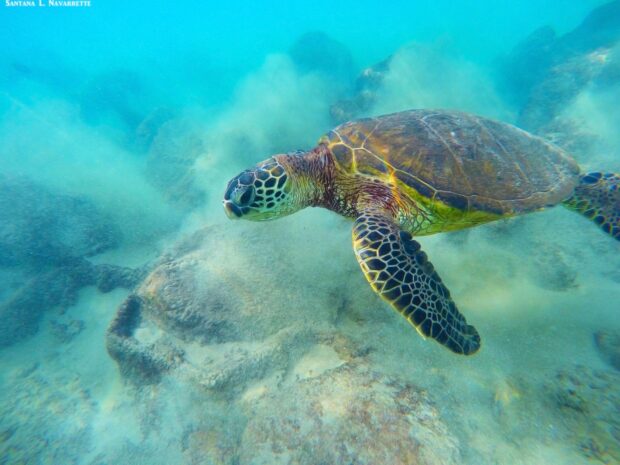
Sea turtles found in U.S. waters:
- Green sea turtle (listed as threatened or endangered depending on geographic location)
- Hawksbill sea turtle (endangered)
- Kemp’s ridley sea turtle (endangered)
- Leatherback sea turtle (endangered)
- Loggerhead sea turtle (listed as threatened or endangered depending on geographic location)
- Olive ridley sea turtle (listed as threatened or endangered depending on geographic location)
Sea turtles are facing many threats
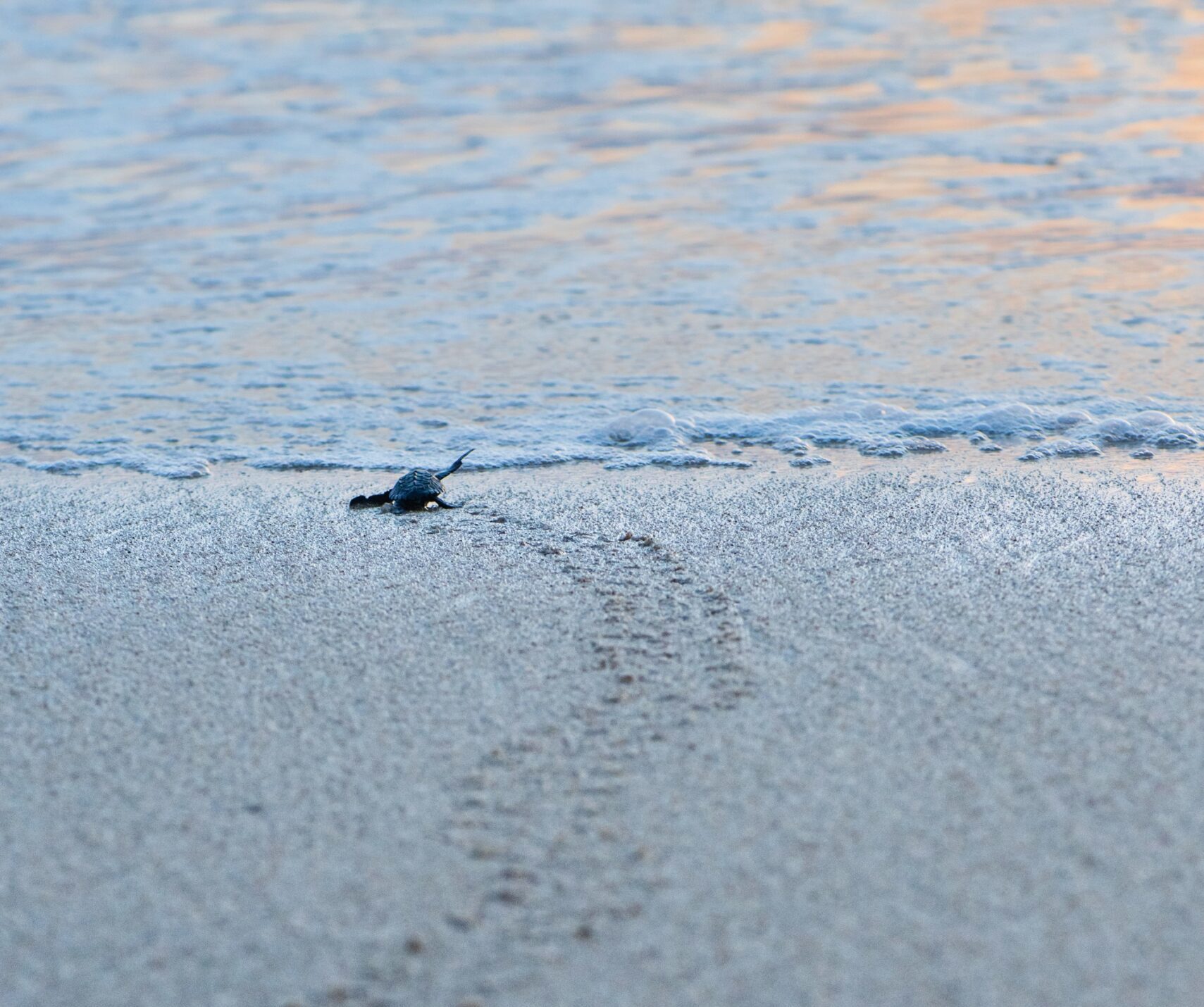
Sea turtles are facing threats both on land and at sea.
- Coastal development. Development along the coast can impact habitat for sea turtle nesting, and the success of hatchlings. Coastal structures including seawalls, bulkheads, etc, can negatively impact key habitat for sea turtles to lay their eggs in the sand. Additionally, artificial light from hotels, residential communities, and businesses disrupts the ability of sea turtle hatchlings to find the ocean from their nest.
- Bycatch. More than 250,000 turtles sea turtles die around the world annually as a result of bycatch (getting accidentally caught in fishing gear).
- Vessel strikes. It is estimated that hundreds to thousands of sea turtles are struck by vessels in the U.S. each year (and many of them are killed, as a result). In Florida alone, injuries consistent with vessel strikes are observed in 20 to 30 percent of stranded sea turtles.
- Pollution. Plastic pollution is a critical threat to the world’s marine environment, with around eight metric tons of plastic entering the ocean every year. In some areas, twice as many sea turtles are accidentally ingesting plastic now than they were 25 years ago. Additionally, sea turtles can also get caught in ghost gear (abandoned fishing gear left in the ocean) and drown.
- International trade. International trade in sea turtles and sea turtle meat and parts is illegal, but it still happens today. All sea turtle species are listed under the Convention on International Trade in Endangered Species (CITES), Appendix I.
The Sea Turtle Rescue Assistance and Rehabilitation Act
In January of 2025, the bipartisan Sea Turtle Rescue Assistance and Rehabilitation Act (STRARA) was introduced into the 119th Congress. This legislation will create a program that provides direct support to institutions and organizations around the country that rescue and rehabilitate threatened and endangered sea turtles. Specifically, it will support:
- The recovery, care, or treatment of sick, injured, or entangled sea turtles.
- The response to rescue stranded sea turtles.
- The collection of data and samples from living or dead stranded sea turtles for scientific research or health assessments.
- The facility operating costs that directly relate to activities to assist sea turtles.
- The development of stranding network capacity where facilities do not exist or are sparse.
Costs associated with sea turtle rescue and rehabilitation are high. For example, according to the National Aquarium in Baltimore, eight Sea Turtle Stranding and Salvage Network partners cared for more than 2,000 sea turtles over a recent two-year period, spending $5 million per year to care for the rescued turtles.
Sea turtles are facing extinction if their numbers don’t recover. The STRARA legislation would provide crucial funding to support the rescue and rehabilitation of sea turtles, and to collect key data to help strengthen and enhance conservation strategies.
Send a message to Congress today urging the passage of the Sea Turtle Rescue Assistance and Rehabilitation Act with our friends at the NWF Action Fund.
Sea turtles are key to a healthy marine ecosystem
Both on land and at sea, sea turtles have an important role to play. On land, sea turtle eggs increase nutrients on beaches, which supports and enhances vegetation growth—vegetation helps to stabilize sand dunes and act as barriers against storms. Sea turtle eggs are also part of the food web, as they are a food source for various predators, such as crabs and coastal birds.
In the marine environment, some turtle species feed on seagrass beds, which helps maintain and cultivate seagrass cover, benefitting many species of fish and other marine life. Additionally, sea turtles are an indicator species, “canaries in the coal mine”, which means that their “abundance, distribution, and health in the ecosystem are reflective of environmental conditions”.

NWF affiliate partners help advance efforts to protect sea turtles
Close to 100 institutions from 35 states and territories have encouraged Congress to strengthen the investment in sea turtle stranding response and rehabilitation through the bipartisan Sea Turtle Rescue Assistance and Rehabilitation Act.
NWF works with 52 state and territory affiliates—autonomous, nonprofit organizations that take the lead in state and local conservation efforts and collaborate with NWF to conduct grassroots activities on national issues. NWF’s affiliate partners the National Aquarium, Conservation Council for Hawaii, Georgia Wildlife Federation, Louisiana Wildlife Federation, North Carolina Wildlife Federation, South Carolina Wildlife Federation, Texas Conservation Alliance, Virgin Islands Conservation Society, and Sociedad Ornitológica Puertorriqueña, Inc. are included in the institutions that support STRARA passage.
The Texas Conservation Alliance participates in the Texas Parks and Wildlife Department’s annual Abandoned Crab Trap Removal Program, and they have teamed up with Patagonia for this event. This program involves a 10-day closure period in February each year when crabbing is prohibited, allowing volunteers to remove abandoned crab traps from the water.
Crab traps can cause harm to marine life, including sea turtles, and are considered ocean litter once they are left behind. Sea turtles can get tangled up in the vertical lines that connect the trap with the surface buoy.
The Florida Wildlife Federation (FWF) is committed to coastal conservation to ensure critical habitat for sea turtles is protected. They have successfully helped ban oil drilling in state marine waters, and are a strong advocate for the federal Coastal Barriers Resources Act, which stops taxpayer dollars being used to build on highly erodible coastlands. Learn more about FWF’s coastal protection efforts.
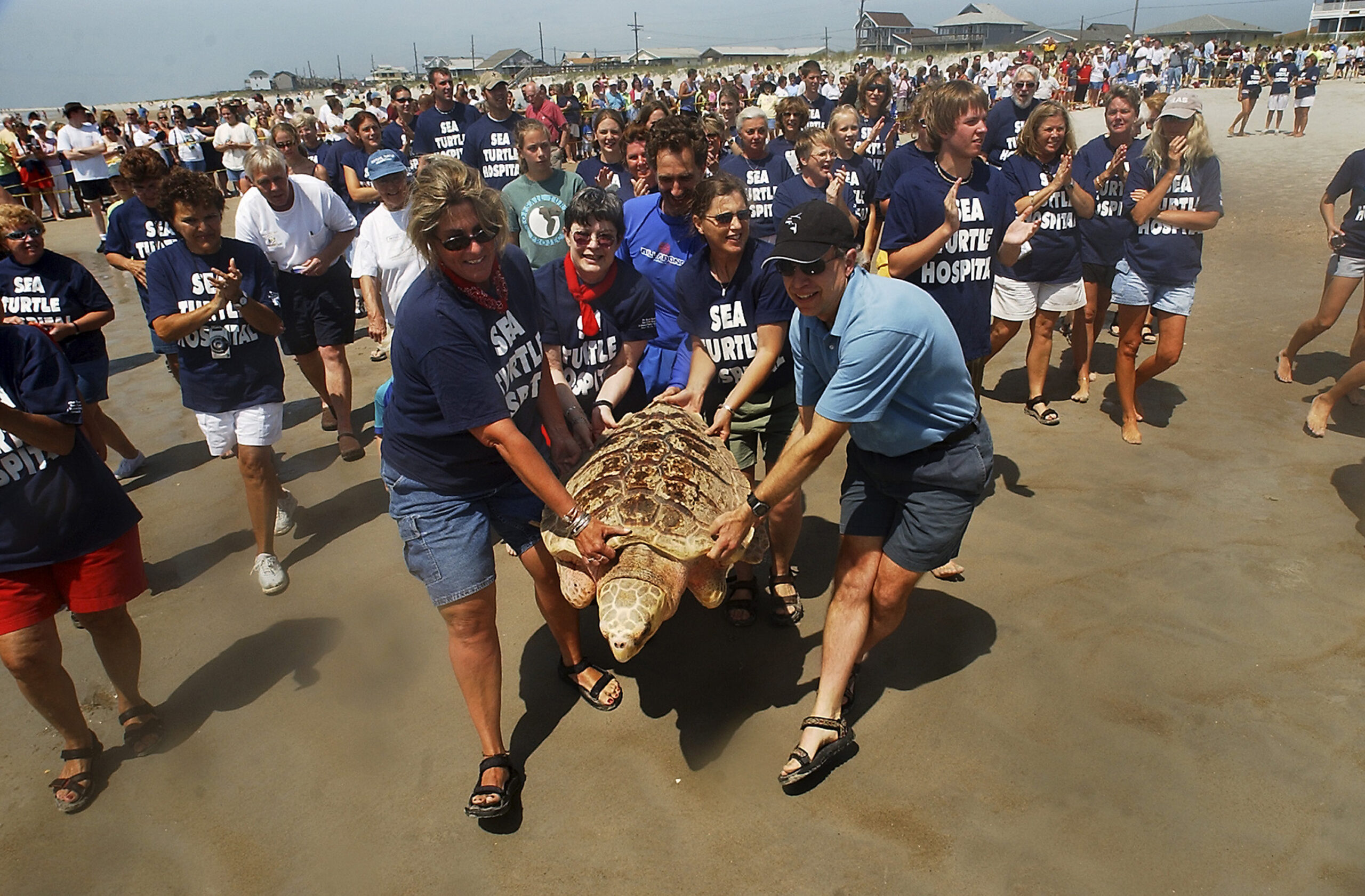
NWF’s Maryland affiliate partner is the National Aquarium in Baltimore. Since 1991, the National Aquarium Animal Rescue has rescued and rehabilitated endangered and protected marine species in hopes to return them to the ocean once they recover. Their Stranding Response Center, a 400-square-foot facility located in Ocean City, MD, provides support to triage and stabilize locally stranded sea turtles (and seals) before these animals are transported to Baltimore.
The purpose of the Center is to minimize the time between an animal’s retrieval and beginning treatment, this reduced timeframe increases their chance of survival.
In addition to caring for locally stranded sea turtles, the National Aquarium admits dozens of sea turtles each year rescued from across the region, most notably the coast of Cape Cod, Massachusetts. Each year, hundreds of sea turtles are stranded in Cape Cod, exceeding the capacity of local organizations and requiring assistance from other sea turtle stranding network partners.
Once in Baltimore, sea turtles transition to the National Aquarium’s sea turtle hospital and undergo life-saving treatment and long-term care by the Aquarium’s Animal Health and Rescue teams. Sea turtles are administered a variety of treatments during rehabilitation, including antibiotic therapy to treat infections, fluid therapy for dehydration, wound care for injuries, physical therapy to restore mobility, and healthy nutrition to help malnourished animals put on weight.
Most rescued sea turtles at the National Aquarium require several months of treatment before being released back to the ocean, with some rehabilitation cases even lasting a year or more. It is estimated that organizations across the U.S. like the National Aquarium invest more than $35 million every year to voluntarily rescue, rehabilitate, and release endangered sea turtles.
Take action to protect sea turtles
- Send a message to Congress supporting the passage of the Sea Turtle Rescue Assistance and Rehabilitation Act.
- Adopt a storm drain. Adopting a storm drain is a simple and fun way you can remind others to keep trash and chemicals that harm sea turtles and other wildlife out of our local waterways and oceans.
- Restore seagrass beds. Volunteer with a local organization to protect and restore the sea grass beds.
- Find out what your plastic eco-score is and adopt a new habit to reduce plastic waste.
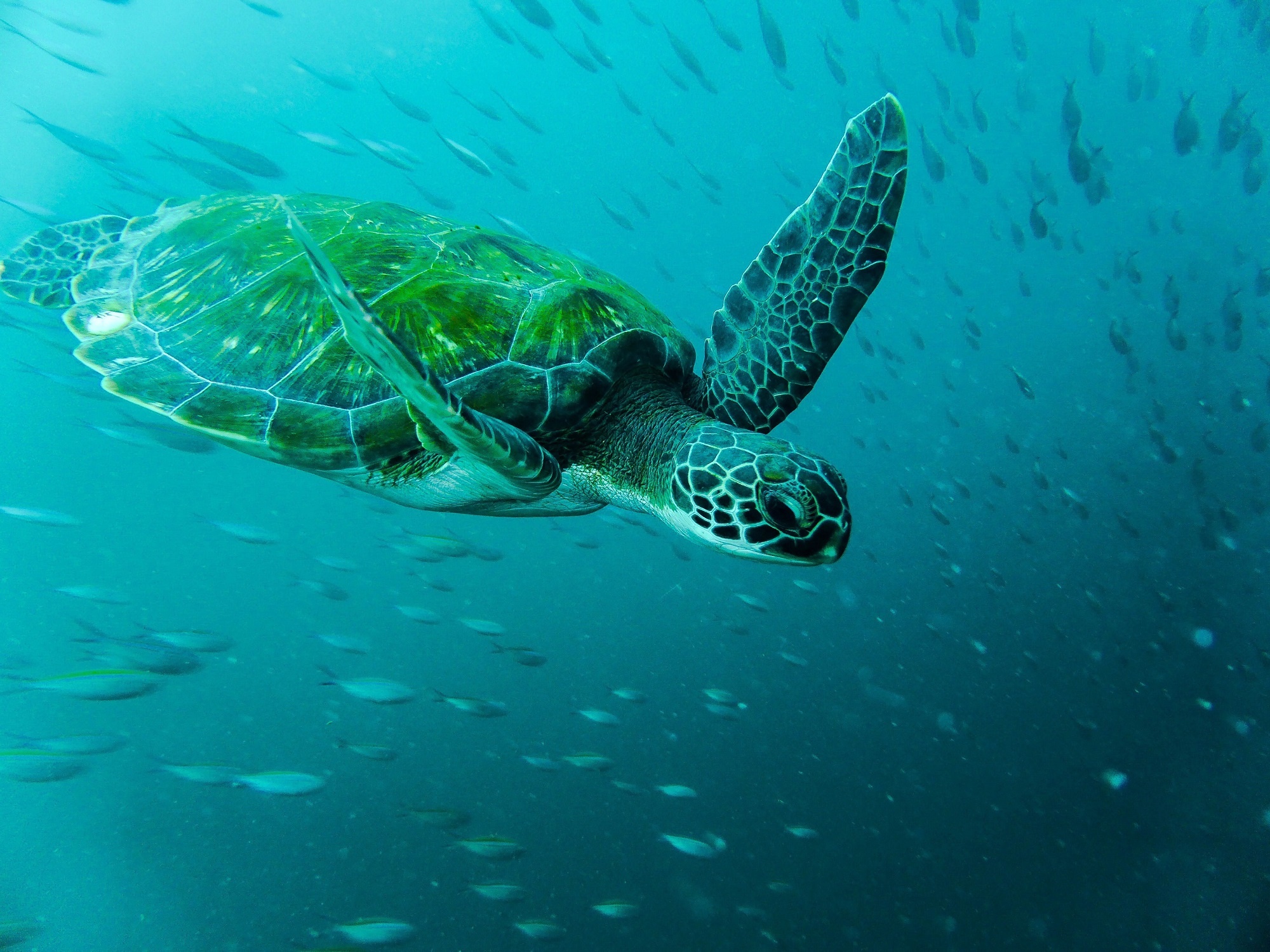
- Purchase coral reef-safe sunscreen; these sunscreens are mineral-based. The green sea turtle loves to hang out on the reef!
- When boating, follow safe boating and navigation guidelines, including speed limits, and look out for sea turtles and other wildlife.
- Advocate for other laws that protect sea turtles and other wildlife including the Endangered Species Act and the Recovering America’s Wildlife Act.
Activities for kids:
- Read: Swimming with sea turtles
- Bake: Make sea turtle cookies!
- Watch: How do sea turtles get home?
- Read: Sea Turtle 911: People are coming to the rescue of stranded sea turtles
More NWF resources on sea turtles:
 Written by Kristy Jones

Building Momentum: What’s Next for Beaver Conservation in Colorado