






We have much more to do and your continued support is needed now more than ever.
2025 Conservation Wins in the South

Manatee resting while shading over a school fish. Credit: Keith Ramos/USFWS
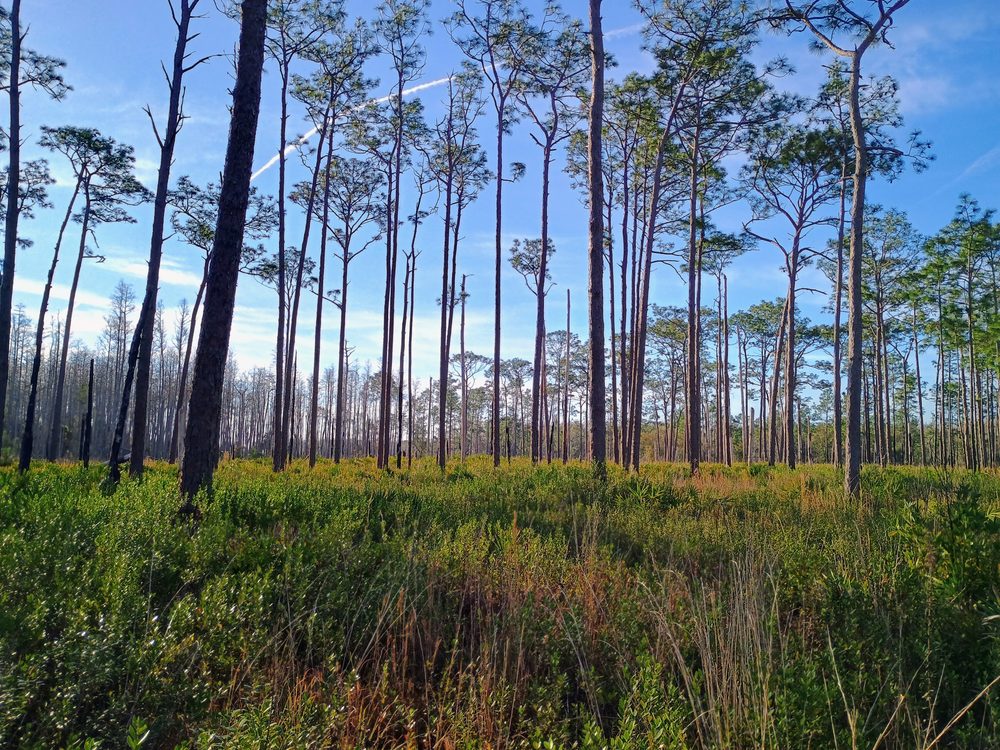
From black bears and bald eagles to blue crabs and manatees, the southern United States is home to a wide range of species and offers a rest stop to millions of migratory wildlife. But many wildlife in the region are facing difficult challenges. As the climate and the biodiversity crises accelerates in the region, strong conservation and education initiatives will become more necessary. Fortunately, the National Wildlife Federation’s South Central Region and our state affiliates are already at the forefront of conservation in the region to advance community-driven, science-based solutions.
Based out of Austin, the South Central Region includes field offices and staff across the South focused on restoring important wildlife habitats, protecting communities from climate impacts, and inspiring the next generation of environmental leaders. Here are a few highlights from this year:
Helping Vulnerable Species

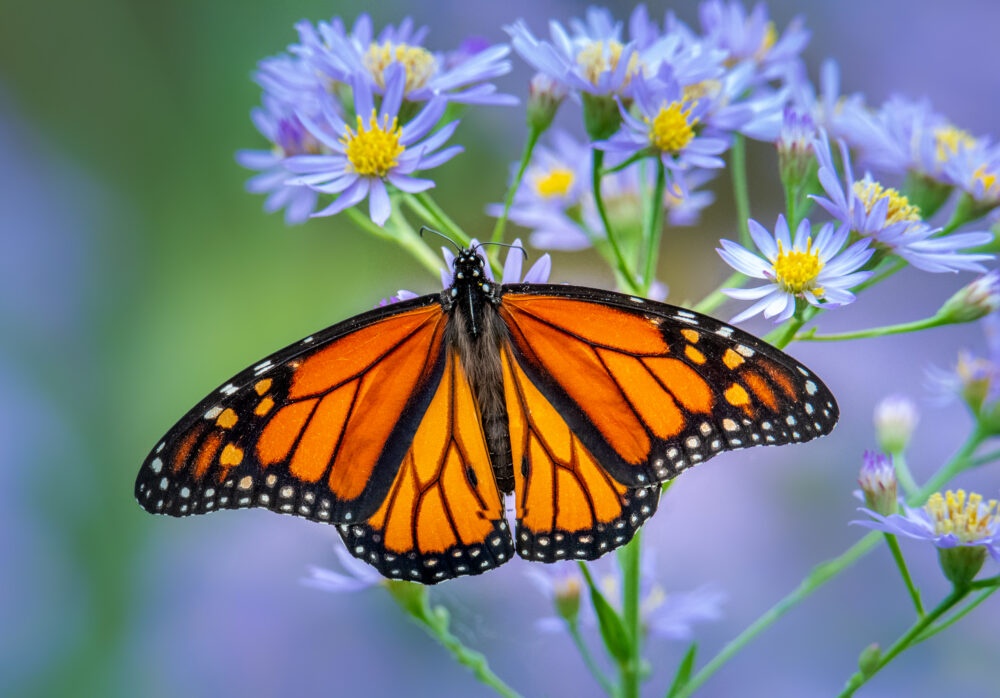
Much of our conservation priorities in the South are designed to benefit wildlife overall, but some of our local programs help specific wildlife such as nesting sea turtles or monarch butterflies. One of these programs, Monarch Heroes, is celebrating its 10th Anniversary this year.
Monarch Heroes is a K-12 education program focused on creating pollinator habitats on schoolgrounds to help monarch butterflies during their migration across Texas. Since 2015, the program has grown to partner with more than 260 schools, 800 teachers, and 30,000 students to create monarch-friendly habitats. Amazing!
Keep reading because our favorite moments are towards the bottom!
Empowering Communities
We value creating authentic, meaningful relationships to support community-driven solutions for conservation issues. From meetings with local leaders to public events, we were in communities across the South this year:
- The Resilient Schools and Communities (RiSC) program partnered with community organizations and volunteers to establish pocket prairies in Channelview and Alief, TX.
- Our Texas Coast & Water team co-hosted a number of informational events in Austin, including a state legislative wrap-up, a dialogue on a state ballot initiative, and a panel discussion on how the community can help stop the Lavaca Dam.
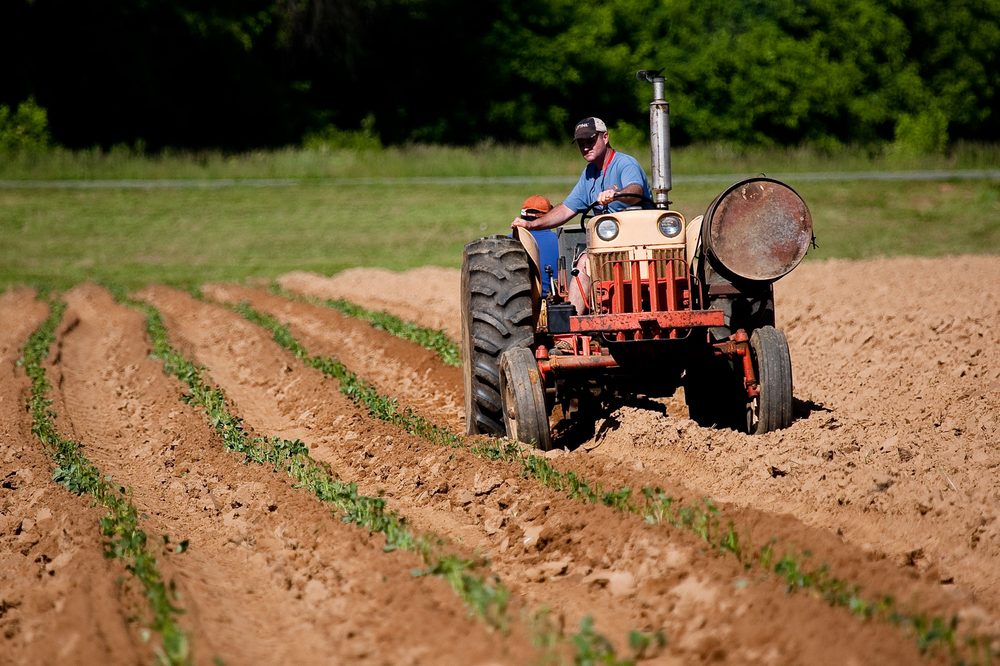
- Through workshops and one-on-one outreach, the Southeast Forestry team collaborated with private landowners and communities this year to improve/increase wildlife-friendly forestry practices on their lands, including how to responsibly conduct prescribed burns, how to sustainably harvest pine straw, and other land management issues.
- The Forestry team also fostered tribal relationships in the Southeast, including with the Lumbee People to blend traditional knowledge and modern forestry management.
- The Gulf program collaborated with our partners to launch the first-ever Tampa Bay Coastal Master Plan, which will increase resilience for this high-risk area by reducing chronic flood risks and protecting habitats with nature-based flooding solutions.
- Our Gulf program also co-hosted community conversations about the future of restoration in Louisiana as well as our annual Cook-Off to discuss how wetlands restoration can protect the greater New Orleans area from storms and sea-level rise.
- NWF also hosted skill-building trainings across the region on a wide range of topics from sustainable agricultural practices to creating pollinator-friendly gardens.


Fostering the Next Generation of Leaders
We provide project-based learning for students and educators to enhance wildlife habitats, be more climate resilient, and prepare the next generation to lead their communities in a rapidly changing world.
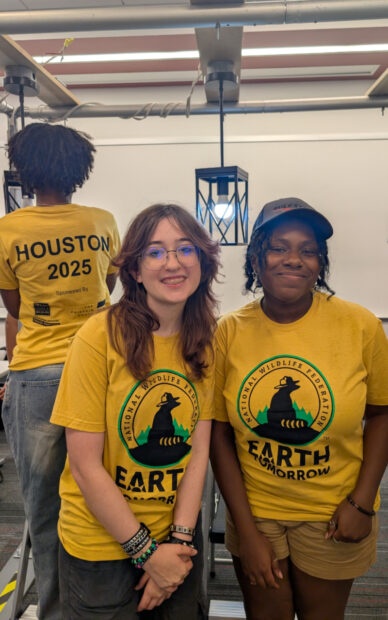
Over the summer, the Earth Tomorrow education programs hosted their annual summer institutes in Atlanta and Houston. The institutes provided high school students with a week-long residential experience that provided access to nature and introduced the students to the legacy of conservation, community organizing, and the vast career and educational opportunities for these budding leaders.
Also this year, the Southeast Forestry team introduced Fort Valley State University (FVSU) undergraduates in Georgia to the benefits of prescribed fire. With career aspirations ranging from engineering to economics, NWF Southeast Forestry staff advised students on how their interests can be applied to conserving forest ecosystems whether it be from a lab, in an office, or on foot.


Biggest Win of All: Your Participation
We keep saying your voice matters, and this was one of those years that proved it! Our local staff work closely with decision-makers on all levels to restore wildlife habitats and protect communities. But sometimes we need a little more help to get the point across, and that’s where supporters like you come in to show public support (or dissent). And WOW, your participation this year really made a difference!
Oil Drilling Plans Stopped in Apalachicola – NWF supporters stood with the small communities around Apalachicola Bay in Florida to stop oil drilling plans that would have jeopardized local wildlife like manatees and nearby communities. The Florida Department of Environmental Protection received your abundant comments and agreed to deny the permit following a judicial recommendation. With all the public pushback, the Florida Legislature chose to engage and passed a bill to prohibit drilling within 10 miles of a nearby national estuarine research reserve. A definite win!
Manatee. Credit: NOAA

Breathed New Life Into Restoring Wetlands Damaged by Federal Channel – Coastal restoration can be a slow process–sometimes too slow. The Mississippi River Gulf Outlet wetlands restoration project in Louisiana was approved by Congress nearly 20 years ago, yet we’re still waiting for restoration to begin. Your public comments this summer got the attention of the U.S. Army Corps of Engineers and reignited discussions, breathing life into this overdue project. Thank you! We look forward to keeping you updated on MRGO restoration progress.
Swamp rabbit. Credit: Darrel Gulin

Historic Water Infrastructure Investment Passed in Texas – On election day, Texas voters overwhelmingly approved Proposition 4, a constitutional amendment that dedicates $1 billion annually of existing sales tax revenues for the next 20 years to upgrade deteriorating water and wastewater systems, reduce flood risk, prioritize strategies that would conserve habitats, and keep water bills low. This is the largest investment in water infrastructure in the history of Texas and in any state in the country—and will benefit wildlife, people, and communities!
Snowy egret. Credit: USFWS

Thank you to everyone who submitted public comments to state and federal agencies this year as well as weighing in on ballot initiatives. We could not do this important conservation work without your support.
You can help us earn one more win this year by donating to the South Central Regional Center. Help us to continue to protect wildlife, communities, and wild places in the South.
Affiliates Are Getting Results
We would be remiss to skip over our state affiliate achievements in the south. In fact, there were so many, we couldn’t include them all in this blog! From volunteer clean-up events to nature access programs and successful capitol visits, our affiliates are achieving incredible results in their states. We encourage you to follow your state affiliate’s Facebook page for conservation and event updates:
- Alabama Wildlife Federation
- Arkansas Wildlife Federation
- Florida Wildlife Federation
- Georgia Wildlife Federation
- Louisiana Wildlife Federation
- Mississippi Wildlife Federation
- Sociedad Ornitológica Puertorriqueña, Inc.
- South Carolina Wildlife Federation
- Tennessee Wildlife Federation
- Texas Conservation Alliance
- Virgin Islands Conservation Society
With your help, we made huge strides forward for wildlife and communities in the South this year. We have big plans for 2026–keep in touch by subscribing to receive email updates from NWF.
