





We have much more to do and your continued support is needed now more than ever.
America’s Grasslands Conference: Grasslands Across Generations

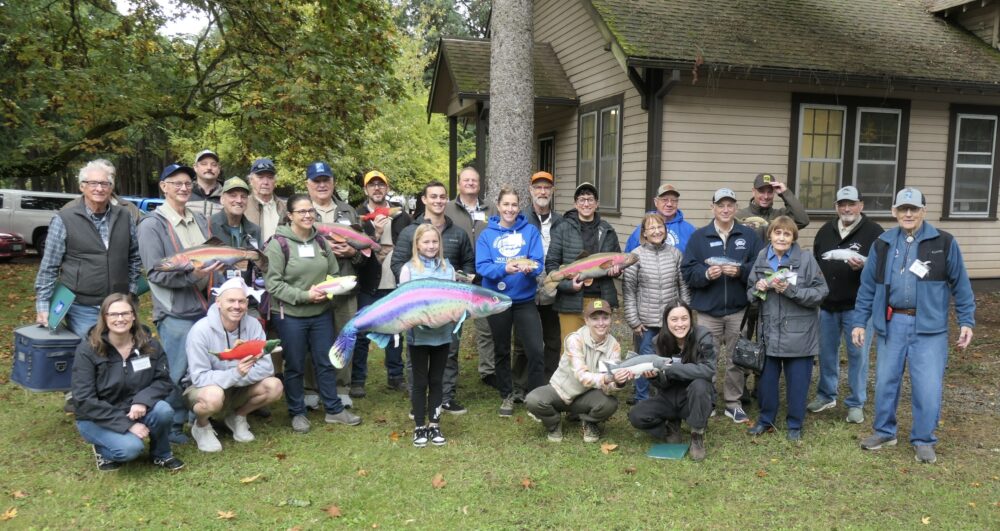
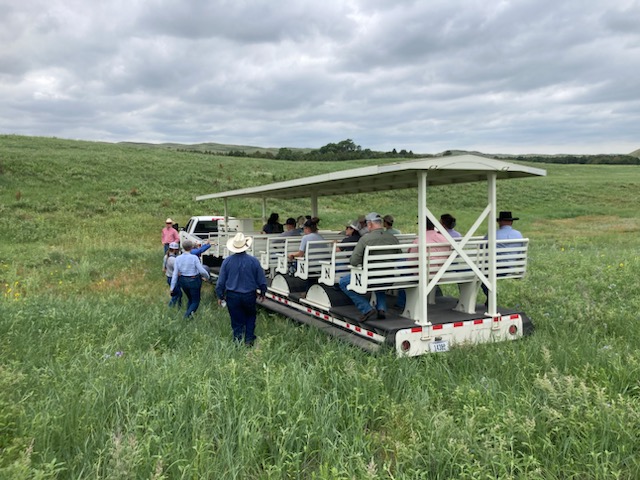
Participants on the Loess Canyons Field Trip. Credit: Julie Sibbing
The 2025 America’s Grasslands Conference theme was Grasslands Across Generations, highlighting the changes in our grassland landscape over time and the future of grassland conservation hosted in collaboration with the Nebraska Grazing Lands Coalition and the University of Nebraska-Lincoln. Over the span of three days—participants, ranging from ranchers, researchers, conservationists, tribal partners, industry and agency staff, and more—gathered for field trips, presentations, roundtable discussions, and networking.
Why is Grassland Conservation so Important?
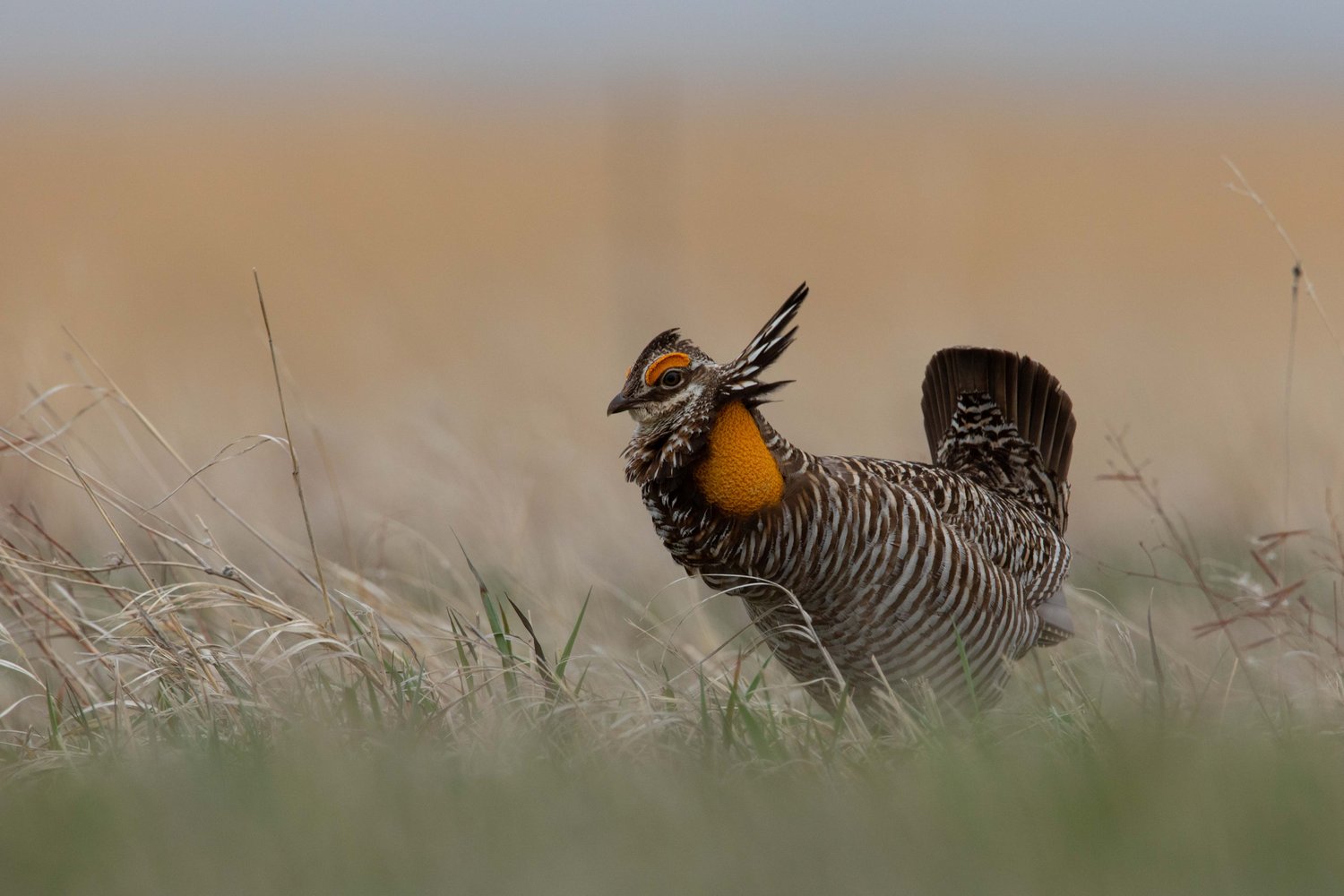
Once covering over two million square kilometers of land across North America, supporting abundant biodiversity including large herds of bison, pronghorn, flocks of greater sage grouse, prairie chickens, and countless other species, grasslands are now one of the most endangered ecosystems in the world. Not only do grasslands provide habitat to thousands of species, but they also play key roles in climate mitigation, resistance to extreme weather events, and water quality. Grasslands function as an important carbon sink, storing carbon deep in their soils.
Protecting grasslands protects their stored carbon, working as a vital natural solution for climate mitigation. Grasslands also provide many other ecosystem services, from supporting clean water to drought and flood control. Extensive root systems found in healthy grasslands provide water filtration, provide both water storage and prevention of runoff, helping to mitigate extreme weather events.
Additionally, grasslands sustain many communities, and for generations have played important roles in the livelihoods of Indigenous communities, farmers, and ranchers. Advocating for sustainable grazing management and preserving this important ecosystem supports wildlife, people, and the environment.
Read more about this important ecosystem in the NWF blog: Grasslands: A Disappearing Ecosystem.
Grasslands Under Threat
Native grasslands are facing significant losses, highlighting the need for collective action to support conservation efforts. Data from the USGS shows that 62% of North America’s grasslands have been lost, a highly concerning statistic, as this loss places wildlife species under immense pressure.
Grasslands birds remain at the height of this concern. The 2025 State of the Birds Report shows that grasslands birds have lost 43% of their total population since 1970, more than any other group of birds. Many other species are also at risk, include pollinators, like monarch butterflies, which provide important ecosystem services necessary for farming and ranching.
Conversion to cropland has been the major driver of loss of native grasslands, and while federal programs, such as the Grassland Conservation Reserve Program, help with conserving important land and encouraging sustainable grazing, it will take folks from all different sectors to work together to make changes to restore, conserve, and protect this important ecosystem.
By gathering people with different expertise, the conference hopes to foster a sense of community, knowledge sharing, and cross pollination of work to help push grassland conservation forward and maintain momentum in this space.
Conference Day 1: Gallivanting Across the Great Plains
Interested in what happens during the America’s Grasslands Conference? Here’s a look into what takes place throughout the event. The first day of the conference sets a great tone for the days to come as participants embark on field trips across nearby grasslands.
In 2025, participants could visit the incredible Nebraska Sandhills (take a look at this write-up of the trip from our tour leaders, the Sandhills Task Force), take a trip to Loess Canyons, or head to the Crane Trust and The Nature Conservancy’s Platte River Prairies.
The first day always ends with an opening reception either at the conference venue, or a local attraction. For example, in 2023 we went to the Cheyenne Botanic Gardens and in 2019 participants gathered for the opening reception at the North Dakota Heritage Center.
“I found it [the conference] incredibly valuable, both to keep up my hope and for knowledge transfer with other grasslands people.”
– Conference Attendee
Conference Day 2: Exchanging Seeds of Knowledge

The second day starts with a lively plenary session featuring an incredible lineup of speakers who officially open the conference.
In 2025, our keynote speaker was Kyle Lybarger of the Native Habitat Project who spoke about native grasslands in the Southeastern U.S. and his work educating the public about the value of native ecosystems.
With over a million followers on social media (follow the Instagram here), he reminded the audience about the power of storytelling. Other great opening talks fill in the lineup, such as authors Josephine Marcotty and Dave Hage, who spoke about their recent book Sea of Grass: The Conquest, Ruin, and Redemption of Nature on the American Prairie.
The rest of the day focuses on concurrent breakout sessions, featuring presentations on a wide range of topics, from grassland conservation social science, grasslands policy, grazing and management, and many more.
If you are interested in seeing more of the talks we’ve had throughout the conferences, take a look at the past conference programs and proceedings.
“The topics did a great job of geographic representation. Seeing the presentations from the southeastern United States especially broadened my thinking about grasslands both spatially and temporally. We certainly have other conferences and meetings around grasslands, but this was a good mix of faces both familiar and new, and a unique combination of the familiar ones.
It was interesting and helpful to see each other in a little different context. The conference did a good job of underlining the need to weave unique roles, skillsets, backgrounds, interests, goals and opinions into a common vision.”
– Conference Attendee
At the end of the second day, we take a trip away from the conference center to a unique local site such as a ranch, or nature sanctuary for an evening BBQ and time for networking and socializing. In 2025, we went to the Ian Nicolson Audubon Center at Rowe Sanctuary, situated along the picturesque Platte River.
Rowe Sanctuary was the perfect location to host a dinner, with a beautiful visitor center, educational displays, and knowledgeable staff who were on hand to answer questions and lead guided tours along the trails.
Conference Day 3: Looking Forward—Final Thoughts
The final day of the conference concludes with additional concurrent presentations, poster presentations, roundtable discussions, and a closing plenary. Our roundtable discussions can feature workshops as well as engagement opportunities to raise awareness and inspire action. We also host policy discussions on the changing federal policy landscape and the impact on grasslands, a much needed and timely discussion.
We conclude the conference with a closing session centered on the conference theme. Our 2025 theme of Grasslands Across Generations inspired a closing session featuring a panel discussion with ranchers who shared insights on generational land transfer and the importance of carrying conservation work forward to the next generation.
We also had an inspiring closing keynote from Ethan Freese, showcasing photography from across the grassland biome with timelapse tracking. We hope to keep the momentum going as we start to gear up for our next conference in 2027, and we’re currently exploring different ways to keep everyone updated on grassland news and to foster ongoing collaboration on grassland conservation efforts throughout the year.
Some ideas include a newsletter, working groups, or virtual or in person convenings between conference years. Overall, we want to stay connected, so look out for a survey coming soon to gather your thoughts and insights on ways to engage in between conferences!
Act Now for Grasslands
If you want to take a step to protect America’s grasslands today, take action to support the North American Grasslands Conservation Act. You can read more about it on the website.

Building Momentum: What’s Next for Beaver Conservation in Colorado