













We have much more to do and your continued support is needed now more than ever.
Data Centers 101
What they are, why you're hearing about them, and why they matter
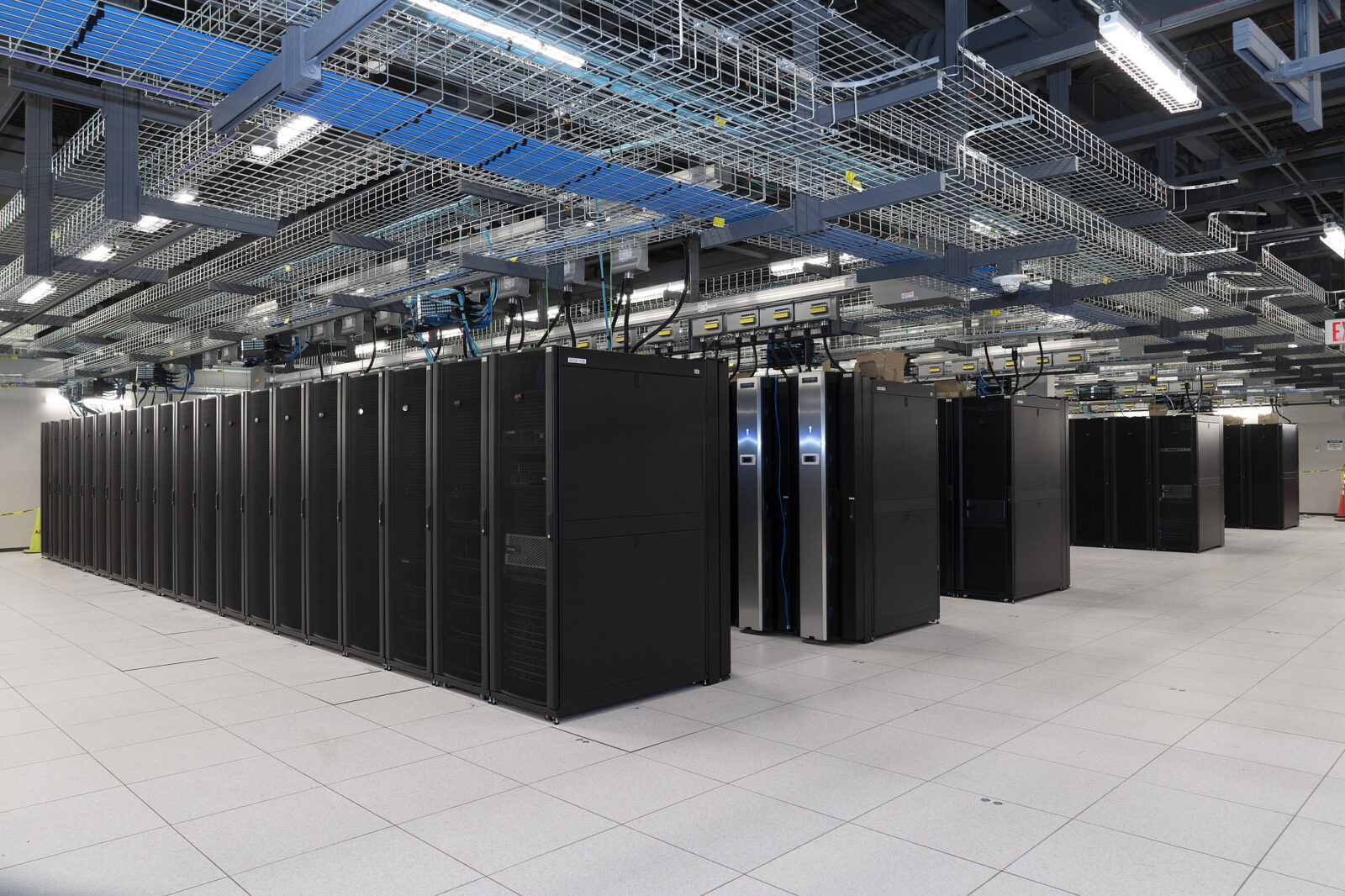
Data center server racks in the Main Data Hall of the Scientific Data and Computing Center. Credit: Brookhaven National Laboratory
Data centers are changing the landscape of energy production and consumption in the United States. Increased development of data centers present complex and urgent climate and justice issues: including impacts on water supply, land use, and surrounding wildlife and communities. However, before we can tackle those, we need to understand what exactly data centers are.
Data centers are physical buildings filled with computer servers used to store and process data. They form the backbone of the internet: every Google search, phone app, cloud service and artificial intelligence (AI) inquiry relies on servers housed in these facilities. Within the centers themselves, you’ll find racks of servers, massive cooling systems, backup power generators, and network interconnects all working 24/7 to process data, store information, and serve content.
Data centers can range from 20,000 square feet to over 10 million square feet. That’s the difference between a Target and an entire university campus. Running thousands of servers produces enormous amounts of heat, which means cooling infrastructure is essential. These cooling systems themselves require large amounts of electricity.
Why the recent surge in attention?
You’re hearing about data centers more than ever because we are in the middle of the AI Gold Rush. As machine learning workloads explode, companies are racing to build new AI-optimized data centers at unprecedented speeds. The International Energy Agency predicts data centers will make up half of U.S. grid growth by 2030.
Traditional data centers have been around since the mid-20th century. But AI data centers differ in two critical ways: hardware and scale. Traditional data centers were designed primarily to store data, run websites, and manage cloud applications with much less space required. Modern AI operations require different hardware, and perform thousands of operations simultaneously.
This new class of hardware draws much more power, generates more heat, and requires denser racks and heavier infrastructure. As a result, a data center that originally consumed about five megawatts of energy might jump to 50 megawatts when configured for large-scale AI operations. That’s the difference between enough electricity for 1,500 homes compared to 15,000-25,000 homes or a small town.
What are the impacts on energy?
With data centers becoming one of the biggest contributors to electricity demand growth in the United States, new challenges regarding grid reliability and energy affordability have emerged. Researchers at the Lawrence Berkeley National Laboratory estimate that in 2028, 6.7-12 percent of our national electricity consumption will be from data center energy use, compared to 4.4 percent in 2023.
Data center development is also very geographically concentrated—with 80 percent of centers located in only 15 states. This clustering effect can cause grid stress and become a major issue of energy reliability in local regions.
Energy planners are concerned about “load growth”—the increased peak electricity demand—which has caused states to scramble to secure reliable energy sources. Load growth has led to several states “delaying planned retirements of existing coal and gas units” and others looking at nuclear energy as an alternative.
Grid upgrades often take years and can shift the costs onto local ratepayers, who may pay for transmission and generation upgrades that primarily serve data centers, and not the public. The National Caucus of Environmental Legislators warns that costs may increase by an average of 19 percent by 2028 with higher rates being passed on to utility consumers. If clean resources lag behind rising demand, decarbonization efforts may be compromised and ratepayers will be liable.
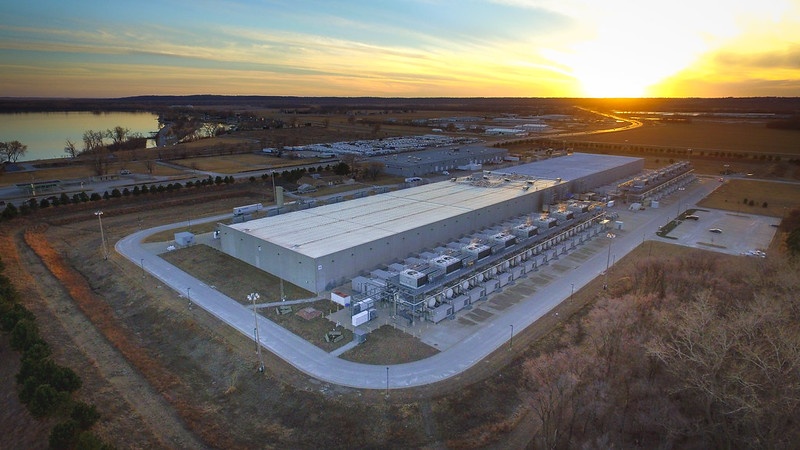
How are the environment, wildlife, and communities impacted?
Water is an equally urgent issue. Cooling systems are extremely water-intensive: a single mid-sized data center can use up to 300,000 gallons of water per day, or 110,000,000 gallons per year. Meta’s 2024 sustainability report showed that its data centers used a total of 3,078 megaliters, or 813,000,000 gallons, that year. According to a 2025 Bloomberg report, about two-thirds of data centers built or in construction since 2022 have been in regions already plagued with high-water stress.
These withdrawals directly affect ecosystems and wildlife. Lower streamflows and warmer water can devastate sensitive species that rely on cold, clean water. In Alabama, environmental groups warned that a proposed data center could wipe out the federally threatened spring pygmy sunfish by altering and depleting its tiny spring-fed habitat. Similar conflicts are emerging nationwide as data centers move into ecologically fragile regions.
Communities face parallel harms. Large water withdrawals can dry up wells, strain municipal supplies, and drive up water prices. And while data centers don’t release significant direct air pollution themselves, their high electricity demand drives grid-related pollution when utilities rely more heavily on fossil-fuels to meet rising loads.
The development of new gas plants, and delayed retirement of old ones, increases air pollution in communities already burdened by environmental hazards. The current Trump administration’s Executive Order to expedite the construction of AI data centers, including on Brownfield and Superfund sites, may seem like efficient land reuse, but it neglects community concerns and can intensify existing environmental and public health threats in Black, Brown, low-income, and Tribal communities.
What’s next?
Data center growth is not going away anytime soon and data center growth should not come at the expense of energy affordability and reliability, wildlife, and communities. We must remain committed to safeguarding our water resources and push forward towards a cleaner, more sustainable energy future. Stay tuned for more NWF resources on data centers, as we continue to track potential impacts and identify ways to ensure this development works to benefit people and wildlife.
