














We have much more to do and your continued support is needed now more than ever.
EPA Should Put Communities First, AI Data Servers Second
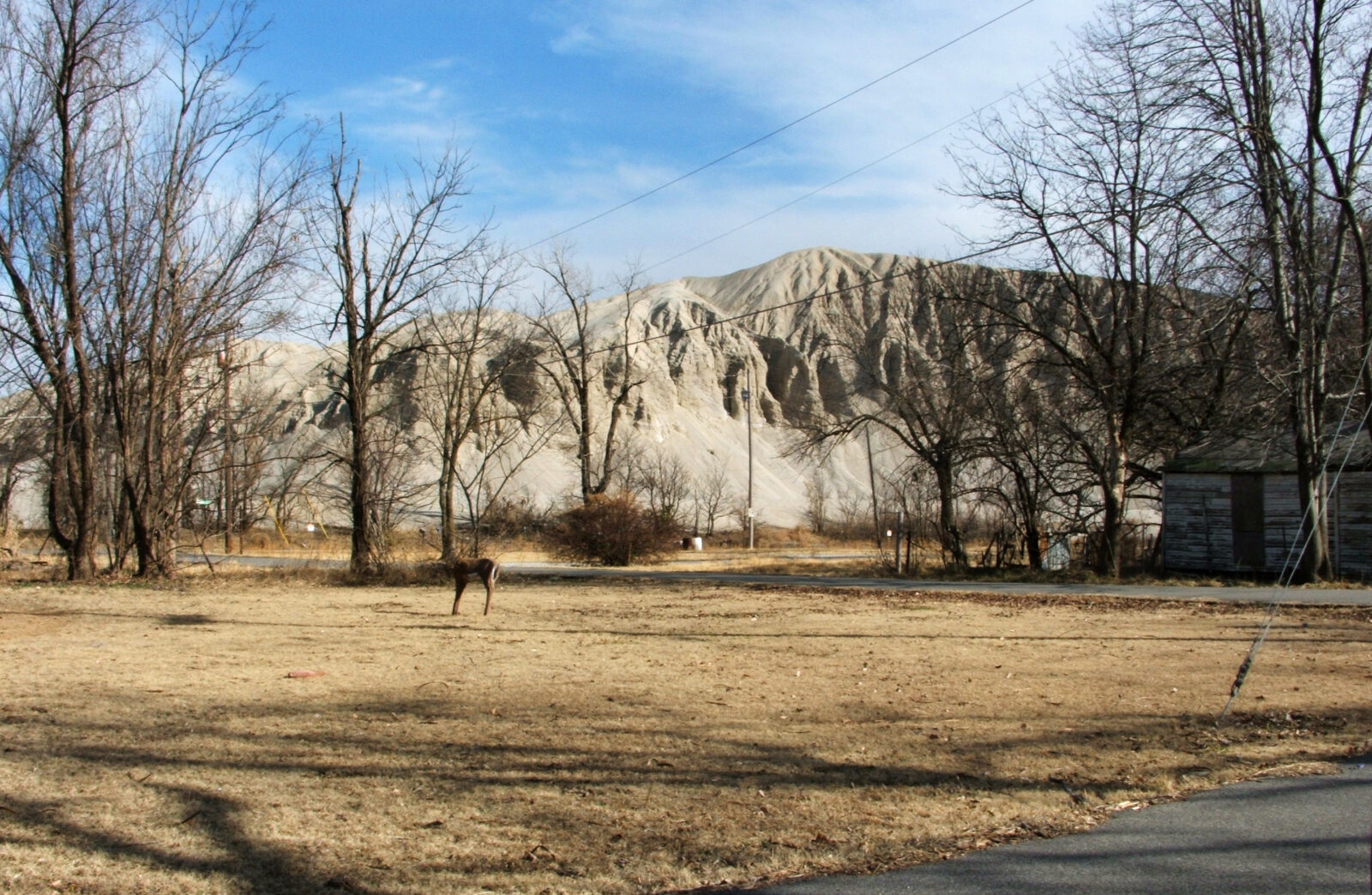
"Chat" piles at a Superfund site in Picher, Oklahoma. Credit: KellyK/Flickr
The Trump administration has pitched a quick Executive Order fix for America’s AI build-out: put new data centers on Brownfield and Superfund properties where pollution remains contained, not removed, and move fast. On its face, this plan might seem sensible. Reuse land that’s already disturbed, keep new development away from farms and forests, and maybe bring jobs back to places that have waited too long. But whether this helps or harms communities depends on the details, and those details start with what these sites are, how they affect health, how long cleanups take, and what typically happens afterward.
What are Superfund and Brownfield Sites?
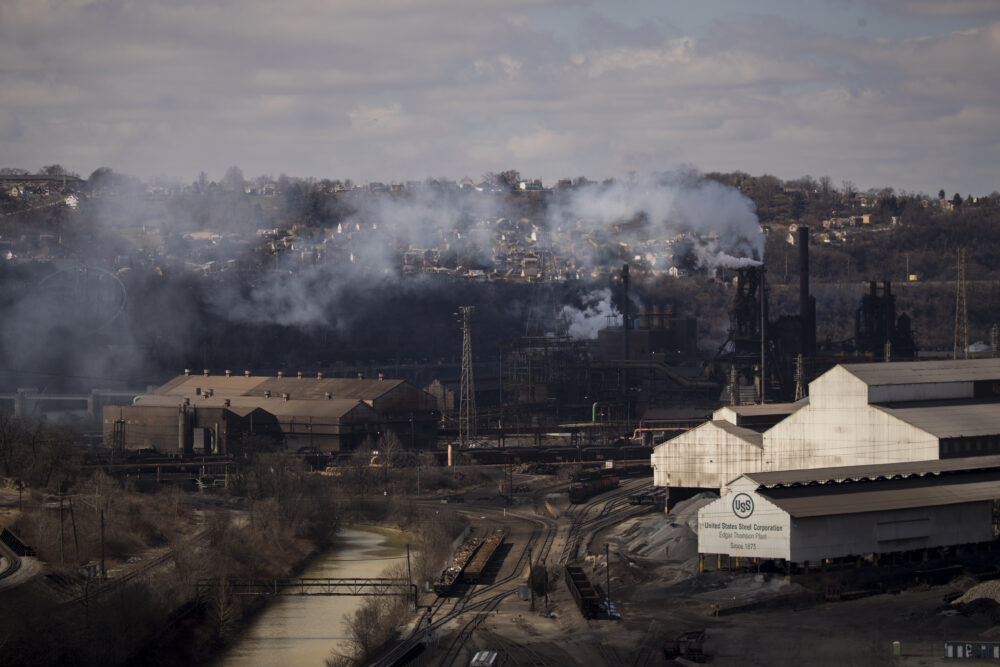
Let’s begin with some definitions of what Superfund and Brownfield sites are: a brownfield is property where pollution is known or suspected from past uses—old gas stations, dry cleaners, machine shops, rail yards, small factories. A Superfund site is the more serious category: toxic contamination at a site that is significant enough to trigger a long, federally overseen cleanup. Both can threaten a community’s health if they’re not handled carefully.
As an example of a Superfund site and the chemicals they might contain: In Woburn, Massachusetts, the Wells G&H Superfund site contains two contaminated former municipal drinking-water wells with industrial solvents—including toxics such as trichloroethylene (TCE) and perchloroethylene (PCE)—along with other pollutants in soils and river sediments. These chemicals are linked to cancer and can also harm the liver, kidneys, immune system, and development at certain exposure levels. The EPA’s cleanup there has included pumping and treating contaminated groundwater, excavating and capping polluted soils and sediments, and long-term monitoring to make sure the remedy keeps working and vapors don’t move into buildings.
Decades of research show Superfund and Brownfield sites are disproportionately located near Black, Brown, low-income, and otherwise overburdened neighborhoods. This pattern was documented as far back as a 1983 Government Accountability Office study of southeastern hazardous-waste landfills, reinforced by the United Church of Christ’s landmark report Toxic Wastes and Race in the United States showing race as the strongest predictor of hazardous-waste facility location, and echoed now across several peer-reviewed studies. EPA’s own tallies today show tens of millions of people—disproportionately people of color and households with low incomes—living within three miles of Superfund sites.
Even after a cleanup, many sites keep engineered caps, underground barriers, or land-use restrictions to prevent exposure. In other words, the contamination is managed and contained, not entirely erased.
Cleanups of these sites aren’t quick either. Smaller brownfield projects might move in months, but the full cycle—investigation, planning, cleanup, and monitoring—often takes years. Superfund sites can take much longer, on the timeline of decades, especially when pollution is complex, the site is large, or the responsible parties fight over who pays.
These properties are not blank slates; some might be reused, but the reuse must respect the cleanup. EPA and state regulators evaluate when a cleaned-up property is “ready for reuse” and spell out limits on how it can be used—for example, where digging is allowed, whether buildings can have basements, or whether residential development is off the table.
What happens to these sites after cleanup varies. Some Brownfield sites become light manufacturing, affordable housing, or parks and trails. Superfund can be reused too—wildlife habitat, sports fields, and commercial buildings have all been built on capped areas. The through-line is simple: the design must protect the remedy and keep people safe.

Building AI Data Centers at Superfund and Brownfield sites
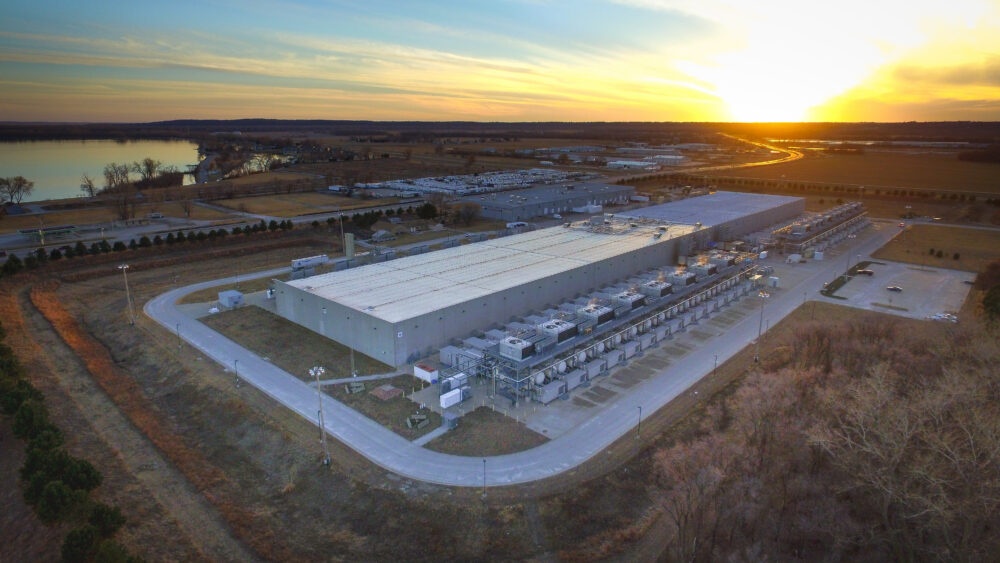
Now, let’s add AI data centers to this already complex picture. These are large, round-the-clock buildings packed with servers. They need lots of reliable electricity, often new transmission upgrades, and sometimes significant water for cooling unless they use air-based or other water-saving systems. They also keep fleets of backup generators—usually diesel—for outages and maintenance.
For the underserved communities already facing environmental burdens near these hazardous sites, that can mean new air and noise impacts, more truck traffic, and real questions about whether local water and wastewater systems can handle the load. Even cleaned-up sites are delicate. Poorly planned digging for buildings, pipes, or drains could damage the protective layer potentially letting harmful chemical vapors out.
The administration’s argument is that steering data centers to these sites is a win-win: reuse disturbed land and speed approvals. I agree with part of the premise. Reusing previously developed land is better than paving over a forest or wetland. But speed cannot come at the expense of the health of communities or our environment, nor should it come at the expense of a community’s voice.
The law that dictates cleanup of contaminated lands, the Comprehensive Environmental Response, Compensation, and Liability Act (CERCLA or Superfund), already sets a floor for participation. At Superfund sites—whether privately or federally owned—the cleanup decision must include public involvement.
Respecting locals’ right to make decisions about their own communities
Communities have the right to see the proposed cleanup plan, attend public meetings about remediation plans, submit comments, and read the agency’s written responses before a final decision is made. Separately, when a federal agency decides what to build on federal land—or when a private project needs a federal approval—environmental review requires public notice and comment. Those processes don’t grant a neighborhood an outright veto, but they do require the government to listen, disclose, and show how public input shaped the outcome. If agencies try to skip or shrink those steps, that’s not “streamlining”—that’s cutting communities out.
Because this is about environmental justice, the bar should be higher than the legal minimum. Many Brownfield and Superfund properties sit in Black, Brown, low-income, and Tribal communities that absorbed the costs of yesterday’s industries and are now being asked to host tomorrow’s. If AI companies want to be part of a community’s future, they should meet communities head-on with proposed projects that reduce cumulative pollutant risk in the community, protect the site remedy, and deliver concrete local benefits.
None of this works without meaningful community participation. Communities should get plain-language explanations of power, water, air, and noise impacts—not just technical binders. Independent technical help should be funded so neighbors can ask sharp questions and get straight answers. Meetings should be scheduled at accessible times with translation where needed. And if the project’s impacts or design changes, the public process shouldn’t be one-and-done; it should keep pace so people can respond to new facts.

There’s also a needed reality check about who decides what. In an op-ed written by EPA’s Administrator, Lee Zeldin, in The Hill, he wrote “On non-federal property, the community decides what to do with the property, and data centers represent a beneficial long-term prospect.” In practice, local governments make land-use decisions through zoning and permits, informed by community input.
When federal approvals are involved, there’s an added layer of public process. On federally owned land, the federal government is the landowner and decision-maker, and it must follow public-involvement rules during cleanup and environmental review.
In every case, people have a right to be heard, to see the data, and to hold agencies and developers to their promises.
So, is putting AI data centers on Brownfield and Superfund properties where pollution remains contained, not removed, a good idea? That should be up to the communities who will have to live with these data centers, and who have dealt with Superfund and Brownfield sites for years or decades. If the EPA chooses not to listen to communities, then the agency’s work will likely be done poorly and will just concentrate new burdens in the same places that paid the price before. The administration should slow down enough to make sure we get this right. We’ll be watching the EPA’s process closely.
And lastly, we want communities to know: you have a voice in decision-making activities. Use it.
