
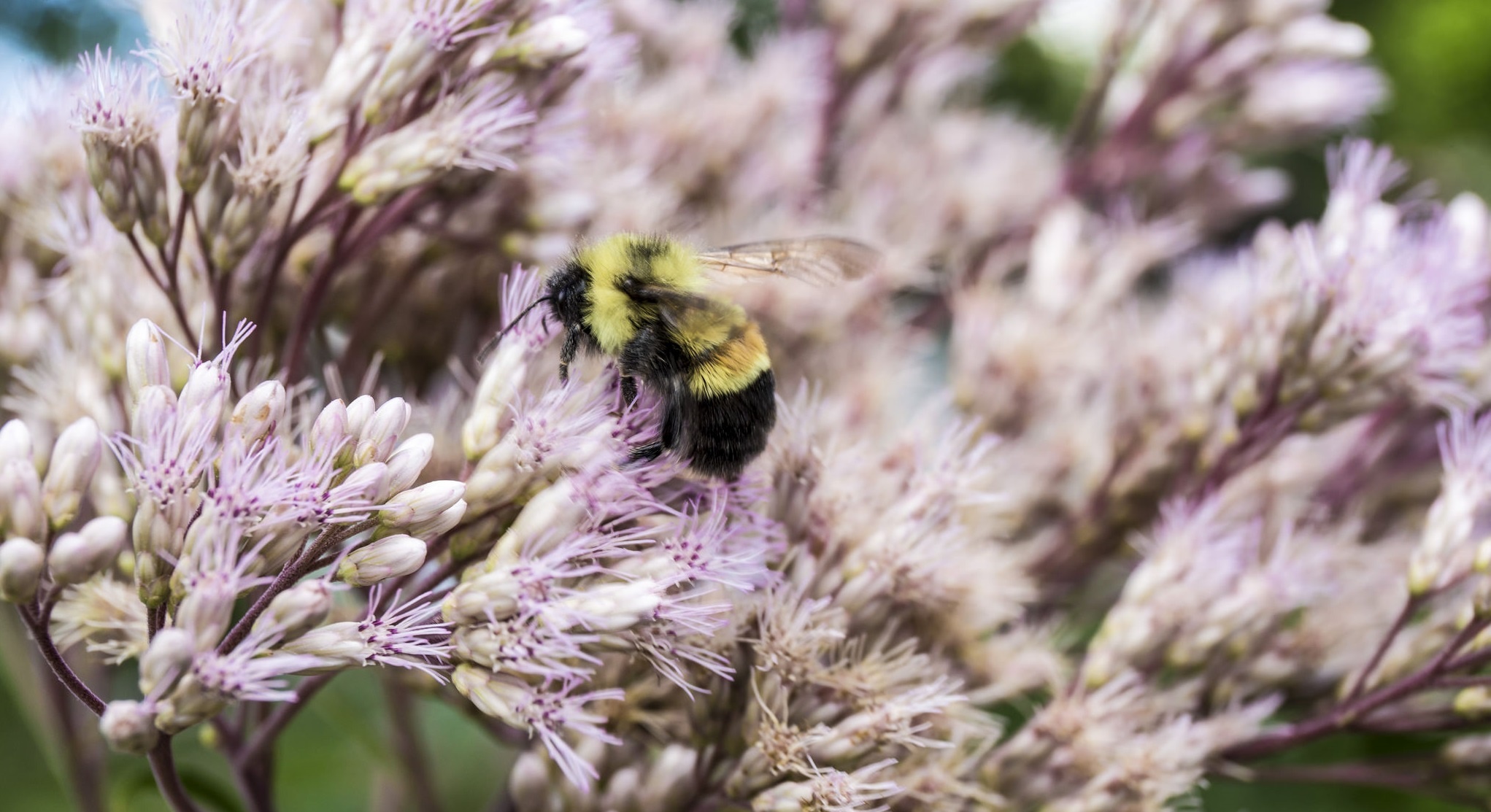
For the past three years, photographer Tony Ernst has seen rusty patched bumble bees in his garden, and every year he watches to see if they return. I’d like to … Read more
Garden Habitats
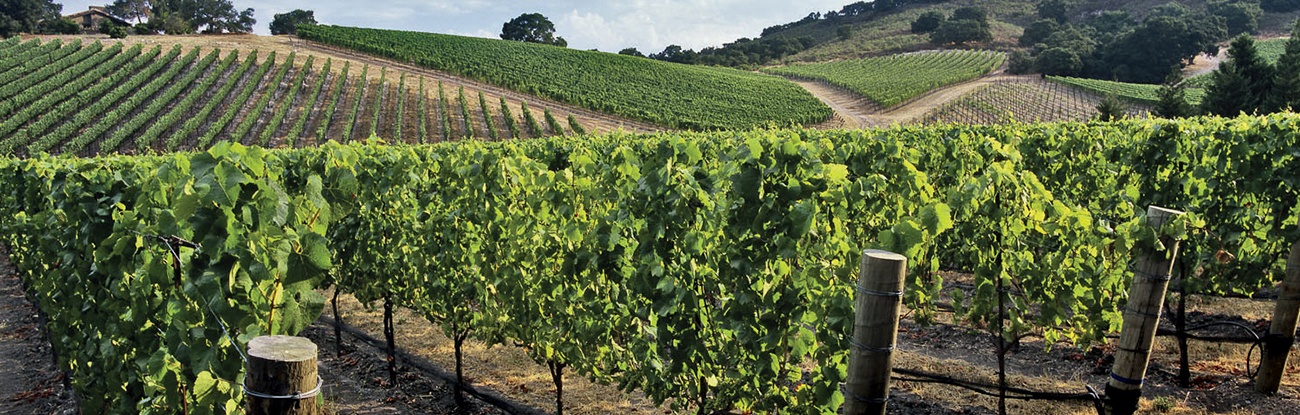
Cheers to Conservation
Earlier this year, we launched a new partnership with Laithwaite’s Wine to offer National Wildlife Federation members the opportunity to join the 4 Seasons wine club and support our conservation … Read more
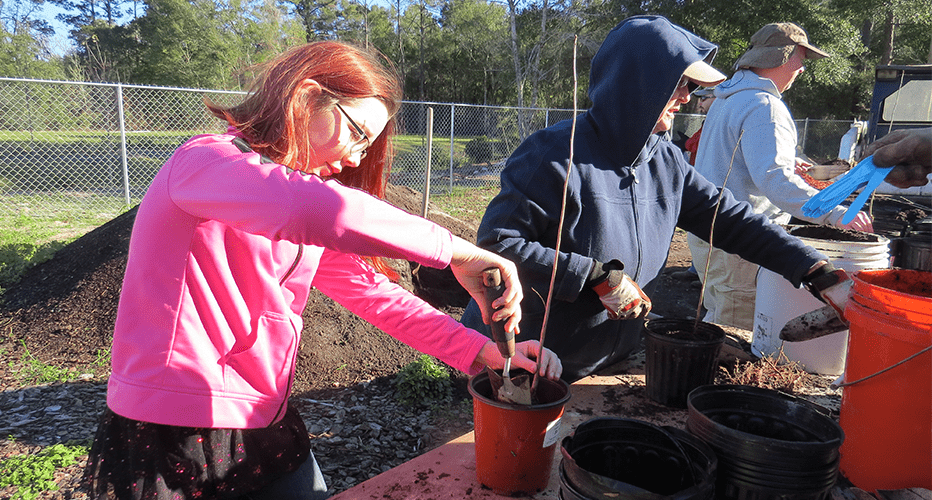
Giving A Community Trees for Wildlife
I contacted various organizations in North Florida near our office in Tallahassee, and the Iris Club of Wakulla County replied that they were eager to participate. Since 2004, the Iris … Read more
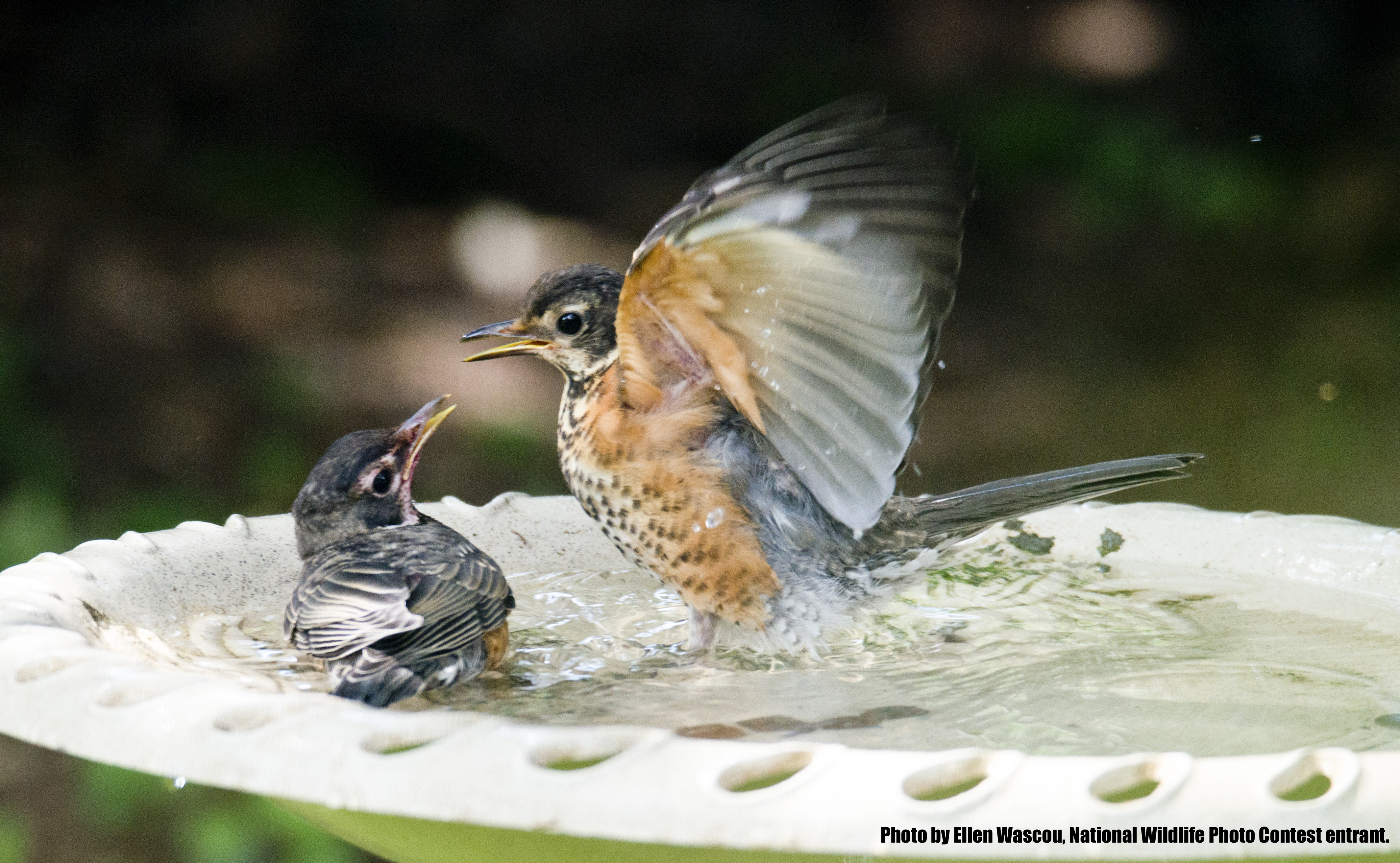
Four Ways to Provide Water for Birds
Providing water for drinking and bathing is a great way to attract beautiful and interesting birds to your yard. A clean water source is one of the components of habitat that all … Read more
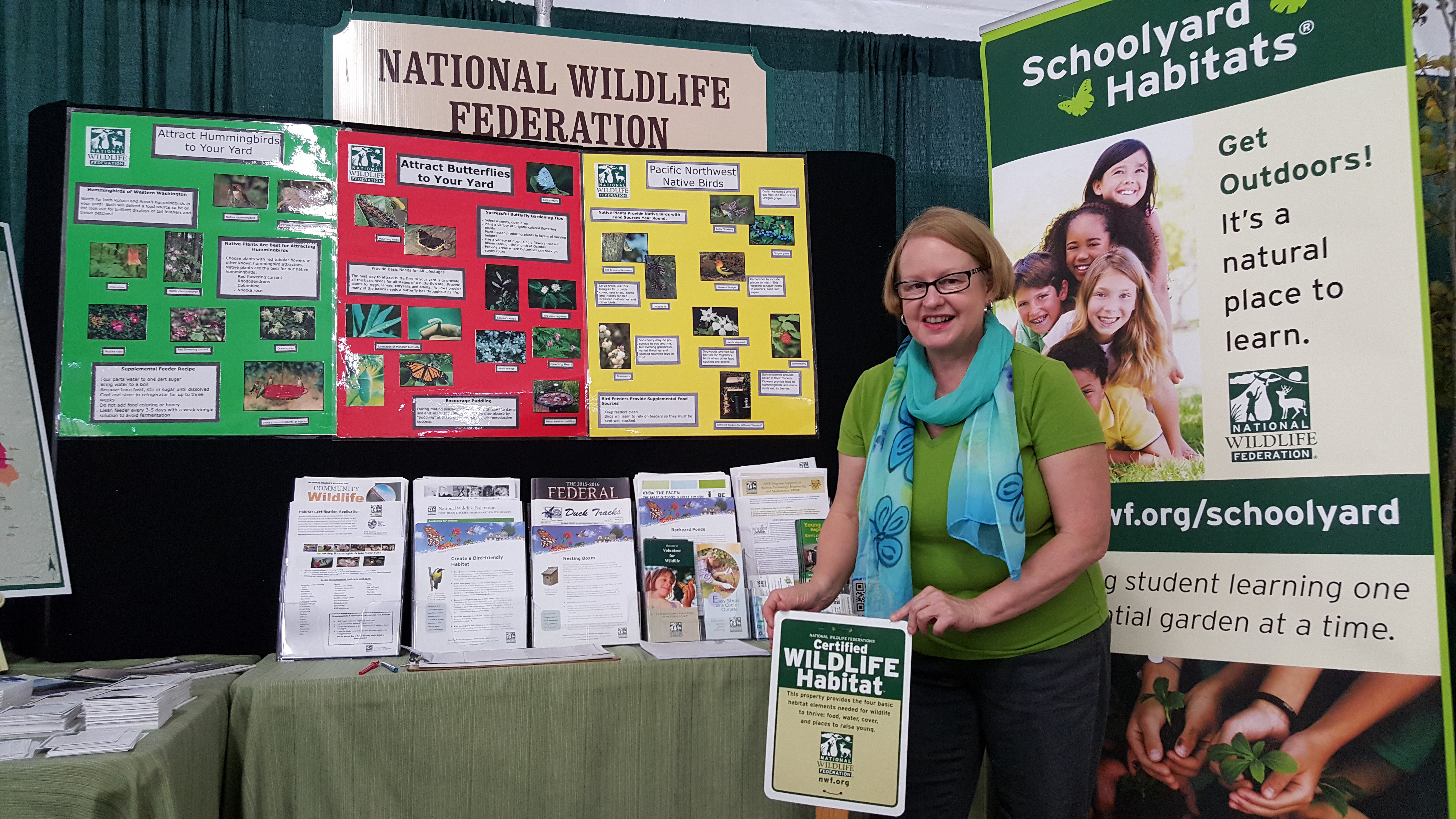
An Outstanding Habitat Steward
Grace has been an inspiration and mentor to the National Wildlife Federation’s Garden for Wildlife: Community Wildlife Habitat teams members in the Puget Sound region. Her city has even registered as … Read more
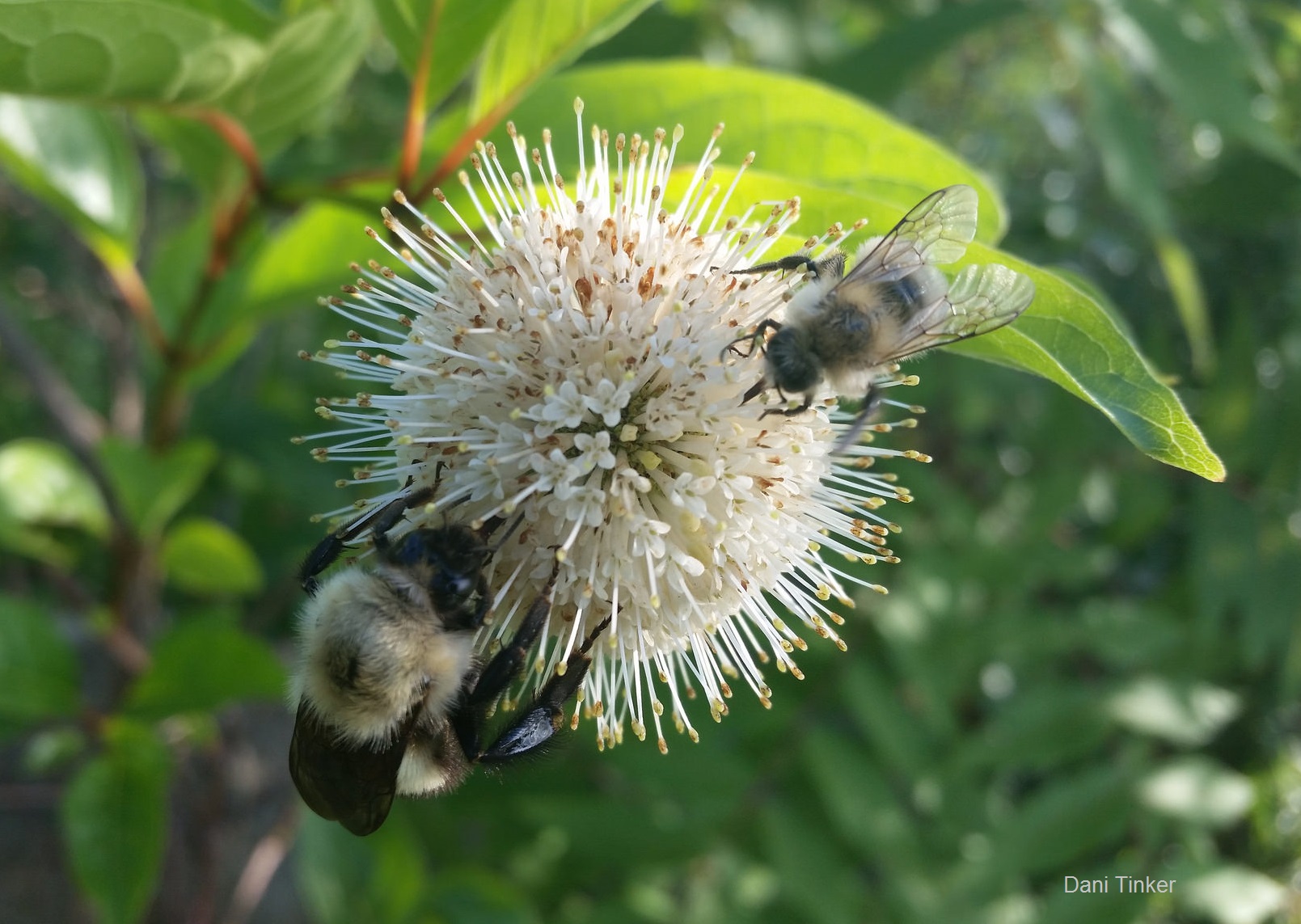
For Wild Bees, these Native Plants are Superstars
The following are eleven native plants that are superstars in helping wild, native bees survive and thrive! Plant one in your area today: Baby Blue Eyes Baby blue eyes (Nemophila … Read more
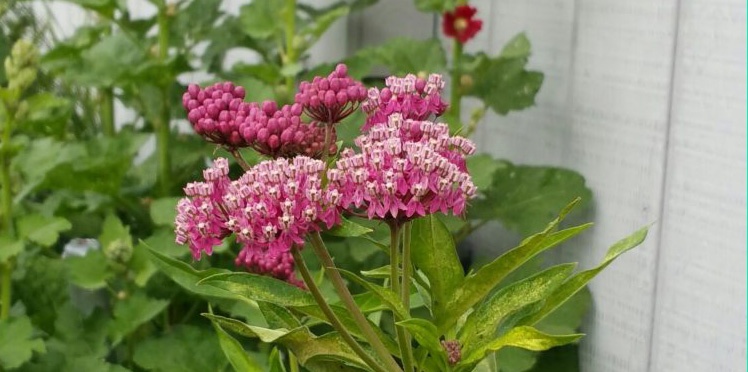
An Exemplary Garden for Wildlife
When we talk about gardening for wildlife, our focus is on creating habitat for birds, butterflies, amphibians and small mammals — not large and potentially dangerous or damaging species that are … Read more
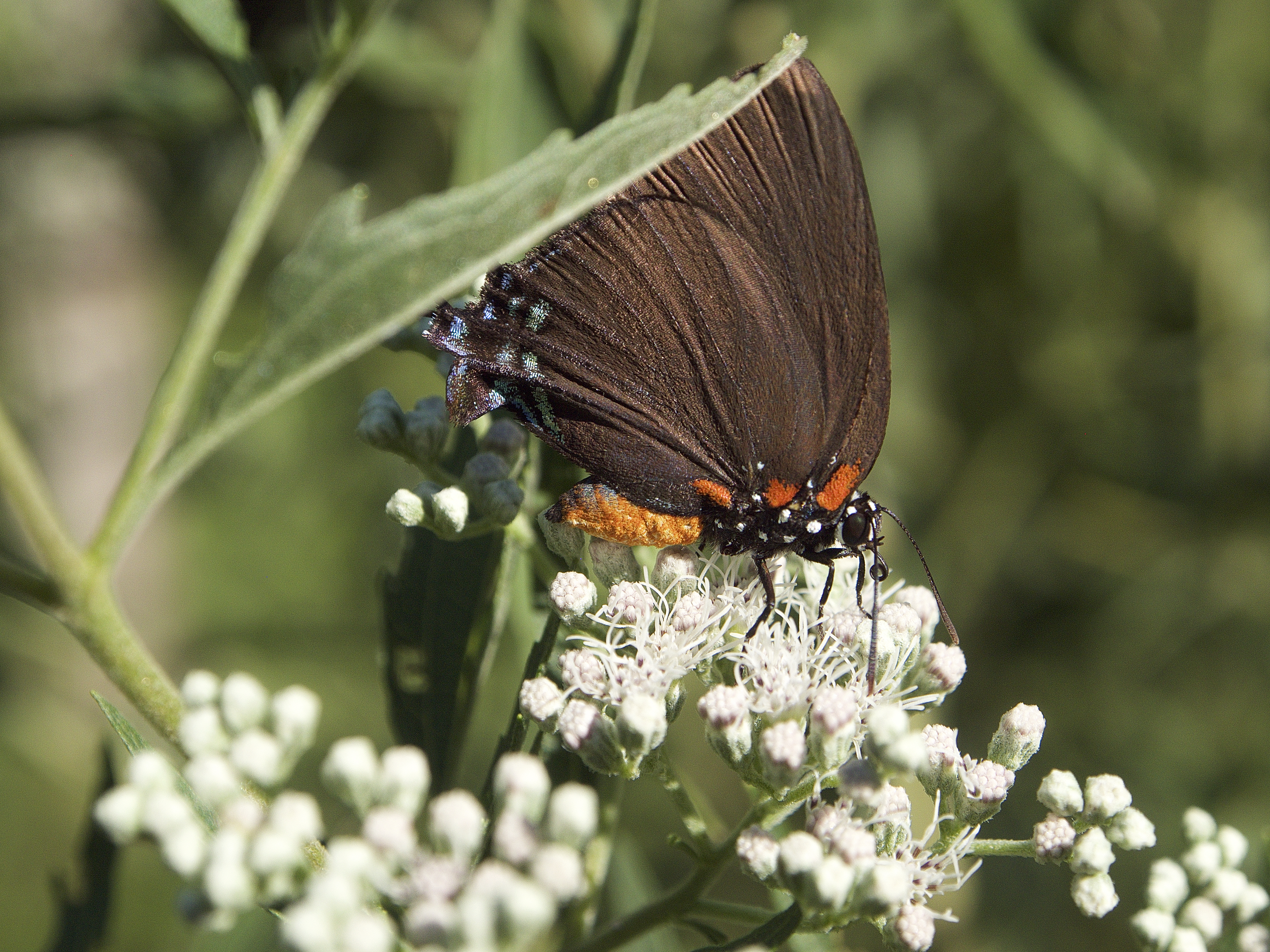
Late boneset: A fragrant late-summer pollinator favorite
Late boneset is a native plant, common in pastures, forest openings and along roadsides throughout the east and westward as far as Kansas. If you’ve ever done any bush hogging, … Read more
