













We have much more to do and your continued support is needed now more than ever.
Advanced Nuclear Energy: Impacts and Considerations

Sunset at the Cattenom nuclear power plant in France, one of the country’s largest. Credit: Matthieu Nioufs/Flickr
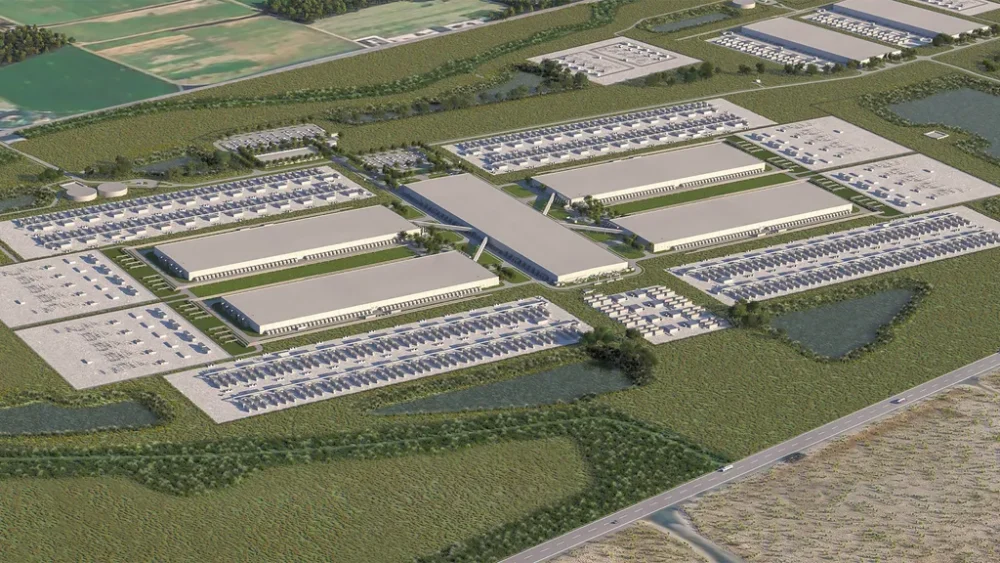
Energy demand in the United States is rapidly rising, and electricity use from data centers is growing just as quickly. By 2030, data centers are projected to consume more electricity than aluminum, steel, cement, and chemical production combined. Continued reliance on fossil fuels underscores the need for a more diversified and sustainable energy mix, and advanced nuclear energy is increasingly discussed as one potential solution.
Today, all 54 operating commercial nuclear power plants in the U.S. are conventional reactors, which provide approximately 19% of total annual electricity generation. Advanced nuclear technologies may offer improvements over these conventional designs.
What is Advanced Nuclear Energy?
Advanced nuclear energy is an umbrella term that refers to modern nuclear technologies and reactor designs still in development. These designs differ from conventional nuclear reactors through features such as enhanced safety systems, improved efficiency, smaller potential releases of radioactive materials in the event of an accident, and the ability to be manufactured in factories.
Despite these potential advantages, advanced nuclear energy still carries risks to lands, waters, and the health of people and wildlife.
The National Wildlife Federation’s report, Advanced Nuclear: Impacts and Considerations, provides a comprehensive analysis of advanced nuclear power in the U.S., including federal regulations and policies, as well as potential impacts on wildlife, Tribal Nations, and local communities.
Land Use and Water
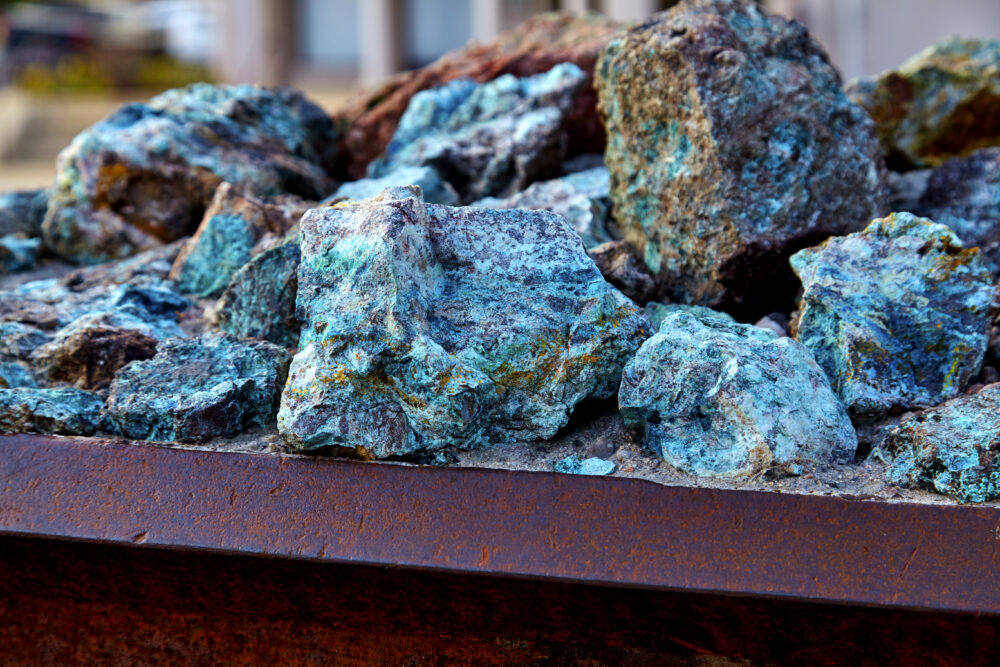
While advanced nuclear requires a smaller land footprint than many energy sources, impacts across the nuclear fuel cycle must still be considered. Uranium mining, fuel processing, and waste storage can fragment habitat and pollute nearby waterways. Elements associated with uranium, such as selenium, may leach into ecosystems and harm aquatic organisms.
Throughout the nuclear fuel cycle, processes such as uranium conversion, enrichment, deconversion, and fuel fabrication, as well as spent fuel transportation and waste management, can generate additional radiological waste streams.
Water is also critical for cooling nuclear reactors. Many advanced designs use closed-loop cooling systems where heated water becomes steam to spin turbines and generate electricity before being condensed and reused. Although these systems reduce water withdrawals compared with once-through cooling systems that don’t recycle water, contamination risks from fuel or waste entering nearby water sources remain a concern.
Wildlife
Nuclear energy development can pose multiple risks to wildlife across the fuel cycle. Uranium mining and milling may release hazardous pollutants, including heavy metals and radioactive elements, that contaminate nearby habitats and waterways, threatening fish, amphibians, and other aquatic species.
Pit lakes formed at uranium mines often contain highly toxic water, which can be fatal to wildlife. In addition, habitat fragmentation from mining and plant construction can disrupt migration routes, breeding areas, and foraging grounds.
While some impacts are smaller than those associated with fossil fuels or large-scale renewable installations, the cumulative effects on local ecosystems can be significant. Ongoing research is needed to better quantify the specific impacts of advanced nuclear facilities on terrestrial and aquatic species and to inform siting, design, and mitigation strategies.

Tribal Nations and Local Communities
The uranium mining industry has a long history of environmental harm, especially in western states and on Tribal lands. In 1979, a uranium mill dam collapsed on Navajo Nation land in Church Rock, New Mexico, releasing 93 million gallons of radioactive liquid and 1,100 tons of solid waste into the Puerco River, spreading contamination over 60 miles.
Nuclear fuel reprocessing facilities have historically faced more incidents than once-through reactors, including leaks at the UK’s Sellafield complex and worker exposure at Japan’s Rokkasho plant. Both high and low levels of radiation exposure can be harmful to humans, as high doses may cause acute effects like burns, hair loss, nausea, and organ damage, while long-term low-dose exposure can increase the risk of cancer, birth defects, or miscarriage.
Implementing reprocessing in the U.S. would require substantial investment, strong regulatory oversight, and careful engagement with affected communities to ensure public health concerns and risks are addressed and environmental safeguards are maintained.
Conclusions
Federal investment in advanced nuclear technologies is increasing. In 2025, the U.S. Department of Energy launched pilot programs to accelerate reactor development and strengthen domestic nuclear fuel supply chains, with hopes that projects will begin operating by July 2026. As industrial and political interest grows, continued research, oversight, and regulatory development will be critical. Policymakers must evaluate impacts across the entire nuclear fuel cycle to ensure environmental protection, wildlife conservation, and public safety.
