












We have much more to do and your continued support is needed now more than ever.
The New Policy That Will Lower Energy Bills
As electricity prices soar, the Energy Bills Relief Act offers households a break and more ways to access clean energy.
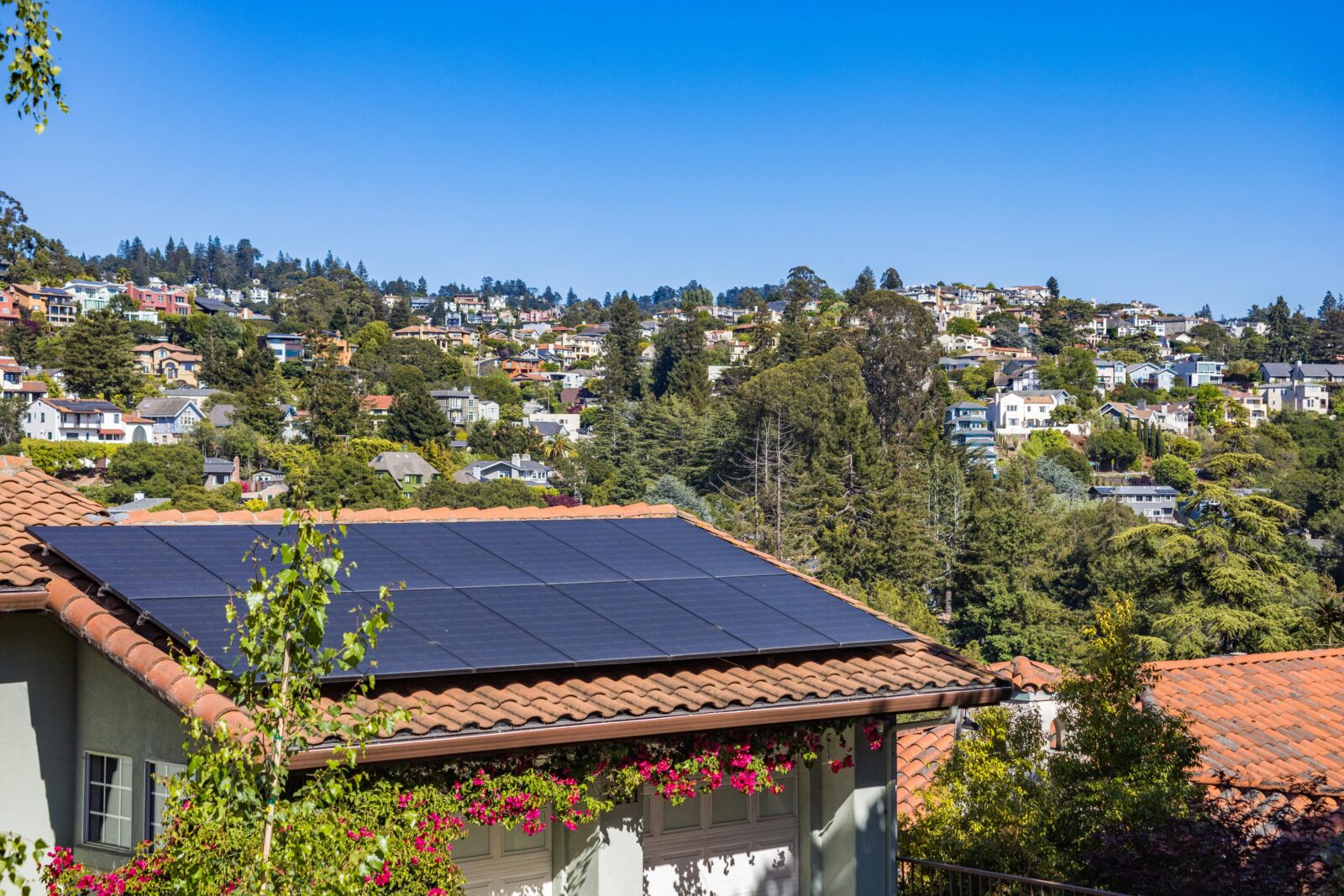
Rooftop solar. Credit: Robert So/Pexels
Across the country, families are experiencing rising electricity bills. In fact, you may be among the 1 in 3 households that struggles to pay their energy bills. Since 2021, home electricity costs have gone up almost 40 percent, with prices growing by 7 percent just last year. This increase is not only outpacing inflation, but also driving it. These rising costs are squeezing household budgets alongside increasing prices for gas, groceries, healthcare, and other necessities.
But why are prices rising? The short answer is supply and demand.
Economics 101: A Quick Refresher
Like concert tickets, prices are high when there is increased demand and limited supply.
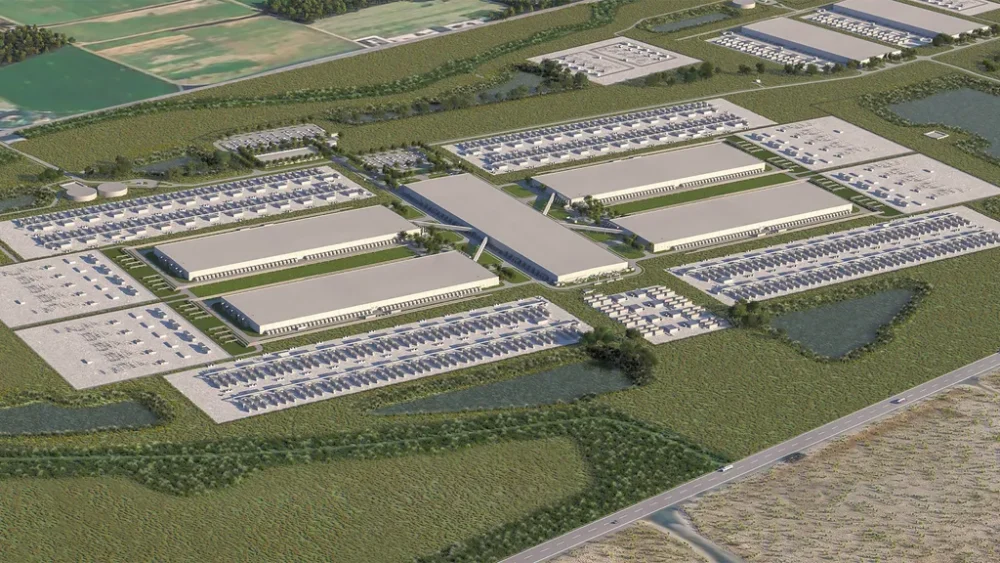
Energy prices are increasing because there is rising demand for electricity, in large part, from AI data centers. Plus, our outdated and aging energy grid was not built to handle this surging demand, creating bottlenecks that drive up electricity costs and delay new, low-cost clean energy sources from coming online. Recent analysis estimates grid load growth will increase by 25 percent by 2030 and more than 75 percent by 2050.
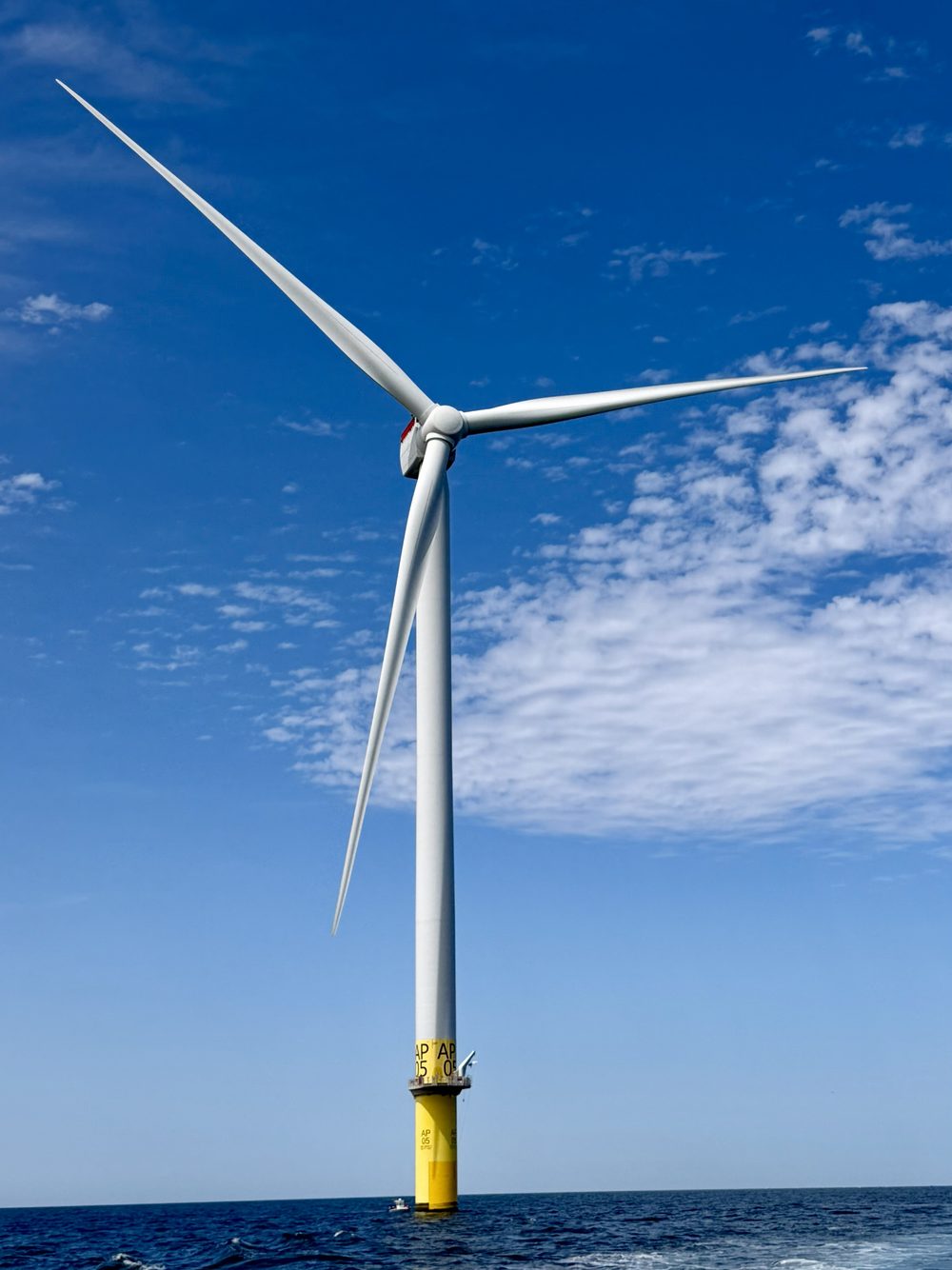
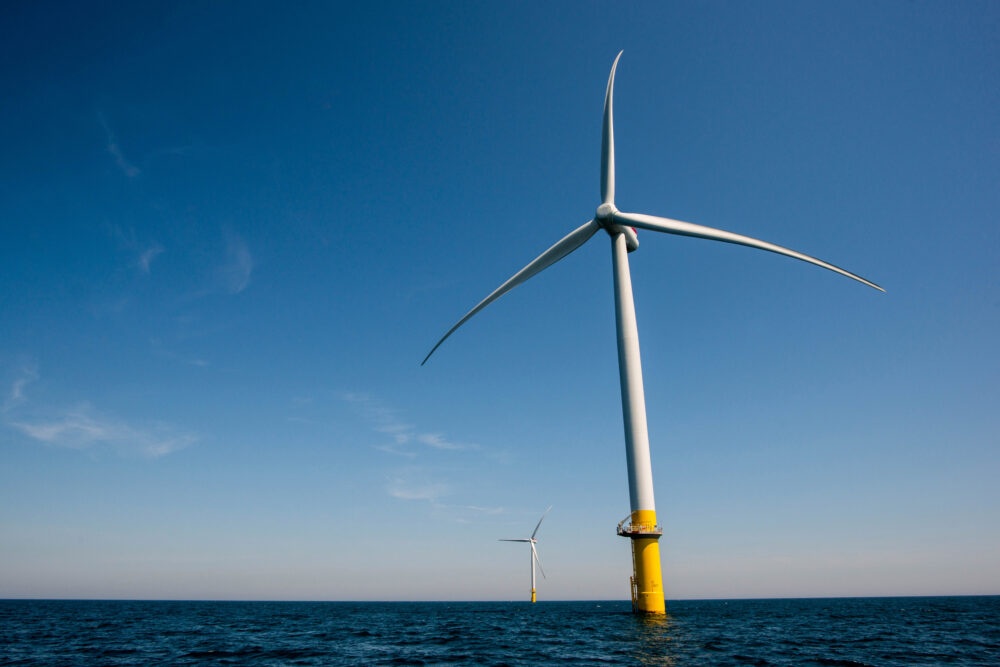
Responsible clean energy can help fill this gap and bring prices down. Over the past decade, the cost of wind and solar have dropped, making them more affordable than other sources of energy.
However, recent actions from the Trump administration are preventing Americans from accessing affordable, reliable energy. Some of those actions include halting clean energy projects, rolling back incentives that make household and small business clean energy and efficiency upgrades more affordable, and delaying funding for families that need help paying for heating and cooling.
At a time when prices are rising, we need to add more electricity to the grid, not less. And we already have the solutions to do so in a way that’s both friendly to our wallets and our environment.

The Energy Bills Relief Act
A proposal responding to rising electricity costs and renewable energy shortages is the Energy Bills Relief Act (EBRA). EBRA was introduced by Representatives Sean Casten (D-IL-06) and Mike Levin (D-CA-49) earlier this year and aims to deploy responsible clean energy, lower energy bills for households, and reduce barriers for connecting cheaper energy to the grid.
The legislation spurs clean energy deployment by restoring tax incentives from the Inflation Reduction Act (IRA) adopted in the previous Congress and Administration—which were weakened or prematurely ended by the One Big Beautiful Bill Act.
These tax credits make it cheaper to generate electricity and manufacture the technologies in America, while prioritizing job growth and investment in certain communities affected the most by the transition away from fossil fuels. EBRA also reinstates grants given to low-income and disadvantaged communities for affordable, clean energy solutions.
EBRA would also lower energy bills for households by supporting and expanding programs like the Low Income Home Energy Assistance Program (LIHEAP), which increases access to heating and cooling assistance, and the Rural Energy Savings Program that helps consumers make their home or business more energy efficient.
Finally, EBRA tackles some of the challenges clean energy technologies face in connecting to the electric grid, including making it easier to use rooftop and community solar, increasing staffing at state public utility commissions (i.e., entities that regulate utility rates and services), and more fairly distributing costs from grid updates.
While EBRA offers needed policy solutions to help American households and a bold vision for furthering the clean energy transition, there are a few areas of improvement from a conservation perspective. Namely, to alleviate development pressure in important natural areas called “greenfields,” the bill could encourage deployment of responsible clean energy in existing energy corridors and on degraded lands, including brownfields, former mine lands, and contaminated agricultural areas.
It is also important that any energy policy proposal has strong safeguards for wildlife, public lands, and the communities that rely on them, such as using the mitigation hierarchy in siting and permitting, incorporating protections for sensitive wildlife habitats, and aligning with State Wildlife Action Plans.
EBRA is a step in the right direction and will improve our energy system by making it easier for affordable, healthier clean energy to be connected to the grid quickly.The National Wildlife Federation urges Congress to pass this legislation and to further strengthen it with robust protection and conservation measures for our wildlife and habitats.
Support for Clean Energy
We already have the solutions to lower energy bills while cleaning up pollution associated with fossil-fuel use. Clean energy is the cheapest form of energy and provides reliable, affordable energy to everyone. What we need is political will that prioritizes the health and wellbeing of people and wildlife.
