





We have much more to do and your continued support is needed now more than ever.
Why Neglecting the Great Northwoods Threatens Michigan’s Businesses

John Mueller in front of the Keweenaw Mountain Lodge’s historic wilderness golf course. Credit: Shelby Flores
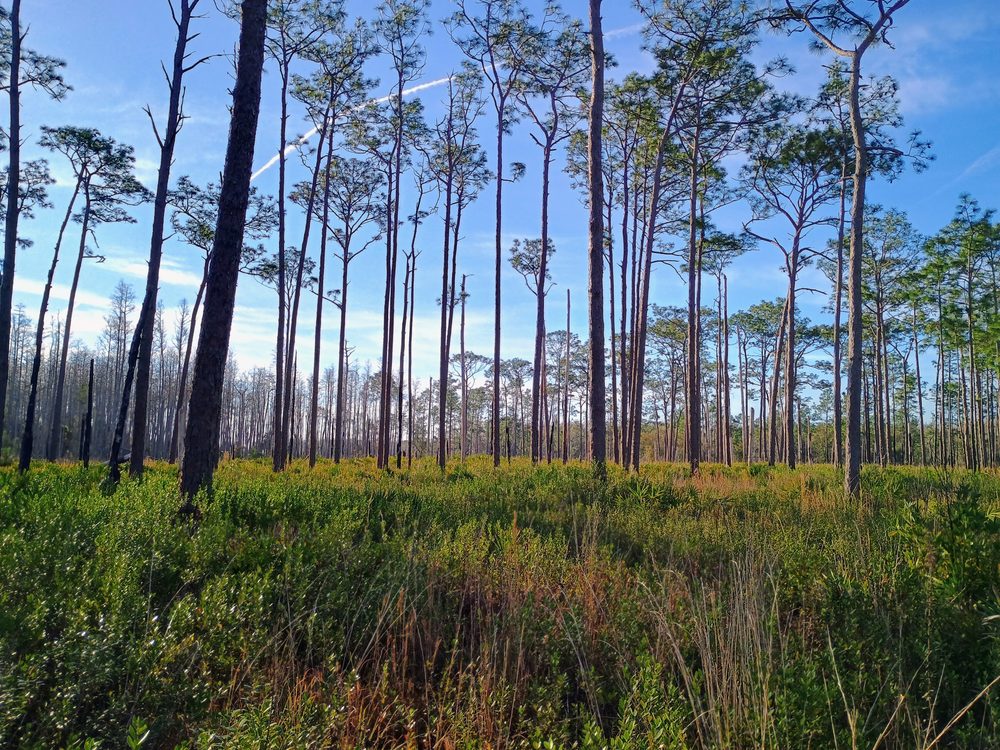
John Mueller has owned the Keweenaw Mountain Lodge since 2018. This property, built in 1934 on Michigan’s Keweenaw Peninsula, resides in the Great Northwoods—more than 60 million acres of pure, intact forests spanning Michigan, Wisconsin, and Minnesota. These woods are a recreational haven, and the Lodge is at the heart; it serves as a rustic home base for those desiring the serenity of the Northwoods.
“There’s not a lot of places in the lower 48 where you have natural and raw anymore, so people can [basically] compare the Keweenaw to Alaska,” says Mueller.
The Lodge, a member of the Great Lakes Business Network (GLBN), makes the most of this by providing an abundance of opportunities for guests, from mountain biking to birdwatching to cross-country skiing to moonlit snowshoe hikes. Lucky trailblazers may hear wolves and coyotes howl, find the scat of hiding bears, or see bald eagles.
But the woods aren’t the only feature drawing people from around the globe.
Lake Superior, one of the five Great Lakes, surrounds Keweenaw Peninsula. The pristine waters offer visitors the opportunity to explore dramatic coastlines and revel in activities like kayaking, boating, and shipwreck diving. Between that and nourishing the Great Northwoods, “it provides that natural diversity that the area really thrives off of,” as Mueller notes.
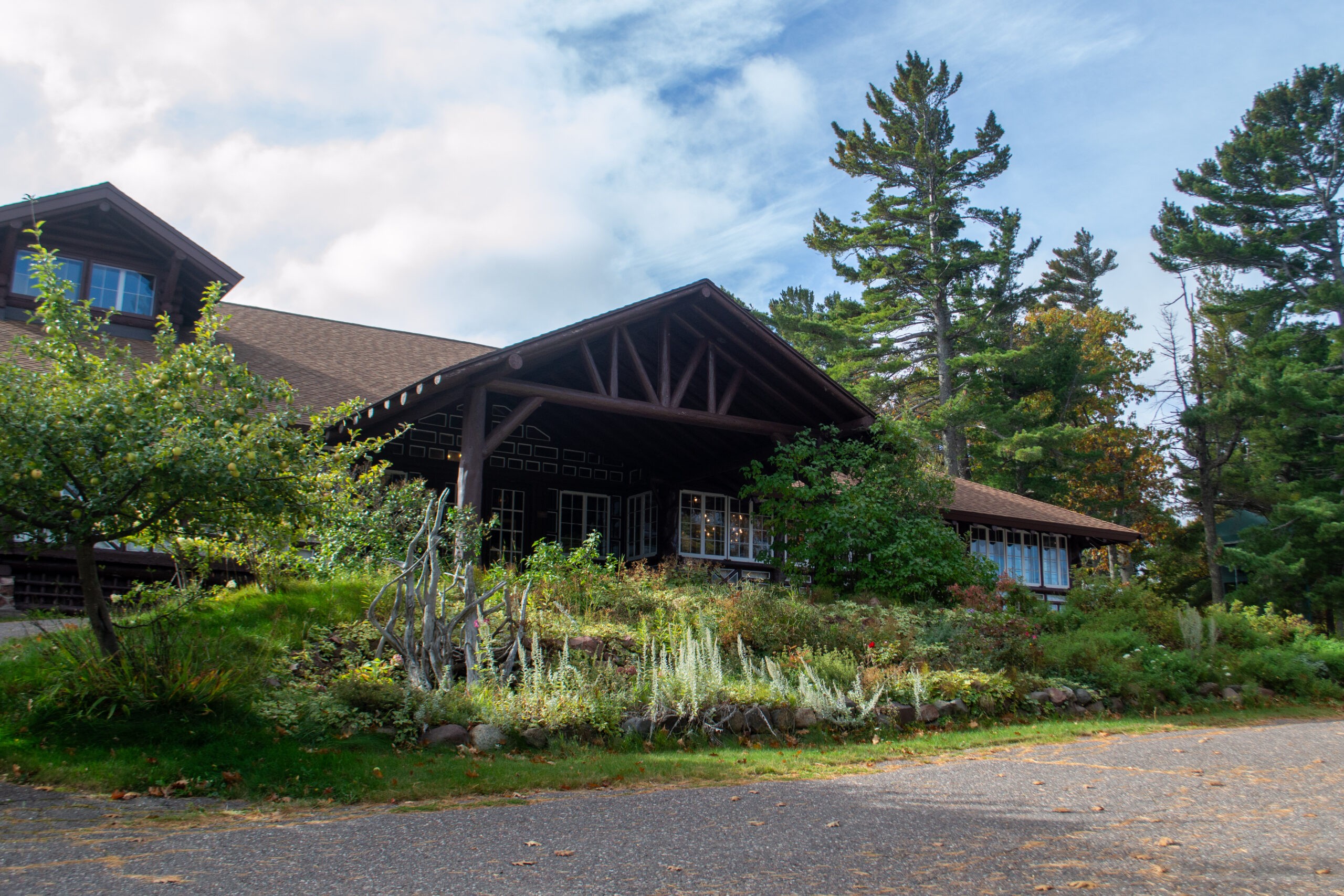

The Keweenaw Mountain Lodge is one of many businesses whose livelihoods are tied to the health and well-being of the Northwoods.
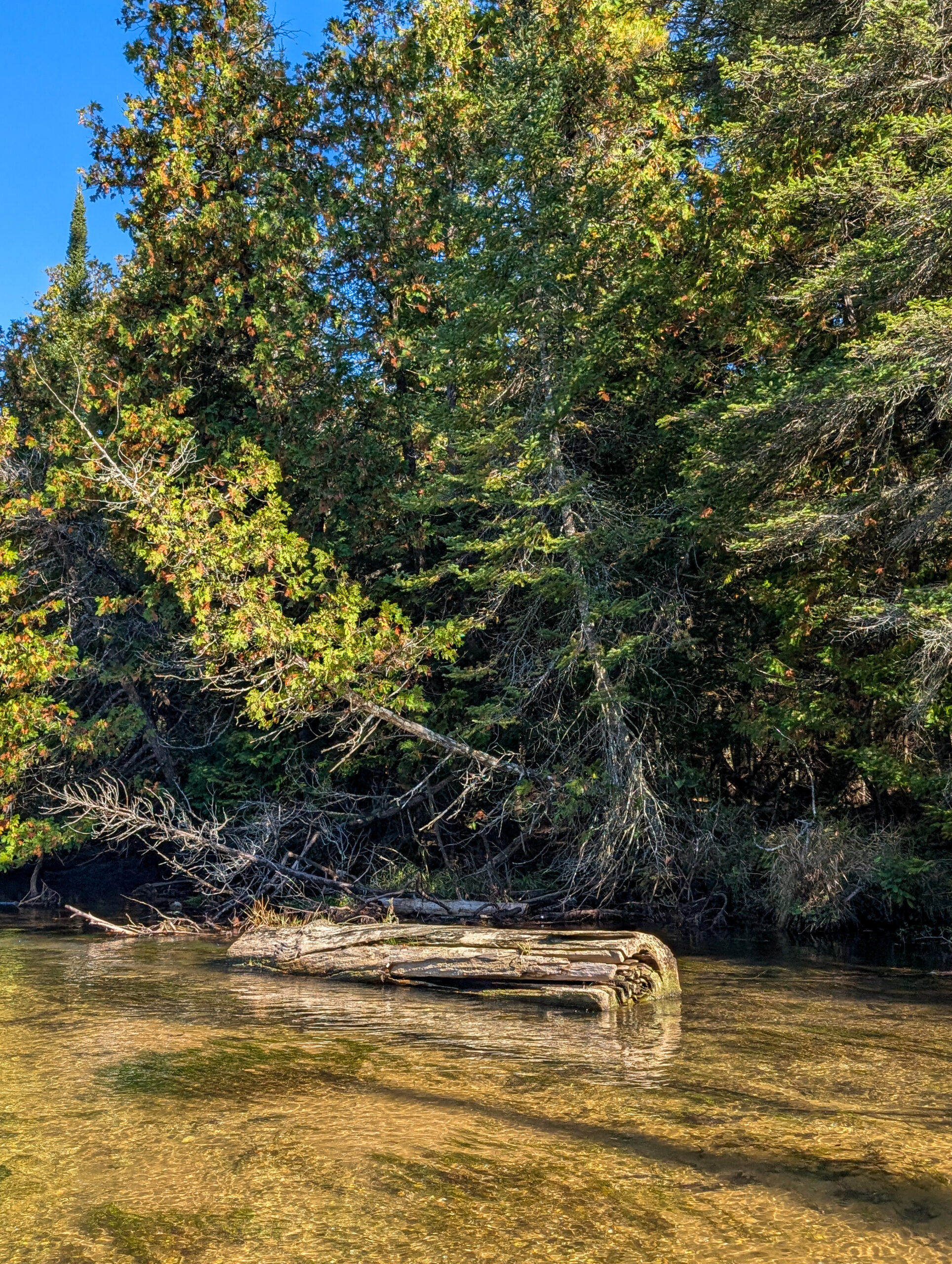
Further south, Brian “Koz” Kozminski, owner of True North Trout and GLBN member, leads regular flyfishing tours on the Jordan and Manistee Rivers of Northern Michigan, with the occasional float down the Pidge, Black, and Sturgeon Rivers.
Michigan has more miles of rivers and lakes to fly fish than anywhere in the United States. This has led to many renowned magazines naming Michigan the best fly-fishing state, making businesses like True North Trout highly sought after.
However, these guided tours aren’t just about fishing. The hours on the water navigating fallen logs, spotting native fish species, and taking in the ambiance are just as powerful. Kozminski says they almost always see deer and birds, but sometimes the occasional river otter or beaver will be out during the tours as well.
He adds, “I think when people take a day out of their 365 days to spend time on the water, they’re not connected to their phones, they’re disconnecting from all the internet and social media, they’re getting a chance to [decompress], and they see things that you don’t normally see. . . . There’s something about being connected to water that gives us the ability to defrag our brains.”
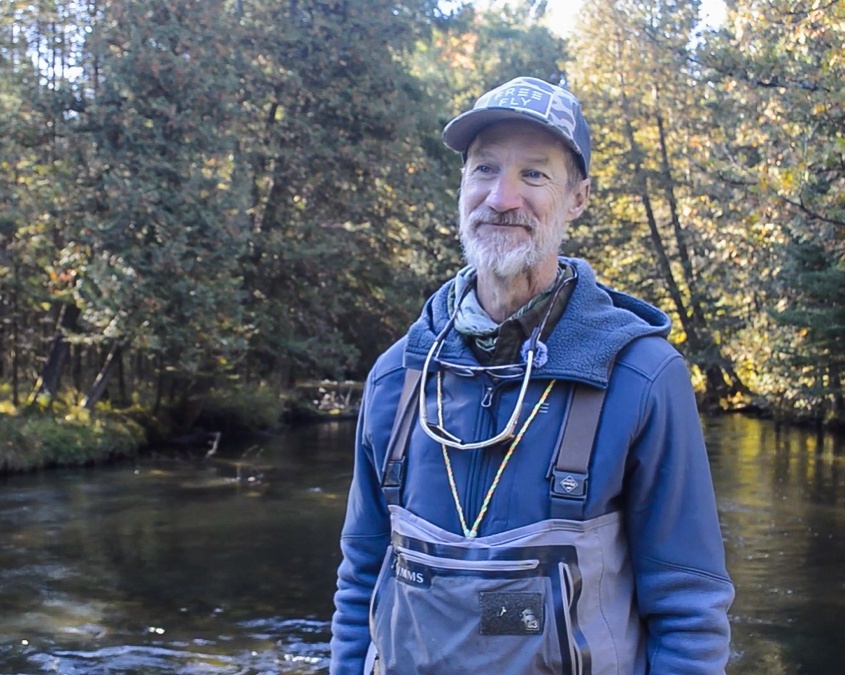
Unfortunately, the Great Northwoods, like many forests across the globe, are at risk.
“There’s so many aspects in the outdoor industry that are being threatened,” says Kozminski. “You know we’re trying to sell all these public lands, we’re opening up roadless areas to ORVs and these pristine places—public land, and access for us to hunt, fish, birdwatch, canoe, whatever it is we do—are very few and sacred, and we need to protect those places. We don’t need to flatten everything and make a parking lot and put a [superstore] there. Some places need to be left alone so we have places to escape and recharge our serenity.”
Then there’s climate change, with warmer, drier conditions drying out aquifers and raising water temperatures. For Kozminski, this means an increase in “Hoot-Owl” restrictions—fishing regulations meant to protect fish from extra stress during periods of high-water temperatures in streams and rivers. Hotter water means less oxygen in the water, which is fatal to fish.
Fewer rivers to fish on means more fishers per river. This puts pressure on the limited number of rivers without restrictions, straining not only the environment and tarnishing the guest experience. After all, when you’re going fishing, you’re likely seeking that peace you get when on the water. And when guests aren’t happy, businesses struggle.

While warm temperatures threaten water-oriented companies like True North Trout, increased wildfires and shifts in weather patterns threaten forest-oriented businesses like Keweenaw Mountain Lodge.
“When people are coming up and looking at the dark skies, we want the clean air,” says Mueller. “[The smoke from the Canadian wildfires] takes away from the natural aspect of things, because that isn’t necessarily natural.”
Mueller notes that, historically, wildfires have been necessary to maintain balance in the ecosystem. But now, “Wildfires are burning a little bit differently. They’re burning warmer [and] hotter, and it’s a different burn than what you want.”
It’s up to us to protect the Great Northwoods from these destructive forces. Because if we don’t tend to these wild places, business owners like Mueller and Kozminski won’t have a pristine environment in which to immerse their guests.
The heart and soul of businesses like True North Trout and Keweenaw Mountain Lodge is the closeness to nature. If they can’t do that, what does that say for the Great Northwood’s larger outdoor recreation industry?
To get involved, visit our website!
