

















We have much more to do and your continued support is needed now more than ever.
What Repealing the Public Lands Rule Means for America’s Wildlife and Public Lands

Credit: Chad J. Stokes
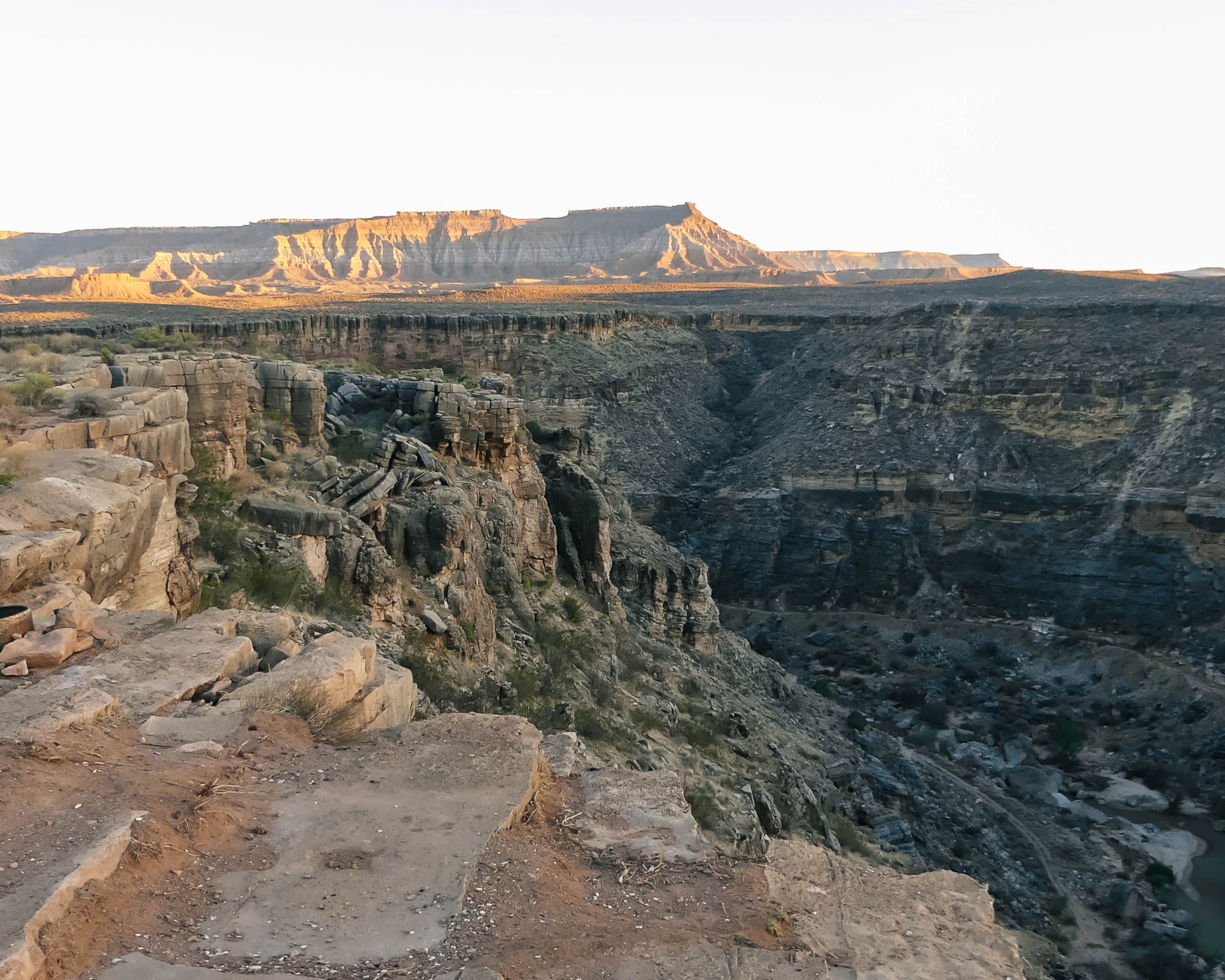
In 2024, the Bureau of Land Management finalized a Public Lands Rule (also called the Conservation & Landscape Health Rule) designed to improve the stewardship of public lands by putting conservation on par with other uses. The Bureau of Land Management (BLM) manages more than 245 million acres of public land for many purposes, including fish and wildlife habitat, cultural resources, to exercise Tribal treaty rights, recreational opportunities, grazing, and energy needs.
Over the years, however, these lands have been degraded by drought, development, wildfire, and invasive species. The Public Lands Rule was designed to conserve and restore these lands so they could support multiple uses and thrive for future generations.
This week, the BLM announced it would fully repeal the 2024 Public Lands Rule, and return to the regulations that guided BLM land management prior to 2024. Below is a side-by-side comparison of what the 2024 Public Lands Rule outlined and what the 2026 rescission does.
What this means for wildlife, public lands, and the people that rely on both will be decided in the coming months and years. The National Wildlife Federation will continue to work diligently to ensure this, and future administrations understand the importance of conservation on public lands to our wildlife, water, air, and the people that depend on all three.
Core Management Philosophy
- 2024 Rule: Aimed to prioritize the health and resilience of ecosystems across all BLM-managed lands. It established a policy to protect intact landscapes, restore degraded habitats, and make management decisions based on science and data to support the BLM’s multiple-use mission.
- 2026 Rescission: Rejects the 2024 approach, arguing that it inappropriately elevated conservation as a discrete “use” of public lands, which the BLM now states is contrary to FLPMA’s intent. The 2026 Rule is a deregulatory action intended to “restore balance” by prioritizing uses like grazing, mining, and energy development.
Areas of Critical Environmental Concern
- 2024 Rule: Revised ACEC regulations to prioritize the designation and protection of these areas. It introduced a “presumption in favor of designation” and allowed for “temporary management” to protect nominated areas before a final planning decision was made.
- 2026 Rescission: Eliminates the 2024 updates and restores the 1983 framework. The BLM argues the 2024 provisions were “regulatory overreach” that could lead to overly broad designations. BLM claims the restored 1983 regulations ensure designations are site-specific and integrated into land use planning without interim management of nominated areas.
Restoration and Mitigation Leasing
- 2024 Rule: Codified a new tool allowing third parties to obtain leases for the express purpose of restoration or mitigation. These leases were intended to provide a framework for proactive conservation and climate resilience.
- 2026 Rescission: Wholly eliminates restoration and mitigation leasing. The BLM determined these leases were unnecessary, lacked clarity, and exceeded the agency’s statutory authority. The rescission rule claims such leases threatened to crowd out productive land uses and that existing tools are sufficient for conservation.
Land Health Standards
- 2024 Rule: Expanded the application of Land Health Standards to all BLM-managed public lands and uses, not just grazing. It also introduced rigid timelines and procedural requirements for land health evaluations.
- 2026 Rescission: Rescinds the broad application of Land Health Standards, returning them to the grazing-specific framework that existed prior to 2024. The BLM argues the 2024 requirements were “counterproductive burdens” that hamstrung the bureau with fixed deadlines. BLM notes that it is considering whether to refine Land Health Standard development and application in separate rulemaking and will consider comments raised in this rulemaking as part of that effort.
Monitoring and Data
- 2024 Rule: Provided an overarching framework for standardized data collection, annual reporting, and public access to land health data to promote transparency.
- 2026 Rescission: Removes these regulatory requirements, asserting that the BLM can maintain its monitoring functions through the Assessment, Inventory, and Monitoring program without the “administrative burdens” of the 2024 Rule.

Economic and Policy Priorities
- 2024 Rule: Focused on long-term sustainability and ecosystem services, arguing that healthy landscapes support outdoor recreation and local economies.
- 2026 Rescission: Prioritizes national energy policy and the removal of “regulatory burdens” that impede planning and permitting. It aligns with executive orders focused on “Unleashing American Energy” and “Achieving Prosperity through Deregulation”.
Tribal Engagement in Public land Management
- 2024 Rule: Included explicit provisions related to engagement with Tribes and provided a regulatory definition for the term “Indigenous Knowledge” to be used in decision-making.
- 2026 Rescission: Removes the 2024 provisions regarding tribal engagement and the definition of Indigenous Knowledge. The BLM states this removal is necessary because the processes these provisions were attached to are also being rescinded. BLM also asserts that rescinding the 2024 Rule does not imply a change in commitment to consult with Tribes. Instead, it says the agency will rely on other existing laws and policies that require consultation for site-specific planning and implementation decisions. BLM also says that Tribes maintain the ability to request consultation on future planning decisions regardless of this recission. NWF remains committed to ensuring that BLM engages in meaningful consultation with Tribes, and considers Indigenous Knowledge in its decision-making.
