







We have much more to do and your continued support is needed now more than ever.
Oceans are the Heart of the Planet
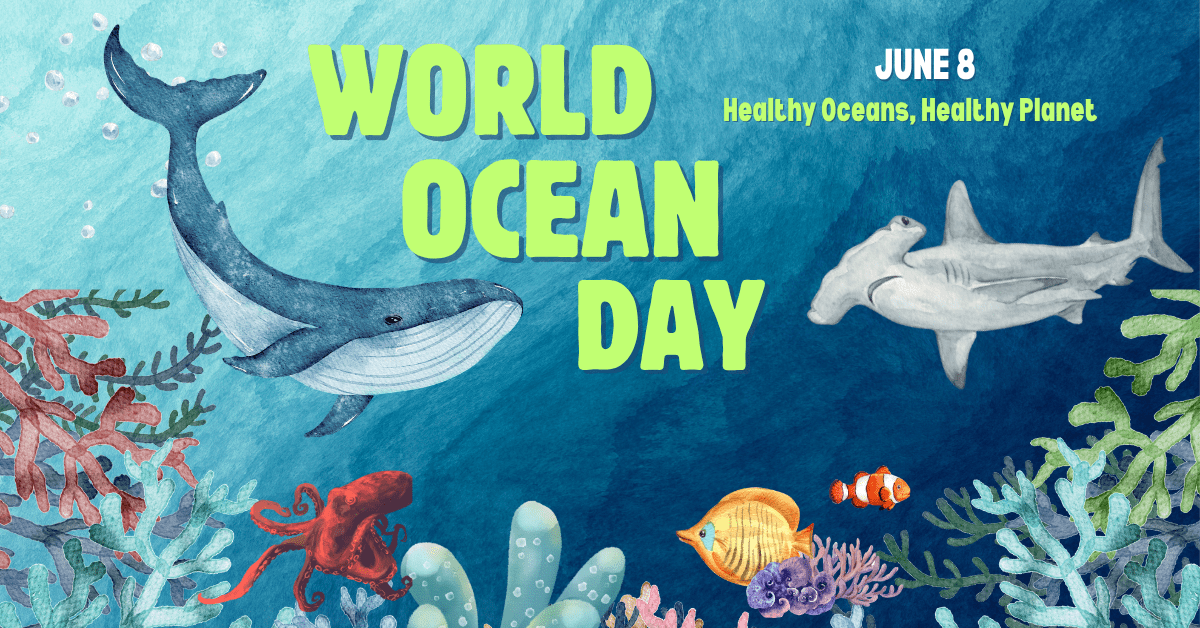
World Ocean Day is on June 8. Take time this year to learn how oceans provide vital support for living creatures, humans and wildlife.
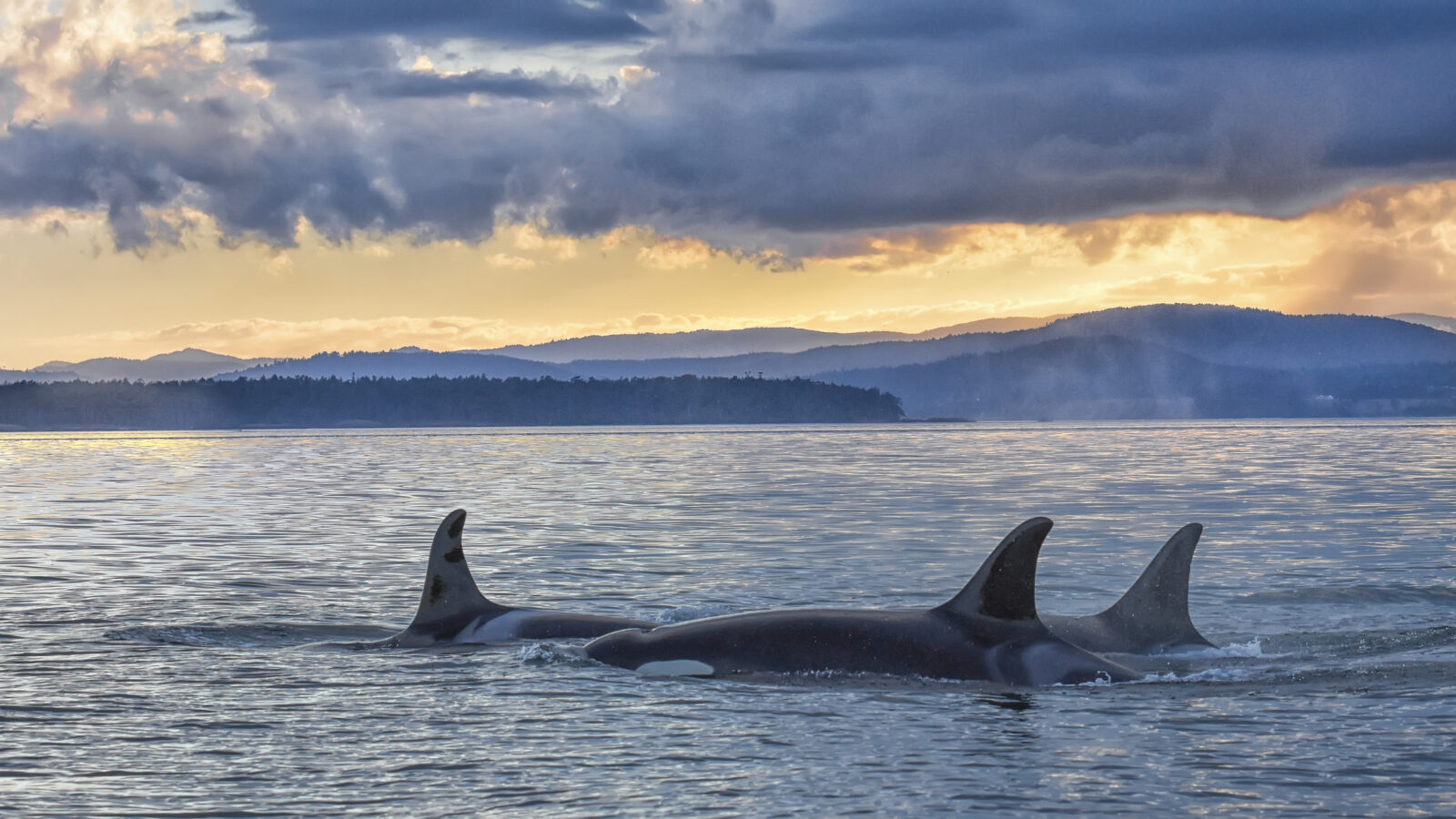
Orca whales. Credit: Heather MacIntyre
Oceans are much more than just a major element of the world’s natural environment. They are essential to all life and humans’ progress can be directly linked in some way to the overwhelming presence and impact of oceans throughout the world. History reflects that they have figured in the spread of humanity around the world by facilitating the development and protection of societies and cultures, while concurrently providing unending employment, food resources, business possibilities and recreation options. Yet despite this reality oceans remain for many a big unknown. Oceans are taken for granted.
Oceans may be an ancient feature of our world, but they remain an exploration and research frontier to this day. Let’s look at what we may not know about oceans or what we may have forgotten and think about what we can do and support as individuals to advance the cause of a healthy and viable global ocean environment for both humans and wildlife.
Did you know?
- Oceans cover about 71 percent of the earth’s surface.
- There are five geographical oceans: Atlantic, Arctic, Pacific, Indian and Southern (Antarctic).
- About half of the Earth’s oxygen comes from the oceans.
- Oceans are home to more than 200,000 marine wildlife species (and possibly up to more than 1 million that have yet to be discovered).
- Ocean invertebrates produce more antibiotic, anti-cancer, and anti-inflammatory substances than any group of terrestrial organisms.
- The U.S. ocean economy alone produces approximately $282 billion in goods and services.
What the Ocean Provides
Fisheries and Recreation
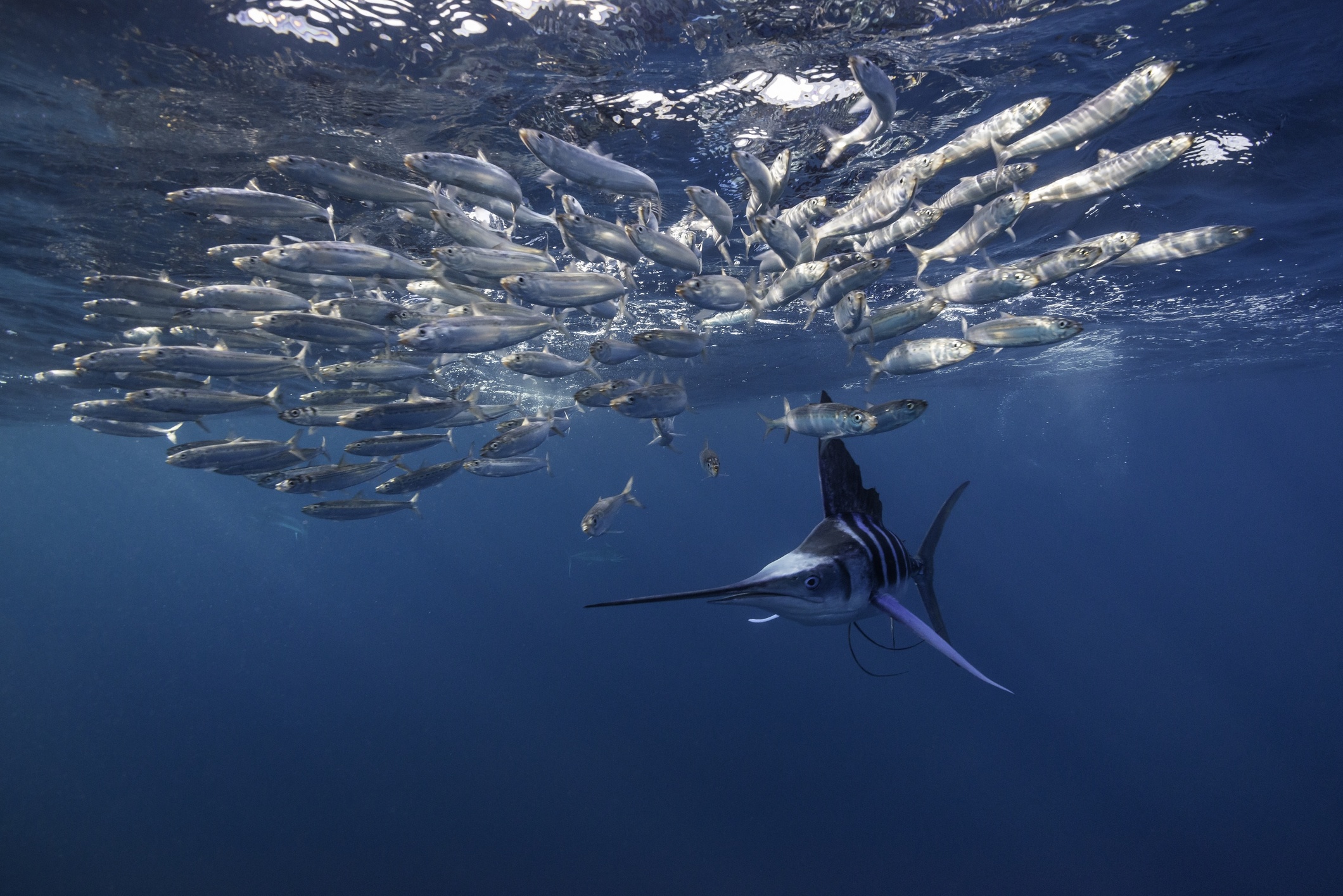
The U.S. ocean economy produces about $282 billion in goods and services and employs close to three million people (through businesses such as marine transportation, fisheries, coastal tourism, etc.). A few of the top commercial fisheries are American lobster, Alaska snow crab, Atlantic salmon and Alaska pollock.

Latrunculid sponges are found in the deep sea off the coast of Alaska. According to the National Institutes of Health (NIH), these sponges “are recognized as the major reservoirs of diverse types of pyrroloiminoquinone-type alkaloids, with a myriad of biological activities, in particular, cytotoxicity, fueling their exploration for anticancer drug discovery.” (cytotoxicity is the capacity of a substance or agent to cause damage or death to living cells, and in this case, cancer cells).
Oxygen
About half of the planet’s oxygen comes from the ocean. And most of this production is from plankton; one particular species called Prochlorococcus—it’s the smallest photosynthetic organism on Earth. It’s important to note that marine life consumes a significant portion of the oxygen that comes from the ocean—it’s essentially a closed ecosystem.
Medicine
According to NOAA, “many medicinal products come from the ocean, including ingredients that help fight cancer, arthritis, Alzheimer’s disease, and heart disease.” Specifically, ocean invertebrates produce more antibiotic, anti-cancer, and anti-inflammatory substances than any group of terrestrial organisms! To address the threat of depleting natural resources, scientists often create synthetic copies of essential marine compounds in labs.
Carbon Sequestration
The ocean acts as a “carbon sink” and absorbs about 31 percent of the carbon dioxide (CO2) emissions released into the atmosphere, according to a NOAA study. Carbon sequestration is critical for mitigating climate change by capturing and storing atmospheric CO2, however the continued increase in CO2 in the ocean causes ocean acidification, which is a threat to marine life.
Threats to Our Oceans
The ocean provides essential services to help humans thrive, however, many of these “ecosystem services” are causing long-lasting, harmful impacts to marine ecosystems.
Habitat Loss
Coastal Development
Uncontrolled, poorly cited or improperly located or improperly managed coastal development such as sea walls, marinas, hotels, and other structures can cause harm to a variety of wildlife that depend on coastal habitats.
Impacted wildlife
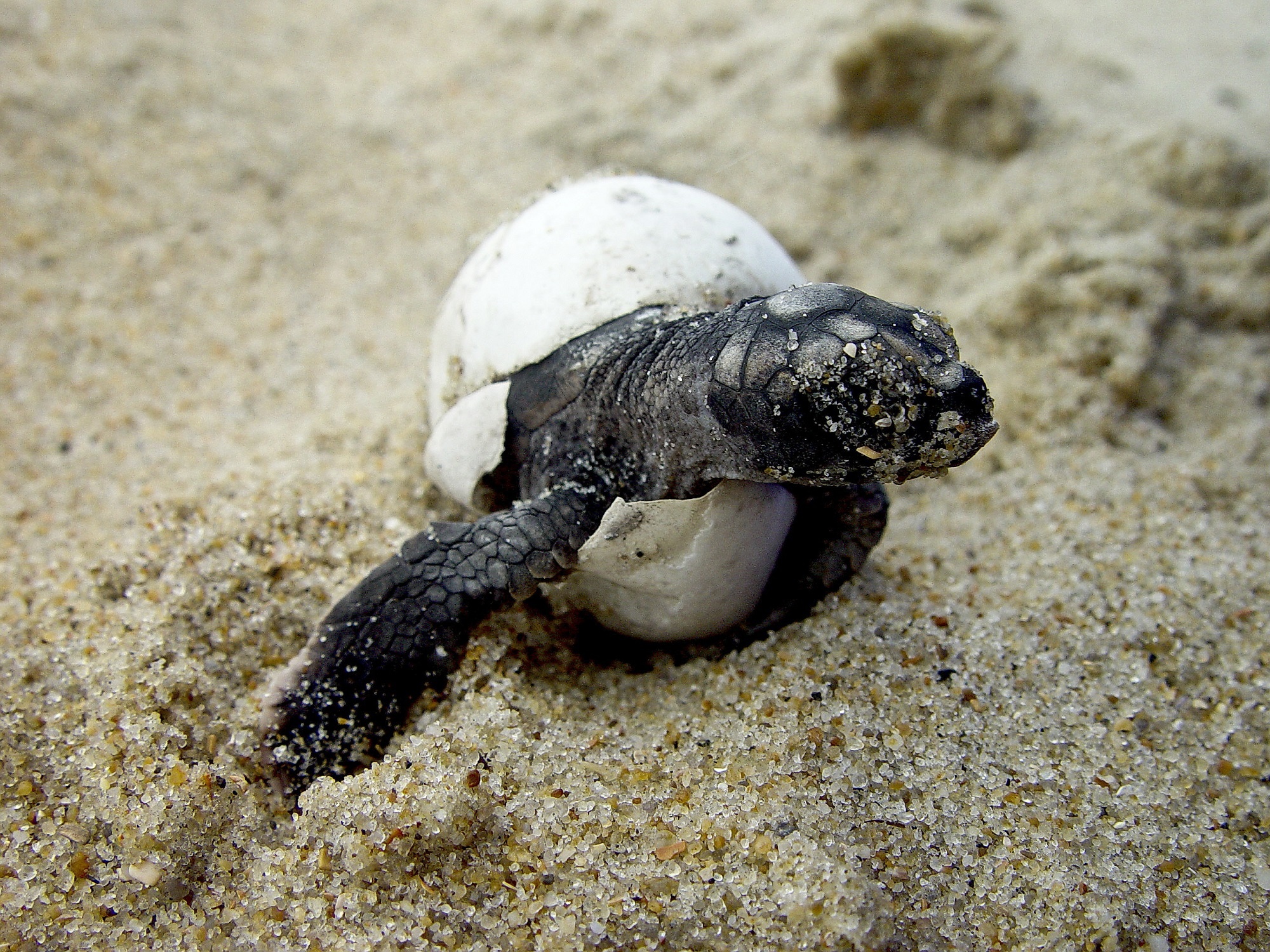
- Sea turtle nesting beaches are impacted; all six species of sea turtles are protected under the Endangered Species Act (ESA).
- Shorebirds such as the piping plover also suffer habitat loss; the piping plover is protected under the ESA in many regions of the U.S.
Deep-Sea Mining
The seabed has some very valuable minerals including manganese, nickel, cobalt and copper, that are used in everything from “defense systems and batteries to smartphones and medical devices.” Deep-sea mining is the extraction of these minerals and may be harmful to the ocean environment. Mining operations could destroy the unique deep ocean habitat, cause an influx of sediment that smothers marine wildlife, releases toxic chemicals, generates noise and light pollution, and more.
The deep-sea environment is home to thousands of wildlife species. In the Clarion-Clipperton Zone (CCZ) alone, a prime candidate for deep-sea mining, “researchers have recently discovered over 5,000 species that were entirely new to science”. The CCZ is a giant abyssal (deep) plain, located in the North Pacific Ocean, between Hawaii to the north and Mexico to the south. Currently, there are small-scale deep-sea mining operations; however, governments and mining companies around the world are pushing these operations to expand as the demand for these minerals increases.
“To date, 185 new species have been identified from the CCZ. Only six of these new species have been observed elsewhere.”
– Current Biology article
Impacted Wildlife
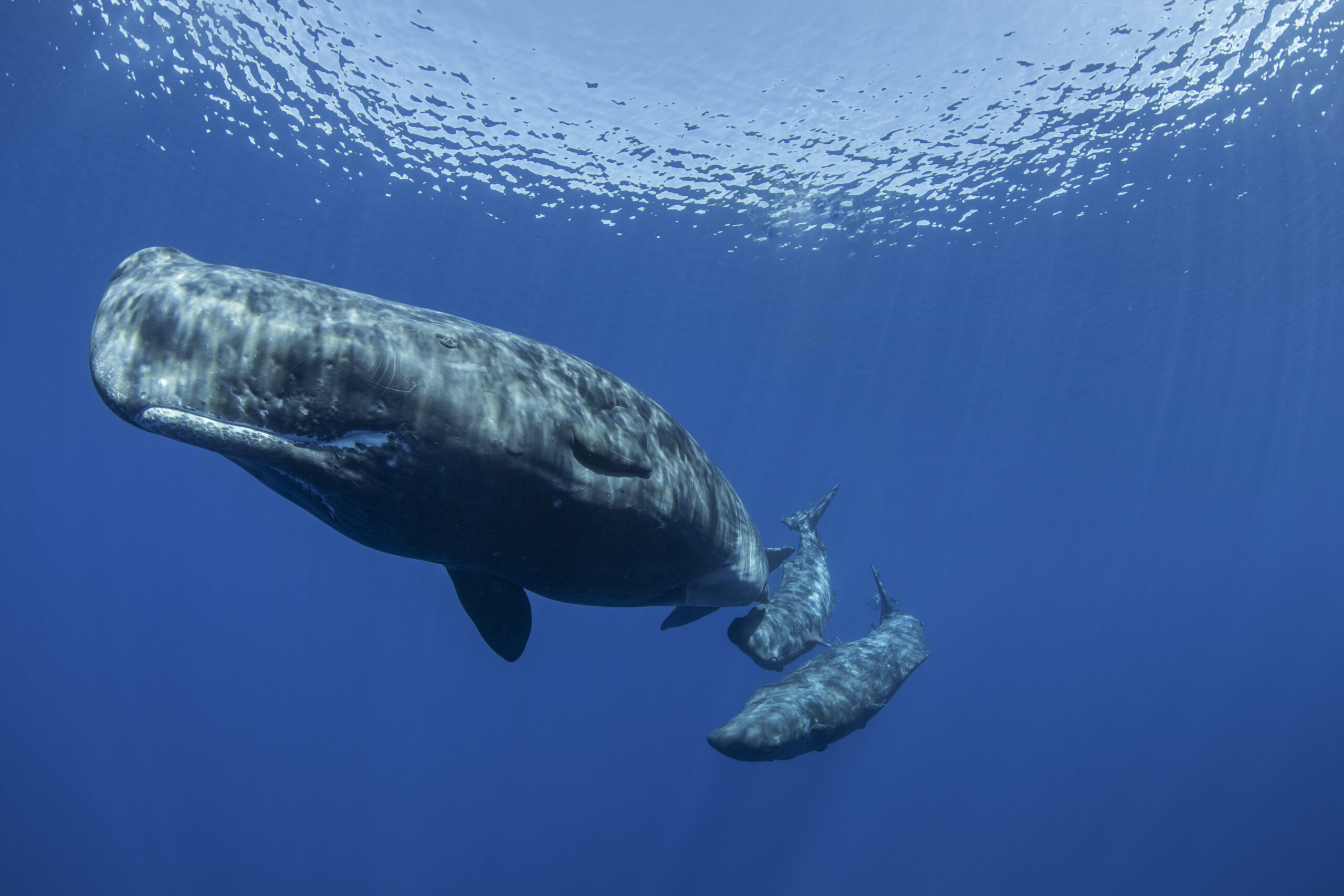
- Sperm whales are listed as endangered under the ESA and protected under the Marine Mammal Protection Act. Sperm whales can be found in areas identified for deep-sea mining, including in the CCZ and Alaskan waters.
- Pygmy sharks, one of the smallest shark species, are listed as least concern on the International Union for Conservation of Nature’s Red List with their populations being stable, however their deep-sea habitat could be threatened by deep-sea mining.
- Gummy squirrels, also known as sea cucumbers, live at depths of more than 16,000 feet, and could face threats due to deep-sea mining; this species was discovered in 2018.
Pollution
Pesticides, herbicides, and fertilizers from agricultural and residential runoff can cause toxic algal blooms (rapid increase in algal blooms releases neurotoxins and depletes oxygen levels in the water making it difficult or impossible for marine wildlife to breathe). Here are a few examples of impacted wildlife:
- In 2013, 277 manatee deaths in Florida were attributed to or suspected to be caused by a red tide (a type of toxic algal bloom); manatees are listed as threatened under the ESA.
- In 2015, off the coast of California, Oregon and Washington, the Dungeness crab fishery lost 97.5 million due to a toxic algal bloom; it shut down the crab and razor clam fisheries that year.
Plastic pollution is a critical threat to the world’s wildlife and to human health. Scientists believe about 8 million metric tons of plastic entered the ocean in 2010, and that number has probably increased since then. Here are a few examples of impacted wildlife:
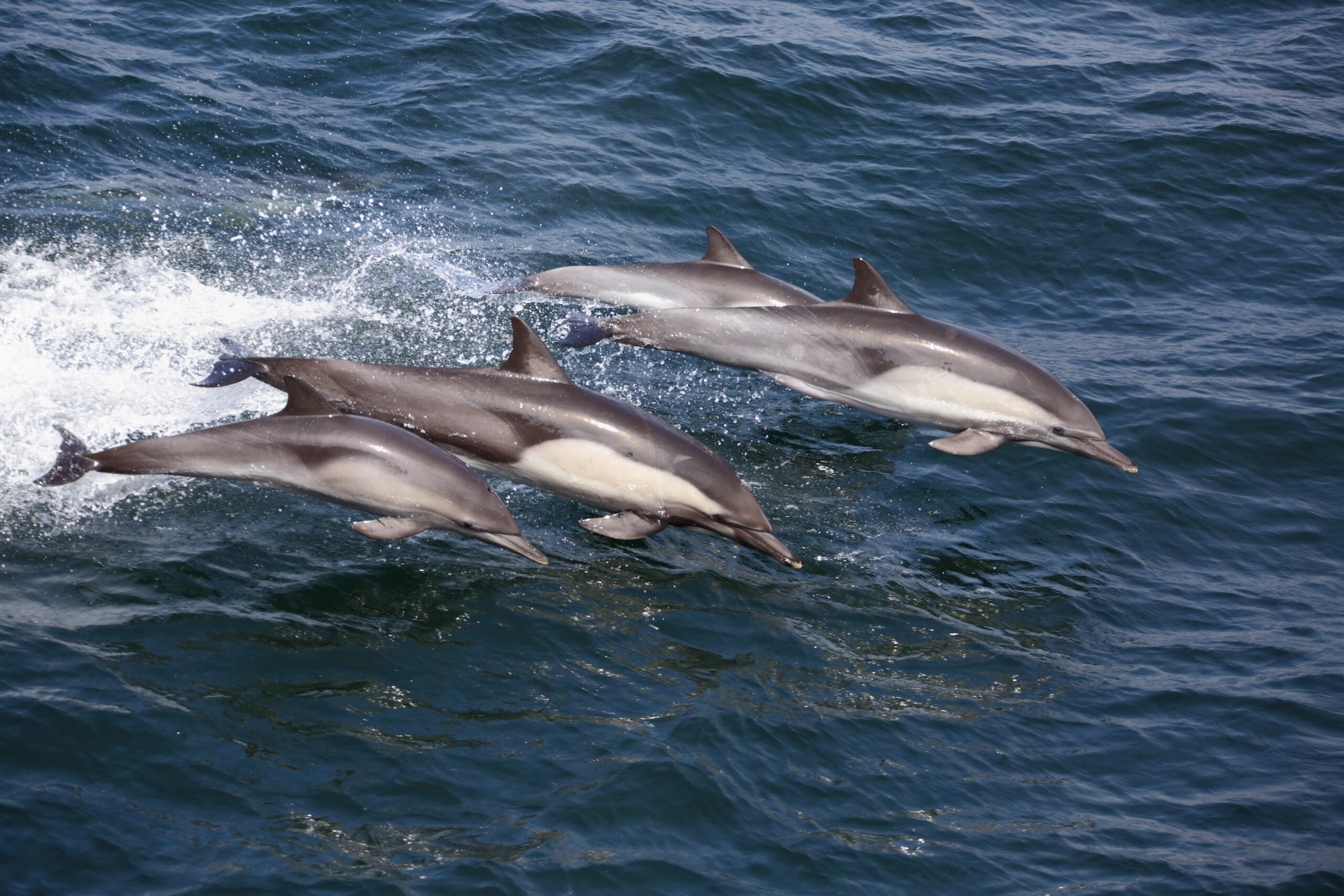
- An estimated 56 percent of whale, dolphin and porpoise species have consumed plastic, according to the World Wildlife Fund. Plastic often looks like food, or is ingested accidentally with water and zooplankton, like krill, as baleen whales feed.
- According to the Center for Biological Diversity, fish in the North Pacific take in 12,000 to 24,000 tons of plastic, including microplastics, annually, which can result in intestinal injury and ultimately death. Sharks and other fish are vulnerable to microplastics since they bring in water through their gills.
Overfishing
Some fisheries are being depleted due to overfishing; populations simply can’t keep up with the increased demand for seafood and advanced fishing technologies, such as fish finders. According to NOAA, in a 2023 Report to Congress on the Status of U.S. Fisheries, approximately 6-9 percent of U.S. fish stocks are experiencing overfishing, with key impacted species including summer flounder, lane snapper, and various salmon and rockfish stocks.
Ocean Acidification
Ocean acidification is caused by an excess of CO2 absorbed into the ocean from the atmosphere. This lowers the pH level, increasing the acidity, and disrupting marine ecosystems. Acidification primarily affects calcifying organisms including corals, clams, sea urchins, etc. The acidification makes it more difficult for these animals to build and maintain their calcium carbonate shells and skeletons. “NOAA Fisheries is proposing to list five species of giant clams as endangered and one species of giant clam as threatened under the ESA because they are in danger of extinction now or in the foreseeable future.”
Climate Change
Warming ocean temperatures are causing widespread coral bleaching, which destroys habitats for many different species of marine life, like the elkhorn and staghorn corals. Historically, these corals were in abundance in the Florida Keys but are now considered “functionally extinct. Warming temperatures also impact migration of many fisheries, pushing animals to cooler waters.
According to the Woods Hole Oceanographic Institution, for close to forty years the American lobster fishery saw a “fivefold” increase in the Gulf of Maine due to warming temperatures, however, since 2016 this fishery has slowed down as continued increase in ocean temperatures is causing lobsters to move further north (the warmer water can cause the lobster to be more vulnerable to shell-borne illness).
Conservation Efforts
National Wildlife Federation (NWF) works on many marine conservation issues including sustainable fisheries management, habitat and biodiversity protections, establishment of marine protected areas, and more. NWF sets their conservation policy priorities in partnership with our state affiliate organization partners; a few examples of recent policy resolutions include supporting a cleaner fuel requirement for ocean-going vessels, opposing potentially damaging deep seabed mining practices to ensure protection of the marine and terrestrial environments and species as DSM exploration advances, and supporting shark conservation and population recovery.
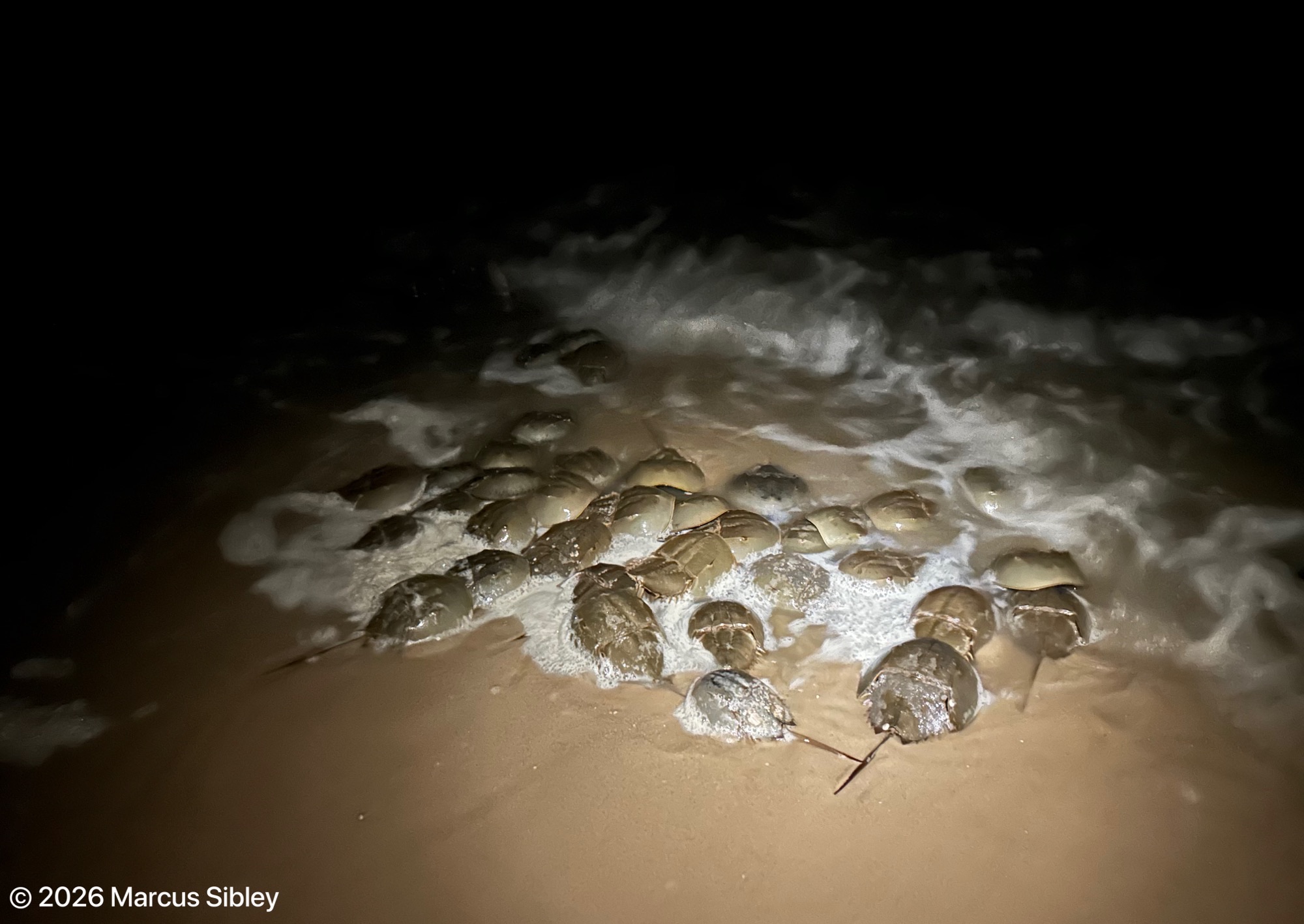
NWF is an original member of the Horseshoe Crab Recovery Coalition (HCRC), supporting and helping to advance the coalition’s efforts to protect and restore horseshoe crab populations along the Atlantic Coast. The Coalition is specifically working to end harvesting of horseshoe crabs for bait and the bleeding of crabs for biomedical toxicity testing.
To this end the coalition is working with the pharmaceutical industry to accelerate the adoption of synthetic lysate alternatives for use in toxicity testing of medicines, vaccines, and medical devices (lysate is a substance found in the blood of the horseshoe crab). NWF Affiliates on the coalition include Delaware Nature Society, National Aquarium, North Carolina Wildlife Federation, and HCRC co-founder New Jersey Audubon Society, who works alongside NWF’s director of conservation partnerships Marcus Sibley who serves as a core team member. Learn more about the challenges the horseshoe crab is facing, Decline of an Ancient Mariner.
Many of NWF’s state affiliate partners provide education and awareness programs on marine wildlife, implement on-the-ground conservation and restoration efforts, and advocate for state and federal policy that protects our oceans.
Association of Northwest Steelheaders (Oregon)
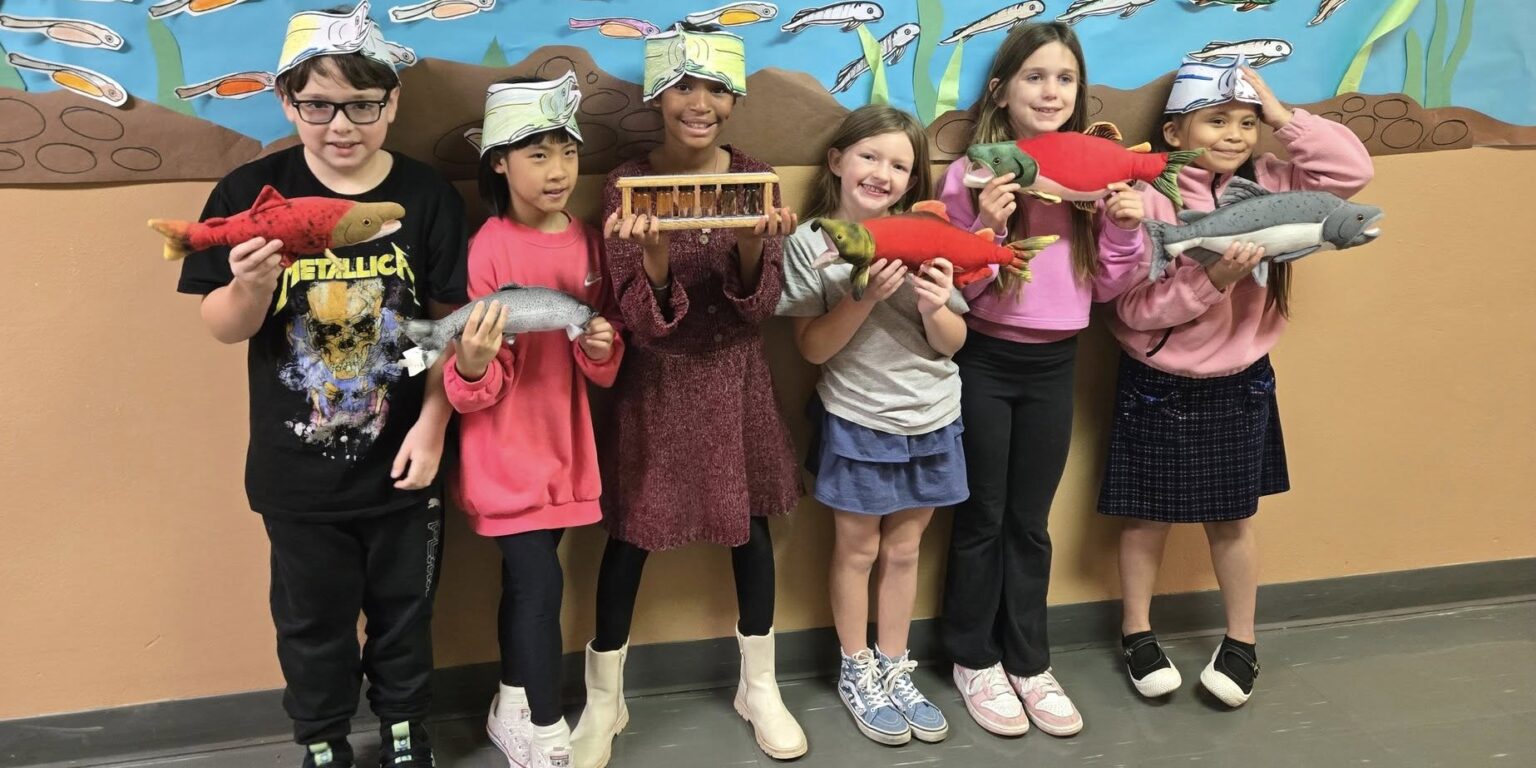
The Association of Northwest Steelheaders, in collaboration with the Oregon Department of Fish and Wildlife’s Fish Eggs to Fry program, helps bring salmon or trout eggs into Oregon classrooms. The students then monitor the eggs through their life cycle from egg to fry. The Association’s members and other volunteers assist with setting up aquarium equipment, delivering eggs to classrooms, and introducing students to the importance of fish conservation. The Association has provided more than 25,000 hours to the program, provided at least 350 out of the 750 aquariums in classrooms across the state, and provided support to teachers through curricular resources, classroom presentations, technical support, and assistance with fry release day events in partnership with NWF’s Eco-Schools U.S.
Fun fact! Many species of salmon hatch in freshwater rivers, migrate to the ocean where they mature, and then return to their natal freshwater rivers to spawn.
“Throughout this process, the children develop a personal connection with the fish, sparking a lifelong investment in wildlife conservation. The children also learn about the scientific process of recording scientific data in a classroom journal, while ensuring the water is the right temperature, has enough air and is clean enough for fry to survive. This provides an opportunity to learn about their local streams and the importance of healthy waterways to salmon survival.”
– Tom VanderPlaat, volunteer coordinator
Conservation Council for Hawai’i
The Conservation Council for Hawai’i is well known for its advocacy work to save endemic species and eco-systems from mauka (upland) to makai (toward the sea) for the Hawaiian Islands, including the Northwestern Hawaiian Islands, and the Pacific Remote Islands. Their work includes saving native Hawaiian seabirds from light pollution, protecting humpback whales from disruptive underwater sonar waves, and lowering the marine by-catch amounts from industrial fishing. They’ve worked with NWF to pass resolutions to influence our policy priorities including:
- Recognizing the cultural and ecological importance of sharks and the necessity of protecting them
- Advocating for the creation, expansion, and protection of marine sanctuaries/marine protected areas
- Calling for a moratorium on deep sea mining along with further research and strict guidelines on its advancement
The Council is also committed to education and awareness; their signature event, Manu o Kū Festival, reaches hundreds of families and keiki (kids) every spring in the Honolulu area and engages participants in presentations and activities to learn about native wildlife. They also create an annual educational poster in collaboration with local artists that highlight native wildlife. The posters are then sent to all K-12 schools across the islands.

National Aquarium (Maryland)
The National Aquarium’s mission is to connect people with nature to inspire compassion and care for the ocean planet. The private nonprofit organization’s goals are to combat climate change, stop plastic pollution and save wildlife and habitats through a holistic approach that includes education, engagement, habitat restoration, animal rescue work, sustainable business practices and policy advocacy.
More than 1.2 million people visit each year to experience immersive exhibits that are home to a wide variety of marine animals including sharks, sea turtles, dolphins, jellies, anemones, puffins, tropical reef fish, and more. The Aquarium reaches even more people through science-based education programs and hands-on field conservation work with partners in Baltimore and throughout the Chesapeake Bay watershed.
National Aquarium staff, volunteers and partners have restored thousands of acres throughout the Chesapeake Bay watershed—removing debris and planting native trees, gardens and wetland grasses in Baltimore City and beyond to provide habitat for wildlife and promote coastal resiliency. The Aquarium rescues and rehabilitates endangered and protected marine species, successfully returning hundreds of seals and sea turtles to the ocean, work that has informed its efforts to improve federal investment in marine animal stranding networks.
The Aquarium also works with NWF and other partners and coalitions to share diverse expertise with decision makers, inform the public process, and advocate for policies that safeguard wildlife, restore habitats, build resiliency to climate change impacts, reduce carbon and plastic pollution, and advance environmental justice.

How can you help protect our oceans?
There isn’t an easy answer to this question. There are complex, multi-step solutions to address these many threats to the ocean environment, solutions that require new laws and policies, enforcement of existing laws, education and awareness, collaboration across multiple stakeholders (e.g., governments, communities, companies, etc.), regular surveys of fisheries and other marine populations, etc.
Support Key Legislation
- Forage Fish Conservation Act
- Endangered Species Act
- Magnuson-Stevens Fishery Conservation and Management Act (MSA) (read NWF blog, Celebrating the 50th anniversary of the MSA)
- Recovering America’s Wildlife Act
- Marine Mammal Protection Act
NWF’s Action Fund Advocacy Toolkit provides guidance on the many ways to share your message of support with friends, family, public officials, media outlets, and more.
Take Action at Home and in the Community
- Celebrate World Ocean Day on June 8th. Help educate your family and friends about the ocean and its amazing wildlife.
- Leave no trace. When you are in the outdoors (on the beach, swimming in the ocean, along the river), leave no trace that you were there. This means do not leave any litter on the ground, do not touch or pick up wildlife (e.g., crabs, starfish, etc.), if you are building a sandcastle or stacking shells on the beach put everything back the way you found it before you leave, etc.
- Adopt a storm drain. Adopting a storm drain is a simple and fun way you can remind others to keep trash and chemicals that harm wildlife out of our local waterways and oceans.
- Host a clean-up. Host a clean-up in your community, at a local school, park, or beach to keep trash, including plastics, out of our streams, rivers, and oceans.
- Restore seagrass beds. Volunteer with a local organization to protect and restore the sea grass beds.
- Find out what your plastic eco-score is and adopt a new habit to reduce plastic waste and help keep plastic out of the streams, rivers, and oceans.
- Purchase coral reef-safe sunscreen; these sunscreens are mineral-based.
- When boating, follow safe boating and navigation guidelines, including speed limits, and look out for sea turtles, manatees, and other wildlife.
Take our quiz to test your knowledge about the ocean.
Empower the Next Generation of Ocean Stewards
Kids’ Corner with Ranger Rick®
- Watch: How do underwater animals defend themselves?
- Watch: Why do fish swim in schools?
- Watch: Motion of the Ocean
- Dolphins Kahoot!
- Sea Otters Kahoot!
- Sea Turtles Kahoot!
- Shrimp Kahoot!
Get outside for a Green Hour®
More resources:
- Marine mammals (NWF wildlife guide)
- Cold and warm water fish (NWF wildlife guide)
- Sea turtles (NWF wildlife guide)
- Restoring the gulf coast
- Wildlife impacts from plastic pollution
 Written by Kristy Jones
