






We have much more to do and your continued support is needed now more than ever.
Deep Breaths: How One Community Took on Industry Pollution and Won
A grassroots movement that grew out of frustration, illness, and the simple act of neighbors coming together.

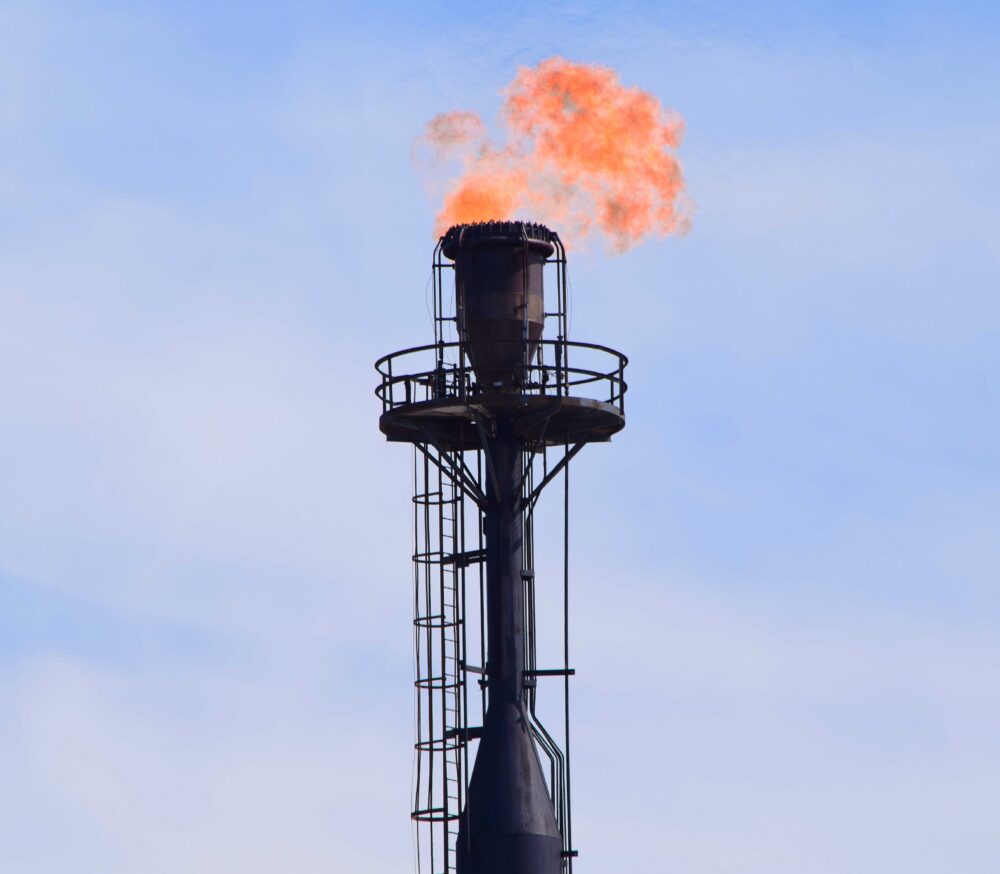
A view of U.S. Steel Edgar Thomson Steel Works along the Monongahela River, March 10, 2018 in Braddock, Pennsylvania. Credit: Drew Angerer/Getty Images
Barb Pace sits in a room with several neighbors at the Shenango Coke Works plant on Neville Island, just north of Pittsburgh, attending yet another company-hosted luncheon. It was one of many that came with a serving of stuffed cabbage.
“This is not overriding the smell of the pollution you got here,” she said boldly. Laughter erupted, but her message about the stomach-churning stench was ignored.
After nearly a year of this, the neighbors grew weary and stopped accepting invitations from DTE Energy to discuss the plant’s pollution with them. This group, who later formed Allegheny County Clean Air Now (ACCAN), came together out of a realization that the toxic fumes settling over their homes were also responsible for their poor health.
“It was a very short period after moving there that I started smelling the odor. It reminded me of when I was a kid and we would get coal delivered.”
Downwind
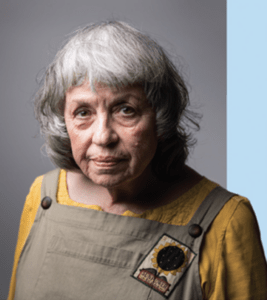
At 84 years old, Barb is as spunky and sharp as ever. She describes herself as the black sheep of the family—her advocacy viewed as counterproductive to her family’s best bet at a decent, steady paycheck. “Until we create systems where people can make a good living safely, nothing changes,” Barb explains.
Barb moved herself, her son, and her father to Emsworth, Pennsylvania in 2007. “It was a very short period after moving there that I started smelling the odor. It reminded me of when I was a kid and we would get coal delivered,” she said. She joined a Ben Avon community meeting and soon realized what she was smelling was the Shenango Coke Works—a coal-processing plant.
Residents living in the Ohio River valley swapped stories of unexplained chronic illness. Children missed school more often due to asthma. For Barb, the turning point was deeply personal when her father, once a vibrant man who danced several nights a week well into his 90s, developed dementia shortly after their move across from Neville Island. She also developed edema with no apparent cause.
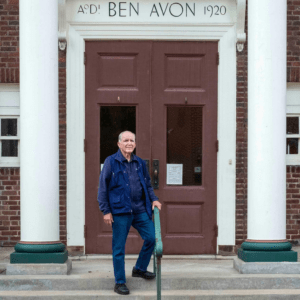
Barb’s is one of many stories of sudden illness. Another ACCAN organizer, Thaddeus Popovich, had recently moved to Ben Avon from upstate New York. Living just half a mile across the river from the Shenango Coke Works, he was struck immediately by the acrid smell in the air and soon noticed soot collecting on his kitchen counters. Soon after, he developed severe allergies to mold and other environmental triggers. In 2012, he underwent bypass surgery, and a year later, he experienced atrial fibrillation while sleeping with the windows open. With his life at serious risk, he eventually relocated ten miles north—far enough, he hoped, to breathe a little easier.
There are countless more documented experiences from Allegheny County residents who are Living Downwind.
A History of Building America
The Pittsburgh region is known for its contribution to coal-fired steelmaking that helped fuel America’s second industrial revolution in the 20th century. Though the industry powerhouse brought jobs and instilled pride, it also brought smog and an uptick of illness.
In 1948, yellow smog descended on the town of Donora, Pennsylvania, turning day into night. Known as the worst air pollution disaster in U.S. history, a combination of toxic emissions from the zinc and steel plants along with coal smoke killed 20 people within days and hospitalized hundreds more. The tragedy sparked widespread concern about environmental and public health, highlighted the need for industrial regulation, and ignited a nationwide discussion on the impacts of pollution.
It’s worth noting that pollution from steelmaking has lessened over the years—thanks to regulations and to efficiencies that lower emissions and save companies money. For example, 70 percent of U.S. made steel was produced using electric furnaces in 2021 as opposed to blast furnaces fueled by natural gas or coal. Industry must continue to invest in upgrading facilities with modern technologies that lessen both the environmental and health impacts on fenceline communities.
The issue continues to lie in illegal emissions from facilities as well as facilities that refuse to upgrade processes or add pollution scrubbers. We even have the technology to capture carbon dioxide—after filtering out accompanying pollutants–right at the source. Think of it like a filter on top of a smokestack, capturing emissions before they enter the atmosphere. This does double duty – addressing planet-altering emissions as well as pollution that impacts the health of fencelines communities.
“Allegheny County’s entire economic history is intertwined with heavy fossil fuel use, particularly coal, natural gas, and steelmaking.”
The Burden of Pollution is not Evenly Distributed
Although local and federal regulations helped improve air quality over several decades, illegal—or unpermitted—emissions may still be released from industrial facilities. When facilities are concentrated in a region, those living closest suffer most. These communities are majority lower-income, Black, Brown, elderly, children, and other vulnerable populations. In these areas, residents can be 20 times more likely to get cancer than the average American.
After the collapse of the aging steel industry, regional leaders turned their focus from pollution policy to economic recovery. The Breathe Project was formed in 2011 to fill this gap and unite diverse stakeholders around community concerns. The organization coordinates the work of 60 regional organizations working to improve air quality. “Some may wonder why it would take 60 organizations. But it gets to the heart of the story, which is Allegheny County’s entire economic history is intertwined with heavy fossil fuel use, particularly coal, natural gas, and steelmaking,” said Matt Mehalik, Director of the Breathe Project and Allegheny County resident.
“We were willing to be on the front lines, go to public meetings and voice our complaints, but it’s easy for people to ignore the activists. The documentation that the CREATE Lab helped us develop was huge. [Our concerns] couldn’t be ignored anymore.”
From Coffee Shop Conversations to Community Power
What began as informal gatherings evolved into something much more powerful. Community groups rallied together under the Breathe Project and additional support soon followed.
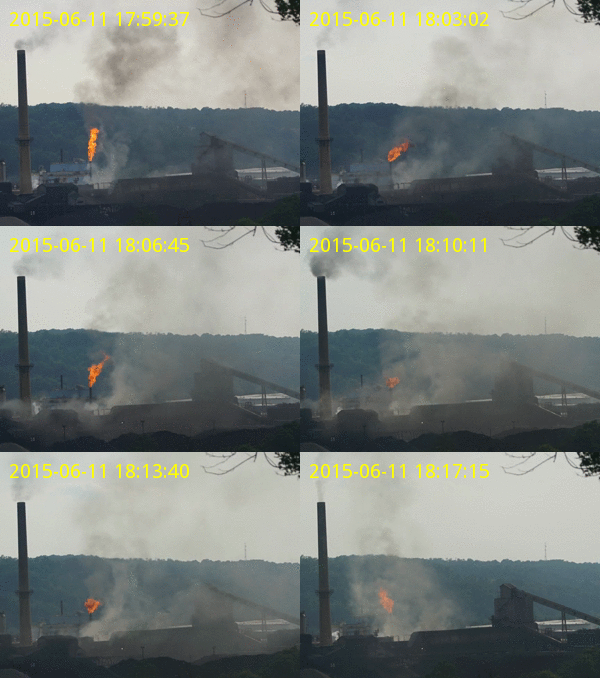
Organizations like the Heinz Foundation helped financially support the work and public health professionals began documenting the connection between the air quality and residents’ illnesses. Through a collaboration with Carnegie Mellon’s CREATE Lab, residents installed “Breathe Cams” on their properties aimed directly at polluting facilities. These cameras captured hundreds of visible emission violations. “We always said the sheriff was out of town,” said Thaddeus. “We had the rules but no one to enforce them.”
To build leverage, several ACCAN members purchased a share of stock in the facility’s parent company, DTE Energy. They attended annual shareholder meetings, ensuring their testimony was officially recorded. Their requests were modest—follow the rules, stop emitting illegally, and to install pollution scrubbers. The company largely ignored them, it was easier for them to pay the small fines.
Meanwhile, residents documented air quality issues, attended regulatory meetings, and filed complaints. Eventually, their efforts reached the Environment Protection Agency’s Region 3 Director, who condemned the visual evidence of illegal emissions from Shenango Coal Works and took enforcement actions.
“We were willing to be on the front lines, go to public meetings and voice our complaints, but it’s easy for people to ignore the activists,” said Angelo Taranto, another ACCAN organizer and Allegheny County resident. “The documentation that the CREATE Lab helped us develop was huge. [Our concerns] couldn’t be ignored anymore.”
The company faced a choice: invest in upgrading the aging facility with pollution-catching technology or shut down.
In 2016, Shenango Coke Works closed.
A Public Health Victory
The closure was not just symbolic. Sulfur pollution dropped by 90 percent and emergency room visits immediately declined by 42 percent. That trend continued for years after the closure. For a community that had spent years fighting to be heard, the results were validation.
But the fight to reduce pollution from other facilities is ongoing.
Although Barb and Thaddeus have taken a step back to care for themselves, ACCAN and other Breathe Project members remain active, monitoring facilities, advocating for stricter enforcement, and supporting neighboring regions facing similar challenges.
“We put in hours of work to show that the plant was seriously hazardous,” said Thaddeus.
“We didn’t do it alone,” Barb says. “We had a lot of help along the way.”
A group of neighbors with no formal training in environmental science proved that community-led action can drive systemic change.
We Need Continued Action
A community shouldn’t have to fight tooth and nail for years to be heard—or to stop being poisoned by pollution. Regulations on industrial pollution have helped our country over time, but today, those regulations are being rolled back, threatening to return us to an era of increased pollution while climate change accelerates.
As the Trump administration took office in 2025, the year was marked by the biggest deregulatory action in American history. This includes weakening regulations for industries that emit pollution as well as the intended expansion of fossil-fuel based energy and attacks on affordable clean energy options.
These actions have tangible, long-term consequences. The systematic rollback of rules is increasing pollution and associated health risks, degrading wildlife habitat, and passing the financial burden to Americans.
Learn more about our fight for Protection Over Pollution.
