









We have much more to do and your continued support is needed now more than ever.
How Family, Friend and Neighbor Care Providers are Bridging the Nature Gap for Young Children in Colorado

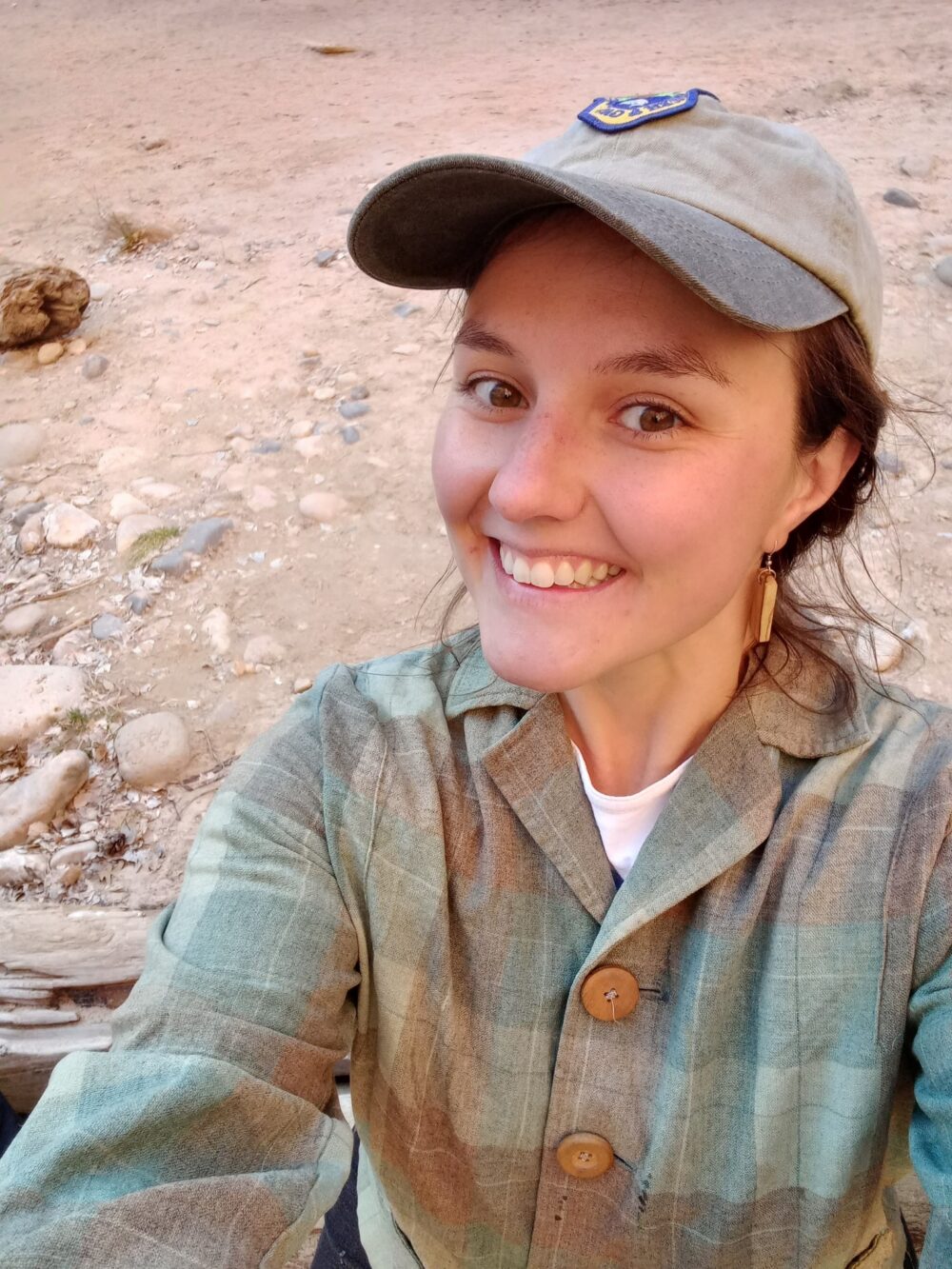
Going through the benefits of earth play at a Denver park! Credit: ECHO Team
Across Colorado and around the country, families with young children are leaning on trusted members of their communities for a valuable and essential service—child care. Grandparents, relatives, friends, and neighbors are a vital thread in the fabric of our nation’s early care and education system.
Family, Friend and Neighbor (FFN) care is a broad term encompassing home-based child care provided by community members who typically have established relationships with the children for whom they care.
These community members are an often overlooked segment of early care and education infrastructure, despite the fact that they make up the largest source of non-parental child care in the United States. It is estimated that approximately one in four children under the age of 5 are cared for by FFN providers some or all of the time that their parents are at work.
Mirroring national trends, FFN providers play a crucial role in Colorado’s child care ecosystem, especially for infants and toddlers. They care for an estimated 50% of children in the state, including more than 60% of children aged three and under.
The value of FFN care goes beyond numbers. For the nation more widely, FFN providers help to fill the gap between the supply and unmet demand for high-quality child care in the communities that need it most. For families, FFN providers often offer a trusted, affordable, and flexible child care option that can mimic home environments while accommodating their family’s language and cultural preferences.
Even with the positive impact FFN care brings to the early care and education system, FFN providers and settings are largely under-resourced and unsupported in child care policy conversations. In Colorado, public investment in FFN care historically amounts to less than 1% of the state’s early childhood education budget.
A Historic Investment’s Not-So-Invisible Impact
New solutions are needed to meet families where they are, which is why the Early Childhood Health Outdoors (ECHO) initiative is proud to be part of the Colorado Statewide Parent Coalition’s inaugural and historic FFN training and support grant program.
The program, developed in partnership with Colorado’s Department of Early Childhood, is one of the first of its kind in the U.S. and represents a groundbreaking investment. In 2025 alone, the program reached nearly 1900 FFN providers across 24 counties through training, technical support, and grants for educational materials.
“I think the significance of this program goes beyond just training and grants. It’s a step toward standardizing systemic support for these providers who aren’t always recognized in traditional funding and policy structures.”
– Liz Houston, ECHO Deputy Director of Partnerships & Development
As part of this program, and in alignment with ECHO’s mission to ensure every young child has opportunities to thrive in healthy outdoor environments every day, ECHO worked with community partners throughout Colorado in 2025 to conduct professional development trainings on nature play and outdoor learning for FFN providers.

FFN care is primarily home-based, making ECHO’s Nature Play at Home workshop a perfect fit for providers aspiring to enhance their child care spaces to better support nature play and outdoor learning.
While people often think that nature-based learning has to take place in expansive parks or greenways, there are many opportunities to bring a diversity of enriching outdoor settings and experiences into the home environment.
ECHO’s Nature Play at Home guide (also offered in Spanish and Arabic) is a great resource for anyone caring for children in a limited outdoor space. It highlights small, incremental, and affordable “do-it-yourself” improvements that can make big differences in the healthy development of the children.
Starting in early 2025, ECHO’s Education and Engagement team organized in-person, hybrid, and online Nature Play at Home workshops for multiple FFN cohorts from the Front Range to the Western Slope.
Staff collaborated with local organizations including Valley Settlement, United Way of Weld County’s PASO Institute, Joint Initiatives, Empowering Communities Globally, and Colorado River Valley Team to reach FFN providers in communities across the state. When applicable, workshops were offered in Spanish and Arabic to reach a broader range of community members that are often overlooked in English-only professional development opportunities.


Each workshop highlighted examples of design features that FFN providers could adapt to their own child care spaces, as well as resources to help providers engage children in outdoor play and learning in practice.
“When a child engages with nature, they feel a sense of freedom. They establish a connection [with the natural world] and realize they are an integral part of everything that surrounds them.”
“[The training] presented various ideas on how caregivers can utilize resources they already have at home to create activities that foster imagination and learning in children. We learned how to leverage simple household items to simulate creative play, making for a highly enriching and practical experience that is easy to apply in day-to-day childcare.”
– Valley Settlement Team Members
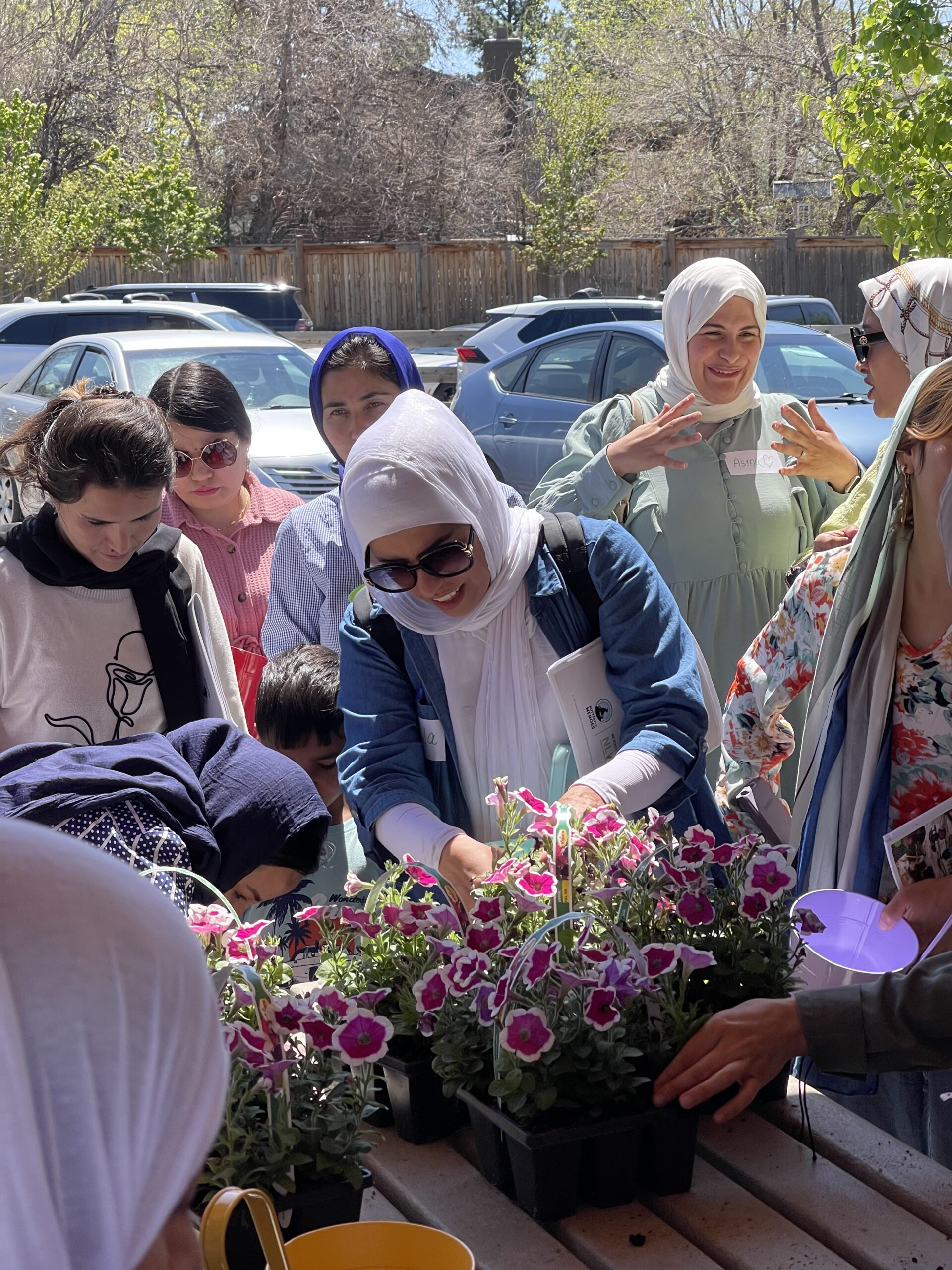
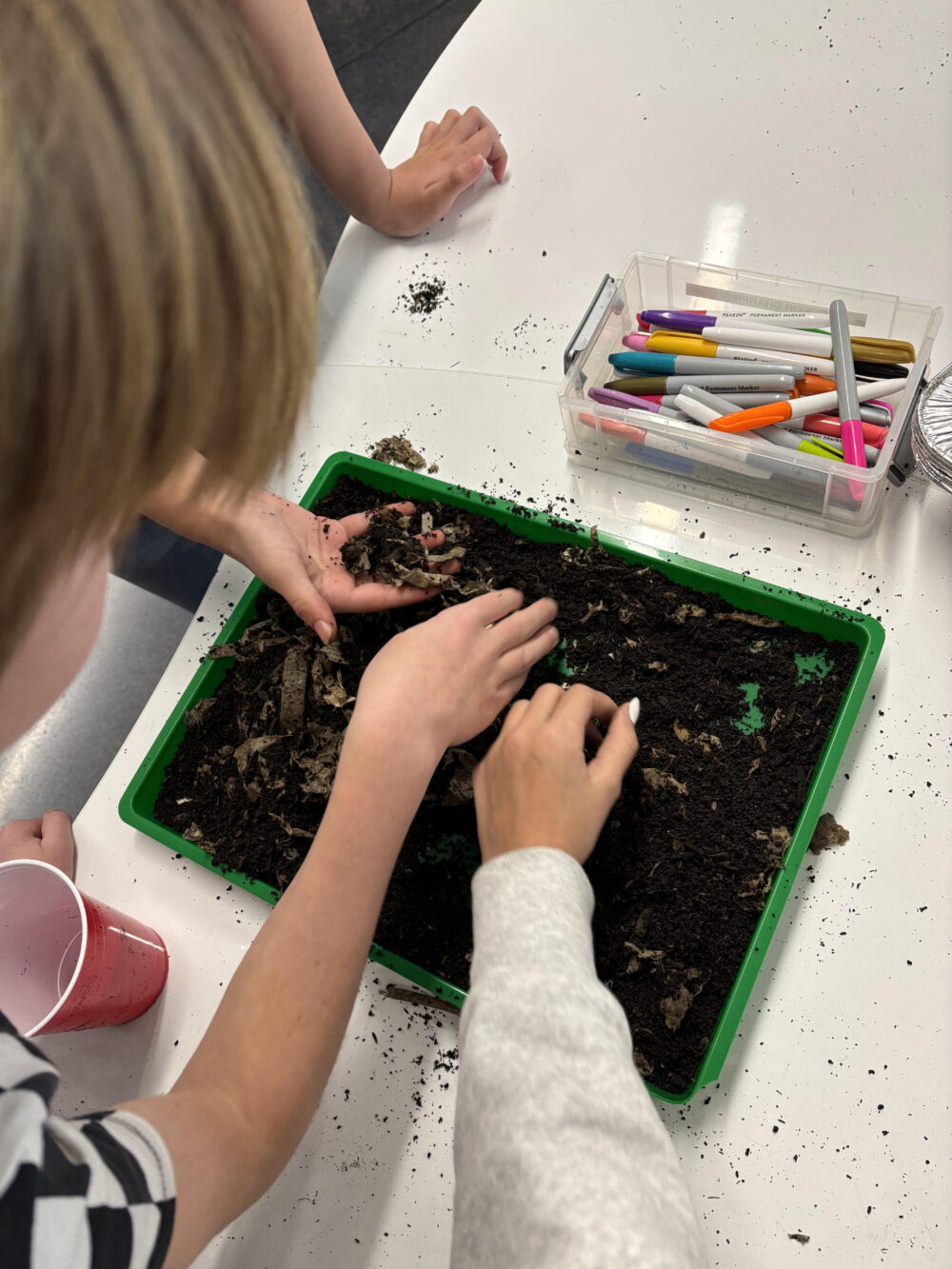
After the initial presentation, providers engaged in hands-on activities including starting seeds for their gardens, planting colorful annuals, and building fairy gardens.
In addition, each provider in attendance received $950 to purchase educational materials for their program. Attendees used these funds to purchase materials like water and mud tables, sensory play elements, and water features.
One attendee responded in their exit survey: “It was a wonderful training with creative play stations to see in action. The grant materials were an absolute blessing and we use something purchased every single day.”
Continuing the Work in 2026
ECHO is continuing its work through the FFN training and support grant program throughout 2026. If you or someone you know is interested, make sure to follow ECHO’s Instagram and Facebook account for more updates.
In the meantime, check out the ECHO resource page for free, online resources on nature play and outdoor learning.
