








We have much more to do and your continued support is needed now more than ever.
Visit a Public Certified Wildlife Habitat® this Spring!
Roughly 200 public gardens nationwide are recognized as Certified Wildlife Habitats®. You can visit one in your region to get inspiration for your own wildlife garden.
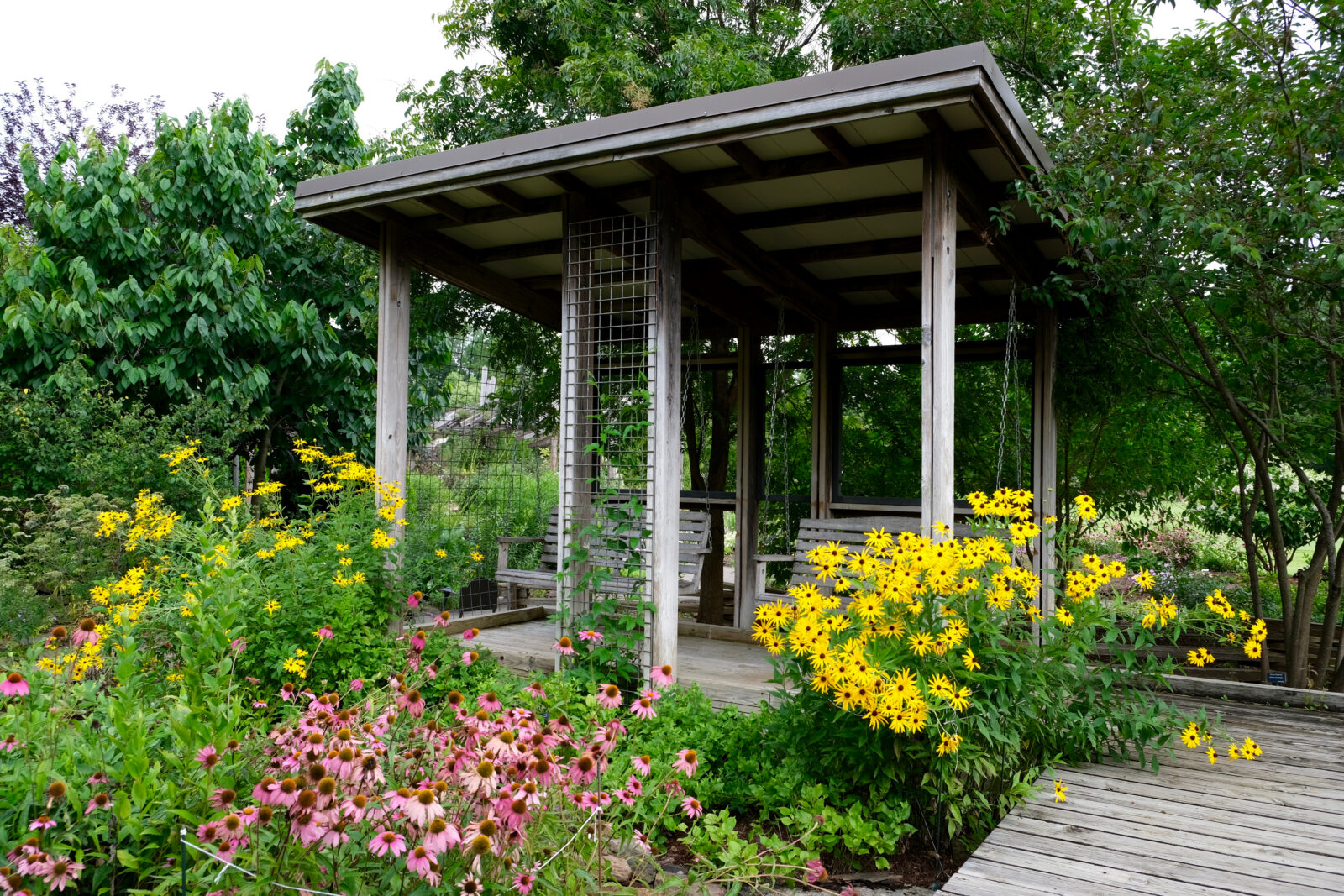
Credit: Botanical Garden of the Ozarks
Botanical gardens and arboretums offer numerous benefits to the public. Outside of just offering a beautiful and calming space to enjoy nature, they provide education and can even serve as inspiration for your own garden. This month we’re excited to celebrate the Go Public Gardens Days with the American Public Gardens Association. Discover some great public gardens that support wildlife near you!
Find a Public Garden that is a Certified Wildlife Habitat
There is a long history of the National Wildlife Federation recognizing public gardens for their wildlife friendly actions. Even as far back as 2003, the U.S. Botanic Garden was named the 100,000th Certified Wildlife Habitat.
Today, roughly 200 public gardens nationwide are recognized as Certified Wildlife Habitats. You can visit one in your region to get inspiration for your own wildlife garden. See how these gardens use native species, water features, and landscaping to support wildlife and make their space enjoyable for people too.
Find a Certified Wildlife Habitat public garden near you.
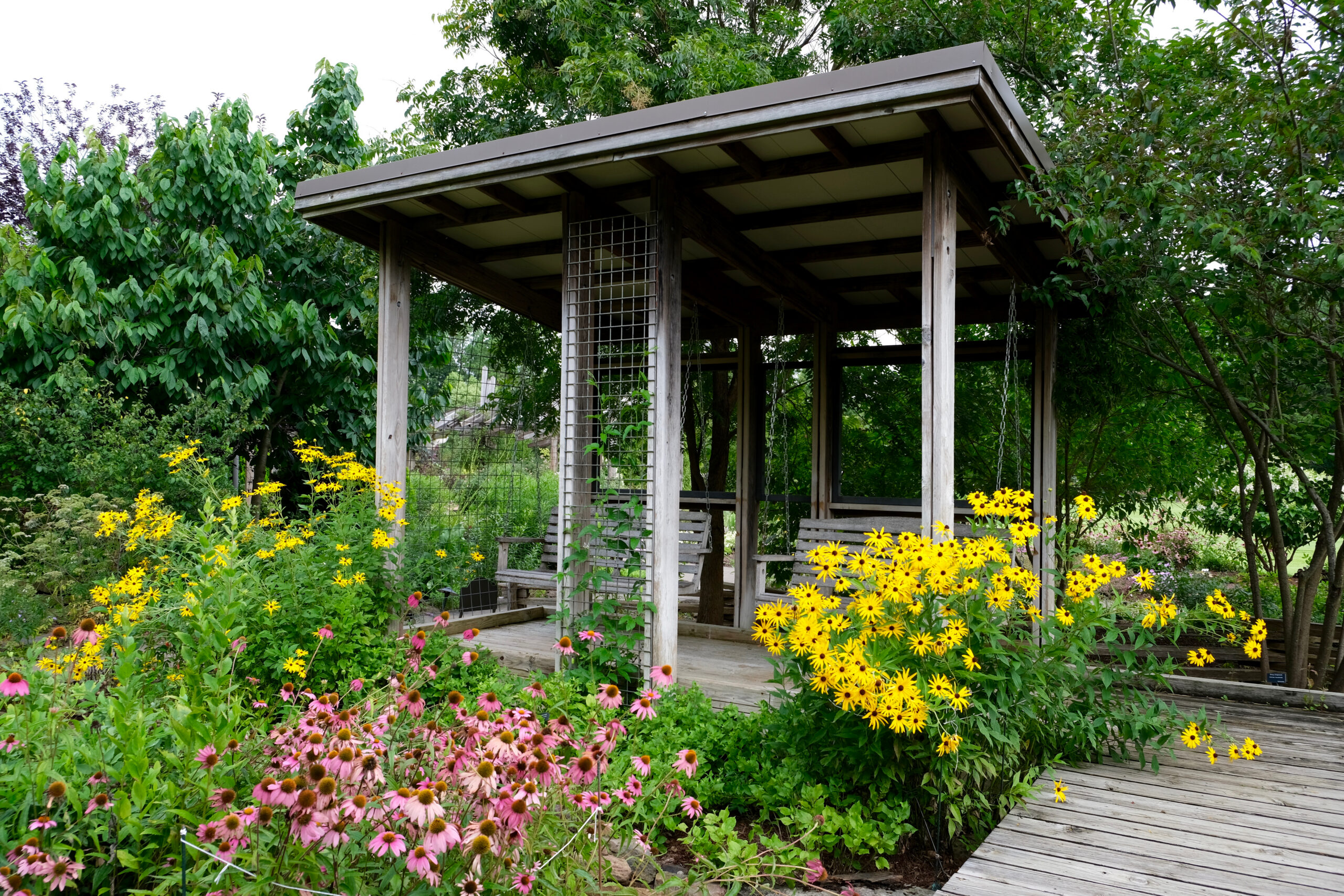

Garden Highlight: The Botanical Garden of the Ozarks, AK
“The Botanical Garden of the Ozarks is proud to be a Certified Wildlife Habitat, with a strong focus on native plants and pollinator education. Our dedicated Ozark native plant garden showcases species that support local ecosystems and provides a model for visitors looking to incorporate natives at home.
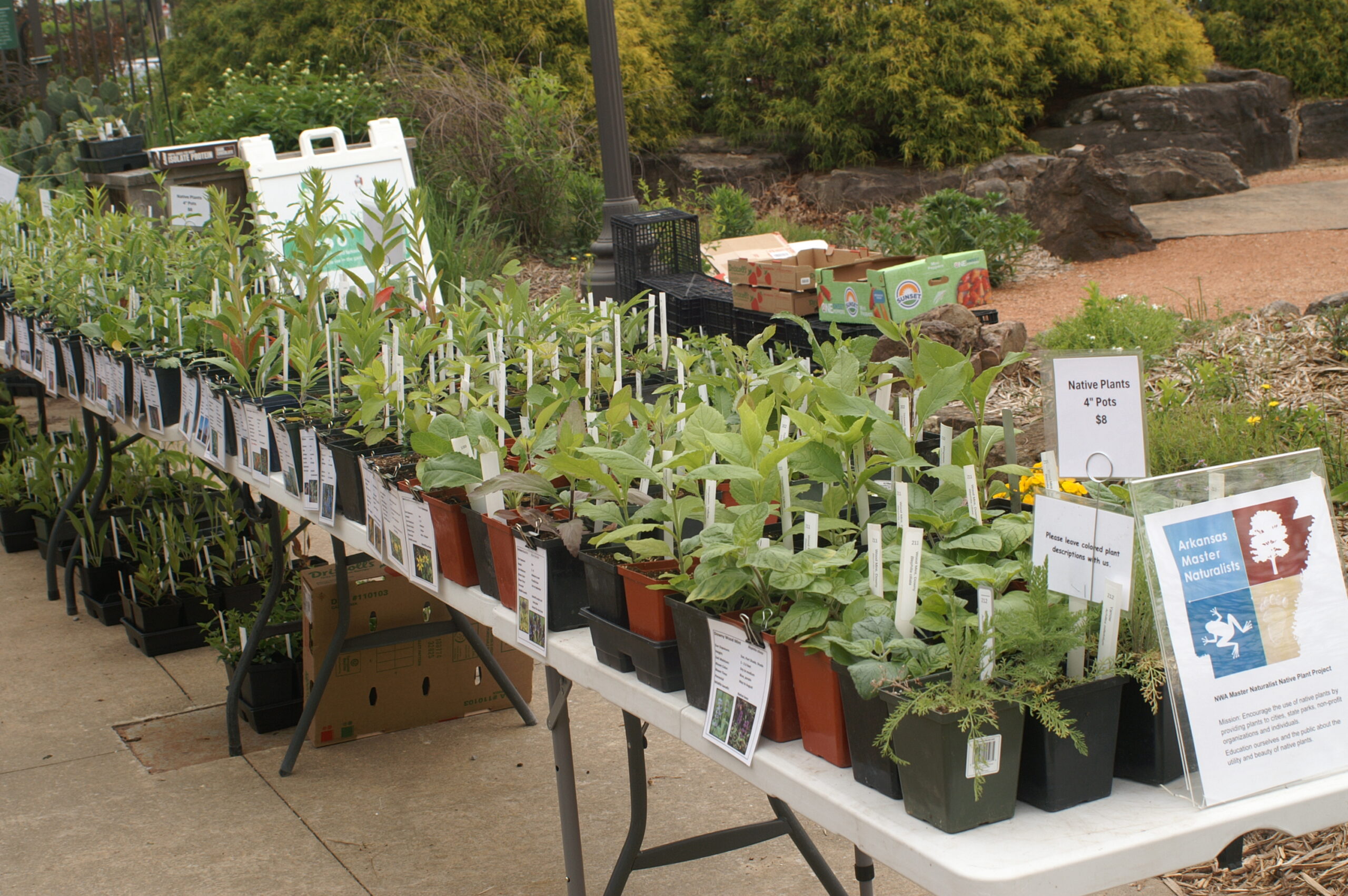
We also partner with organizations such as White River Nursery and the Northwest Arkansas Master Naturalists to offer educational programming and seasonal native plant sales.
Pollinator conservation is a core part of our work. In partnership with the Northwest Arkansas Beekeepers Association, we maintain an on-site apiary and provide educational opportunities focused on the importance of bees and other pollinators.”
– Ashley Wardlow, Executive Director at The Botanical Garden of the Ozarks
Garden Highlight: Cape Fear Botanical Garden, NC

“Cape Fear Botanical Garden (Fayetteville, North Carolina) supports a variety of native plants and pollinator species throughout key areas of the Garden, including the Butterfly Stroll, Pond Lawn, and Wellons Arbor.
These connected spaces create an expanded habitat where pollinators can feed, nest, and rest, contributing to a healthier local ecosystem.
These plantings also support a wider range of wildlife, including birds, beneficial insects, and other native species that rely on these habitats for food and shelter.
Beyond these cultivated areas, the Garden’s wooded trails provide important habitat for larger mammals that often go unseen within the city.
While visitors may occasionally spot white-tailed deer, the Garden supports a broader range of species, reinforcing its role as a meaningful urban refuge for wildlife.
By designing and preserving these varied spaces, we not only support wildlife activity but also make it visible and accessible to our guests. Visitors are able to observe these interactions in real time, deepening their understanding of the essential role native plants and habitats play in sustaining both pollinators and the broader ecosystem.”
– Beth Hess, Marketing Consultant at Cape Fear Botanical Garden

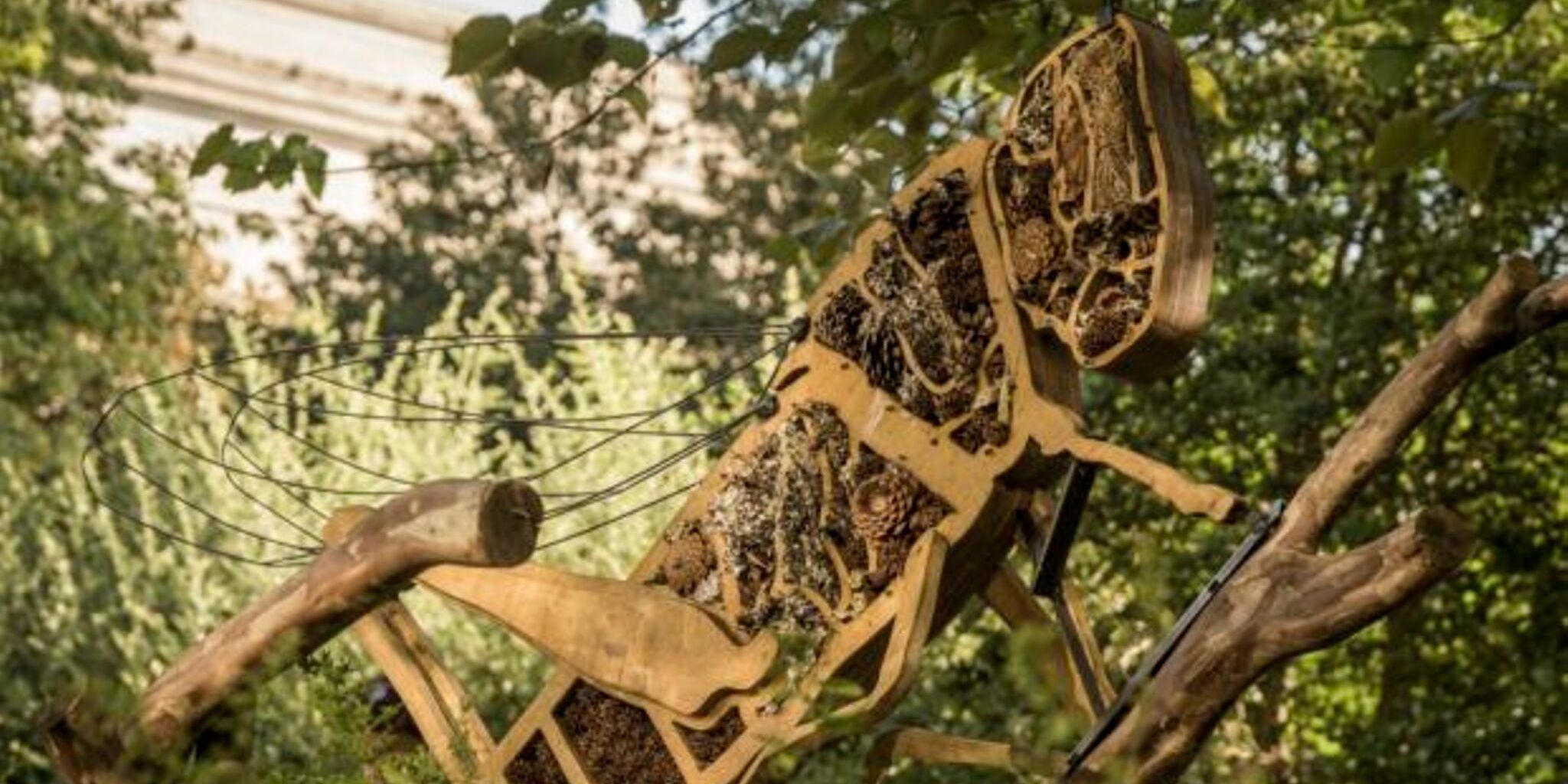

Garden Highlight: Smithsonian Gardens
The Smithsonian Gardens was the 81st public garden to get recognized as a Certified Wildlife Habitat® back in 2020.
“Each Smithsonian Garden adeptly weaves the theme of specific museums to the natural history and elements of the habitat gardens on their grounds. Recent reports of the loss of 3 billion birds across North America since 1970 make exhibits like the National Museum of Natural History’s Urban Bird Habitat essential.
The exhibit highlights the diversity of spaces where birds live and raise their young through large-scale realistic nests. The African American Museum’s Live Oak grove tells the story of the shelter and gathering place these trees provided in the African American journey to freedom and community building.
The story then connects the sheltering theme to how oak trees provide multitudes of insects, birds, and other wildlife with a place of cover. For example, an oak tree is a host for over 500 insect species.”
– Mary Phillips, National Wildlife Federation
Learn more about this garden here!
Go Public Gardens!
Go Public Gardens is a year-round initiative led by The American Public Gardens Association to encourage the public to visit, value, and volunteer at public gardens.
With so many public gardens that are Certified Wildlife Habitats, we hope you take the time to visit one near you.
