





We have much more to do and your continued support is needed now more than ever.
Butler University in Indianapolis certifies as a National Wildlife Federation Plastics Reduction Partner
The National Wildlife Federation certifies Butler University for their campus-wide efforts to tackle plastics pollution.
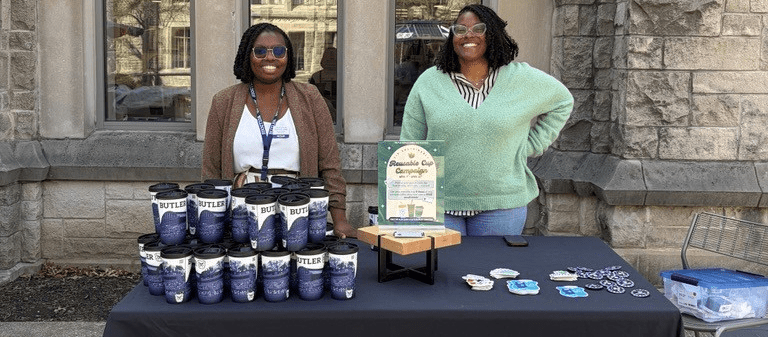

The National Wildlife Federation (NWF) is excited to award Butler University the Plastics Reduction Partner Bronze level certification for their efforts to reduce single-use plastic waste on campus.
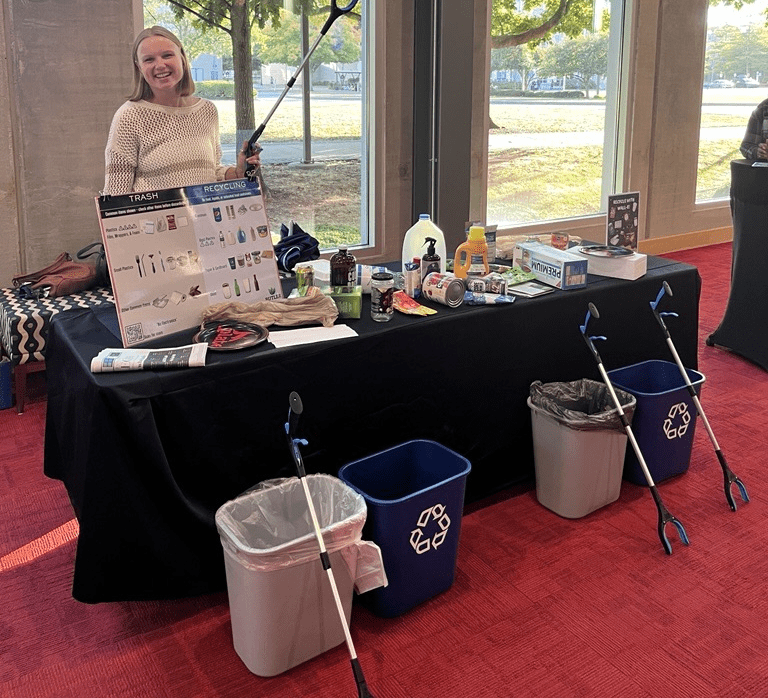
Butler University, a private university in Indianapolis, Indiana, earned points towards their Bronze-level certification through actions to build awareness on campus about the harmful impacts of plastics, by encouraging behavior change to choose reusable over single-use plastics, implementing tangible changes in their campus-wide operations, and through their education and awareness programs.
Here are a few spotlights of Butler University’s plastics reduction efforts:

- Butler’s online orientation guide educates students on the difference between the recycling symbol and the plastic resin identification codes (#1-#7) and provides guidance on what materials are currently collected for recycling on campus.
- Several of Butler’s dining locations offer Bluego containers that are 100 percent reusable, recyclable to-go containers that the campus community can use to minimize waste produced from take-out dining ware.
- Butler has banned the purchase of extruded polystyrene foam, better known as Styrofoam. Additionally, Butler collects and recycles plastic film through the NexTrex recycling program. Plastic film is considered a hard-to-recycle material because it’s generally not accepted by waste and recycling companies that collect the campus’s glass, aluminum, and single-use plastics for recycling.

“Butler University believes, that as an institution, we have a responsibility to advance environmental stewardship within our community and support our local ecosystems. From the rise of single‑use plastic products and the energy‑intensive, fossil‑fuel‑based production behind them, to the increasing challenges of limited recycling and resale options, we recognize the significant impact of plastic pollution and are committed finding ways to eliminate plastic use to support the long‑term health and sustainability of our community.”
– Julie Lindeman, Assistant Director of Operational Sustainability, Butler University
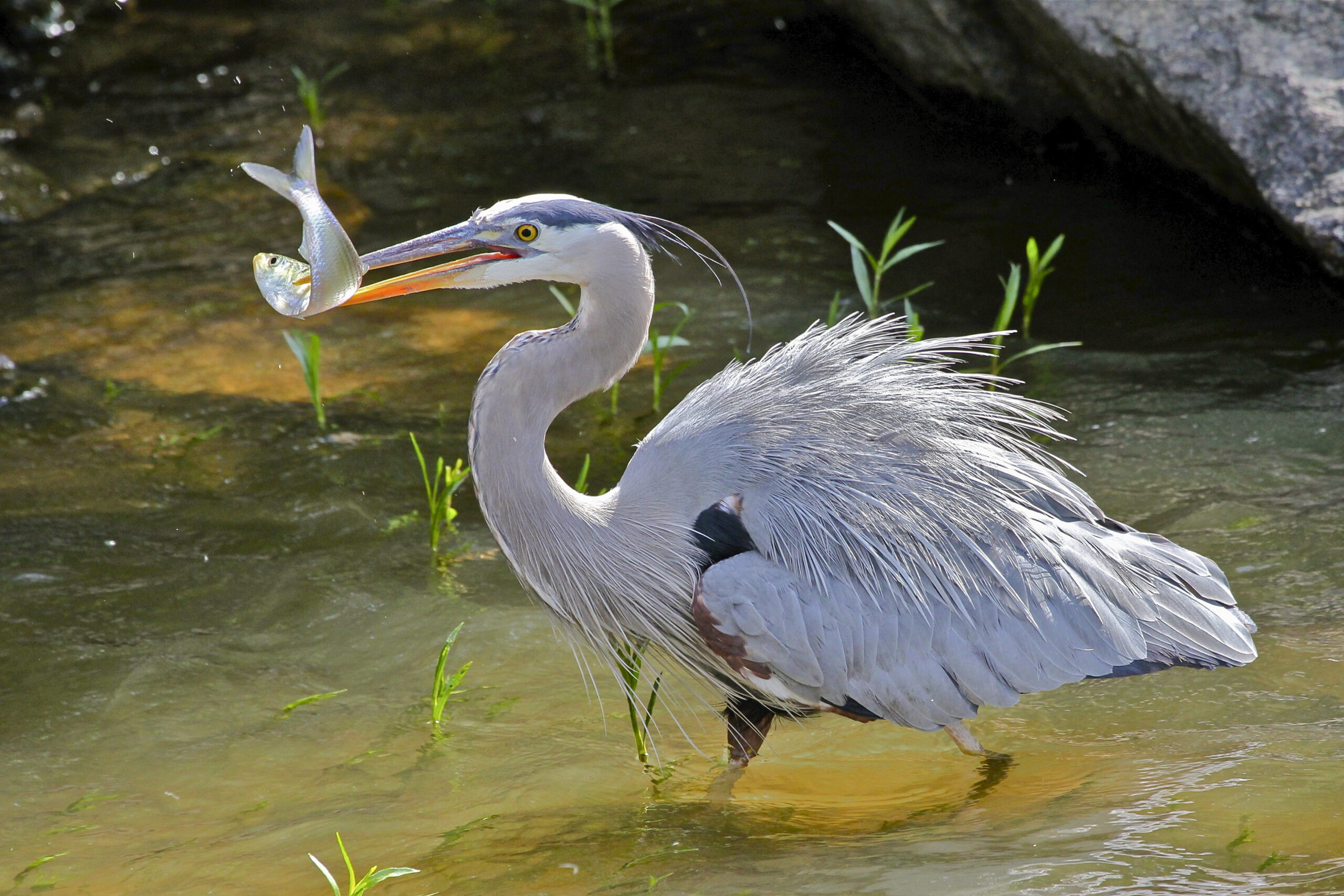
Plastic pollution is a critical threat to the natural environment, an estimated eight million metric tons of plastic entered the ocean in 2010 and that number continues to increase every year. In some areas, sea turtles were found to ingest plastic in 2019 at double the amount since the 1980s, and research shows continuing rates of ingestion today.
Plastic ingestion and entanglement injures and kills countless marine birds and other wildlife every year. One impactful solution to this problem is engaging America’s higher education institutions on the dangers of plastics build-up, and how the problem can be addressed through the reduction of purchase and use in campus dining facilities, laboratories, academic buildings, and more.
The Plastics Reduction Partner, launched in 2022, is the only certification program in the U.S. that recognizes colleges and universities for taking action to reduce the purchase and use of single-use plastics on campus.
There are three levels of certification available: bronze, silver and green (introductory to advanced), and a comprehensive framework featuring four action areas, including building awareness, supporting behavior change, assessing and implementing operational change, and demonstrating institutional leadership.
The first step to becoming a Plastics Reduction Partner is to complete a commitment letter. Colleges and universities then proceed to work toward their chosen certification level by taking action and earning points in the four action areas.
The current list of institutions participating in the Plastic Reduction Partner program includes:
- Amherst College, Massachusetts (Commitment Letter)
- Bard College, New York (Bronze Certified)
- Bowling Green State University, Ohio (Commitment Letter)
- Butler University, Indiana (Bronze Certified)
- California State Polytechnic University, Humboldt (Bronze Certified)
- California State University Dominguez Hills (Bronze Certified)
- Carnegie Mellon University, Pennsylvania (Commitment Letter)
- Catawba College, North Carolina (Commitment Letter)
- Drexel University, Pennsylvania (Commitment Letter)
- Howard Community College, Maryland (Commitment Letter)
- Lewis University, Illinois (Commitment Letter)
- Northern Michigan University (Commitment Letter)
- Salisbury University, Maryland (Bronze Certified)
- St. Edward’s University, Texas (Commitment Letter)
- SUNY College of Environmental Science and Forestry, New York (Commitment Letter)
- University at Albany, New York (Bronze Certified)
- University of California, Berkeley (Commitment Letter)
- University of Massachusetts, Amherst (Commitment Letter)
- Wenatchee Valley College, Washington (Commitment Letter)
Participation in the Plastics Reduction Partner program is eligible for AASHE STARS materials management recognition credit. Additionally, NWF is a proud member of the #BreakFreeFromPlastic movement, and the Plastic Pollution Coalition.
Test your knowledge
- How does plastic pollution impact sea lions and our natural marine environments?
- What is your plastic eco-score?
Learn more
- Butler University’s Sustainability Efforts
- How to become a Plastics Reduction Partner
- Plastic Pollution Impacts on Humans
- Wildlife Impacts from Plastic Pollution
The Plastics Reduction Partner certification program was designed by Amber Saxton, Sustainability Program Manager, Campus Efficiencies, George Mason University (Virginia), with support from Kristy Jones, Director, Higher Education Programs, National Wildlife Federation. The following campuses served on an advisory committee, providing feedback for improvement before launch of the program in early 2022: Knox College, Mount Holyoke College, SUNY College of Environmental Science and Forestry, Texas Tech University and The Ohio State University.
About National Wildlife Federation
Founded in 1936, the National Wildlife Federation is America’s largest and most trusted grassroots conservation organization with 52 state and territorial affiliates and more than six million members and supporters, including hunters, anglers, gardeners, birders, hikers, campers, paddlers, and outdoor enthusiasts of all stripes. NWF’s mission is to unite all Americans to ensure wildlife thrive in our rapidly changing world through programming focused on conserving wildlife, restoring habitats and waterways, expanding outdoor opportunities, addressing the causes and consequences of climate change, and connecting people with nature. Education plays a vital role in connecting people with wildlife. Through programs, curriculum, scientific reports, and more, NWF is furthering knowledge about nature and wildlife, and inspiring future environmental stewards.
 Written by Kristy Jones
