








We have much more to do and your continued support is needed now more than ever.
Shining a Light on Conservation (Not the Beach): How Coastal Communities are Working to Save Sea Turtles

A hatchling makes its way towards the ocean. Credit: Escambia County Marine Resources Division
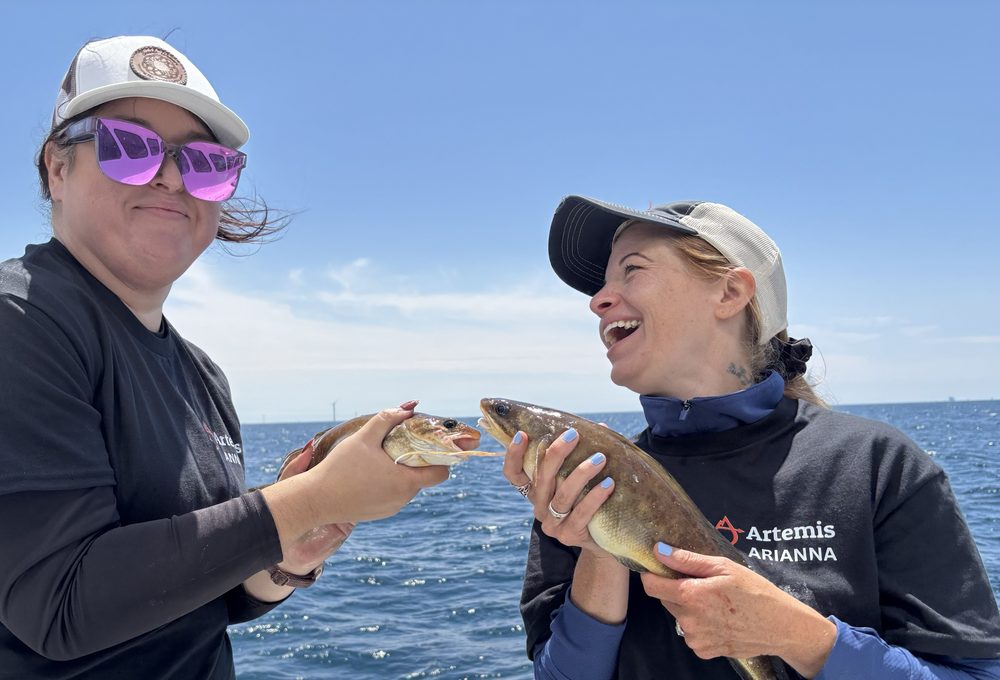
Our DaRin Butz Foundation National Wildlife Federation internship provided the opportunity to learn directly about the effects of coastal light pollution and to see those impacts firsthand. While participating in lighting surveys on Pensacola Beach, we observed how artificial lighting from nearby homes and businesses can disrupt nesting and hatching sea turtles. These experiences motivated me to share what we learned through this blog to raise awareness about sea turtle conservation.
Sea turtles dig the dark
These ancient ocean wanderers, who have existed for over 100-150 millions years, are currently enduring a population loss. While their numbers once reached the millions, they have dwindled to just a fraction of what they used to be.
Sea turtles face a multitude of threats from humans, with artificial lighting being one of the most serious, affecting both hatchlings and nesting turtles. There has been a 10% increase of light pollution in the world’s night sky each year since 2011, and there are an estimated 100,000 hatchlings disoriented in Florida alone each year due to artificial lighting.

Before Florida was developed, nesting sea turtles had no trouble finding a quiet, dark beach on which to nest, but modernization brings new threats: tourists, businesses and coastal residents living and sunbathing on their sandy beaches.
Beaches are now lined with condominiums, houses, hotels and restaurants, creating a heavily light-polluted wall of coastal development. Historically, the ocean horizon was naturally brighter than the dark dunes, meaning sea turtle hatchlings could easily find the sea.
Today, however, intense artificial lighting from coastal developments often prevents females from nesting and lures their hatchlings toward urban glare, into parking lots, pools and roads. Disoriented hatchlings that don’t reach the water quickly have lower chances of survival and may experience dehydration, starvation and predation.
Conservation Efforts
Reducing the amount of artificial light visible from nesting beaches is the first step towards protecting sea turtles. Coastal communities around the world have passed ordinances that require residents turn off beachfront lights, as well as cover or change bulbs for beachfront lights during turtle nesting season.

The amended Barrier Island Lighting Ordinance for Escambia County was passed in July 2023 and mandates that all exterior lighting on Perdido Key and Pensacola Beach use wildlife-friendly fixtures to protect nesting sea turtles and hatchlings. Compliance is required by January 1, 2028. Lights must be low-wattage, shielded, and long-wavelength (<580nm).
Annual lighting surveys are conducted on the barrier islands to document lighting conditions and protect wildlife, particularly sea turtles. These surveys help identify non-compliant lighting and provide property owners with information on their lighting practices.
The data collected is used to create a searchable map that allows users to view recent survey results and property information, ensuring compliance with the Barrier Island Lighting Ordinance.
You can find local wildlife lighting regulations by searching municipality ordinances in Municode. Try searching for key terms like “sea turtle lighting,” “wildlife-friendly lighting” or “coastal lighting.” You can also narrow your results by looking for technical standards such as “shielding,” “long wavelength” or “amber/red LED”.
How can you help?
The expansion of Florida’s coastal communities requires a collective effort to preserve our unique biodiversity and natural environments. Here are some quick tips:
- Illuminate responsibly, following the requirements in your local lighting ordinance for sea turtle protection.
- When visiting the beach at night, leave portable lights (flashlights, cell phones) at home.
- Remove purely decorative lights from your property and turn off exterior lights when they are not in use.
- Try to reposition or replace fixtures or bulbs so that the light is no longer visible or is directed downward onto your property and away from the beach.
- Prevent interior light from escaping by closing window coverings, using window film and moving light fixtures away from the windows.
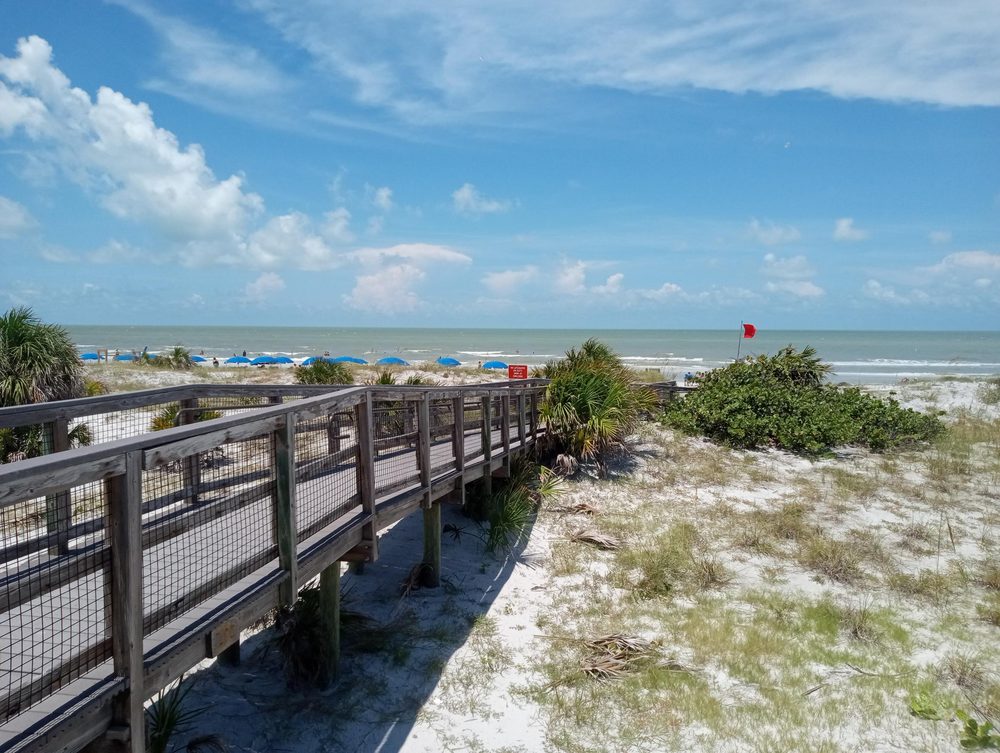
- When visiting the beach, use designated walkways and walkovers. Do not walk on or through the dunes, which can damage them and kill plants. Blooming dunes stabilize nesting beaches, cool the sand to balance hatchling gender ratios, and help to block artificial light that disorients hatchlings.
- If you have a beachfront property, consider planting native species to help restore these natural barriers. This action helps to provide essential nesting habitat and a critical light shield for sea turtles.

In Florida, recommended native dune plants include Sea Oats, Panic Grass, Railroad Vine, Beach Sunflower, Beach Carpet, Saw Palmetto, Sea Grapes, Sea Purslane, and Blanket Flower. These hardy plants thrive in harsh coastal conditions, easily withstanding salt spray, strong winds, and poor soil quality.
Common signs that hatchlings are in trouble include disorientation and fatigue. Nesting sea turtles typically face different issues, such as abandoned nesting attempts (false crawls), injuries, or becoming stranded.
Because all sea turtles are federally protected, never handle them yourself; always call authorized professionals to assist with sick, injured, or stranded turtles (1-888-404-FWCC).
By changing how we use lights and following local rules, we can keep the coast safe for these ancient travelers. Whether you’re dimming your own beachfront lights or advocating for darker skies in your community, your actions directly protect the next generation of hatchlings. Every bulb shielded and every light turned off helps restore the natural environment, because sea turtles dig the dark.
