














We have much more to do and your continued support is needed now more than ever.
Data Centers are Driving Up Your Energy Bill
As utility bills rise, clean and renewable energy is still the solution we need.
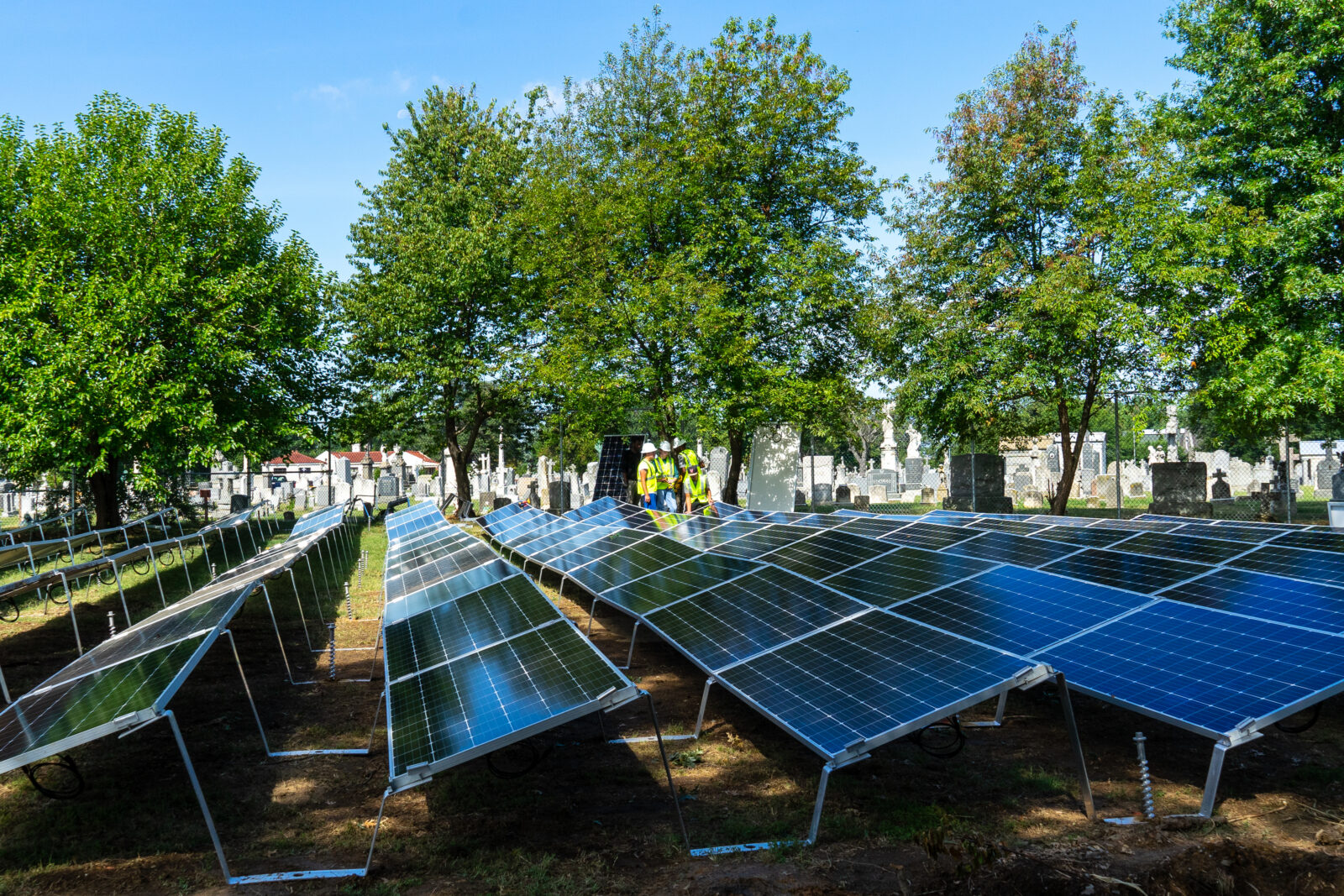
Community solar farm in Northeast D.C. Credit: U.S. Department of Energy
Electricity demand in the United States is growing faster than it has in over 20 years. One major reason? Data centers.
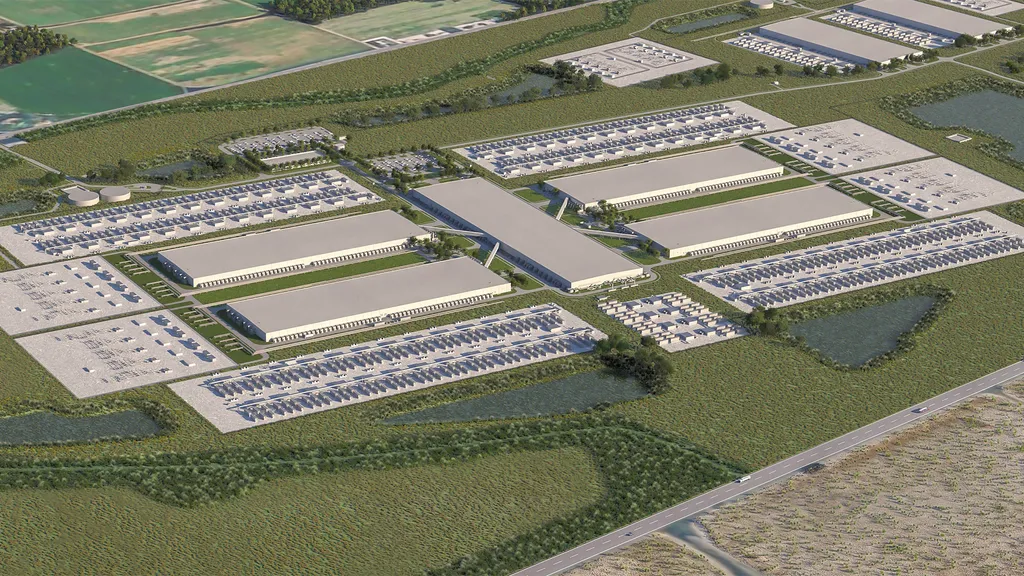
With the gratuitous rise of artificial intelligence (AI), tech companies are quickly trying to build the infrastructure needed to power these hubs. New data centers are popping up across the country, with large-scale data centers requiring enormous amounts of electricity to run around the clock.
That growth presents a challenge. Without careful and thoughtful planning, this AI-fueled energy demand can put pressure on the grid and increase costs for families and businesses—in fact, it already is. Last year, utilities received requests from data centers for at least 700 gigawatts (GW) of power connection.
It’s important to understand this number because the entire country’s average power generation is only around 500 GW. Even if some of these projects are never built, the requests still lead to a ramp-up in energy infrastructure including power plants, transmission lines, and transformers. And those costs are passed on to households and businesses.
Clean energy has become the cheapest form of energy, but wind and solar still only account for 17 percent of the country’s energy generation. The biggest barrier to deploying clean energy is usually transmission. Without enough transmission to deliver cheaper clean energy to where it’s needed, over 900 GW of solar and wind projects sit waiting in queue, and utilities often default to more expensive fossil fuel generation instead.
In this moment where Americans are feeling the squeeze of rising electricity bills, expensive groceries, and high prices at the pump, we need to fully invest in an energy system that is more affordable, more resilient, and more reliable than the one we have today. Clean energy is central to that solution.
Renewables Remains the Cheapest Form of Energy
For years, clean energy was framed as something we should invest in for the future. Well, the future is here and we are unprepared.
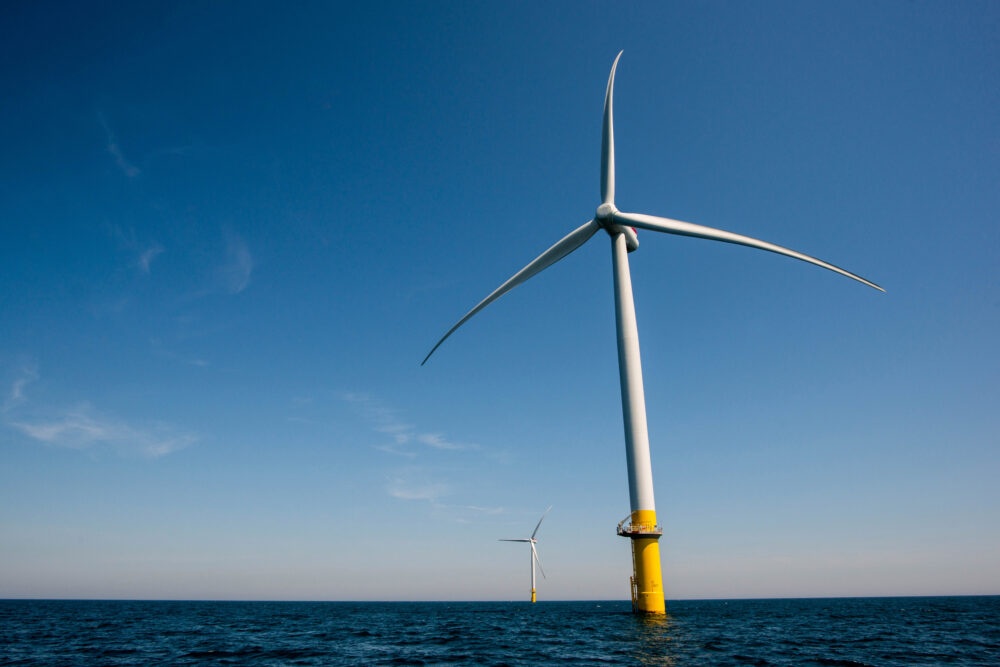
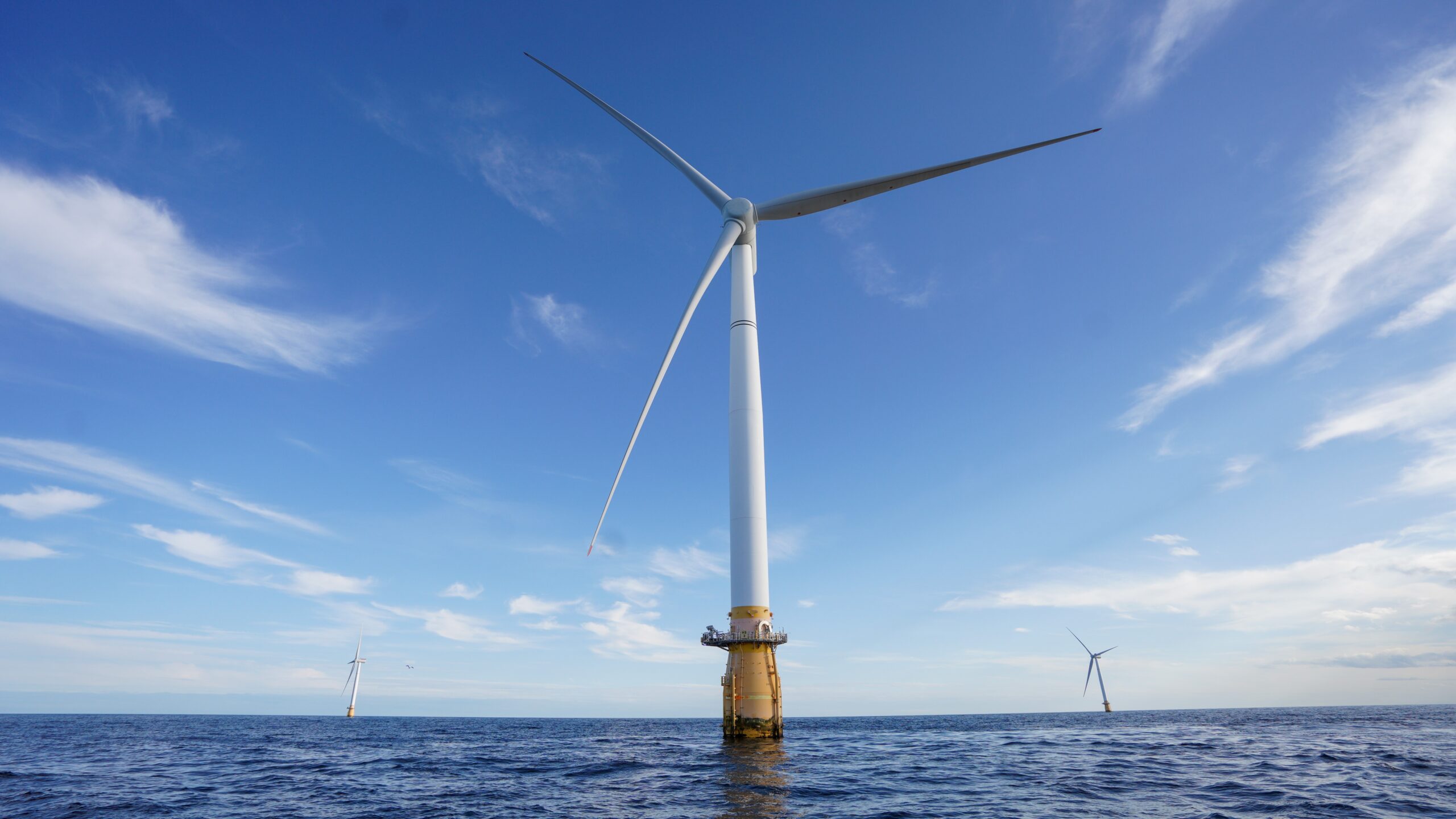
The good news is that renewable energy like wind and solar, when paired with battery storage, remains the most cost-effective form of new-build energy generation even without tax subsidies. Plus, there’s no volatile gas price or imported fuel cost to worry about. The sun shines. The wind blows. And when they don’t, we can tap into the energy stored in the system’s batteries. That helps protect customers from the price spikes that fossil fuel markets and international conflicts bring.
Beyond wind and solar, emerging technologies like next-generation geothermal can play an important role. It taps into the Earth’s internal heat to generate electricity, using underground heat, instead of coal or natural gas, to drive steam to spin the turbines. That heat is free, non-emitting, and endlessly renewable.
What makes it “next-generation” is its potential to go beyond traditional geothermal resources which are limited to specific locations. New drilling technologies allow next-generation geothermal to be developed in more places and deliver power more locally. Continued research and development are needed, but the opportunity is clear—dependable, non-polluting power available 24 hours a day, 365 days a year.
Clean Energy Gives Us More Options, Not Fewer
Extreme weather is becoming more frequent and more expensive. Heat waves, hurricanes, wildfires, and winter freezes are testing aging energy infrastructure across the country. A more resilient, well-connected grid is better equipped to respond.
Solar paired with battery storage can keep power flowing when the grid is strained during peak demand. Distributed energy resources like rooftop solar and community solar can reduce some pressure on the grid, especially at the local level.
Wind generation often complements solar production across seasons and times of day. Together, these technologies create a more flexible system that can adapt when conditions change.
Opponents of clean energy question whether it’s reliable enough. But reliability is about building a balanced system with multiple sources working together. That means combining wind and solar with battery storage, transmission upgrades, demand flexibility (especially from large electricity users like data centers), geothermal, and other cleaner, non-polluting technologies. It also means modernizing the grid so it can move electricity where and when it’s needed.
A Healthy Environment and Economic Growth Can Co-Exist
It is a misconception that we have to sacrifice innovation and economic prosperity for a healthy planet. Clean energy is increasingly what makes economic growth possible. As electricity demand rises, we have a choice.
We can double down on outdated systems that pollute our air and water and drive up prices, or we can invest in the resilient energy solutions that have proven to be the cheapest, build the grid needed to deliver them, and ensure the largest electricity users pay their fair share of the costs they trigger.
Our future depends on it.
