






We have much more to do and your continued support is needed now more than ever.
How to Garden for Pollinators Using Evolutionary History
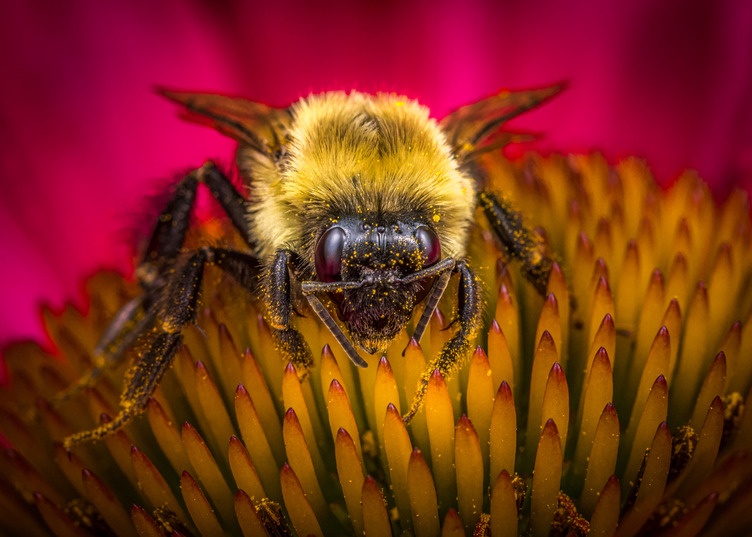
Common Eastern bumblebee. Credit: Bill Ravlin
There’s a quiet conversation happening in our gardens and it’s older than any one of us. A flower’s shape, color, scent, and the time of day it opens are all ways of saying something, something specific, about who’s invited to dinner. Every bloom is advertising to a particular pollinator, which has been coming for millions of years.
Once you learn to read those signals, planting for specific pollinator groups becomes easy. Here, we’ll teach you all you need to know to join the conversation!
Pollination Syndromes: How Plants Advertise to Pollinators
Not all plants are pollinated by animals, but about 90% of flowering plants have evolved to attract animal pollinators specifically. It benefits a plant species to focus on one pollinator or a group of pollinators. If all flowers shared the same pollinators, there’s a good chance a lot of pollen will be wasted as the animals visit every other flower species around.
Botanists call these signal patterns ‘pollination syndromes’: predictable traits that reveal which pollinator the flower is courting. Four of these traits do the most talking:
- Shape: Tube length, opening angle, whether there is space to land
- Color: Whatever is brightest in the target pollinator’s spectral vision
- Scent: Sweet, musky fermented, or absent entirely
- Timing: Day or night openings, seasonal peak
These rules aren’t ironclad (and plenty of flowers are visited by multiple pollinators), but they’re good indicators for who’s meant to show up. Here’s how these traits sort among six groups of pollinators.
Flowers that Attract Bees
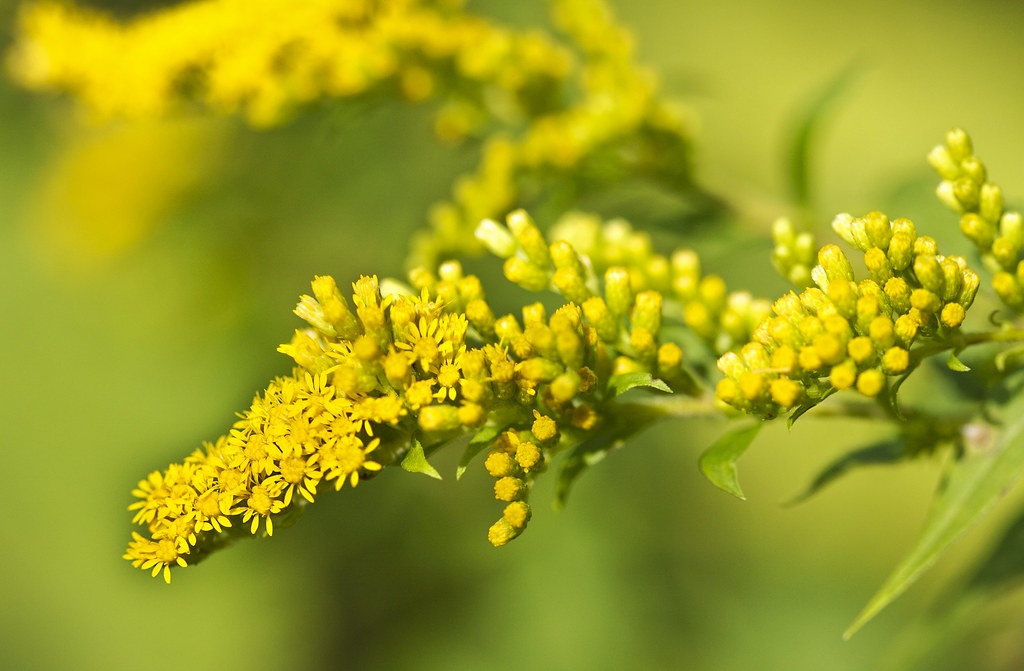


Bees are the workhorses of pollination, and was the first species group to evolve as pollination specialists. Flowers built for them tend to be generous with nectar and easy to use.
- Shape: open bowls, landing platforms, or short tubes they can wedge into
- Color: yellow, blue, and purple
- Scent: fresh, sweet, pleasant, strong floral perfumes
- Timing: warm daytime hours (bees turn sluggish below about 55°F, so temperature matters)
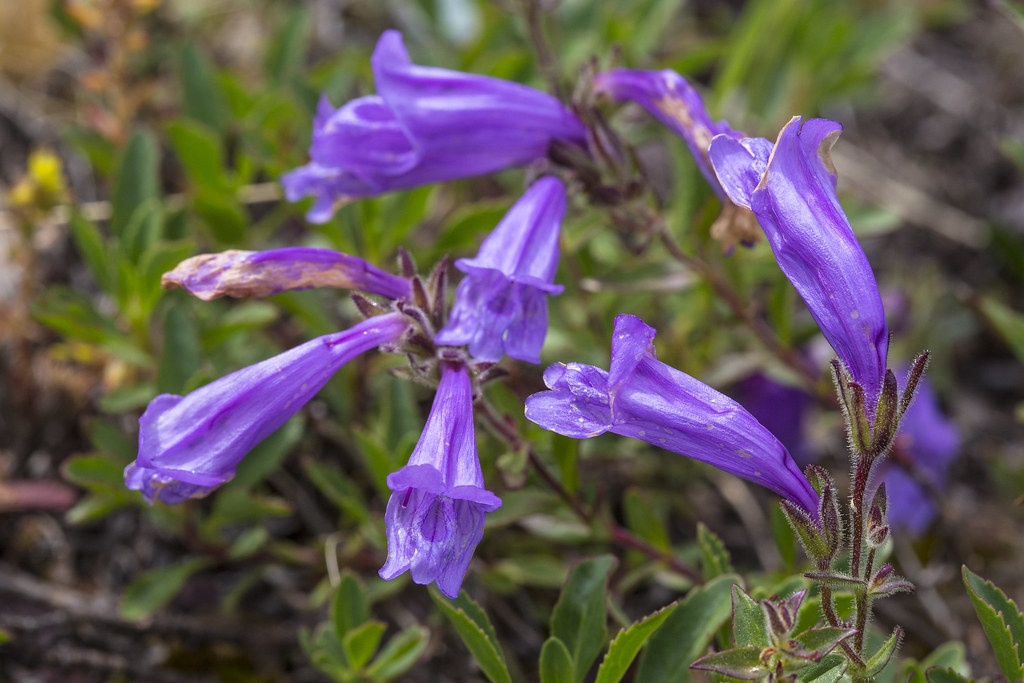
Native examples: penstemon, goldenrod, sunflower, and baby blue eyes
Flowers that Attract Butterflies


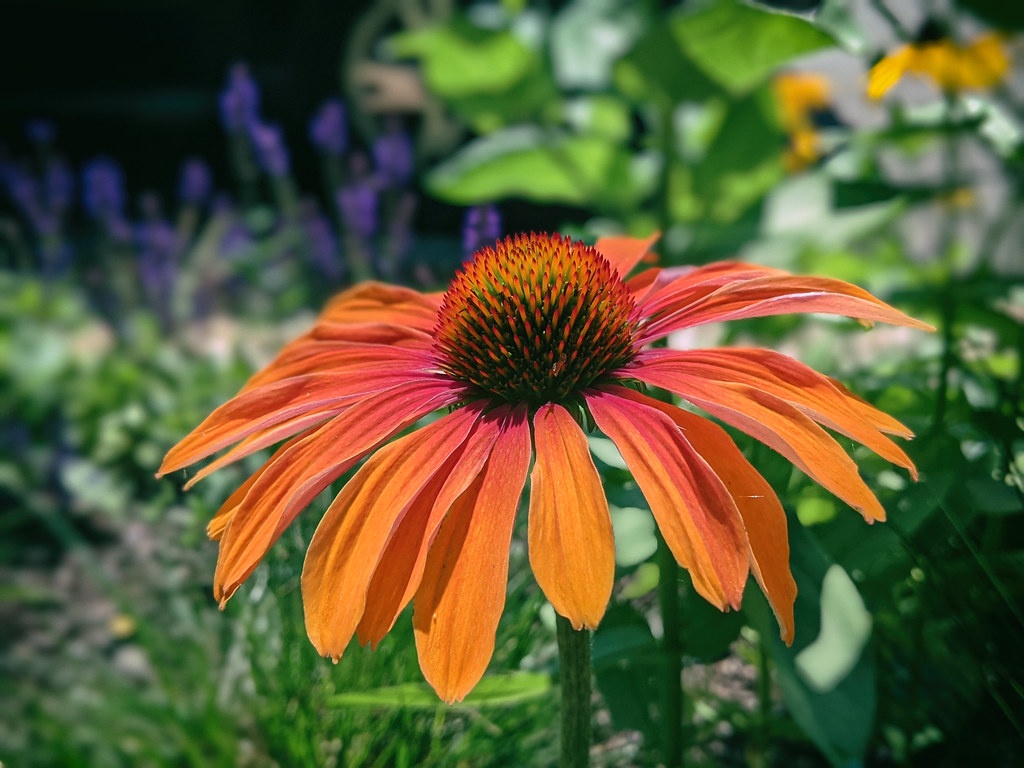
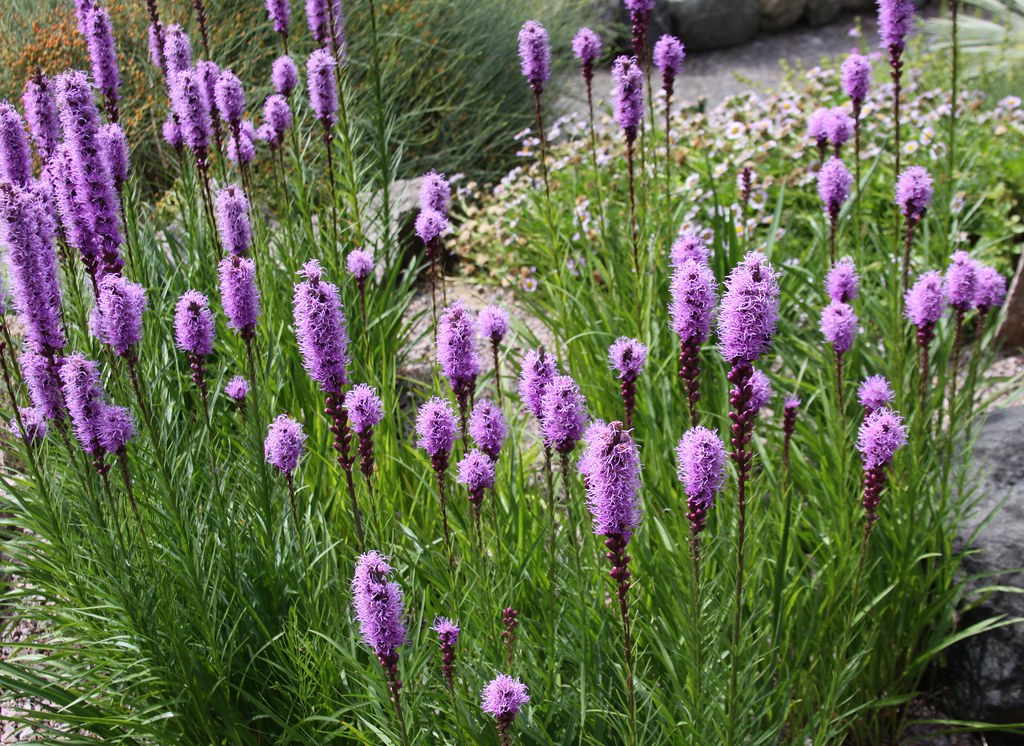
Butterflies forage mostly by sight and can’t hover, so they need flashy flowers that double as a landing strip. Many flowers built for butterflies also end up attracting some bees.
- Shape: flat, clustered flowers that act as a runway, or long narrow tubes that match a coiled proboscis
- Color: bold pinks, oranges, and purples (butterflies can see muted reds that most bees miss!)
- Scent: faint to mild; showy color is more important
- Timing: daytime in full sun, since most butterflies need to bask before they can fly well
Native examples: Joe-pye weed, butterfly weed, coneflower, and blazing star
Flowers that Attract Moths

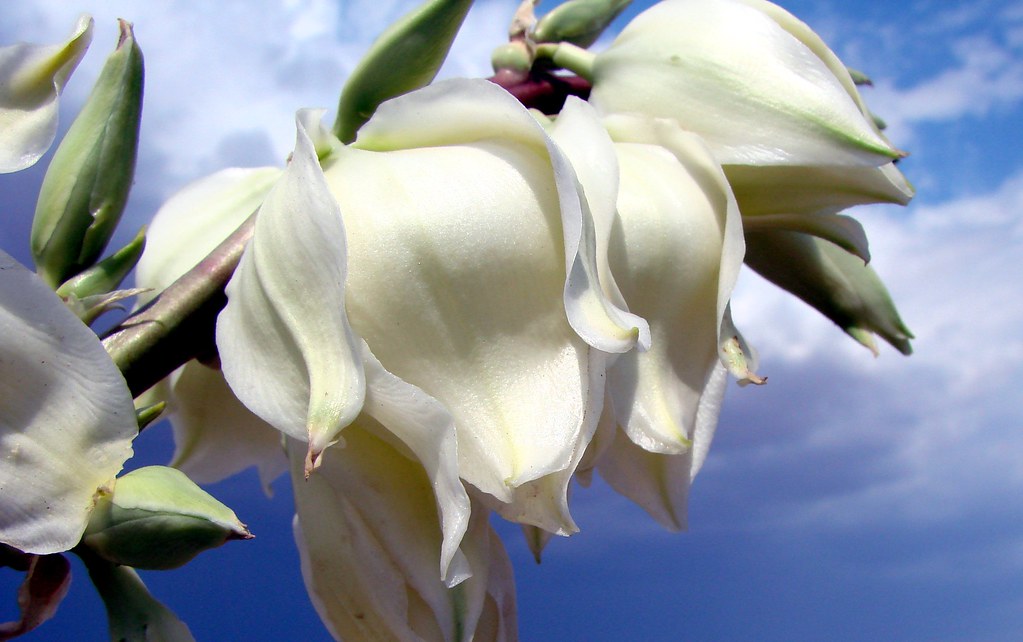
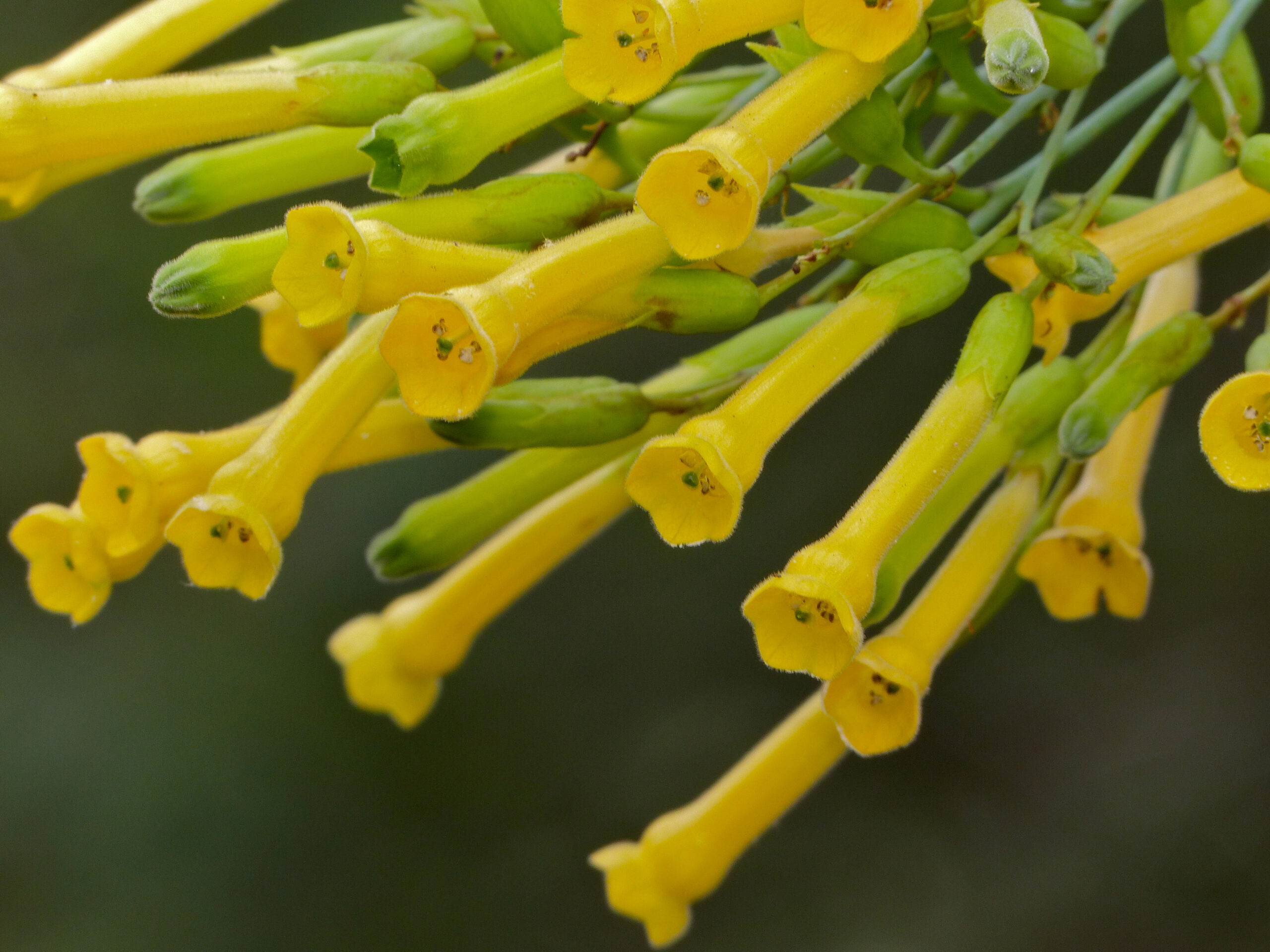
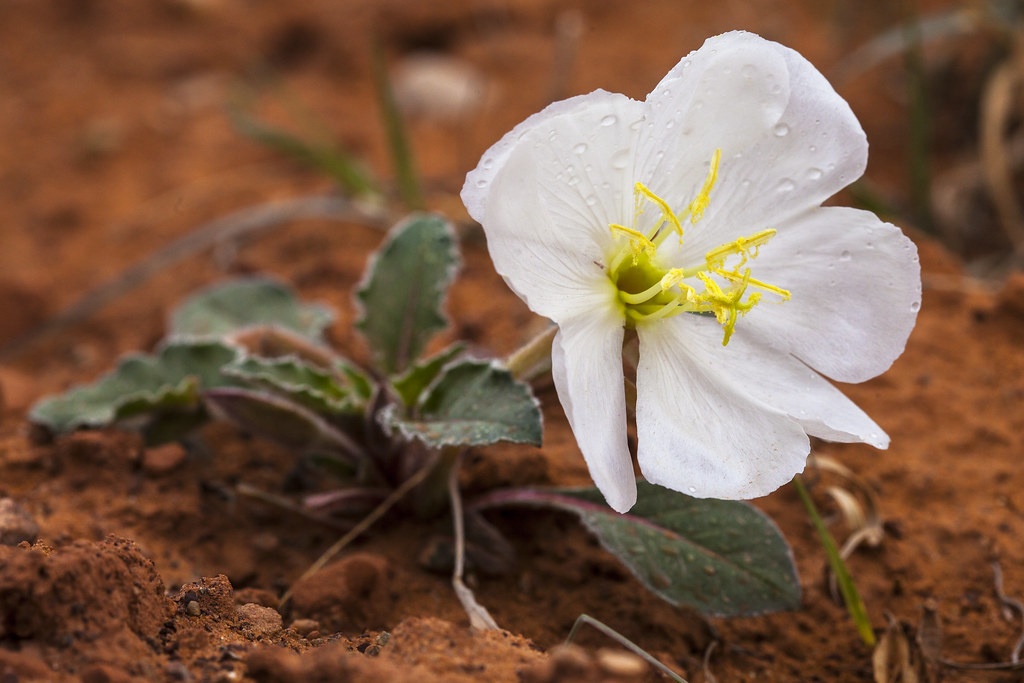
When the bees clock out, the moths clock in. In fact, moths evolved from butterflies and took the night shift to take advantage of nectar resources when butterflies aren’t active. Color is far less important than scent for night foragers.
- Shape: long narrow tubes for hovering hawkmoths; open dishes for smaller settling moths
- Color: white, pale pink, or dull yellow (colors that hold light at dusk and catch moonlight)
- Scent: strong and sweet, often released only after dark
- Timing: open or fragrant at dusk and through the night, with many closing by morning
Native examples: phlox, yucca, wild tobacco, and evening primrose
Flowers that Attract Hummingbirds
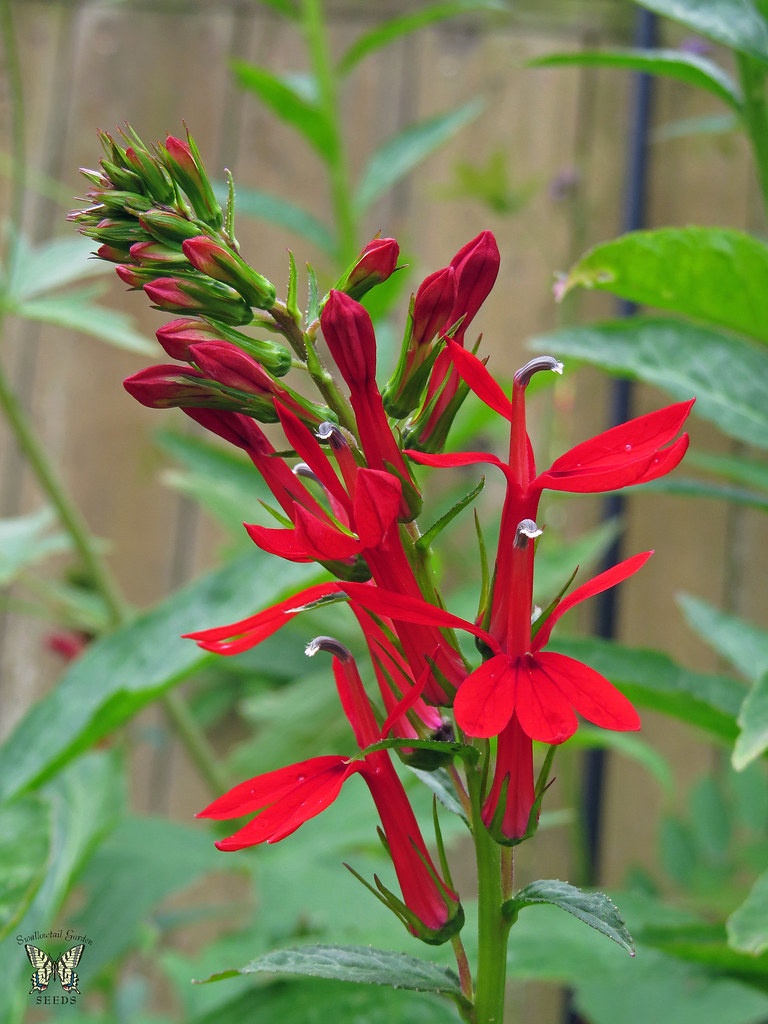

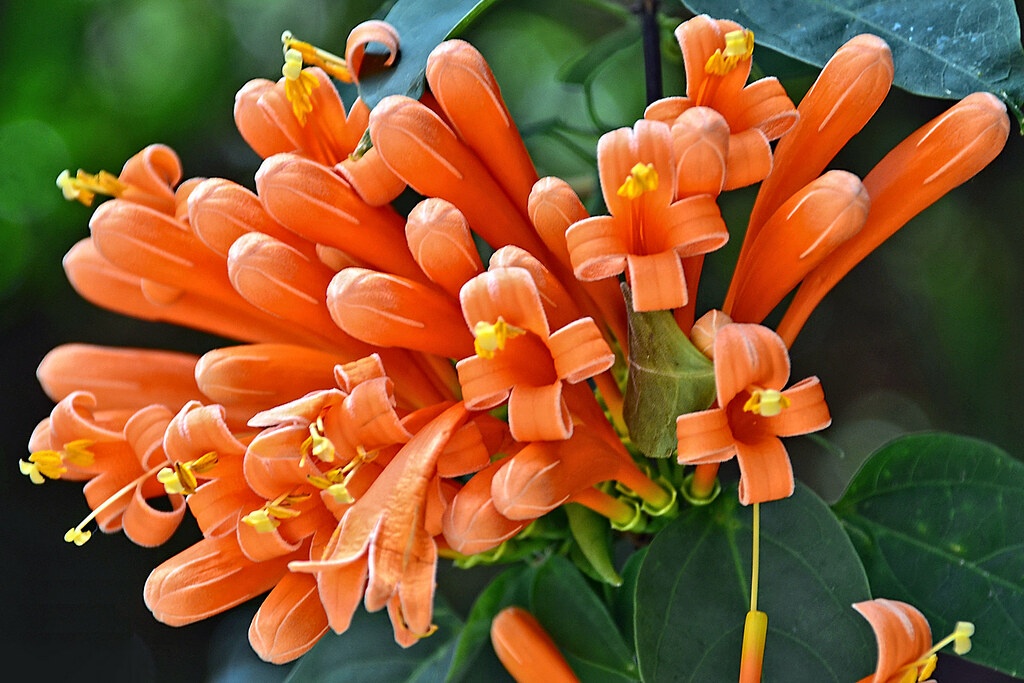
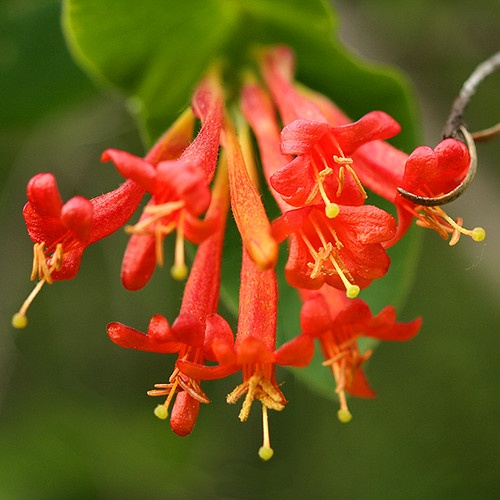
Hummingbirds, like many birds, have an underdeveloped sense of smell, but unlike most of our other pollinators, they can see red. Hummingbirds are also burn fuel very fast, so their flowers are bright, sugar-rich, and built to keep insects out.
- Shape: long narrow tubes, often tilted down or outward, that exclude most insects
- Color: bright red, orange, and hot pink (birds see red; most insect competitors don’t)
- Scent: little to none
- Timing: daytime, especially mornings and late afternoons when hummingbirds are most active, with nectar refilled often
Native examples: cardinal flower, wax currant, trumpet vine, trumpet honeysuckle
Flowers that Attract Bats
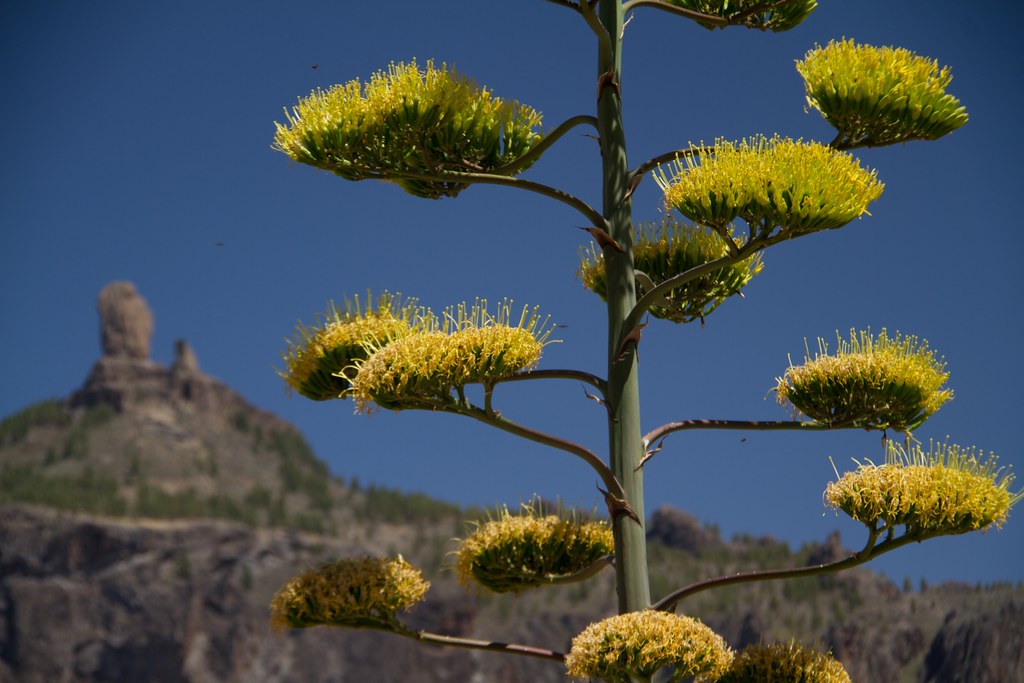
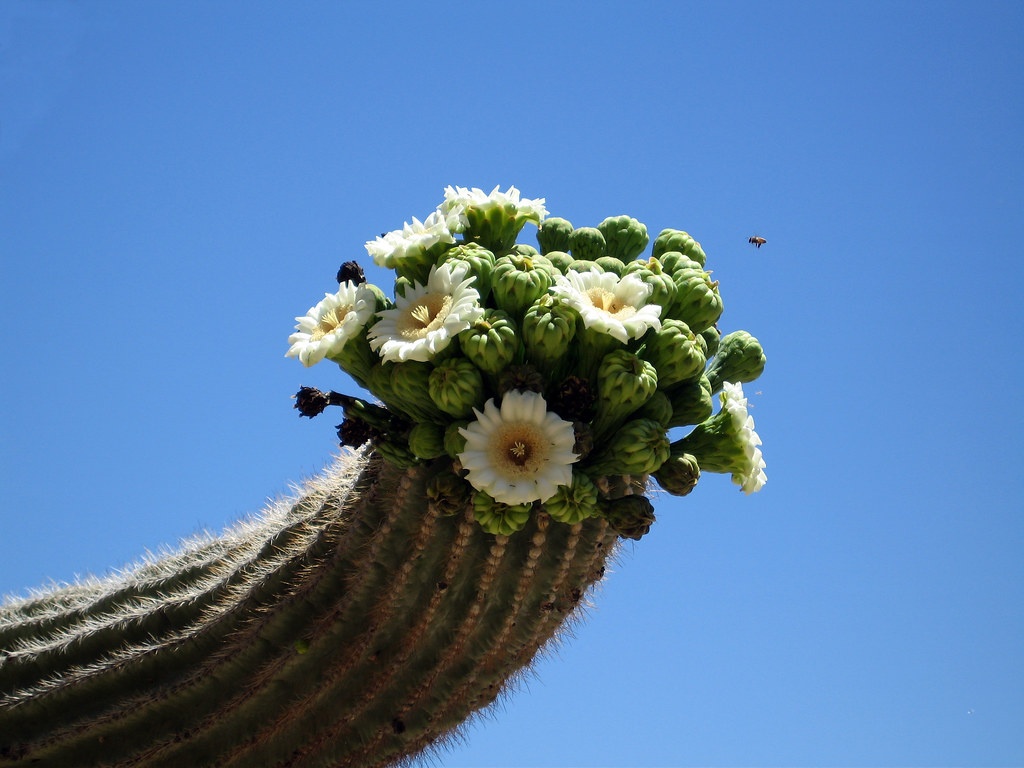

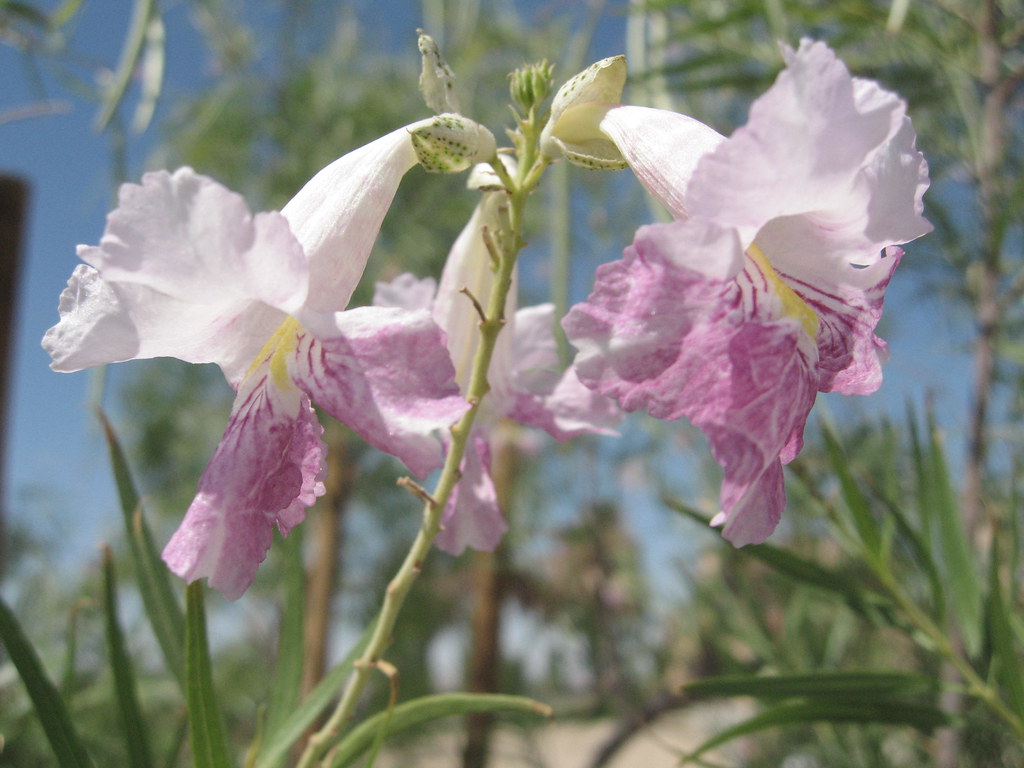
In the American Southwest and the tropics, nectar-feeding bats pollinate many important plants—including the agave behind your margarita! Because bats are much larger than other pollinators, flowers signaling for bats must provide a large amount of dilute nectar.
- Shape: large, robust, bowl- or bell-shaped flowers; many must be sturdy enough for a bat to rest, but some bats hover
- Color: pale white, green, or purple (because bats navigate with echolocation rather than sight, color barely matters)
- Scent: strong, musky, fermented, sometimes sulfurous
- Timing: open at night, often for a single night
Native examples: agave, saguaro, organ pipe cactus, and desert willow
Flowers that Attract Carrion Flies


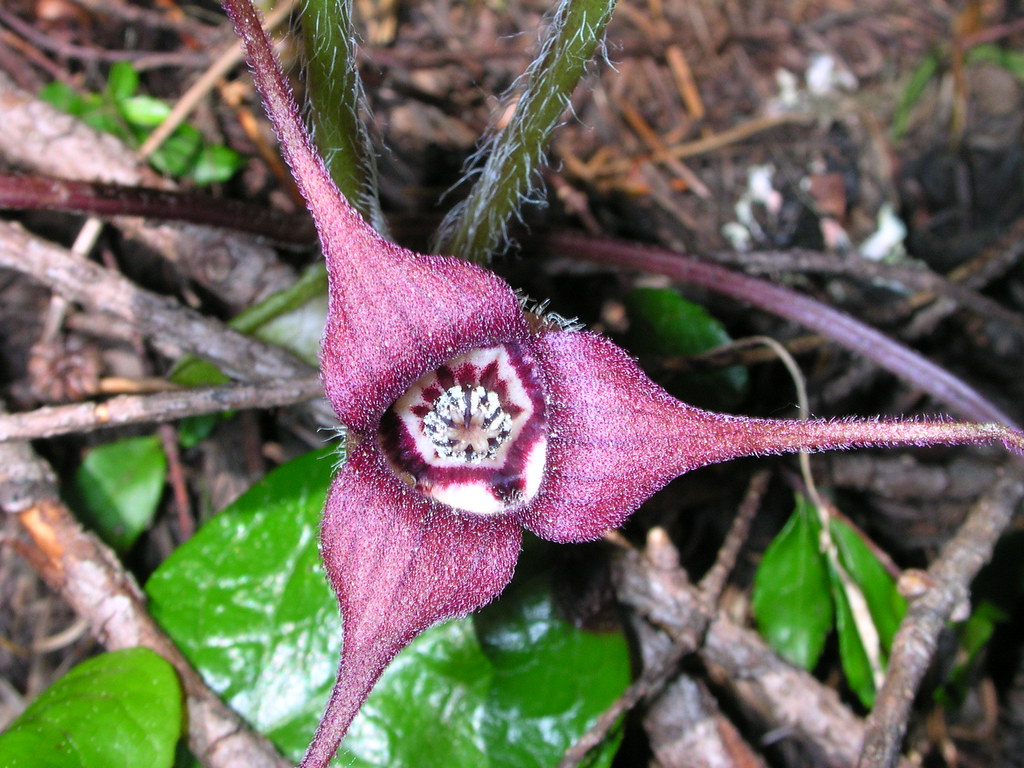
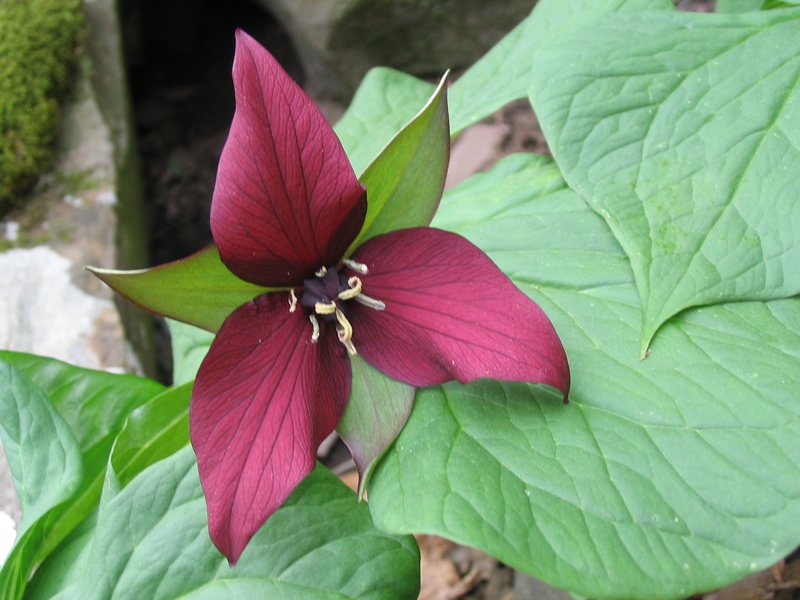
Not every pollinator wants a sweet reward. Some flowers court carrion flies by impersonating exactly what flies love—rot. These flowers do not reward their pollinators with nectar. They don’t even produce nectar!
- Shape: deep, trap-like flowers that mimic carrion or dung
- Color: dull maroon, brown, mottled green, or speckled to mimic corpses and rot
- Scent: strongly putrid, like rotting meat or feces
- Timing: day or night, depending on species; flies stay active in cool, cloudy weather
Native examples: pawpaw, skunk cabbage, wild ginger, and red trillium
A Pollinator-Plant Cheat Sheet
Use this cheat sheet to learn the language of plants and pollinators!

Invite Pollinators to Your Garden
You don’t need to court every pollinator on this list (and depending on where you live, you couldn’t). The point is to plant with intention: choose natives that match the pollinators already in your region, and aim for a range of colors, shapes, and bloom times so something is always advertising!
Check out NWF’s Native Plant Finder to see which native plants support the most butterflies and moths where you live!
