








We have much more to do and your continued support is needed now more than ever.
Where Indigenous Stewardship Meets Federal Policy
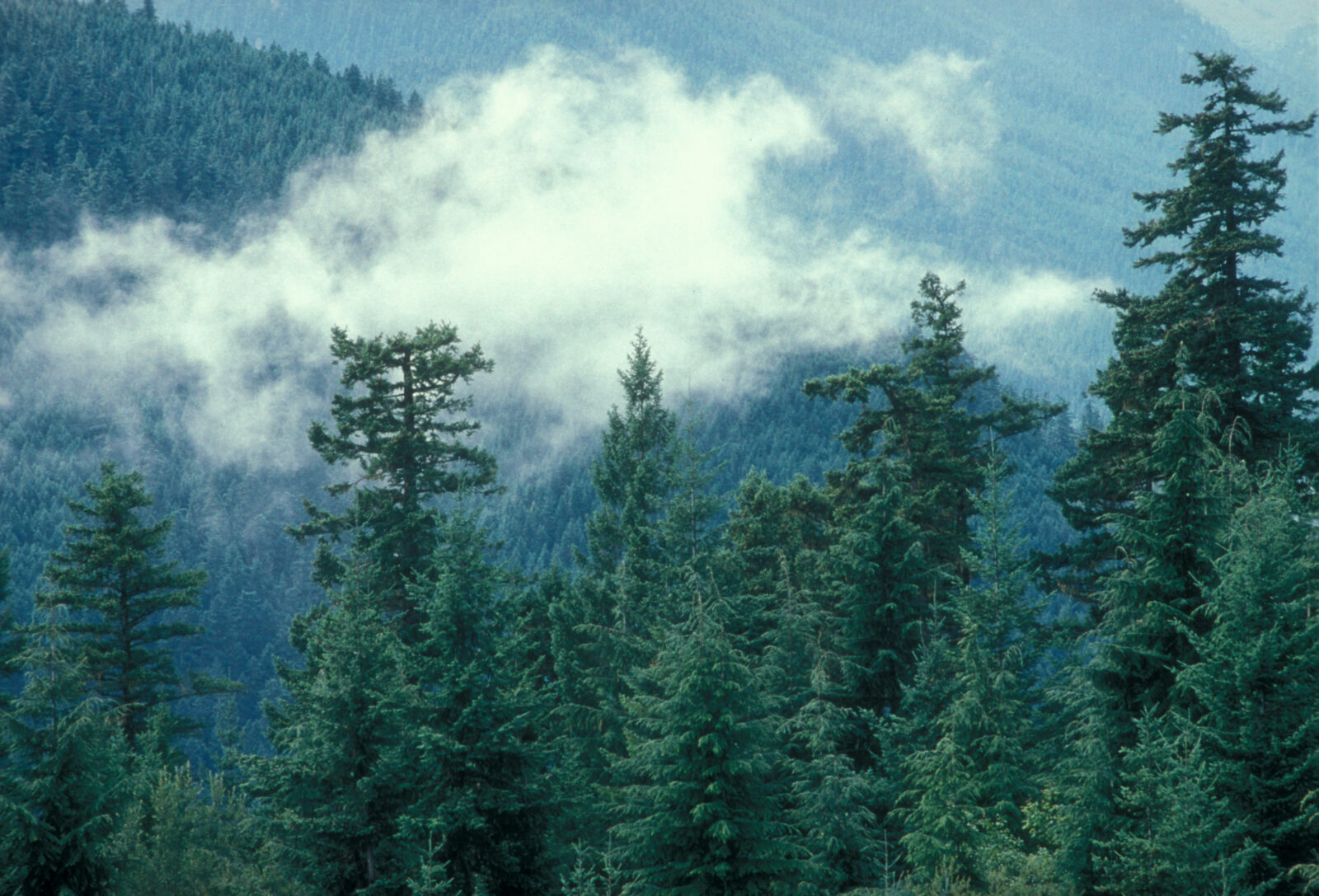
Clouds forming over the Buckhorn Wilderness at the Olympic National Forest. Credit: U.S. Forest Service
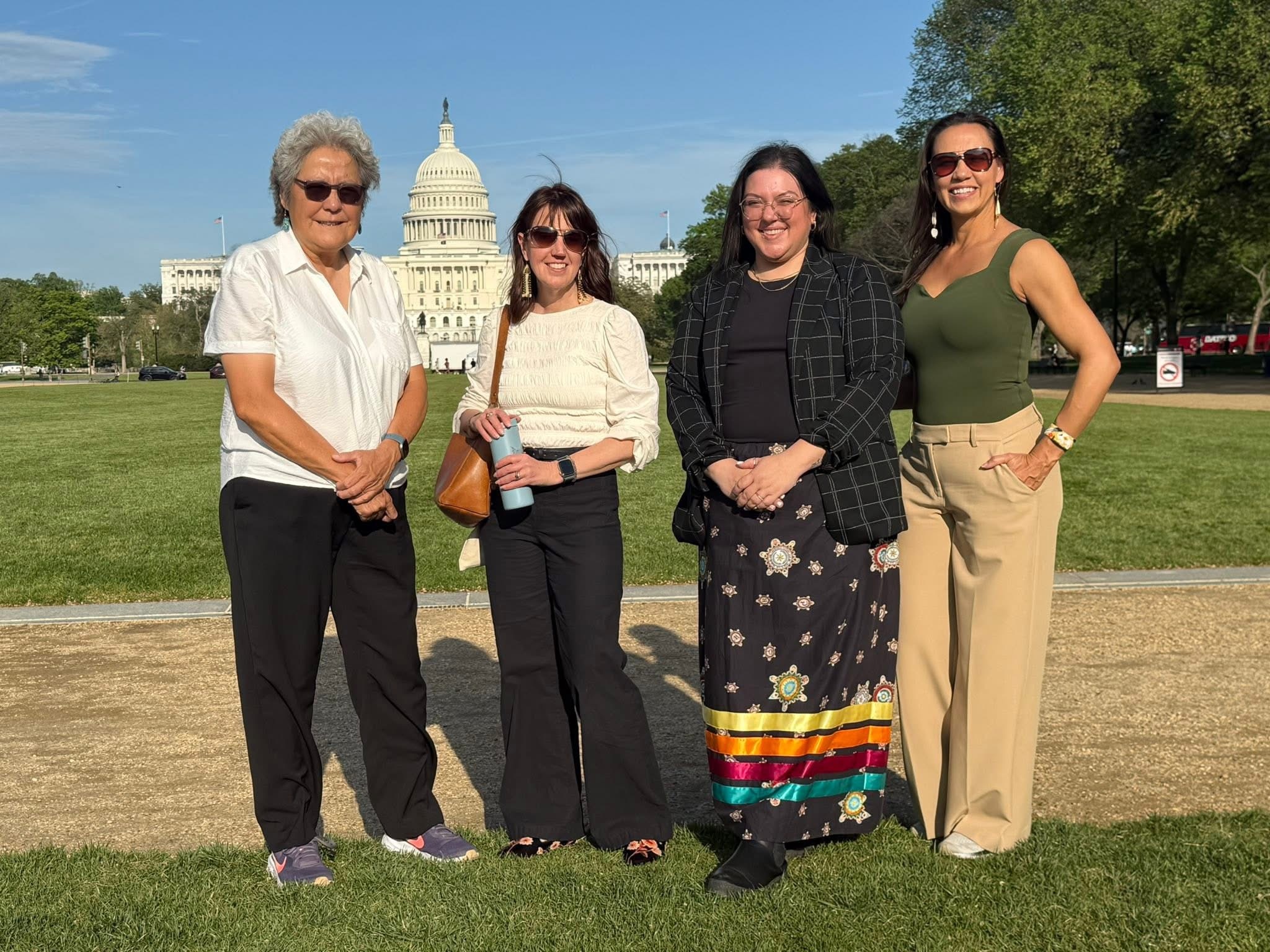
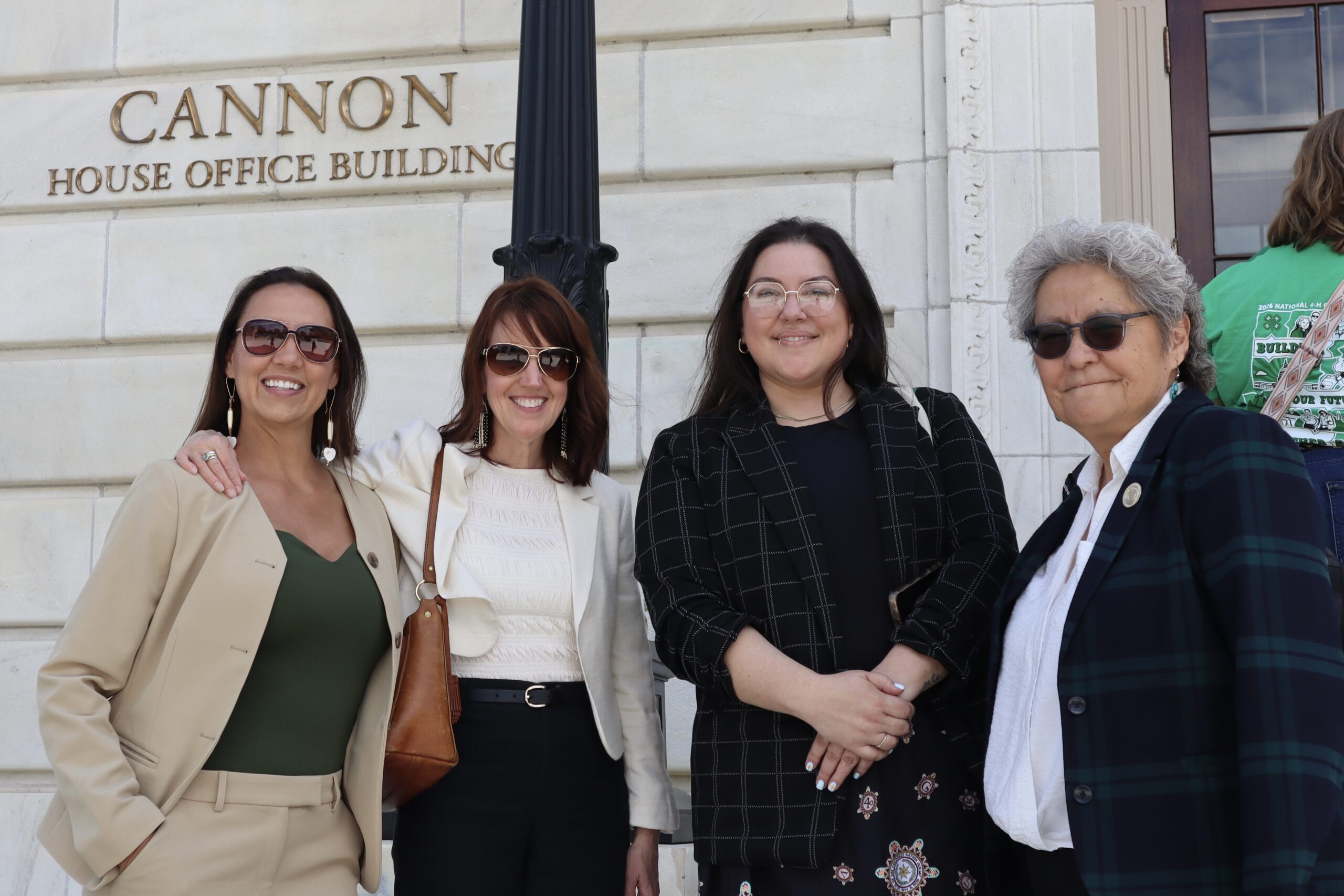
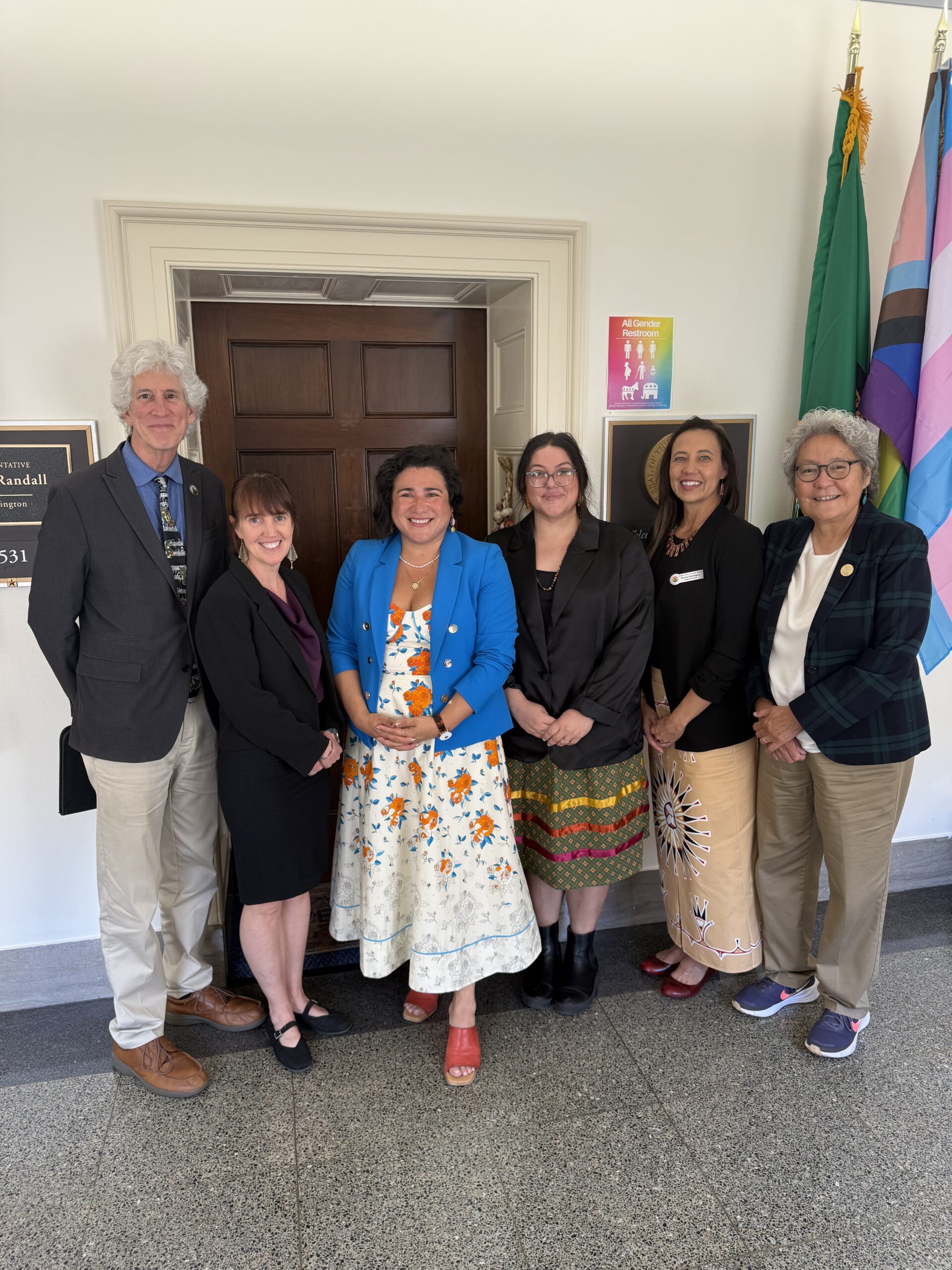
This spring, the National Wildlife Federation hosted a Tribal Advocacy Fly-In in Washington, D.C., bringing together Indigenous conservation leaders from across the country to share solutions and advocate for policies that protect wildlife, restore ecosystems, and strengthen Tribal stewardship.
Advocates representing Tribal nations met with members of Congress to discuss a range of priorities including wildlife habitat connectivity, grassland conservation, and native seed sovereignty.
Kim Sager-Fradkin, Wildlife Program Manager for the Lower Elwha Klallam Tribe in Washington State, spoke with congressional offices about wildlife connectivity legislation.
“We are seeing first-hand the consequences of habitat fragmentation due to housing development and highways,” stated Sager-Fradkin.
She noted that habitat fragmentation affects the long-term genetic health of wildlife populations, explaining, “Recent research shows that cougars on the Olympic Peninsula have lower genetic diversity than cougars elsewhere in Washington State, which could portend trouble for the future.”


Sager-Fradkin also emphasized the importance of passing the Recovering America’s Wildlife Act (RAWA), which would provide critical funding for Indigenous-led conservation efforts. “Please encourage your Congressional representatives to support wildlife movement bills as well as RAWA for the good of the next seven generations,” she stated.
Merissa Dominguez, Program Director for the Buffalo Nations Grasslands Alliance, highlighted how Tribal leadership is shaping the future of grassland conservation through support for the North American Grasslands Conservation Act. This bill would provide designated funding to Tribal nations for grassland conservation and include Tribal representation on the program’s governing council.
With more than 70 percent of America’s tallgrass, mixed grass, and shortgrass prairies already lost, grasslands are among the most threatened ecosystems in North America. These landscapes serve as critical habitat for wildlife and places of immense cultural significance for Indigenous communities.
“This legislation recognizes the deep connection Tribes have to these landscapes and the importance of supporting Indigenous leadership in conservation,” Dominguez stated, “I’m grateful for the opportunity to advocate for this work and help raise awareness about the importance of protecting our grasslands for future generations.”
Katie Smith-Easter, Indigenous Land Stewardship Coordinator for the Southeastern Grasslands Institute and a citizen of the Cherokee Nation of Oklahoma echoed Dominguez’s emphasis on the connections between Indigenous communities, native seeds, and grasslands.
“For Native people, our cultural identity is not separate from the land that holds us,” she stated. “The continuity of our cultural lifeways does not exist without our native seeds and grasslands.”
Smith-Easter advocated for policies including the Native American Seeds Act, the American Seed and Restoration Center Establishment Act, and the North American Grasslands Conservation Act, emphasizing the importance of strengthening native seed systems and Indigenous stewardship efforts across Turtle Island.
“Our country faces a critical native seed shortage, and our grasslands are disappearing at an alarming rate,” Smith-Easter stated. “Twenty five years will be too late. We need to act now.”
Throughout the fly-in, advocates shared how Indigenous knowledge, Tribal sovereignty, and investment in Tribal-led conservation are essential to addressing threats facing wildlife, ecosystems, and communities.
As policymakers consider conservation legislation in the months ahead, the voices shared during the Tribal Advocacy Fly-In served as a reminder that protecting wildlife and ecosystems also means supporting the communities that have cared for them since time immemorial.
