








We have much more to do and your continued support is needed now more than ever.
Cooperative Fish and Wildlife Research Units: The Backbone of U.S. Wildlife Conservation

Juvenile steelhead. Credit: John R. McMillan/NOAA
Steelhead—a rainbow trout known for its long migrations—is an anglers’ prize. In Idaho, the iconic species supports popular sport fisheries, drawing anglers from around the world and bringing in hundreds of millions of dollars annually.
But some wildlife groups were concerned about whether sport fishing for hatchery steelhead posed a danger to the species’ wild populations in Idaho. If wild steelhead—listed as threatened under the Endangered Species Act—were being seriously impacted, it could mean litigation or even fishery closures. The state needed answers.
Fortunately, scientists at the Idaho Cooperative Fish and Wildlife Research Unit are finding those answers. Led by the U.S. Geological Survey, Cooperative Research Units (or CRUs) bring together federal experts, university researchers, and state wildlife managers to provide decision-makers the information they need to address states’ most complicated natural resource questions.
The Idaho CRU worked with Idaho Fish and Game on research that found less than 1% of all the wild steelhead died as a result of the recreational fishery. As the Wildlife Management Institute noted, these sport fisheries are only legally possible when effective science can guide decision-making.
Unfortunately, CRUs across the country are under threat amidst an increasingly uncertain landscape for federal science funding. To understand why that matters, we need to talk about how CRUs work and what they do.
What is a Cooperative Research Unit?
Each CRU is a partnership among the U.S. Geological Survey, a host university, one or more state agencies, the Wildlife Management Institute, and the U.S. Fish and Wildlife Service. Doctoral, graduate, and undergraduate students join university faculty and other experts to conduct CRU research.
Today, there are 43 CRUs in 41 states, supporting over 1,000 natural resource and technical jobs in rural and urban communities. Pioneered by NWF founder Ding Darling, the CRU system was established in 1935 and codified by Congress in 1960.
What Do CRUs Do?
CRUs play several critical roles in U.S. wildlife management. They conduct cutting-edge research that state wildlife agencies rely on; they facilitate partnerships that allow limited resources to go further; and they provide crucial training for new natural resource managers.
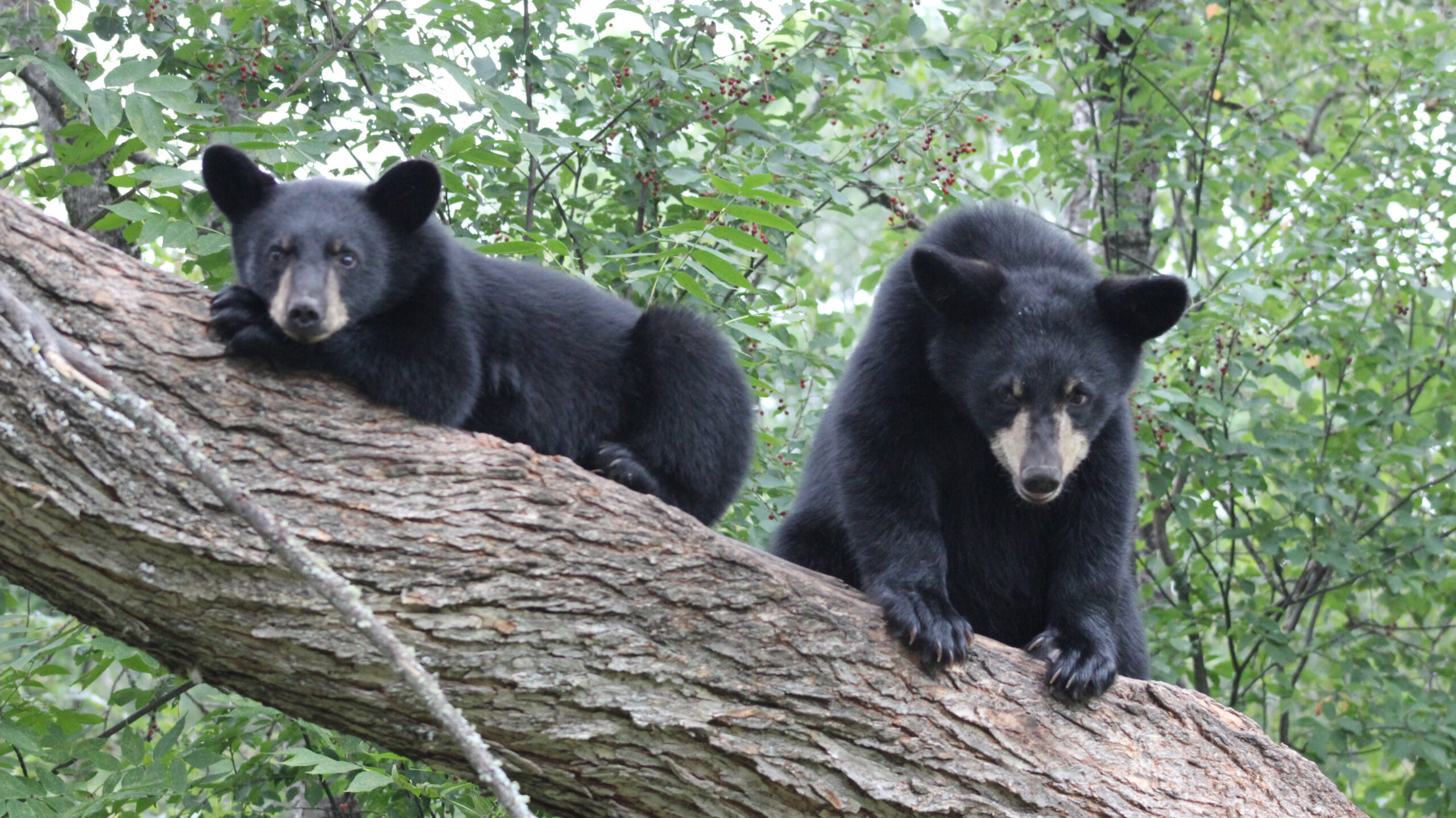
For example: one recent project supported by the University of Florida’s CRU focused on black bear populations in the state. Information about the species is critical for state policymakers—Florida held a controversial black bear hunt for the first time in a decade in 2025.
Spearheading the research was a University of Florida PhD student, working alongside other researchers from the USGS and the Florida Fish and Wildlife Conservation Commission, which funded the study. The CRU provides a structure for different partners to combine forces, pooling resources and expertise.
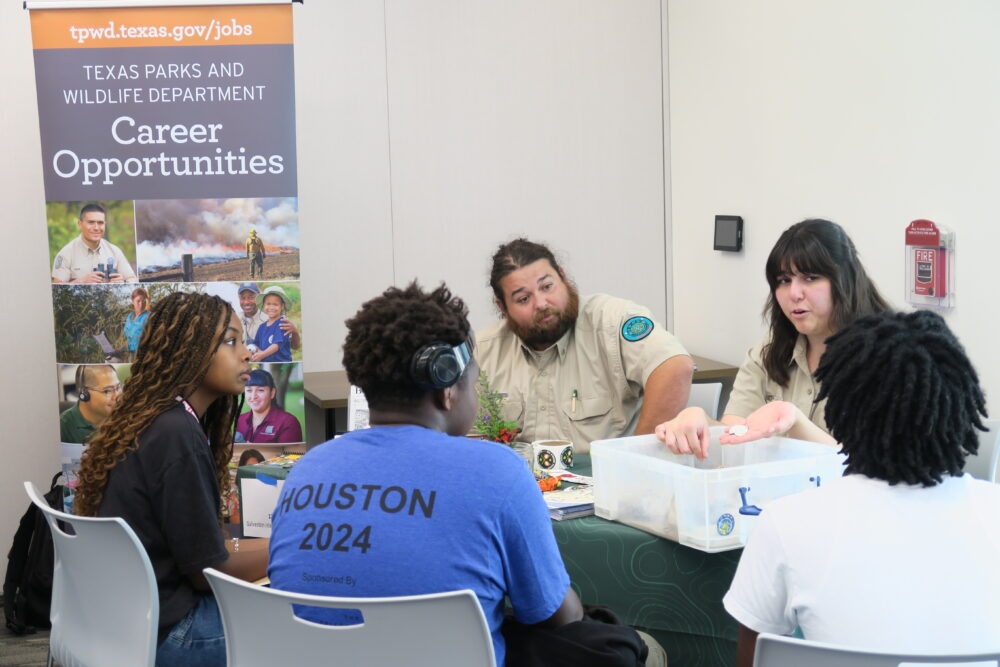
Meanwhile, students connect with mentors in natural resource management careers while contributing to research with real-world applications. As wildlife populations face increasing challenges across the U.S., training young conservation professionals is more important than ever.
Why We Need to Talk About This Now
Funding that the federal government had agreed to pay for CRUs in 2025 still has not reached host universities. The delay has left CRU researchers unpaid for completed work, and threatens the jobs and scientific capacity that CRUs support across the country.
To put a more human face on the problem—the University of Florida PhD student researching black bears, Darcy Doran-Myers, had her funding frozen. “The federal government would not honor its contract with the University of Florida to pay me,” she said, per a blog for The Wildlife Society.
The money had already been allocated by Congress and was previously approved by the agencies. It’s currently unclear how long the delay will last. Universities, natural resource managers, and other stakeholders involved in the CRUs have few options for carrying out critical research to recover wildlife when so much is up in the air.
What We Can Do About It
Your state likely has a CRU—and their work to better understand local wildlife helps protect your community’s water, air, and health. Take a look at your local CRU’s website and see what the team is working on. Get in touch with your members of Congress and tell them the U.S. Geological Survey’s CRUs deserve their support and attention.
CRUs are a win-win, providing additional support for state agencies, advancing our understanding of the natural world, delivering science-based solutions for balancing human impacts and managing wildlife, and fostering careers for aspiring scientists and natural resource managers.
When they’re functioning as they should, CRUs fly under the radar. But if we lose them, more species’ populations—from steelhead to black bears—will start to fall through the cracks, and there will be far fewer wildlife experts trained in how to pick up the pieces.
