




We have much more to do and your continued support is needed now more than ever.
Tolchester Marina Enters a New Era
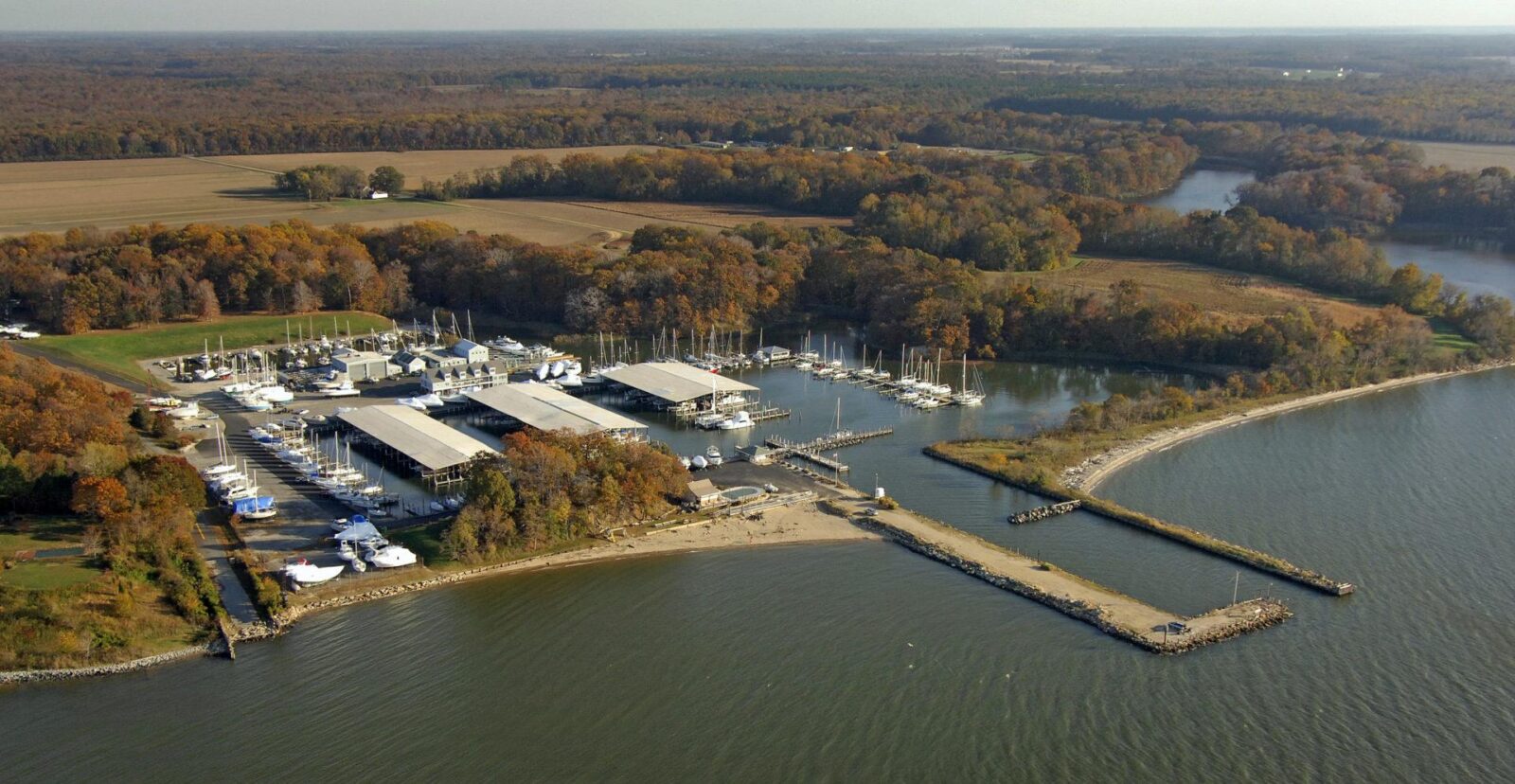
Tolchester Marina.
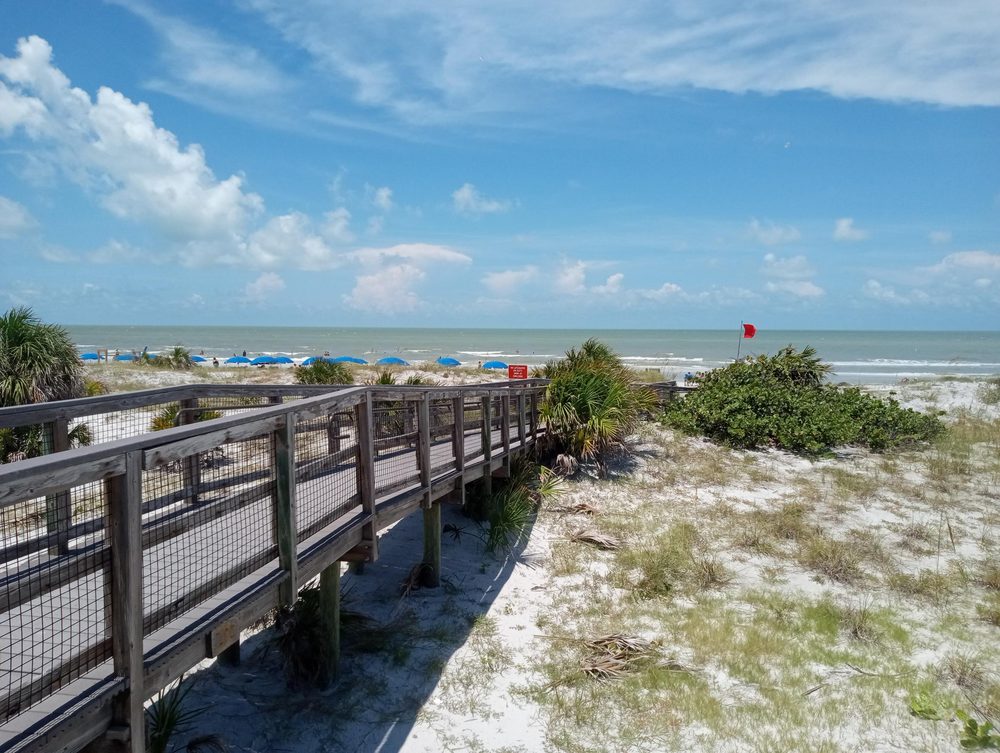
The National Wildlife Federation and Tolchester Marina are excited to announce the start of a new endeavor together thanks to funding from the National Fish and Wildlife Foundation: reimagining the historic shoreline at Tolchester Beach to design a beach that encourages recreation while protecting habitat and reducing erosion.

Tolchester Marina’s historic beach has welcomed visitors and transient boaters since the 1870s. Drawn by the wide sandy beach and spectacular view of the upper Bay from a bluff behind the beach, after a 2 hour ride from Baltimore, visitors were treated to an amusement park with carousel, pavilions, elevated steam engine to transport them to the bluff, and more.
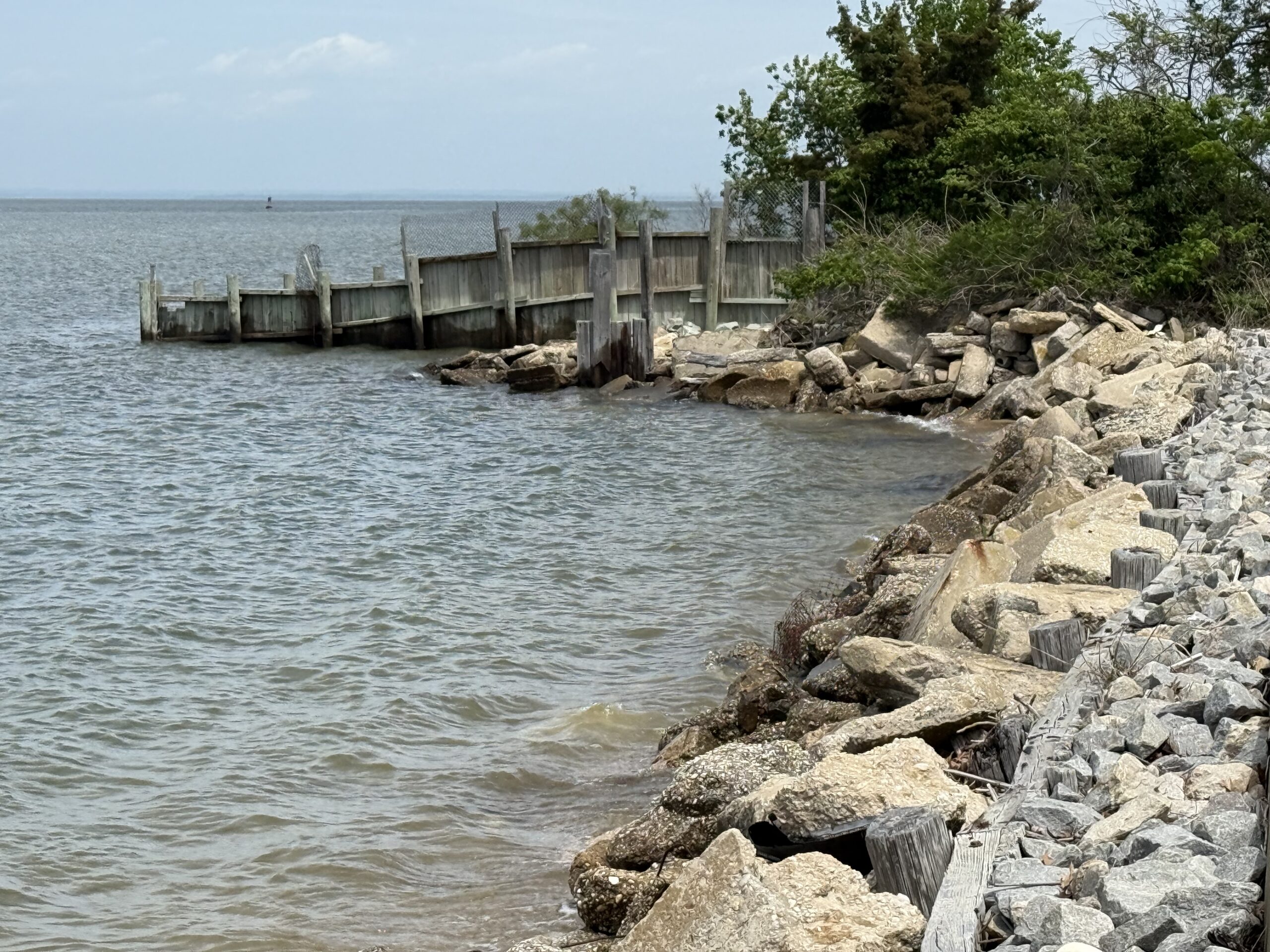
Today, with over two hundred boat slips, Tolchester Marina strives to create a space where all are welcome to enjoy the restaurant, marina, and most importantly, the water. In recent years though, this working waterfront has witnessed a drastic change in the shoreline.
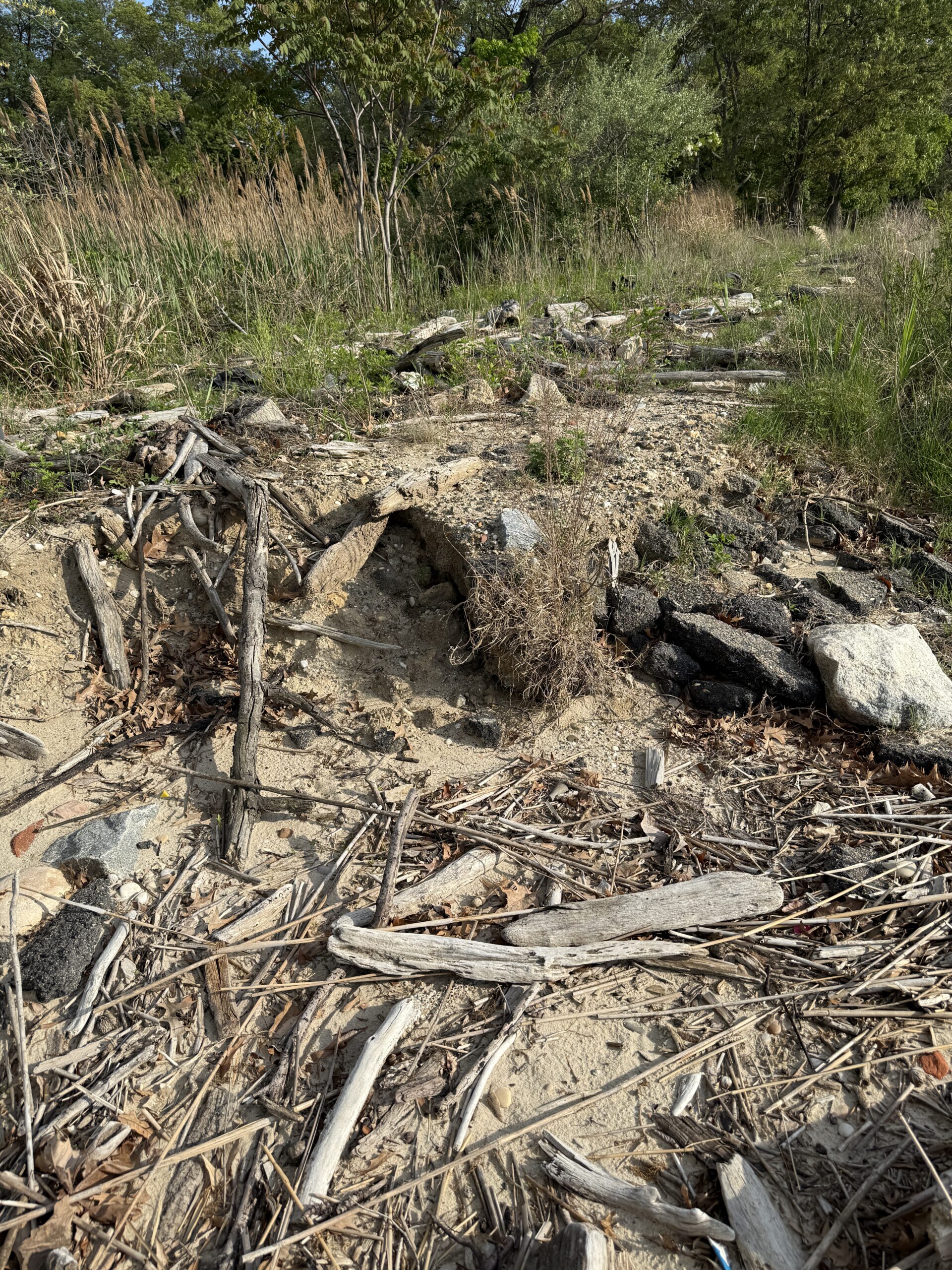
Increasingly intense storms, high tide events, and wake from ship traffic in the Bay have caused severe shoreline erosion, failing bulkheads, and harbor silting.
These environmental challenges are contributing to nutrient pollution and sedimentation in the Chesapeake Bay, while also threatening wildlife habitat and decreasing recreational opportunities in the region.
In response to these challenges and threats, Tolchester Marina and local partners identified the National Fish and Wildlife Foundation Chesapeake Bay Small Watershed Grant as an opportunity to think about what is next for the shoreline through the process of designing a restoration project.
With coastal hazards in mind, the design will incorporate a combination of living shoreline and living breakwater features, including oyster reef structures and native plantings.
The improvements will support the long-term sustainability of the marina, while benefiting the broader Chesapeake Bay ecosystem. We are excited to engage with interested community members, local schools, and partner groups in moving the design and project forward!
This project has been funded wholly or in part by the United States Environmental Protection Agency under assistance agreement CB 95336101 to the National Fish and Wildlife Foundation. The contents of this document do not necessarily reflect the views and policies of the Environmental Protection Agency, nor does the EPA endorse trade names or recommend the use of commercial products mentioned in this document.
The views and conclusions contained in this document are those of the authors and should not be interpreted as representing the opinions or policies of the U.S. Government or the National Fish and Wildlife Foundation and its funding sources. Mention of trade names or commercial products does not constitute their endorsement by the U.S. Government, or the National Fish and Wildlife Foundation or its funding sources.
