







We have much more to do and your continued support is needed now more than ever.
Spark Joy in Your Outdoor Events by Blending Forest Bathing, Nature Appreciation, and Wildlife Education

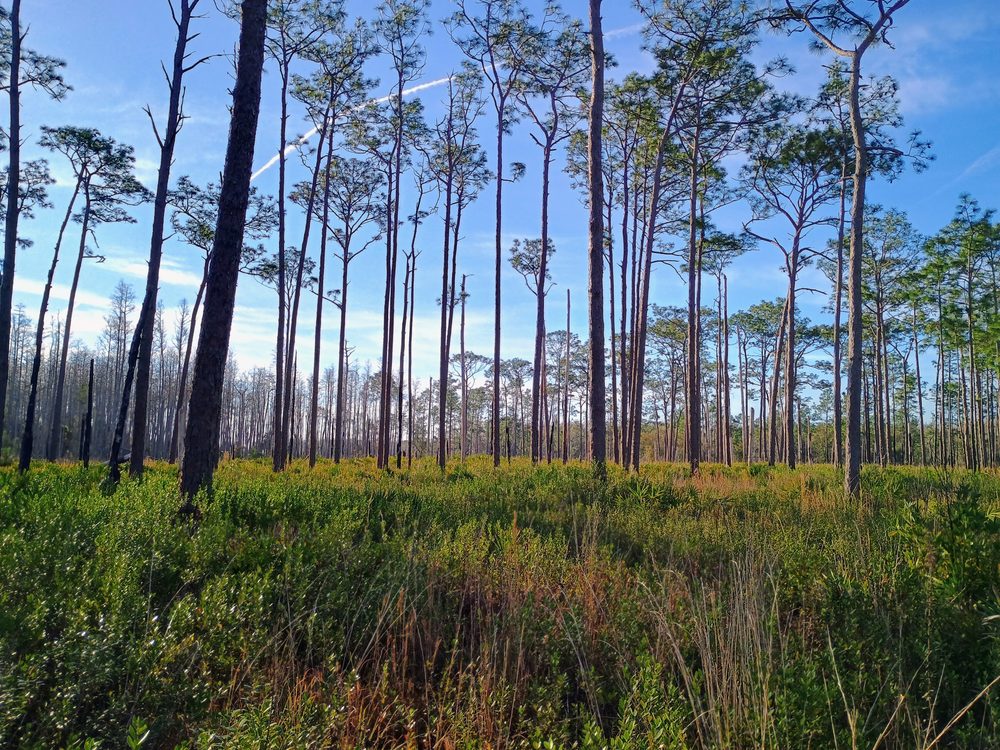
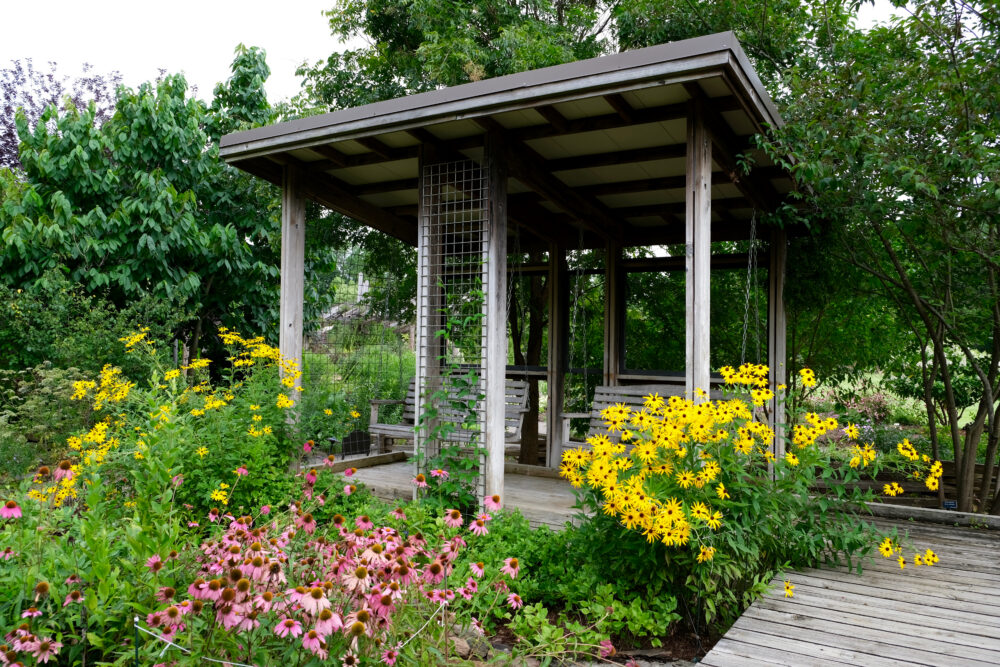
Did you know you can practice forest bathing in any natural environment, such as your backyard, a local park, or a Certified Wildlife Habitat® garden?
Read this blog to learn more about the practice of forest bathing and to access tips and resources on how to level up your outdoor events this summer through forest bathing, nature appreciation, and wildlife education.
What Is Forest Bathing?
Forest bathing, at its core, is the practice of blending mindfulness and nature appreciation. In many ways, cultures across the globe have long understood a connection between spending time outdoors and improved mood and mental health.
The first official studies about this relationship began in Japan in the late 80s, when scientists started investigating the links between spending quality time outdoors and improved mood and lower stress.
The country noticed that its highly overworked and productive workforce was experiencing increased stress and burnout. They responded by encouraging shinrin-yoku, which means “taking in the forest air,” to de-stress.
Shinrin-yoku, or forest bathing, was popularized by Japanese physician Dr. Quing Li as a practice that blends mindfulness and nature appreciation to improve wellness.
De-Mystifying Forest Bathing: My Personal Journey

This summer, I did my first non-traditional forest-bathing exercise in Austin, Texas. When I first learned I would be doing forest bathing during my trip, I thought I needed formal training to participate or appreciate the experience.
I also assumed we needed to be in a forest to truly practice forest bathing. When the opportunity arose, I was surprised to learn that forest bathing felt incredibly natural to me.
Through a guided session led by someone intimately familiar with the land and its wild creatures, I slowed down and connected with nature through mindfulness and meditation. I saw my first painted bunting, a northern cardinal, and on the ground, I saw inchworms, anthills, prickly pear cactus, and many more creatures.
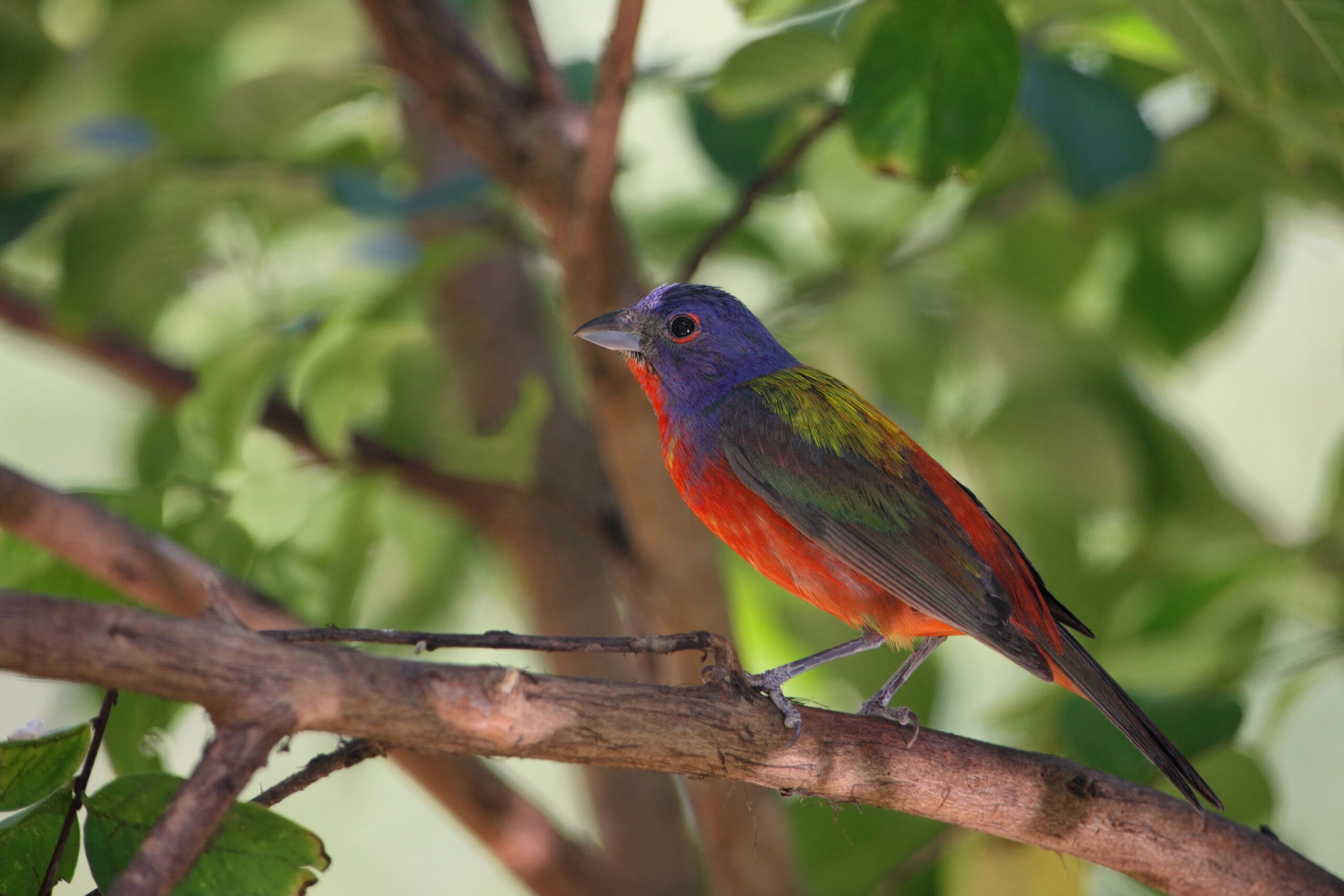
I learned that forest bathing, simply put, is the practice of blending mindfulness and meditation with an appreciation of nature. I didn’t need to be in a forest to go through the experience, and you don’t either!
The experience opened my eyes to how forest bathing can be a powerful tool for wildlife education. I was fully present, relaxed, and immersed in a small garden, and I felt like a sponge, absorbing new information about local Texas wildlife and pollinators.
I left my experience wanting to encourage others to embrace the experience and its potential for enhancing environmental education outcomes.
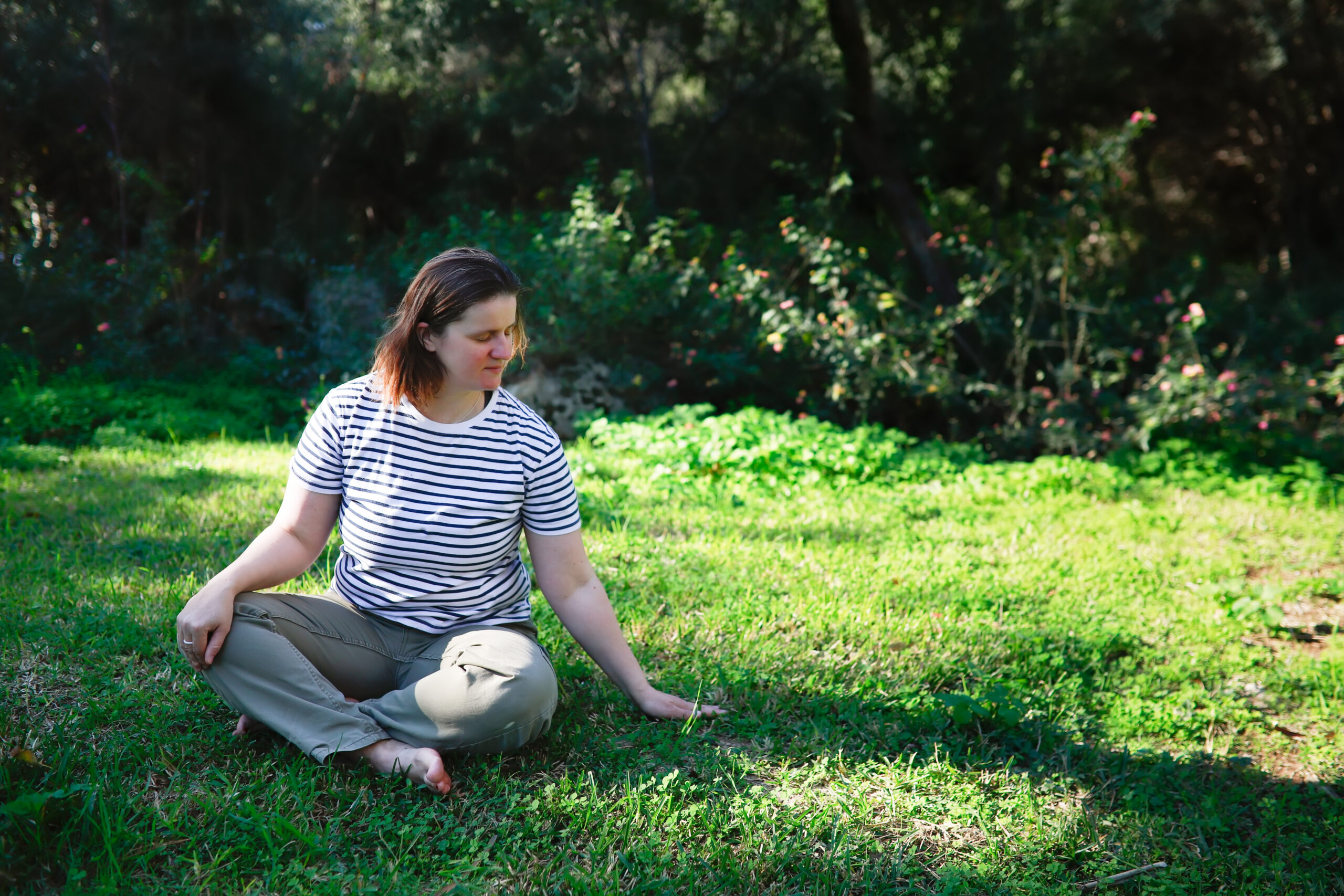
You can practice forest bathing in any natural environment, your backyard, a local park, or a Certified Wildlife Habitat garden. Forest bathing is a great way to introduce wildlife and pollinator education to any group and community.
Check out these tips to educate your friends, family, and community about local wildlife and pollinators through mindfulness and nature appreciation.
Steps to Practice Forest Bathing or “Mindfulness in Nature” Where You Live, Learn, Work, Play, and Worship
- Find a place to sit in stillness, preferably in a garden, your backyard, a meadow, or any natural environment.
- Slow down and take in your surroundings through your five senses. Spend 1-2 minutes exploring each sense.
- Notice the farthest thing you can hear, then focus on what you can hear the closest to you.
- Open your eyes and focus on one living critter you can see, and observe how it moves across the land.
- Take time to point out and share some fun facts about birds, pollinators, and other wild critters native to your area.
Record Your Sightings, Mood, and More in a Nature Journal
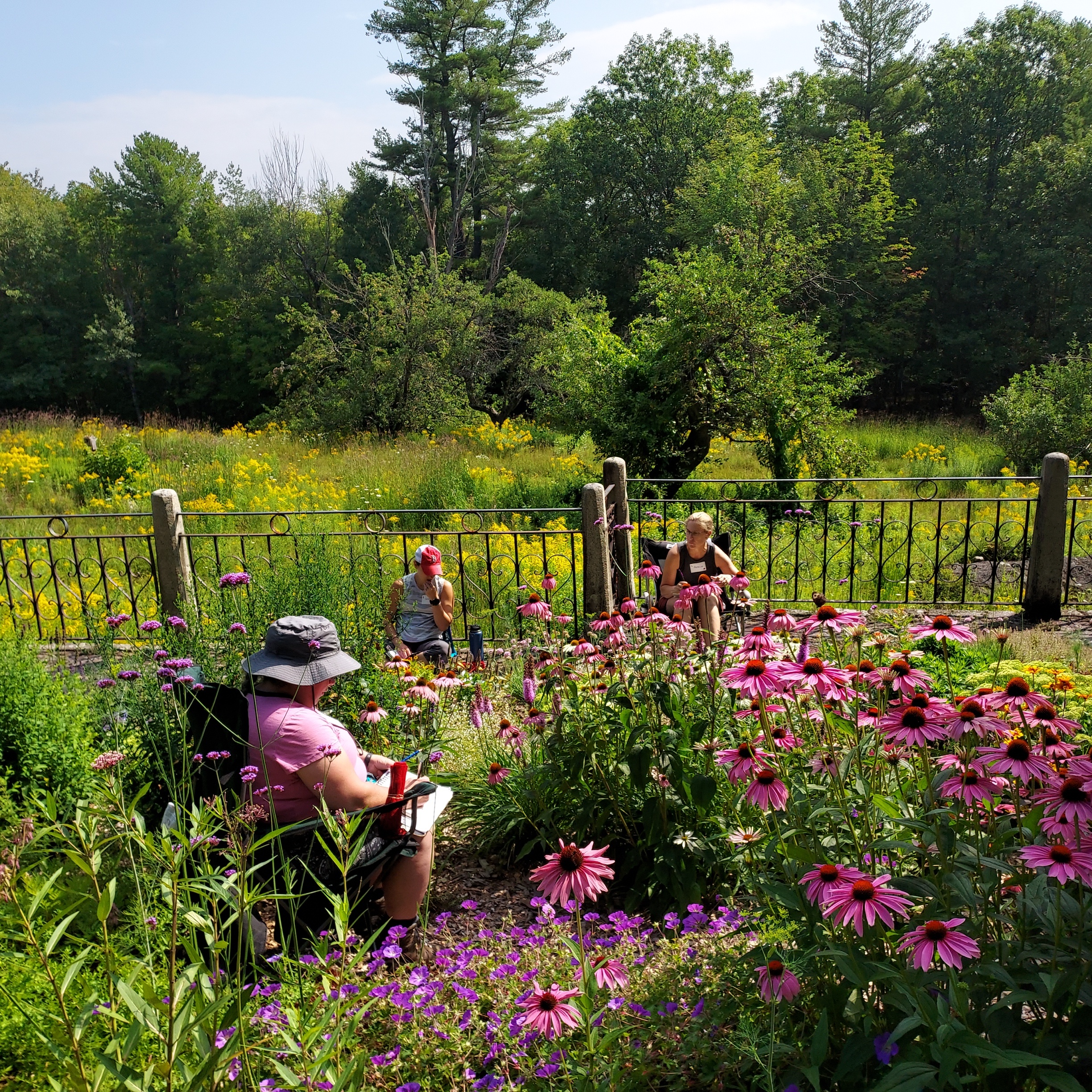
- Print out NWF’s Summer Nature Notebook and ask participants to record their mood before and after your activity. Hopefully, people notice a change in stress levels or anxiety, as spending quality time in nature has been shown to improve mental health.
- Ask people to record what stood out to them during the experience. Which plants, birds, or pollinators caught their eye?
- Play Butterfly Bingo and see if you can spot a butterfly or moth doing any of their common behaviors, whether it’s flocking, puddling, or more!
Host Your Own Mindful Nature Events and Outdoor Activities this Summer
Forest bathing is an experience that anyone can practice at home, in a local park, or a small garden. Hosting your own forest bathing experiences can be a powerful tool to introduce new groups to the concept of blending mindfulness and quality time in nature while enhancing environmental education.
NWF has a collection of quizzes that will prime you with some fun facts you can add to your toolbox as you take your friends, family, or community on your own forest bathing adventure.
Expand your knowledge with these NWF quizzes:
- Our Petals and Pollinators quiz showcases how plants and pollinators have co-evolved over thousands of years, with plants developing complex ways to attract pollinators and pollinators developing specialized traits to enhance their pollination effectiveness.
Read more about how to garden for pollinators using evolutionary history in our newest blog.
- Take our How Much Do You Know About Bees quiz and expand your knowledge about our mightiest pollinators.
- Learn more about monarch butterflies, where they migrate, how to identify them, and more with our monarch butterfly quiz.
- Did you know some bats are pollinators? Learn bat facts and test your bat knowledge with our quiz!
Bonus Section: Here are some other fun summer activities, particularly for youth!
- Download Ranger Rick’s Nature Notebook and use the activities to explore nature this summer!
- Our Endangered Species Day Coloring Book is a great year-round activity that blends art and education for any age.
