










We have much more to do and your continued support is needed now more than ever.
Owls: The Mysterious, Wise, and Graceful Birds of Prey
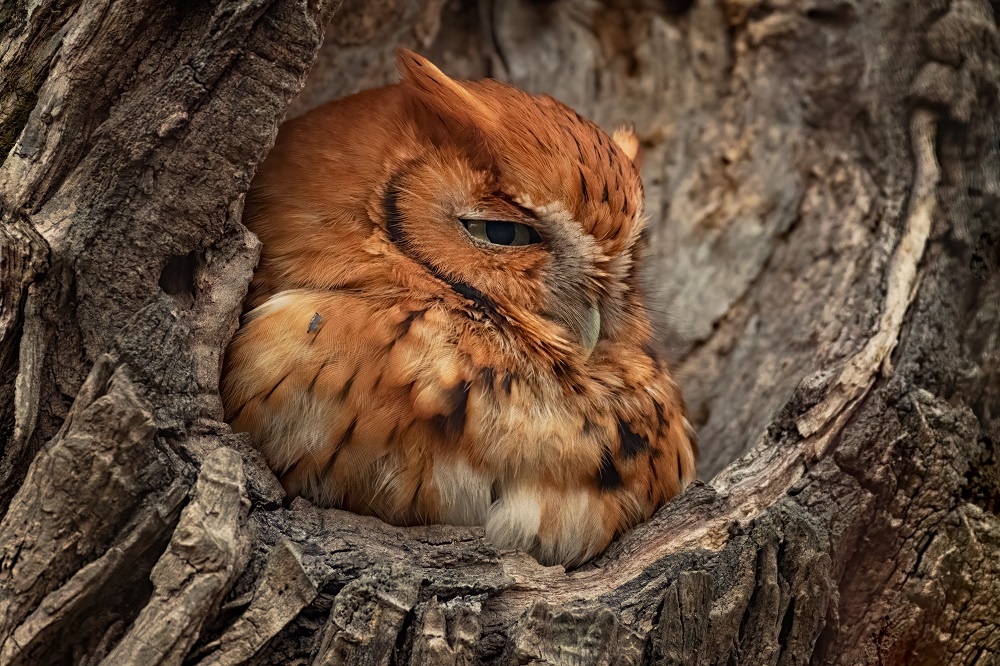
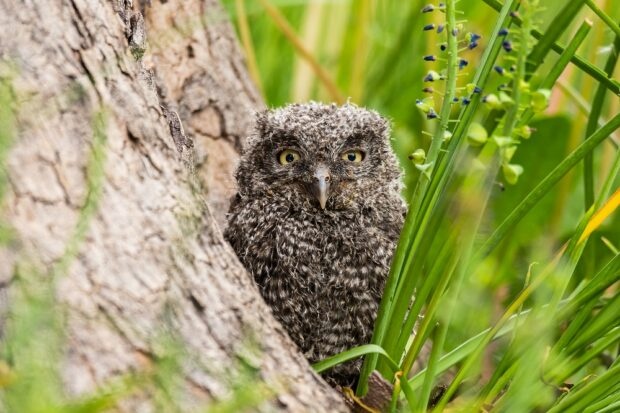
Eastern screech owl. Credit: Robert Mullen
Owls are probably one of the most popular groups of birds flying through the air due to their beautiful feathers and big eyes; they are certainly one of my favorites! I often hear an owl chorus at night while I’m trying to fall asleep. Owls are mysterious, often heard, but not seen. They are thought of as wise creatures, which they are, and have a huge presence in Halloween and harvest celebrations across the country. Owls also have a very important role to play in a healthy ecosystem.
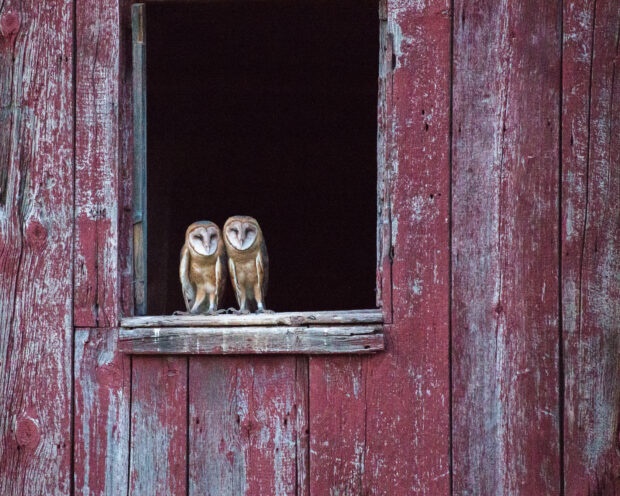
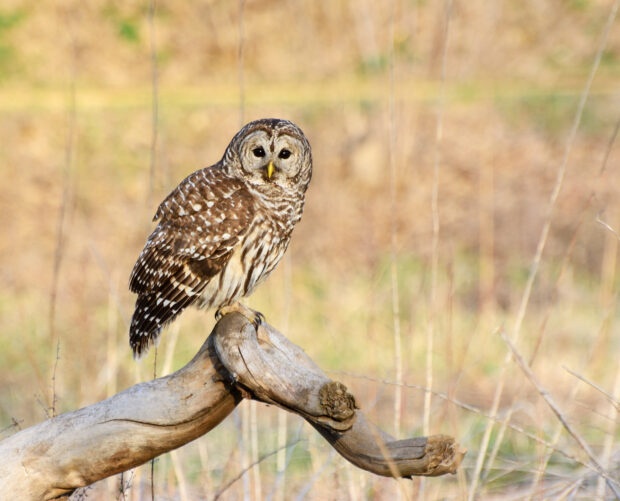
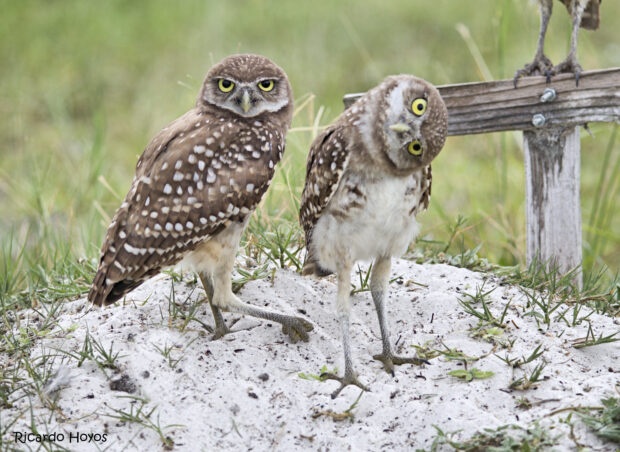
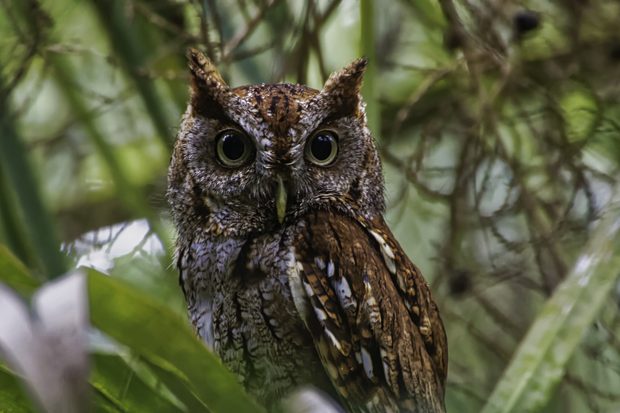
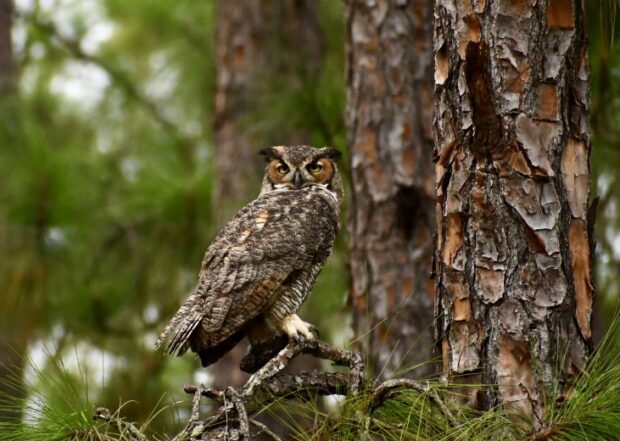
Here are some commons owls you might see in the United States:
- American Barn Owl: Recognized by its distinctive heart-shaped face, the barn owls prefer to live in human-made structures, like old barns.
- Barred Owl: Recognized by its distinctive call that sounds like it’s saying “Who cooks for you? Who cooks for you-all?”, the barred owl can be found in mature woods and swamps in the eastern half of North America and the Pacific Northwest.
- Burrowing Owl: Known for its distinct white “eyebrows,” the burrowing owl makes its home in underground burrows.
- Eastern Screech-Owl: One of the smallest owl species in North America, the eastern screech-owl can often be found in suburban backyards, as well as forests and riparian areas.
- Great Horned Owl: One of the larger owl species in North America, the great horned owl lives in almost every type of ecosystem, from deserts to urban forests.
- Western Screech-Owl: Known for sounding like a bouncing ping pong ball, the western screech-owl lives in the Western U.S., Canada, and Mexico, and commonly found in open woodlands, deserts, and suburban areas.
Download Owl Fun! Activity Guide for Kids and Families to Learn About Owls
Owls and a Healthy Ecosystem
Owls play an important role in a healthy ecosystem. They help control the rodent (e.g., mice, rats, etc.) and large insect populations (e.g., beetles, moths, etc.), which reduce the damage done to crops when there is an overabundance of these animals. Additionally, controlling the “pest” population also decreases the farmer’s need to use pesticides on their crops. Owls will often prey on sick, smaller mammals in the forest (like other predators also do) which helps reduce the chances of sickness or disease spreading through the prey population.
Threats to Owls and Conservation Strategies
Fortunately for wildlife enthusiasts, there are several species of owl across the country that are considered common (as highlighted above), but there are also a few owls facing population declines that have landed them under the protection of the Endangered Species Act (ESA). Currently, there are three threatened species in the U.S. protected under the ESA:
- Cactus ferruginous pygmy-owl
- Mexican spotted owl
- Northern spotted owl
Read NWF blog, Spotted Owls: A Proven Strategy Against Extinction
One of the key threats to owls is habitat destruction. Practices such as logging, deforestation, and urban development destroy forests and other owl habitats, which impacts their ability to find safe spaces to raise young and to successfully hunt. Some conservation best practices for owls include leaving areas in your yard or in the community un-mowed to provide homes for owl prey and installing owl boxes. Additionally, leaving dead trees standing (if it is safe to do so) for nesting and perching.
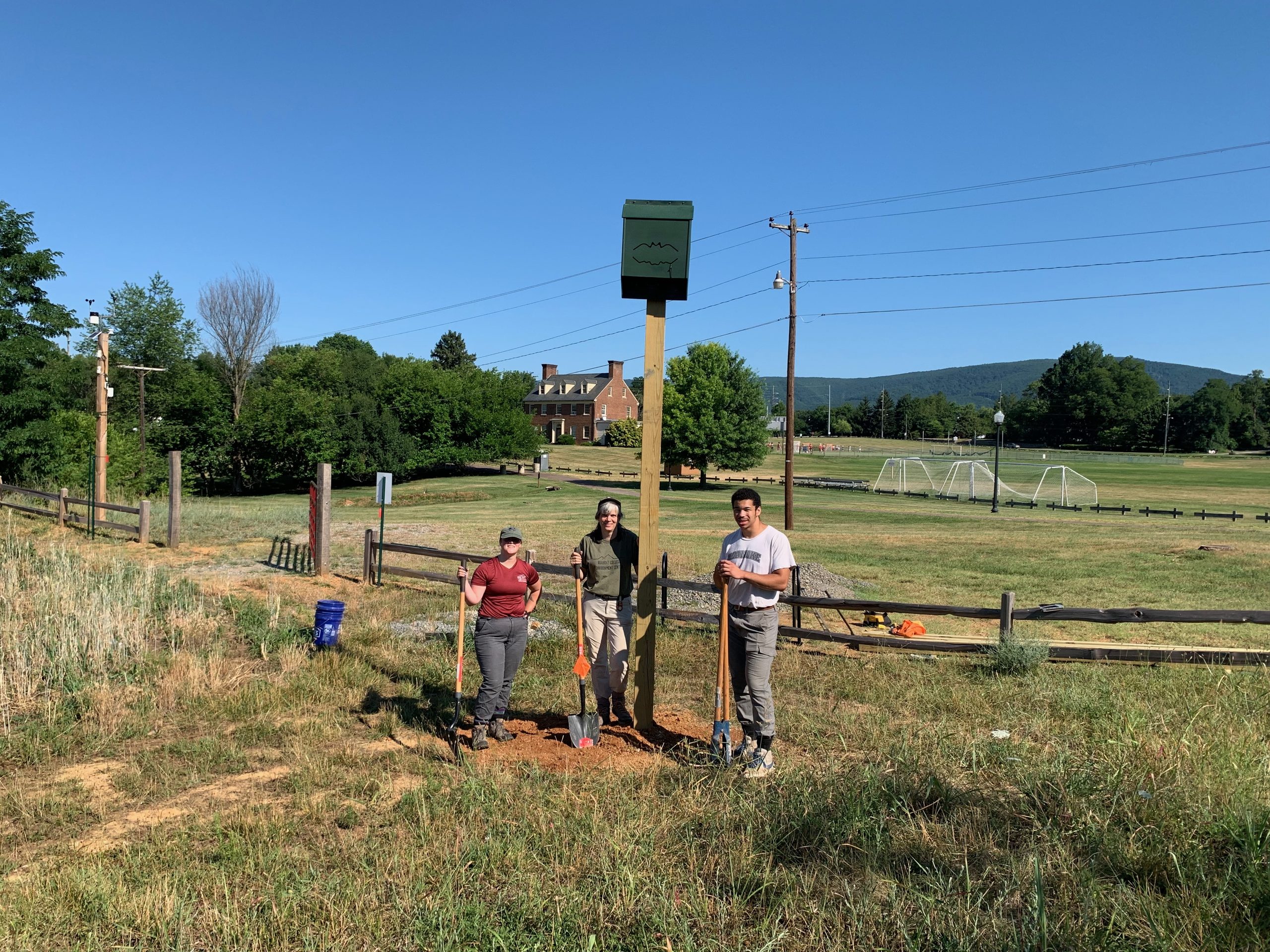
Check out this DIY video from Roanoke College on how to build a screech owl box!
Owls can suffer secondary poisoning when they eat mice or rats that have consumed poisonous pest control baits (anticoagulant rodenticides), colloquially known as rat poison. The conservation community strongly encourages homeowners, farmers and others to forego the use of poisonous pest control baits and use other measures to deter rodents such as blocking entry to residences, reducing potential food sources, using mechanical rodent traps (if necessary), and/or consult a licensed wildlife control professional.
Advocating for laws such as the Endangered Species Act, that protect imperiled owl species and their habitats, and the Recovering America’s Wildlife Act, which will provide much-needed funding to support the conservation of owls in decline and other species of greatest conservation need, when passed.
Fall and the Spooky Season
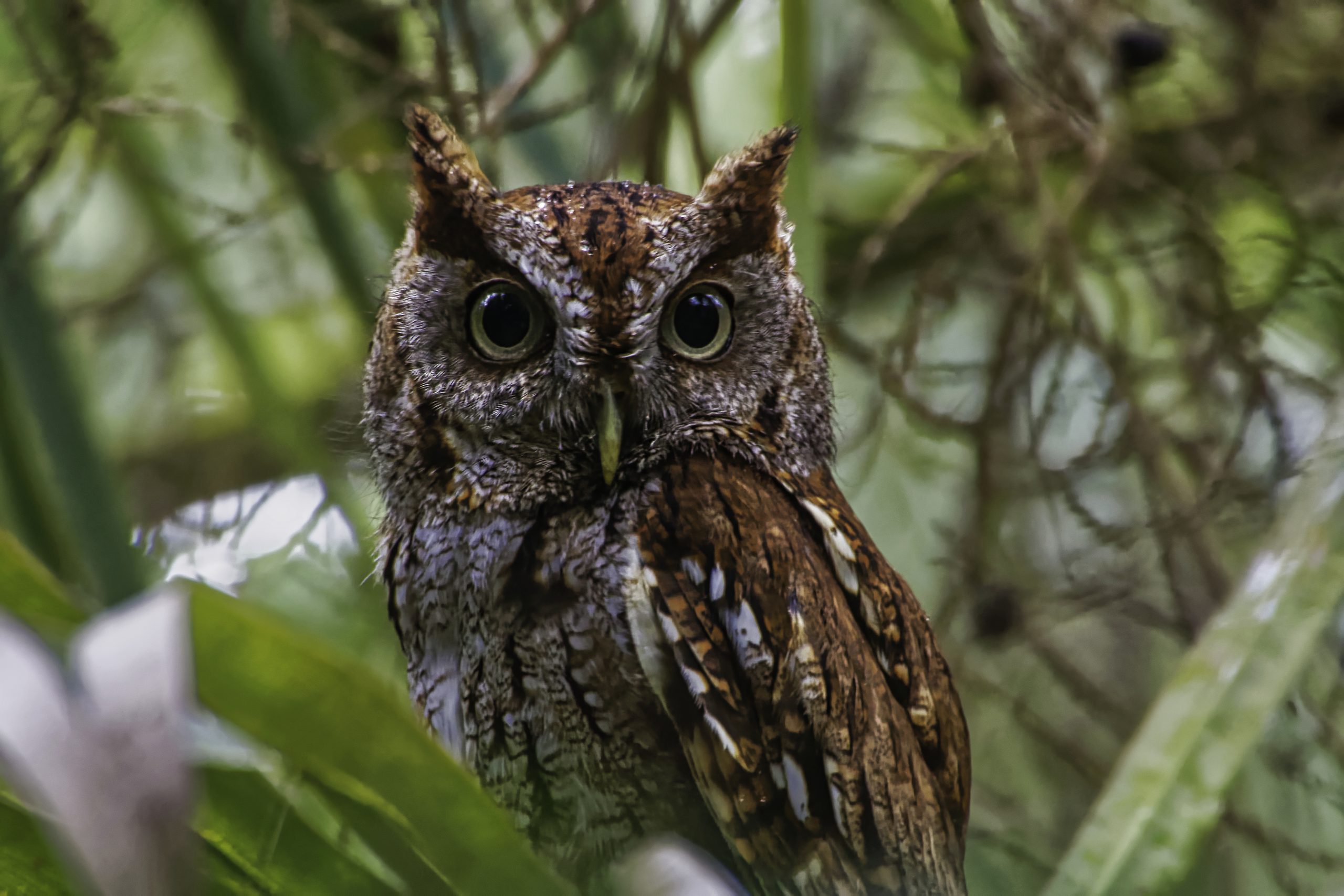
I would be remiss to not mention the popularity of owls during the spooky season. Stories from Roman and Greek mythology have owls playing a leading role, sometimes as a wise, helpful mystic, or a guardian of the dead. According to NWF Blog by Braelei Hardt, naturalist and science communication specialist at NWF, Why are Bats, Owls, Toads, and Crows Associated with Halloween?, Athena, the Greek goddess of wisdom, was often depicted with an owl companion. Athena’s owl was hailed as a symbol of knowledge and insight, and therefore owls were treated with reverence within Greek culture. In Roman mythology the owl was a bird of ill omen that fed on humans. When Rome defeated Athens in 146 BCE, this more malicious depiction of owls began to dominate both areas and spread into the world form there.
And in autumn, the leaves are falling in the forest, allowing the sounds of the owl to be heard more easily. There are simply better acoustics, with less foliage and a chill in the air. It’s also easier to see owls sitting in a tree, either hunting or just hanging out, without the cover of the tree’s leaves. Check out NWF blog, Trick-or-Tweet, to read more about Halloween’s haunted birds.
Now, are you ready to find out if you are as wise as an owl? Take our owl quiz.
Get outside and go on an owl prowl. Take a nighttime walk and see “whoooo’s” calling! If you are lucky enough to hear an owl, try calling back.
How to Help
- Leave dead trees standing (if it is safe to do so) for nesting and perching.
- Leave areas in your yard or in the community un-mowed to provide homes for owl prey.
- Install owl boxes in your yard or in the community.
- Advocating for laws such as the Endangered Species Act, that protect imperiled owl species and their habitats, and the Recovering America’s Wildlife Act, which will provide much-needed funding to support the conservation of owls in decline and other species of greatest conservation need, when passed.
Kids’ Corner
- Owl Fun! Kids and Family Activity Guide
- Craft: Paper Plate Owl
- Craft: Make an Owl Mask
- Craft: Owl Door Hanger
- Craft: Pinecone Snowy Owls
- Recipe: Rice Cake Snowy Owl
- Video: Watch on Owl Turn Its Head
- Video: How do burrowing owls scare animals away?
 Written by Kristy Jones
