




We have much more to do and your continued support is needed now more than ever.
Beyond the Shoreline: An Up-Close Look at Offshore Wind in Action

Coastal Virginia Offshore Wind Project. In view are installed turbines, transition pieces (where turbines will be installed), a substation, and vessels. Credit: Stacy Ortego
Offshore wind is transforming the way we think about America’s clean energy future—and there’s no better way to understand its potential than to see it up close. Recently, a group of advocates ventured offshore to tour a working wind farm, getting a firsthand look at the technology, people, and promise behind this growing source of renewable energy.
The visit offered a unique perspective on how offshore wind can be responsibly developed while powering communities, creating jobs, and moving us toward a cleaner, more resilient energy system.
Advocates from the Gulf of Mexico and Mid-Atlantic regions recently ventured 27 miles offshore into federal waters to see the Coastal Virginia Offshore Wind (CVOW) project. The visit brought together advocates from different coastal communities in the Northeast, Mid-Atlantic, and Gulf to share perspectives, explore the opportunities offshore wind is bringing to their regions, and consider what’s possible for the future growth of this industry.

The CVOW project marks an important milestone in the growth of offshore wind in the United States. As the nation’s largest offshore wind project, its 176 turbines will generate enough clean electricity to power up to 660,000 homes once fully constructed in 2027. The construction phase alone is supporting over 800 local jobs. Operations and maintenance of the project will provide over 1,000 long-term jobs.

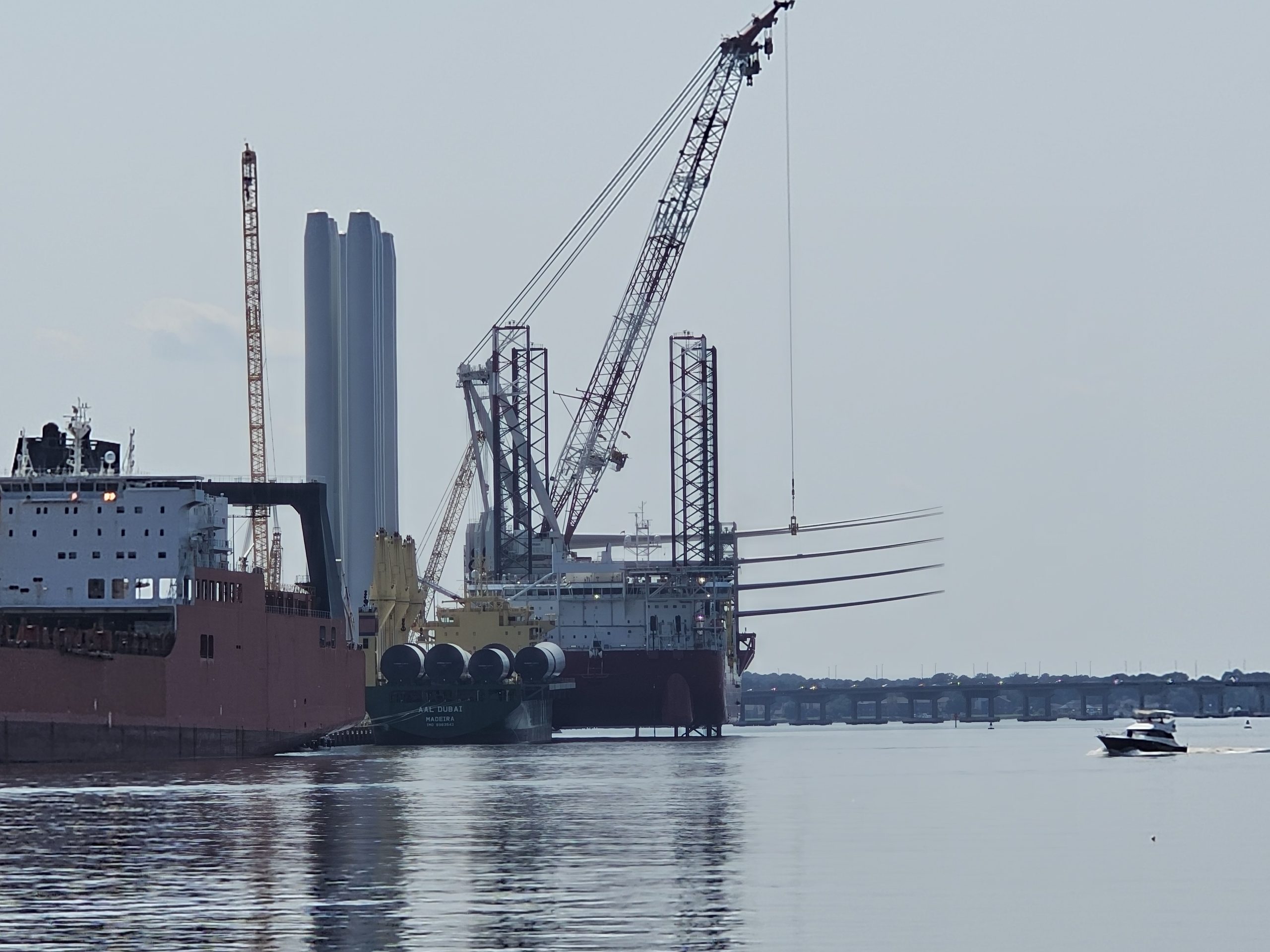
The first stop on the two day tour included a cruise in Norfolk Harbor to view the Portsmouth Marine Terminal (PMT), the main staging hub for turbine parts for CVOW. A former container terminal, PMT has been repurposed to handle the massive equipment needed for offshore wind development.
Charybdis, the first U.S.-built wind turbine installation vessel, was built in Ingleside, Texas and could be seen loading components at PMT as it prepared to return offshore to continue installing turbines. The vessel can transport four turbine components at a time from the terminal to the project site, where it takes two days to complete a turbine installation.
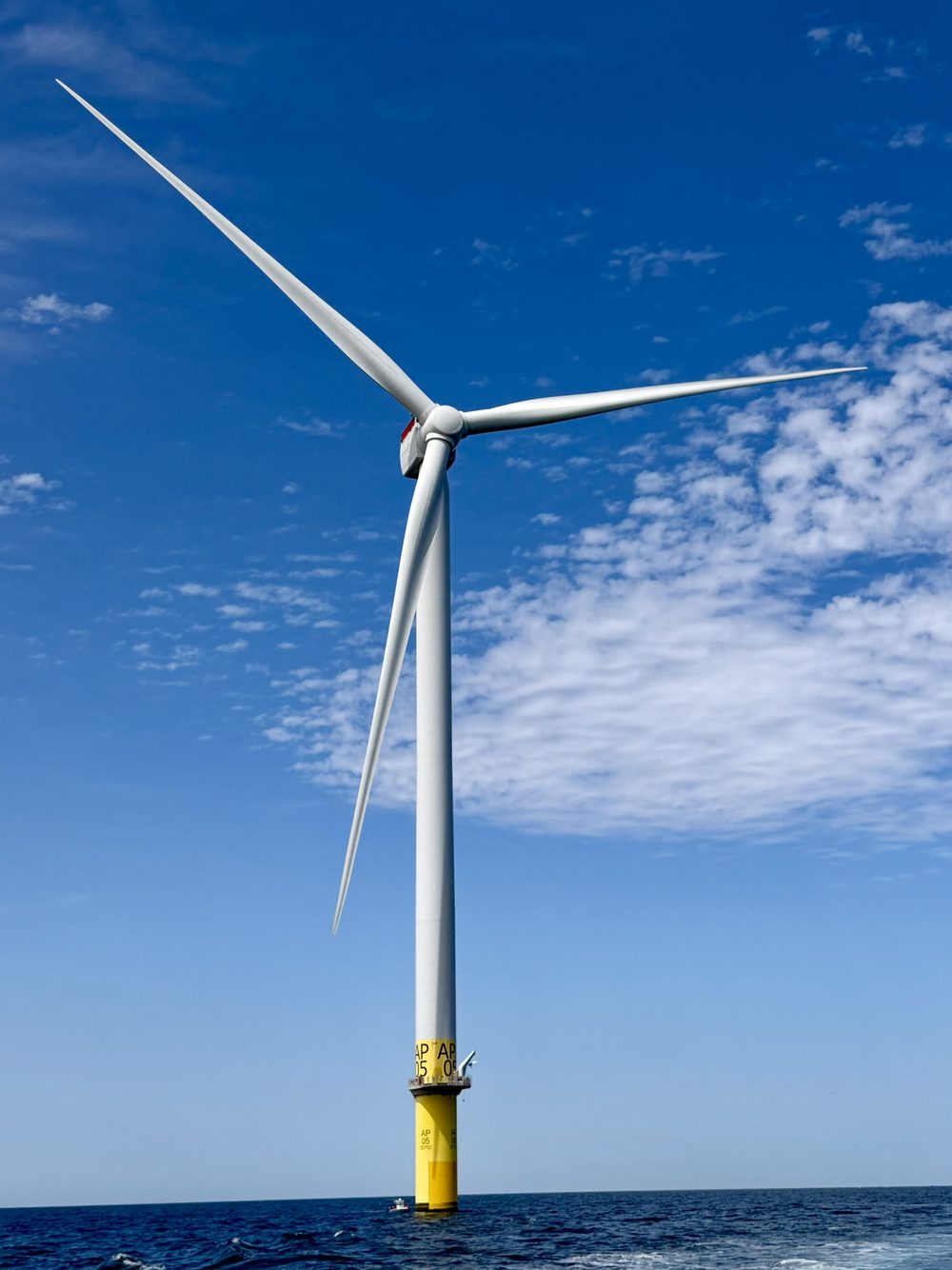
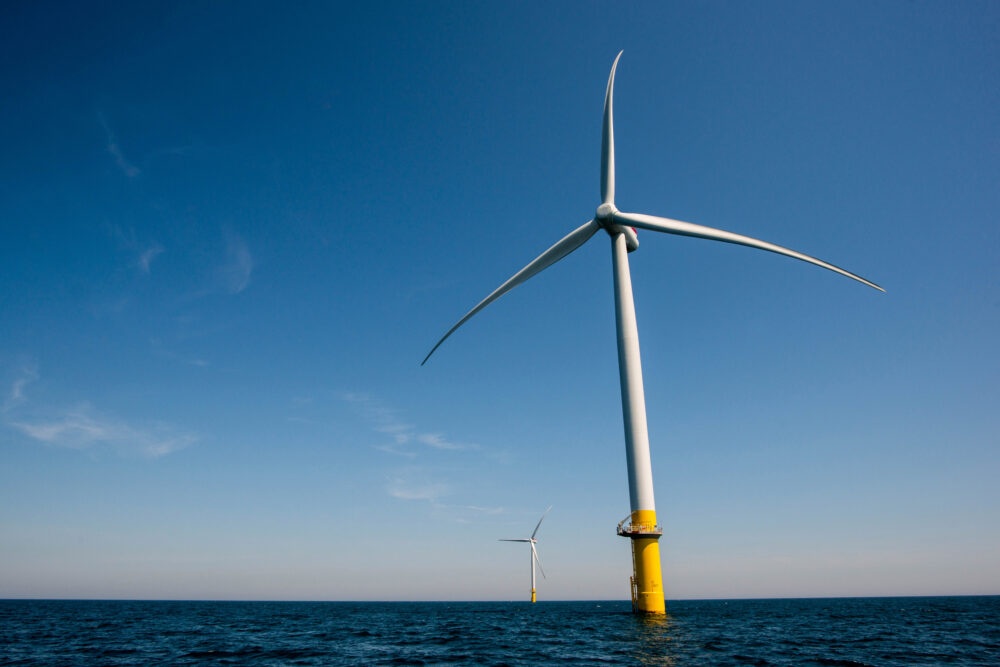
The main event included an hour and a half boat ride out to the project. Even though everyone was on the lookout for turbines the entire journey out to sea, it was over an hour before anyone could spot one on the horizon. The structures, standing 836 feet above sea level, cannot be seen from shore.

While all passengers on board the boat support advancing responsibly developed offshore wind in the United States, it was the first time many of them were able to actually see offshore wind in action.
Numbers on a factsheet just don’t do it justice. It’s humbling to sit beneath one of these structures looking up. It’s even more awe-inspiring to know the human ingenuity and innovation it took to get them there. Just one rotation of a blade can produce enough energy to power the average U.S. home for an entire day.
Many participants noted how incredibly quiet the turbines are. Only a slight whoosh could be heard as the blade passed overhead—and only if no one was talking and the boat sat idle.
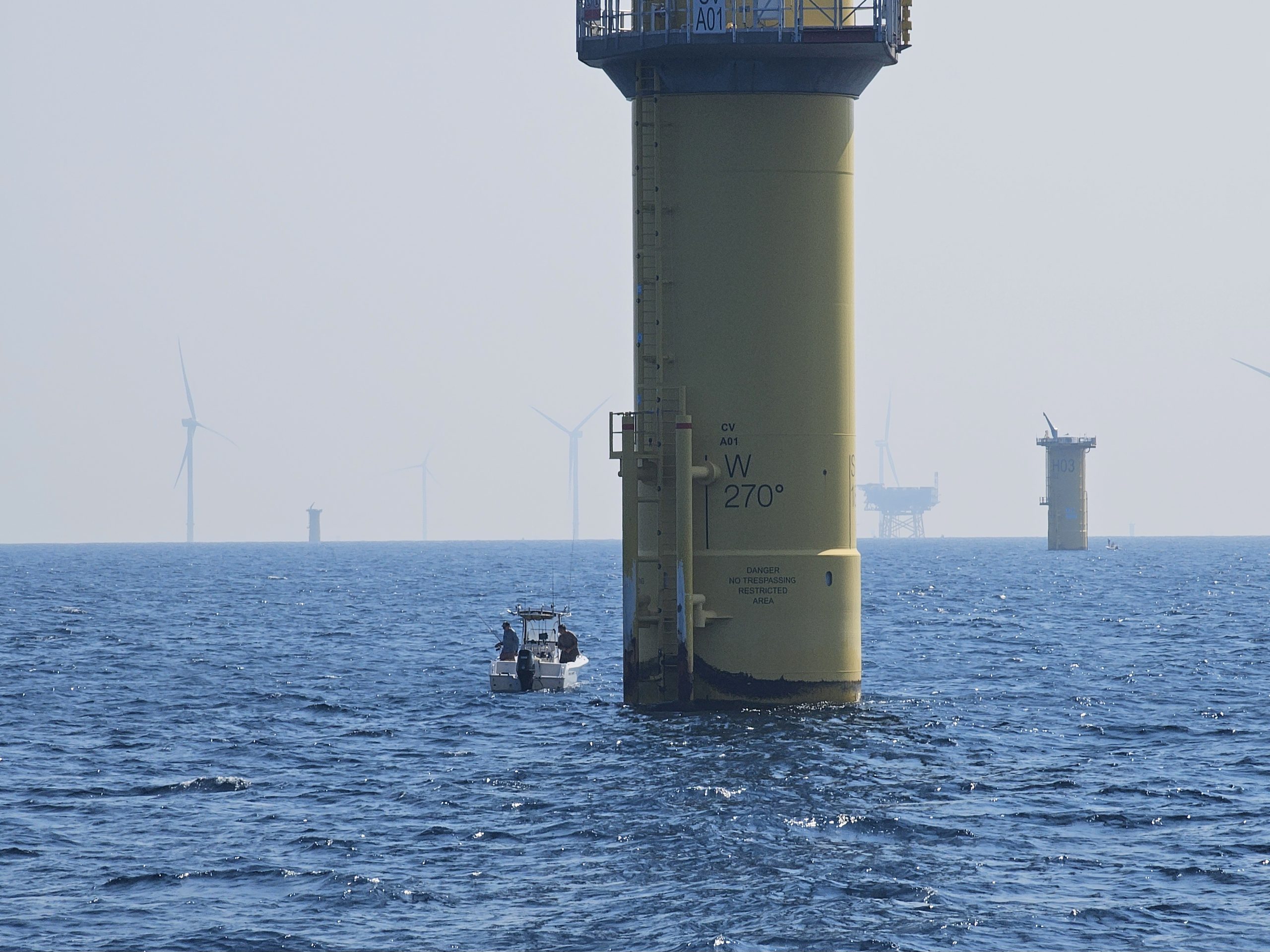
Access to the lease area is unrestricted outside of periods of active construction, when a 500-yard safety buffer is required. All fishing activity is permitted within the site, including right at the base of a turbine.
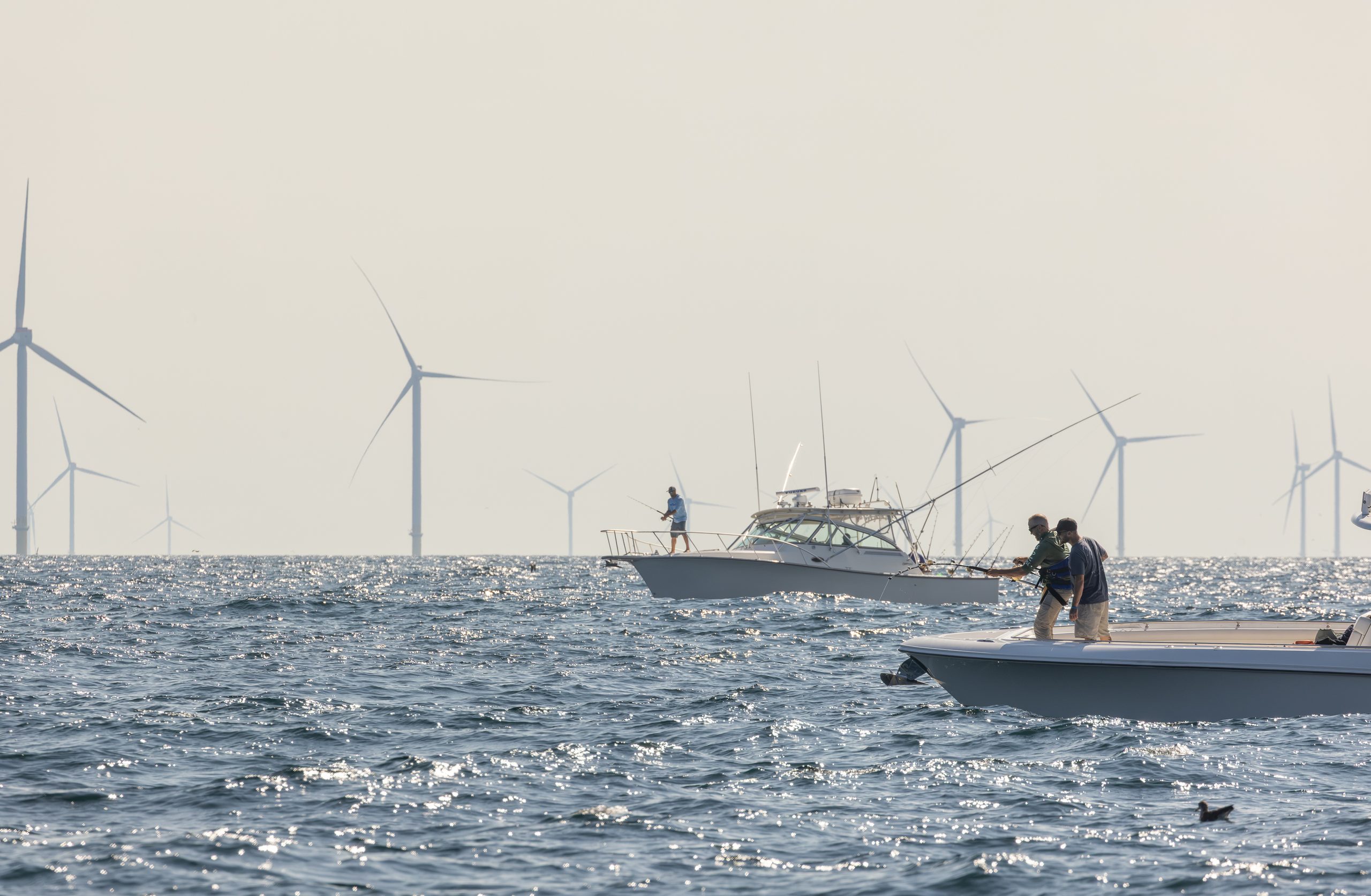
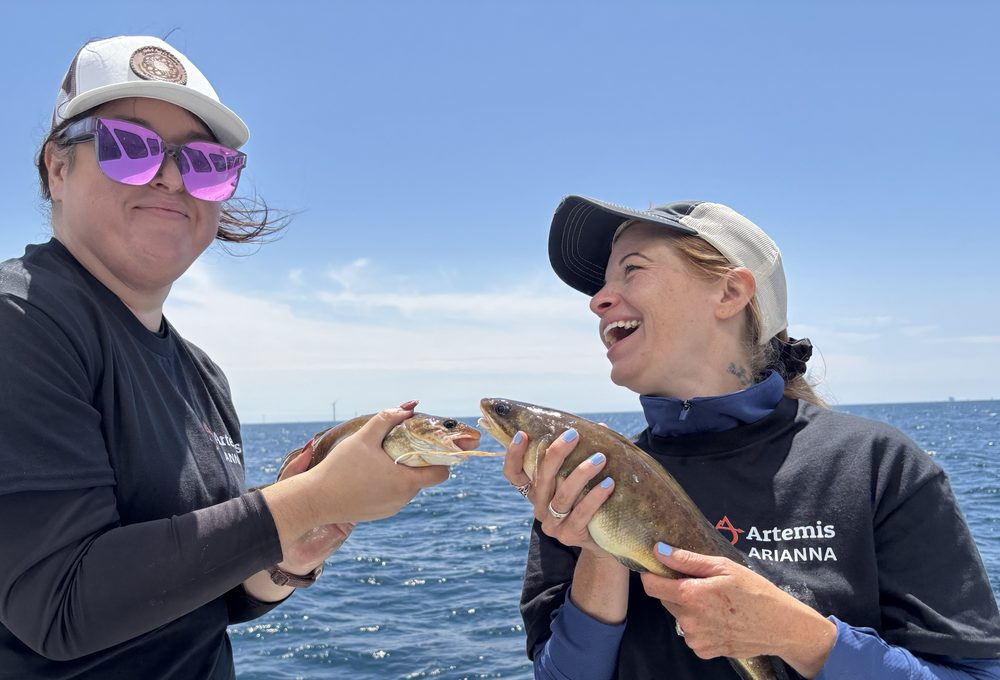
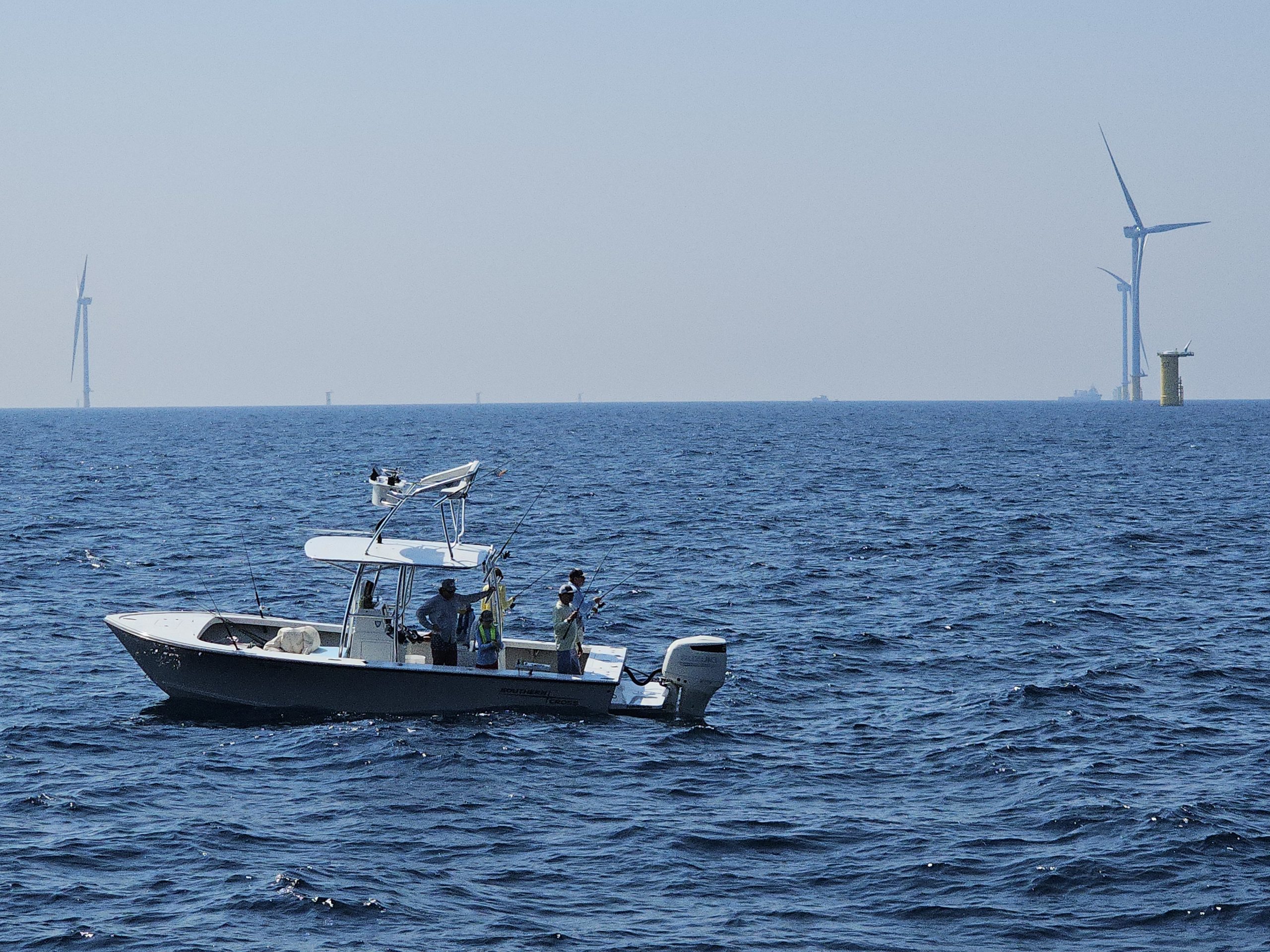
How’s the fishing around the project? Judging by the number of boats out around the turbines, it seemed to be pretty good! As one participant noted, people wouldn’t spend the time or money to go 27 miles offshore if the fishing wasn’t good there.
The turbine foundations function as an artificial reef, attracting both marine life and anglers fishing for a variety of species such as flounder, black sea bass, and mahi. This helps the local economy as well with the associated revenue generated from fuel sales, bait, tackle, restaurants, hotels, etc.
For advocates who are supporting offshore wind development in areas that do not currently have planned projects, such as the Gulf Coast, seeing CVOW firsthand made tangible the incredible opportunity offshore wind offers the nation to not only deliver significant economic and energy benefits but also protect wildlife.
Dominion Energy uses several measures to protect wildlife during construction of the project. Before construction, more than two dozen studies and surveys were conducted to assess potential impacts on marine life and birds. To reduce underwater noise from installing turbine foundations, Dominion uses bubble-curtain technology that creates a barrier of air bubbles to dampen sound waves.
Certified Protected Species Observers monitor for whales, dolphins, sea turtles and other protected marine animals during critical operations, and construction is stopped if animals enter designated exclusion zones.
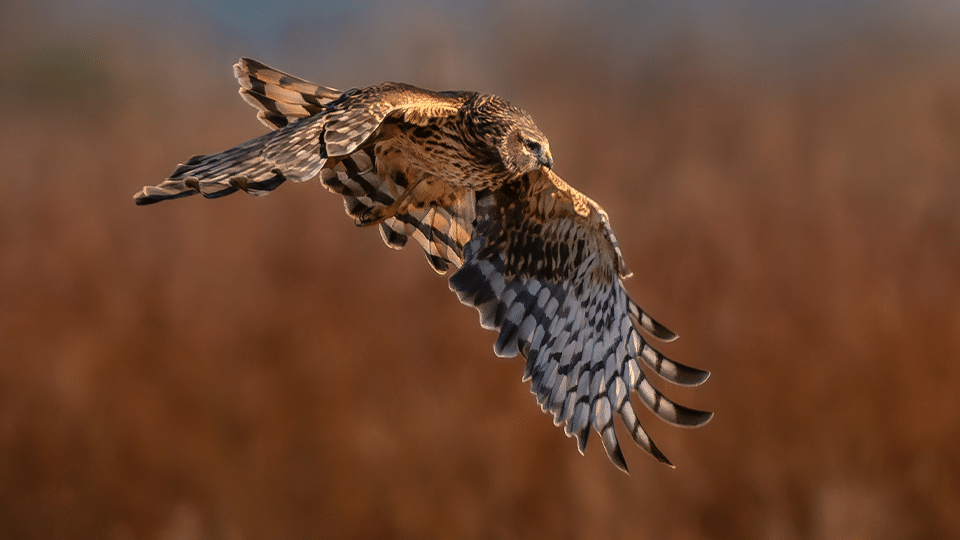
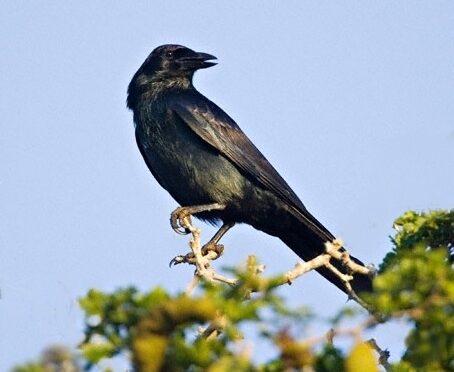
Crews also receive environmental training, and underwater sound levels are monitored in real time. Additional measures, including seasonal restrictions, anti-perching devices and acoustic monitoring, help reduce potential impacts on birds, bats and other wildlife in the long-term. Dominion also uses lessons learned from its two-turbine pilot project, along with collaboration with state and federal agencies, to inform environmental protections for the commercial project.
By slowing the growth of offshore wind, we risk missing out on economic opportunities, delaying investments in domestic supply chains and infrastructure, and leaving valuable clean-energy resources under-utilized at a time when the nation’s energy needs are significantly growing and climate change is continually impacting wildlife and people.
CVOW demonstrates how offshore wind can contribute to a more diversified and resilient energy system while reducing reliance on fossil fuels. The project is expected to reduce carbon emissions equivalent to removing over one million cars from the road each year.
Its significance extends beyond clean energy: projects like this can create new opportunities for workers, ports, manufacturers, and coastal communities—all while ensuring protections for wildlife and habitat. CVOW provides a model for what large-scale offshore wind development can look like in other coastal regions.
Now is the time to prepare for the next wave.
