





We have much more to do and your continued support is needed now more than ever.
Rooted in Place: Lessons from a Wildlife Refuge
Credit: Chelsea Mahaffey
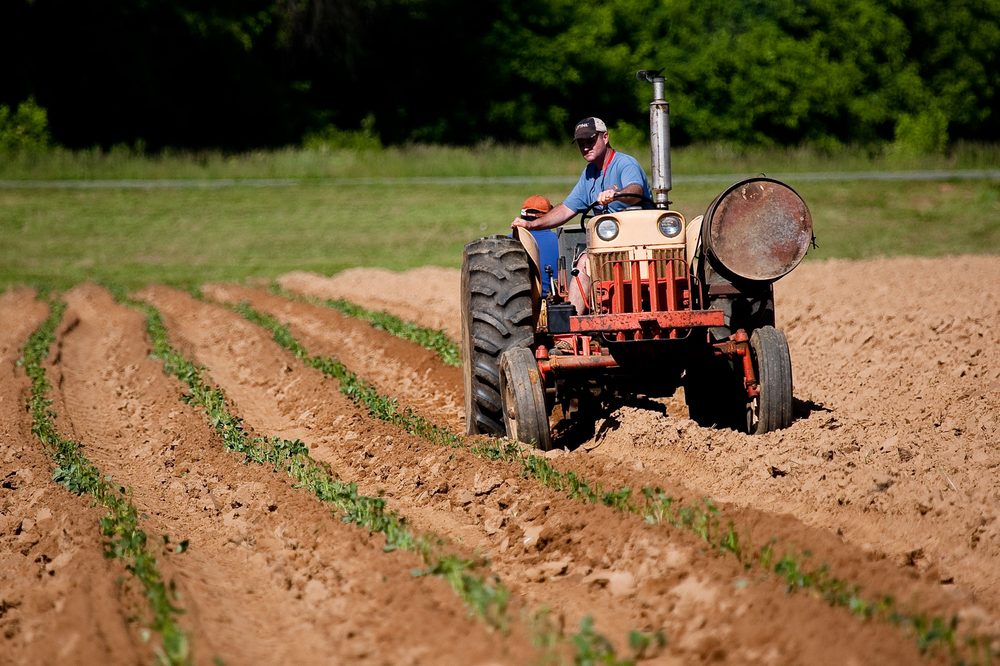
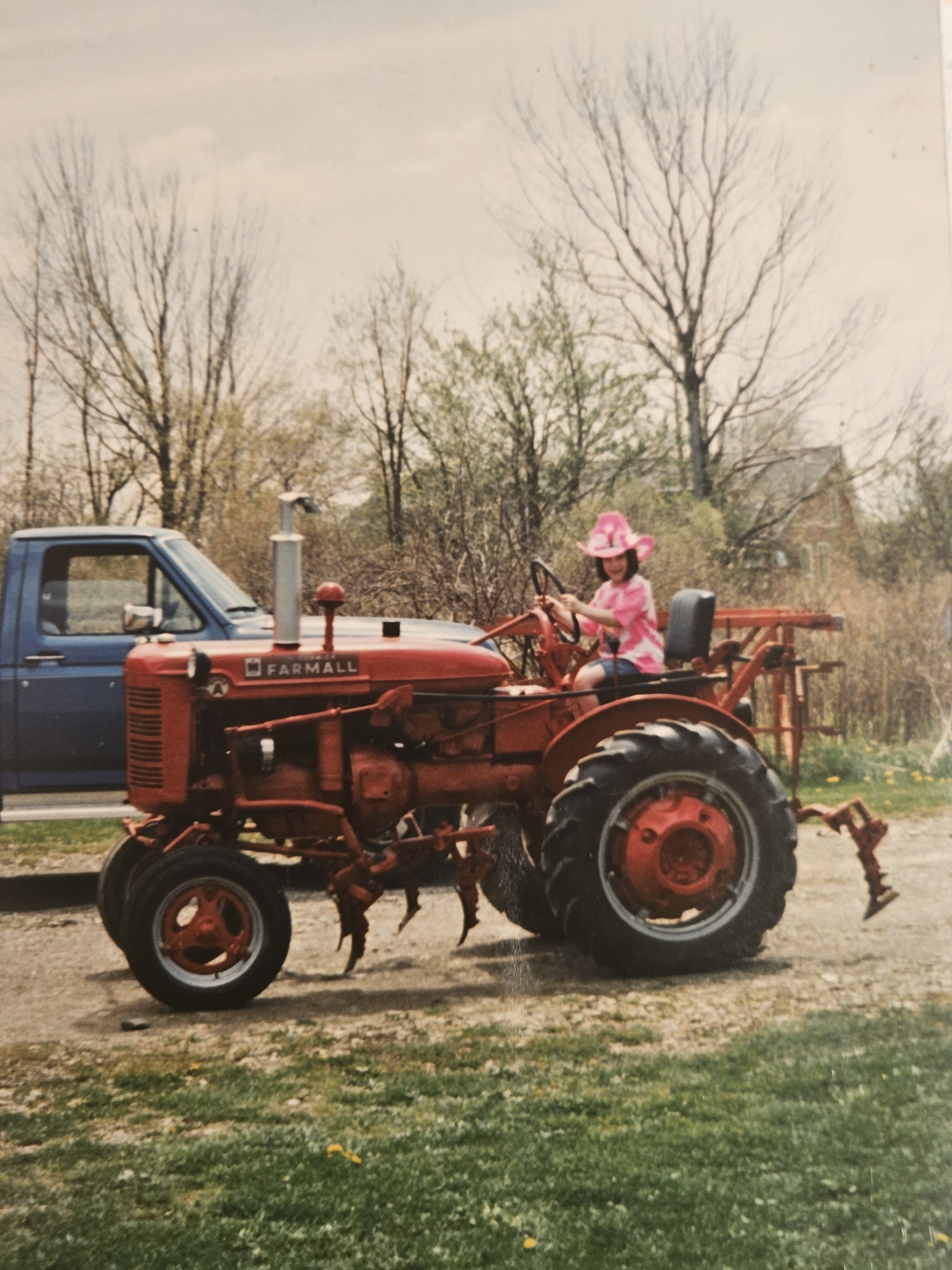
Growing up in northwest Pennsylvania, I was surrounded by the rhythms of rural America. Farmers tended their fields down the road from me, my family headed out for hunting trips, and many people in our community took pride in the shared sense of self-sufficiency that came from the land. There was a deep understanding that if you took care of the land, it would take care of you.
As a young person, I learned so much from the outdoors: observation, patience, and a deep appreciation for plants and wildlife. Nature taught me to slow down, pay attention, and understand that every season, every species, and every ecosystem has a role to play.
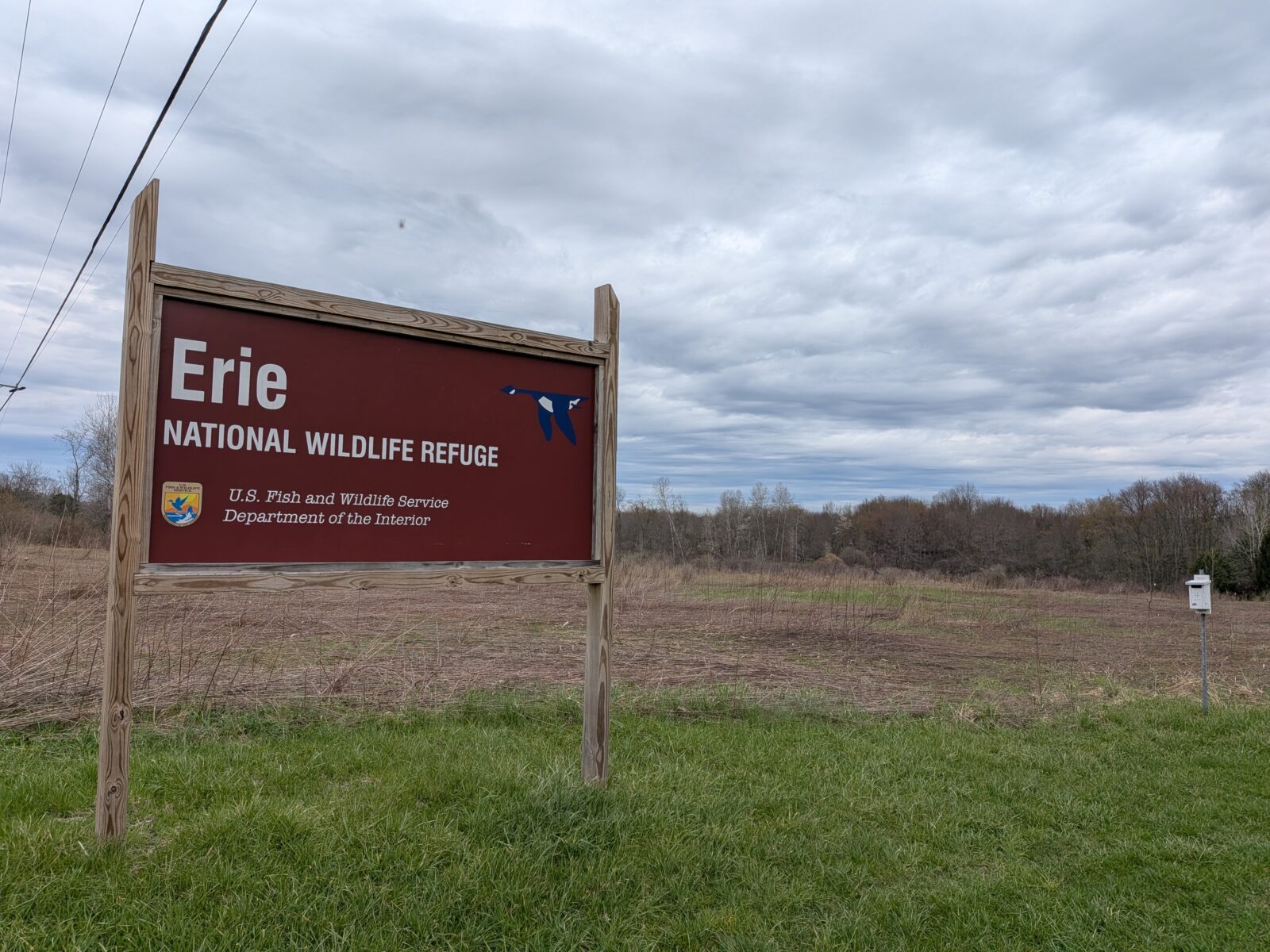
Recently, while visiting family back home, I decided to spend some time at the Erie National Wildlife Refuge. I wanted to go for a hike and see which wildflowers were starting to peek out in early spring.
As an adult, I look for opportunities to travel and experience the incredible diversity of our ecosystems. I love seeing what the local flora and fauna reveal about a place. I pay attention to how landscapes shape a city’s identity, its traditions, and even the food people eat.
Everything comes back to the land from how we interpret our surroundings, what resources are available, and how communities build their shared sense of place.
That truth felt especially clear at Erie National Wildlife Refuge.
Established in 1959 to support migratory birds, the refuge was originally purchased using funds from Duck Stamps. Today, it spans more than 8,800 acres of wetlands, forests, and shrublands across two divisions, Sugar Lake and Seneca.
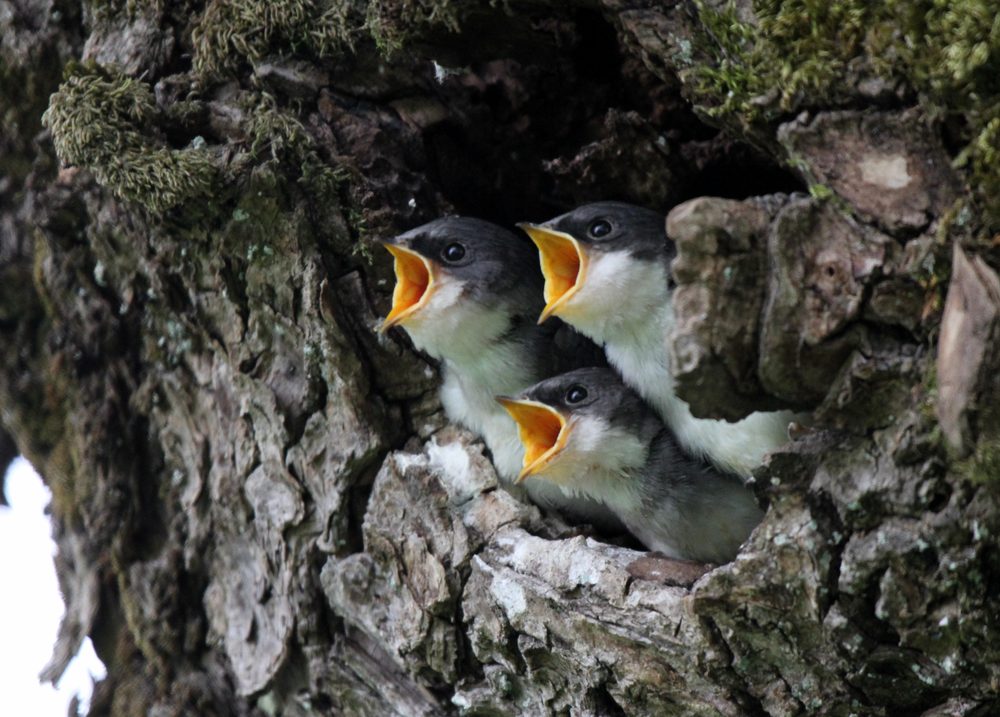
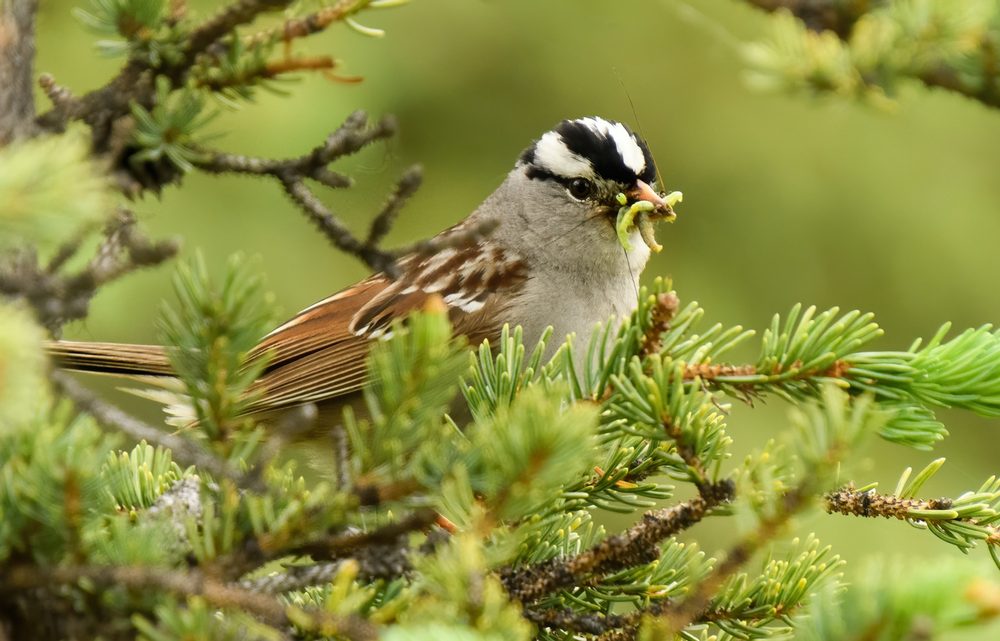
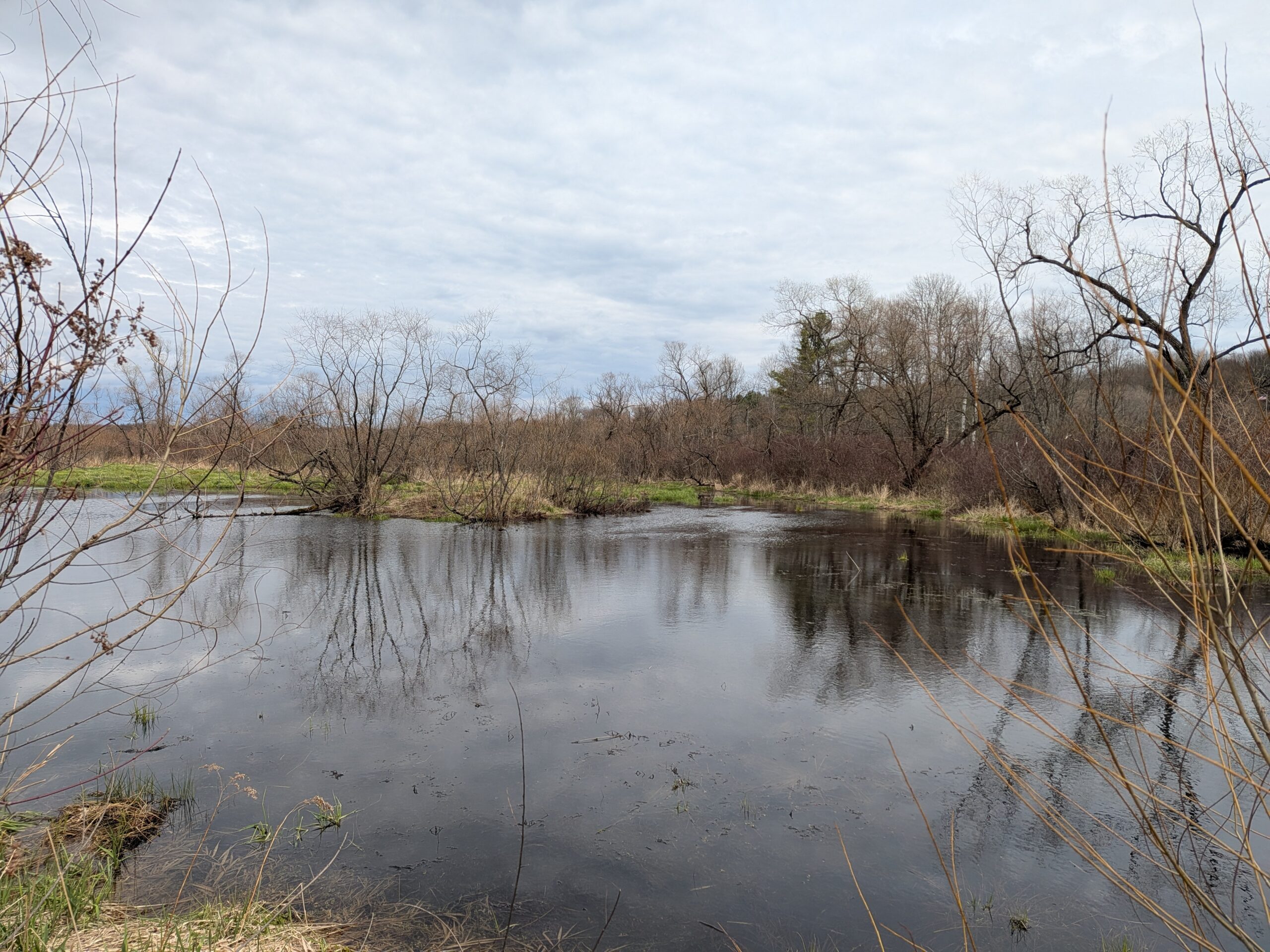
More than 40 percent of the refuge is made up of wetlands. Beaver ponds, marshes, wet meadows, forested wetlands, and creeks provide critical habitat for hundreds of species. These wetlands are especially important for the more than 225 species of birds recorded there. Over 100 species of birds’ nest on the refuge, including bald eagles.
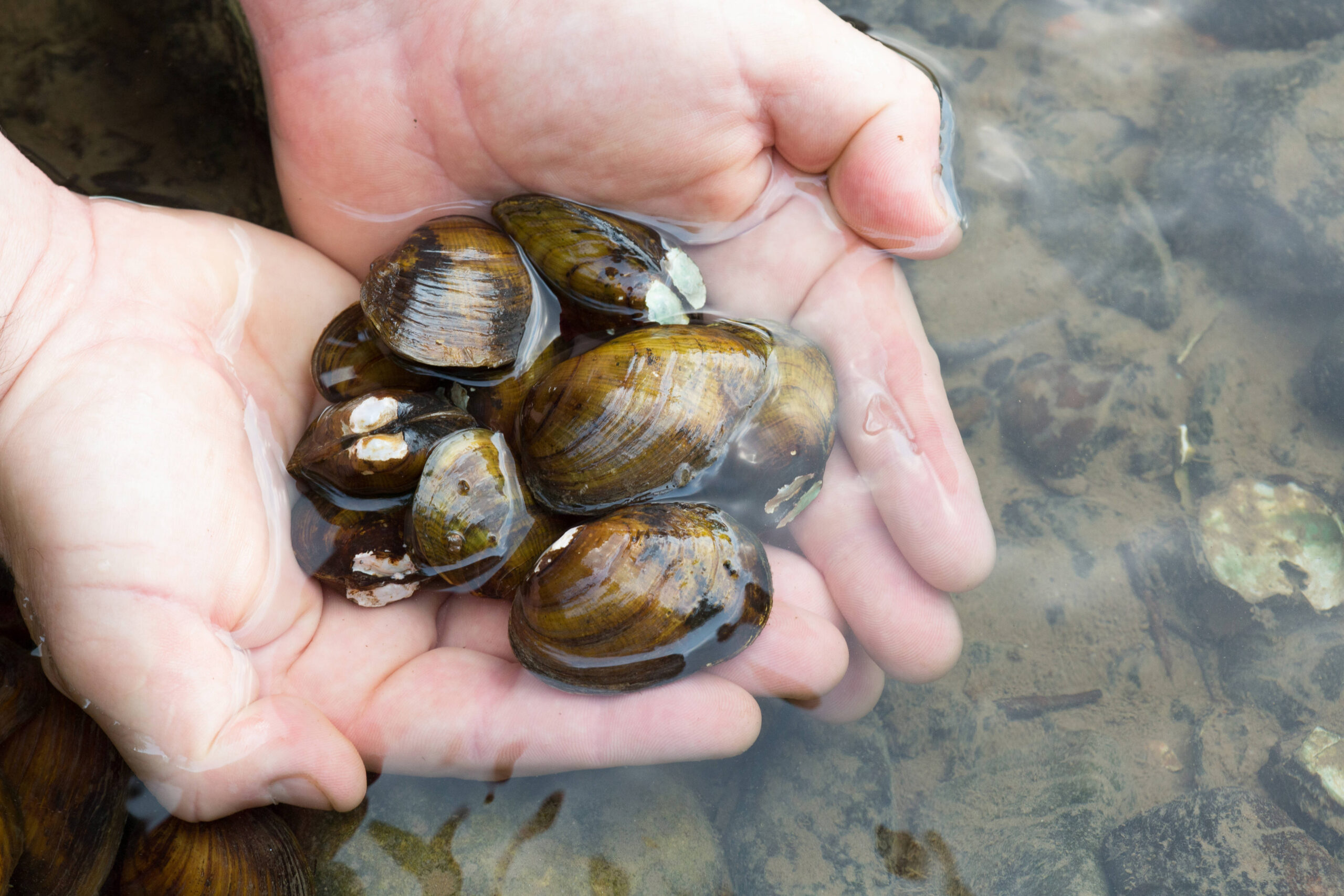
The refuge also plays a critical role in freshwater conservation. Endangered freshwater mussels, including the northern riffleshell and clubshell mussels, depend on refuge streams for survival. Countless freshwater fish, aquatic invertebrates, and native aquatic plants are endemic to the area and rely on it for survival.
The refuge also helps protect the larger French Creek watershed, one of the most biologically diverse watersheds in the eastern United States. It serves as a forested buffer for Muddy Creek and its tributaries that feed into the watershed. This conservation area helps protect freshwater resources that millions of people rely on.
I originally went to the refuge hoping to find ephemeral spring wildflowers, and I was lucky enough to spot trout lilies, red trilliums, and mayapples. On my hike, I listened to the birds migrating through in early March and was overwhelmed by the sheer amount of caws, whistles, and songs I heard around me.
What stood out even more, though, was how many people there were finding their own connection to the outdoors. I saw families walking their dogs, people birding, artists painting, and hikers enjoying the trails.
I’ve also been told it’s a favorite spot for snowshoeing and cross-country skiing in the winter. And if you know anything about winter in northwest Pennsylvania, you know you must find ways to celebrate the long season, especially when it comes with plenty of snow.
All these activities reminded me that wildlife refuges are not only sanctuaries for wildlife, but they are also places of refuge for people. They offer space away from the day-to-day grind. They give us room to reflect, reconnect, and remember that conservation is not separate from our own lives. It is deeply personal. Protecting wetlands, forests, and freshwater systems means protecting our communities, our health, and our future.
There is at least one national wildlife refuge in every state, all part of the National Wildlife Refuge System. Together, the network includes more than 550 refuges and 95 million acres dedicated to wildlife conservation.
These places provide lifelines for migratory birds, safe spaces for endangered species, and opportunities for people to hike, fish, hunt, photograph, and learn from the natural world.
As someone who cares deeply about the natural world, I’m excited to continue exploring other refuges. Every visit is a chance to better understand the plants, animals, and landscapes that shape a community and a reminder that we are part of the landscape, too.
