







We have much more to do and your continued support is needed now more than ever.
Eco-Schools Kicks Off Another Year of Student-Led Sustainability Through STEAM Learning
In early 2026, the National Wildlife Federation’s Eco-Schools program launched another impactful year in partnership with General Motors (GM), bringing together schools across Metro Detroit and beyond to drive sustainability in their school communities. Now in its 11th year, this collaboration empowers students and educators to take climate action through hands-on STEAM (Science, Technology, Engineering, Art, and Math) learning, using the Eco-Schools U.S. framework to guide their work.
Each year, participating schools receive action grants to implement STEAM and sustainability projects. Schools are supported through professional development opportunities, paired with dedicated mentors from General Motors, and use the Eco-Schools platform to work toward certification.
In the 2024–25 school year, 20 schools across Michigan, New York, and Ohio participated. Eight schools achieved Green Flag certification, along with two at the Gold level and two at the Silver level. These accomplishments were made possible through the continued partnership with General Motors, which provided critical funding for school projects and engaged more than 20 employee mentors across participating schools.
This year’s cohort builds on that momentum, with students designing, testing, and implementing projects that reflect both their local environments and creative problem-solving. Across participating schools, youth are applying STEAM skills to explore solutions such as restoring ecosystems, enhancing biodiversity on school grounds, and analyzing how human systems impact environmental outcomes.
From Planning to Action: A Visit to MS2TC
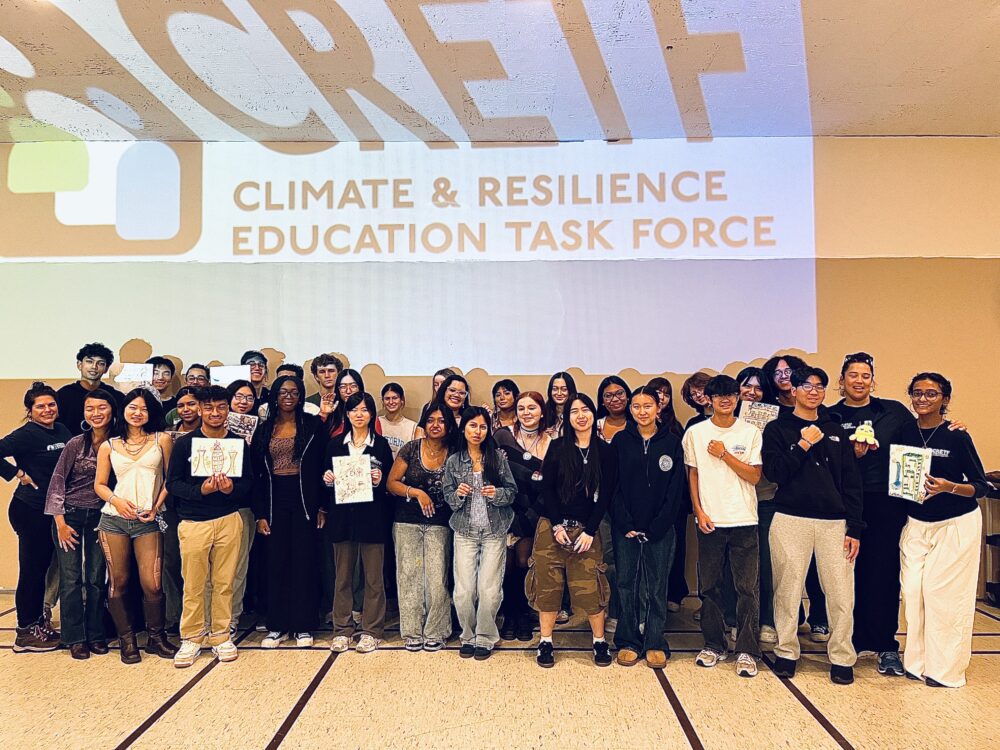
Since stepping into the role of Manager, Education for Sustainability for the Eco-Schools program in early 2026, Rhyanna Morgan has had the opportunity to see this work up close. During her first school visit, she traveled to the Middle School Mathematics Science Technology Center (MS2TC) in Warren, Michigan, where she met with educator Tuyen Duddles and her 7th grade science students.
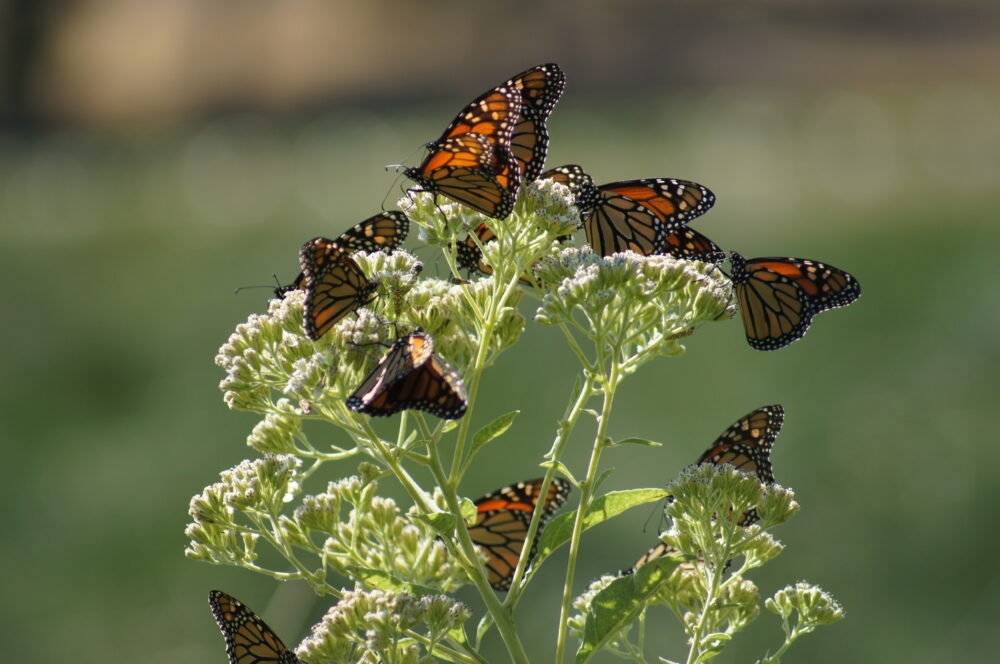
At MS2TC, Eco-Schools is a deeply embedded part of the student experience; students look forward to participating in a project that integrates scientific research, design, and hands-on problem-solving with Ms. Duddles as they move through the grades. During her visit, Morgan met with student groups as they shared their plans for the upcoming growing season. Their ideas ranged from designing and constructing insect hotels and butterfly gardens to planting a white oak tree, installing water collection systems, and building birdhouses.
What stood out most was the depth of student research and planning behind each project. Students carefully considered spacing and habitat needs, calculated material requirements and project costs, researched sustainable materials, and identified community organizations they could partner with for support. Seeing both their planning process and the schoolyard habitat where these projects will come to life highlighted the powerful combination of inquiry, data-driven decision-making, collaboration, and hands-on STEAM learning that defines the Eco-Schools program.
On the same day, GM Mentor Elizabeth Donoghue—who has supported MS2TC in previous years—visited additional 7th grade classes, continuing her partnership with the school. Mentors like Elizabeth play a critical role in connecting students to real-world applications and careers, helping to inspire the next generation of environmental leaders in STEAM.

Student Leadership in Action: Hayes Elementary School
Across Metro Detroit and beyond, participating schools are already demonstrating the impact of this approach. At Hayes Elementary School in Westland, Michigan, environmental stewardship is embedded in daily learning through student leadership and hands-on STEAM exploration. This work is supported by a dedicated Green Team of educators and staff, headed by art teacher and Green Team Leader, Christine Lakatos.
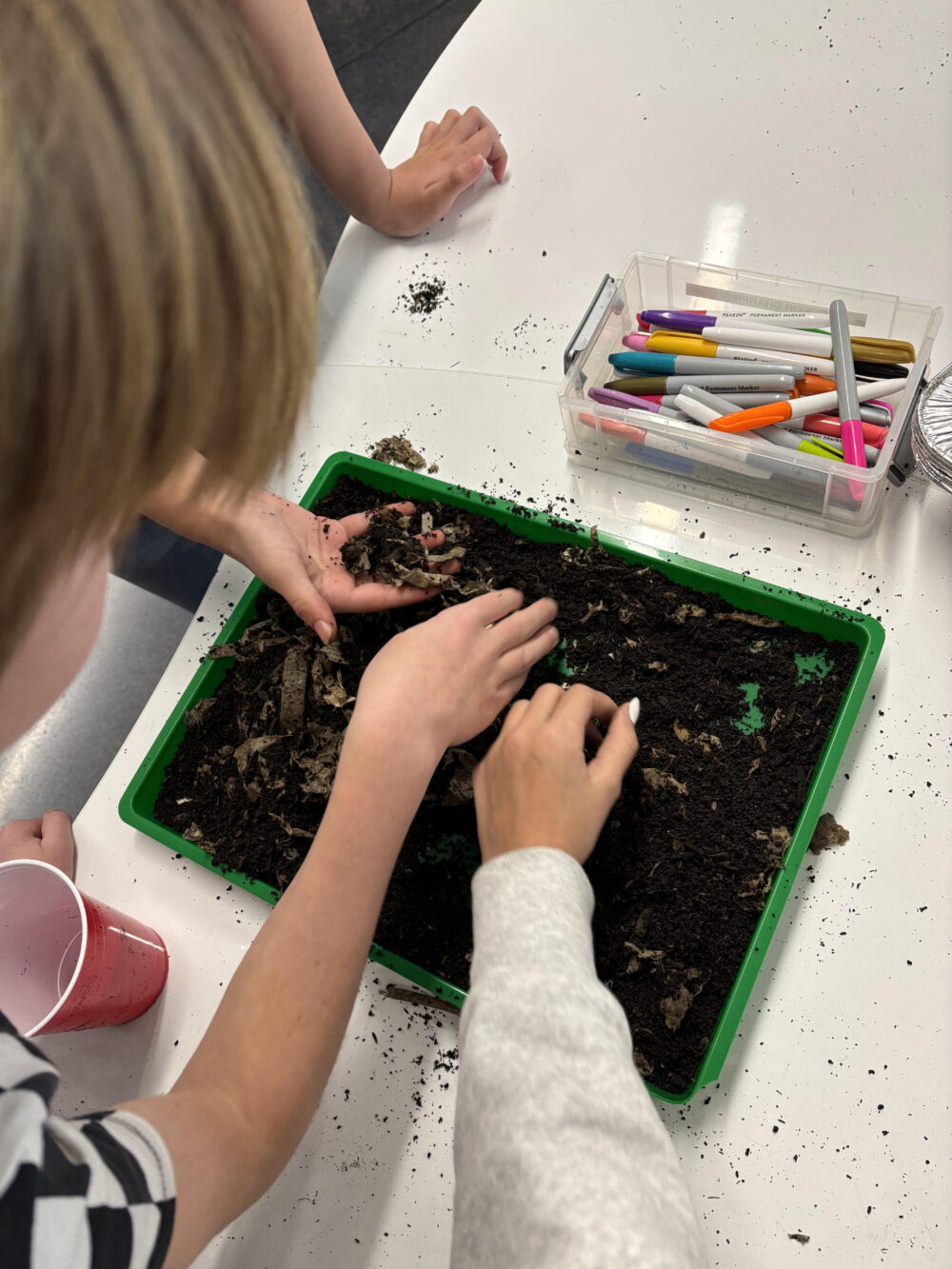
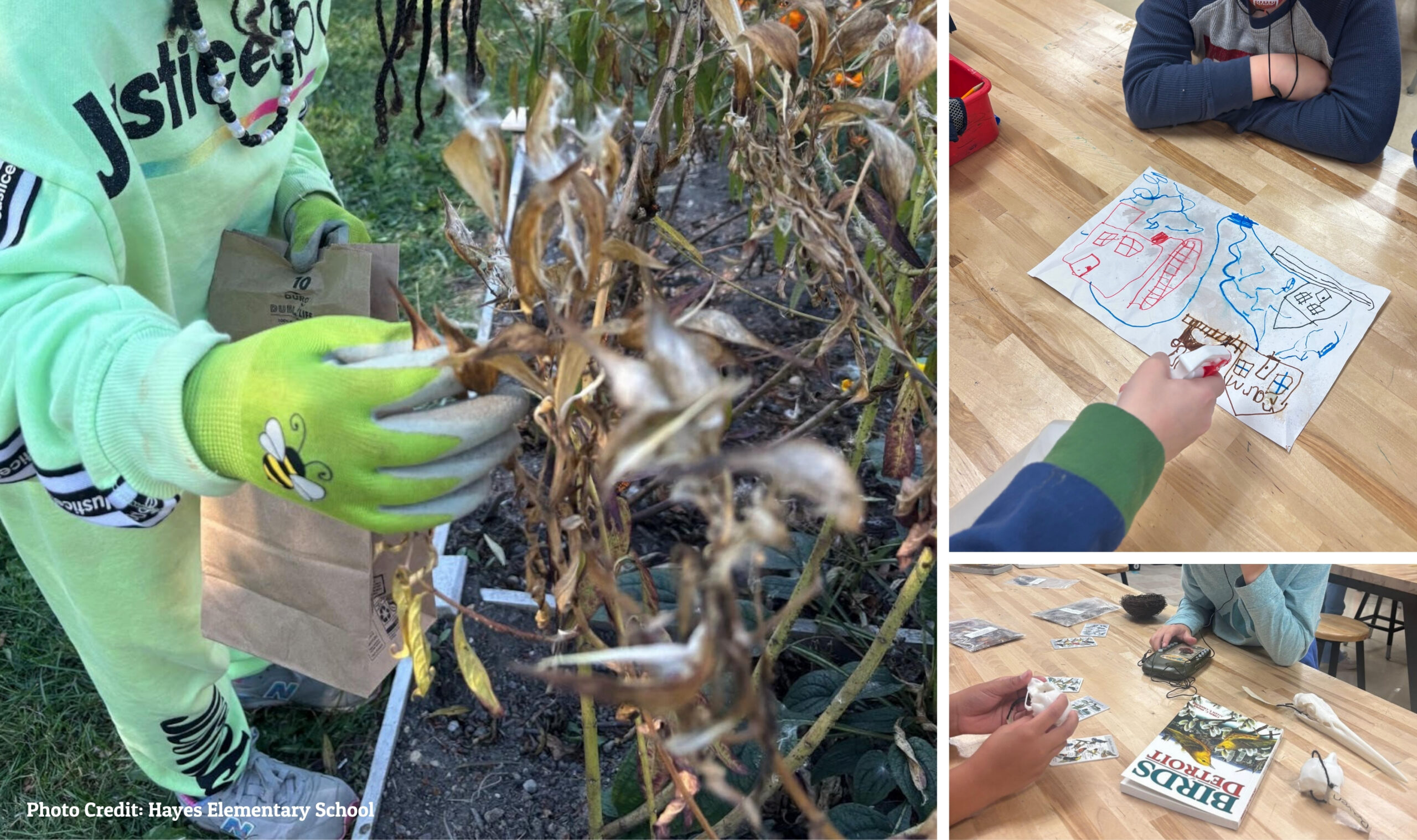
This year, students participated in a citizen science–based investigation using Metroparks science kits focused on birds and watersheds, integrating science inquiry with hands-on modeling and observation. Working with authentic science tools and materials, students observed, compared, and identified bird species using images, audio recordings, and physical specimens. They analyzed bird calls, examined feathers and eggs, and explored adaptations by modeling bird beaks with different tools to understand how form relates to function. Students also measured wingspans and investigated sensory adaptations, applying both scientific observation and mathematical thinking.
Students extended their learning through a hands-on watershed modeling activity. By constructing landform models and simulating rainfall, they observed how water moves through a watershed and how human development can influence runoff and water quality. Through this process, students collected and interpreted observational data, identified patterns, and explored the environmental impact of everyday decisions, while connecting scientific concepts to real-world systems.
Hayes students also continued to maintain and expand their Schoolyard Habitat, applying ecological knowledge through ongoing, student-led stewardship. They engaged in seasonal maintenance activities such as planting, weeding, watering, harvesting, and seed collection, learning how these actions support plant life cycles, biodiversity, and habitat health. Students monitored changes over time, reinforcing connections between data, observation, and environmental outcomes.
From detailed project planning in middle school classrooms to schoolwide initiatives led by elementary students, these schools demonstrate how education can inspire meaningful environmental action. With continued support from General Motors, educators, mentors, and community partners, students are actively applying STEAM skills, like analyzing data, designing solutions, and communicating impact, to shape a more resilient and sustainable future.
 Written by NWF Staff
