





We have much more to do and your continued support is needed now more than ever.
Enlivening Green Spaces with the Sacred Grounds Program
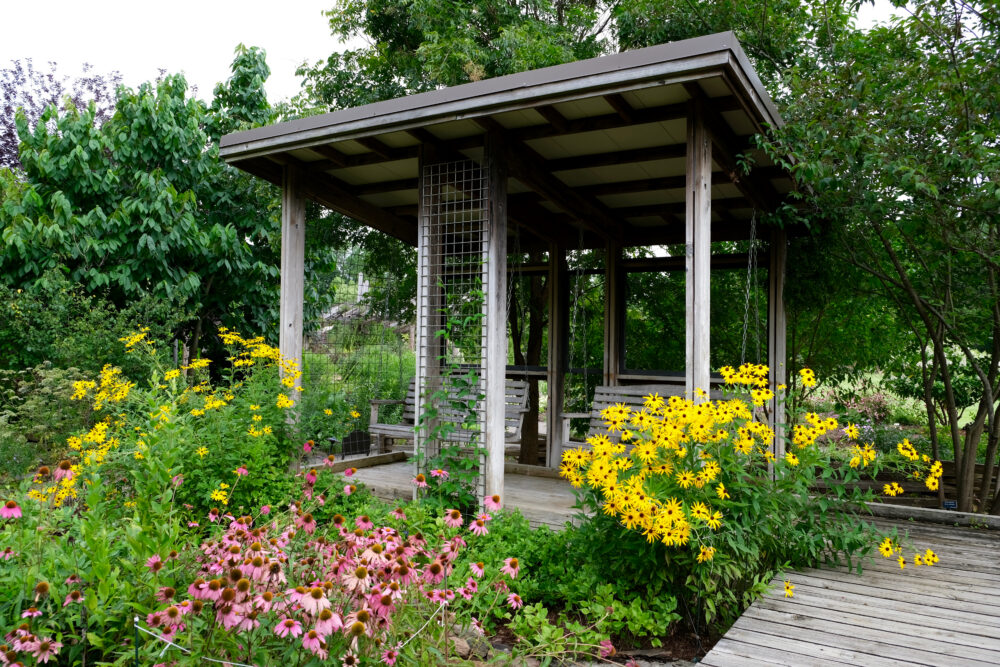
Sacred Grounds™ is a National Wildlife Federation program that recognizes congregations, houses of worship, and faith communities who both create wildlife habitat and actively link faith practices with caring for the environment. Throughout year-round programming, we work alongside local partners in assisting with project planning and technical expertise to increase native plant gardens. Learn more about the multi-faceted, collaborative design process behind bringing these green spaces to life!
1. Orientation
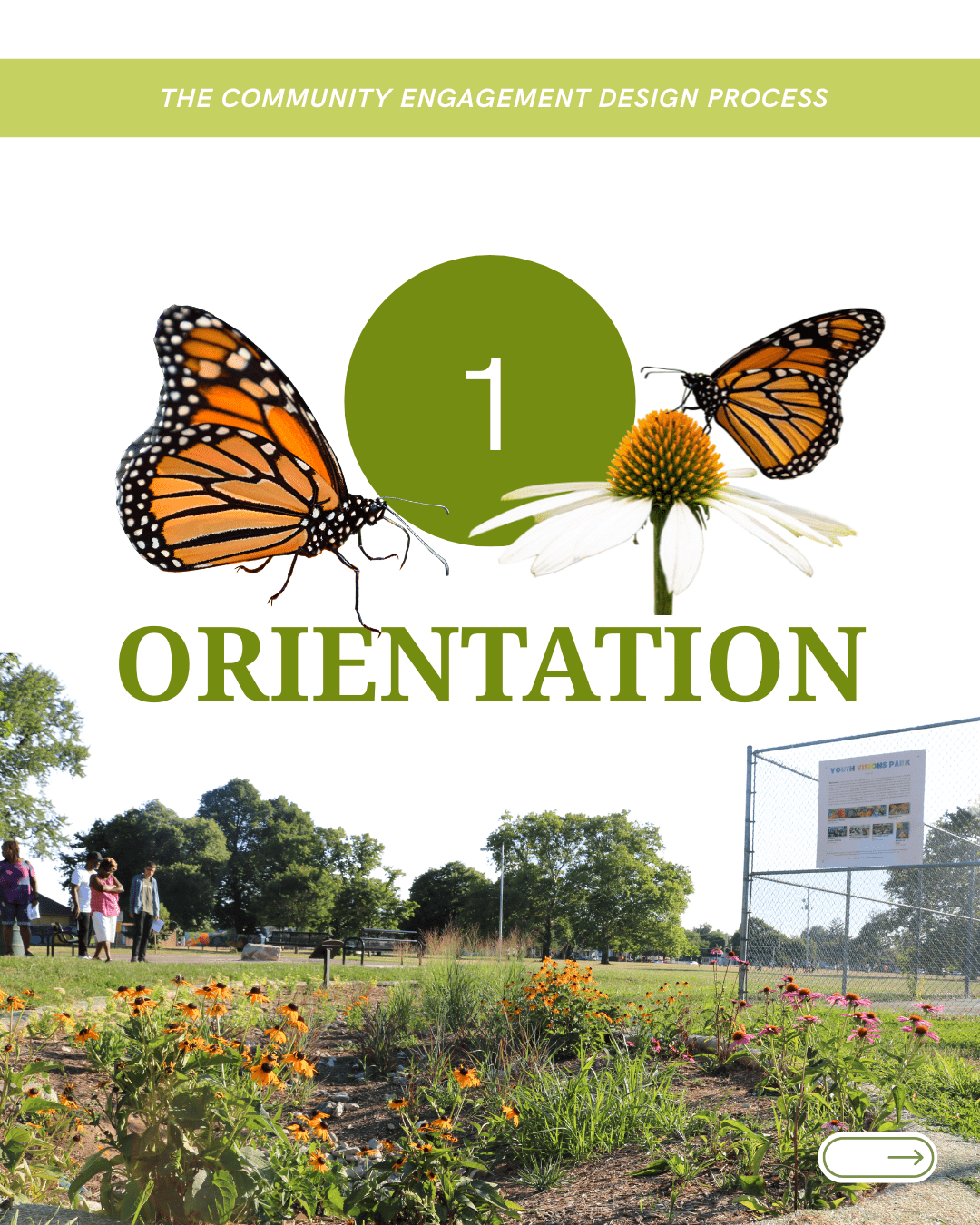
This is the launch of our program series! NWF gathers each new cohort in-person to provide an overview of the program, introduce the program team, and give every participating program site a chance to share their vision for their spaces with the rest of the cohort.
Most of these gatherings are hosted by a previous Sacred Grounds site, creating an opportunity for new participants to connect with past Sacred Grounds program participants/alumni. Following the Orientation, program participants usually walk the grounds of the host house of worship/community organization and hear from the site on their involvement, the impact of their project, and lessons learned.
2. Site Visits
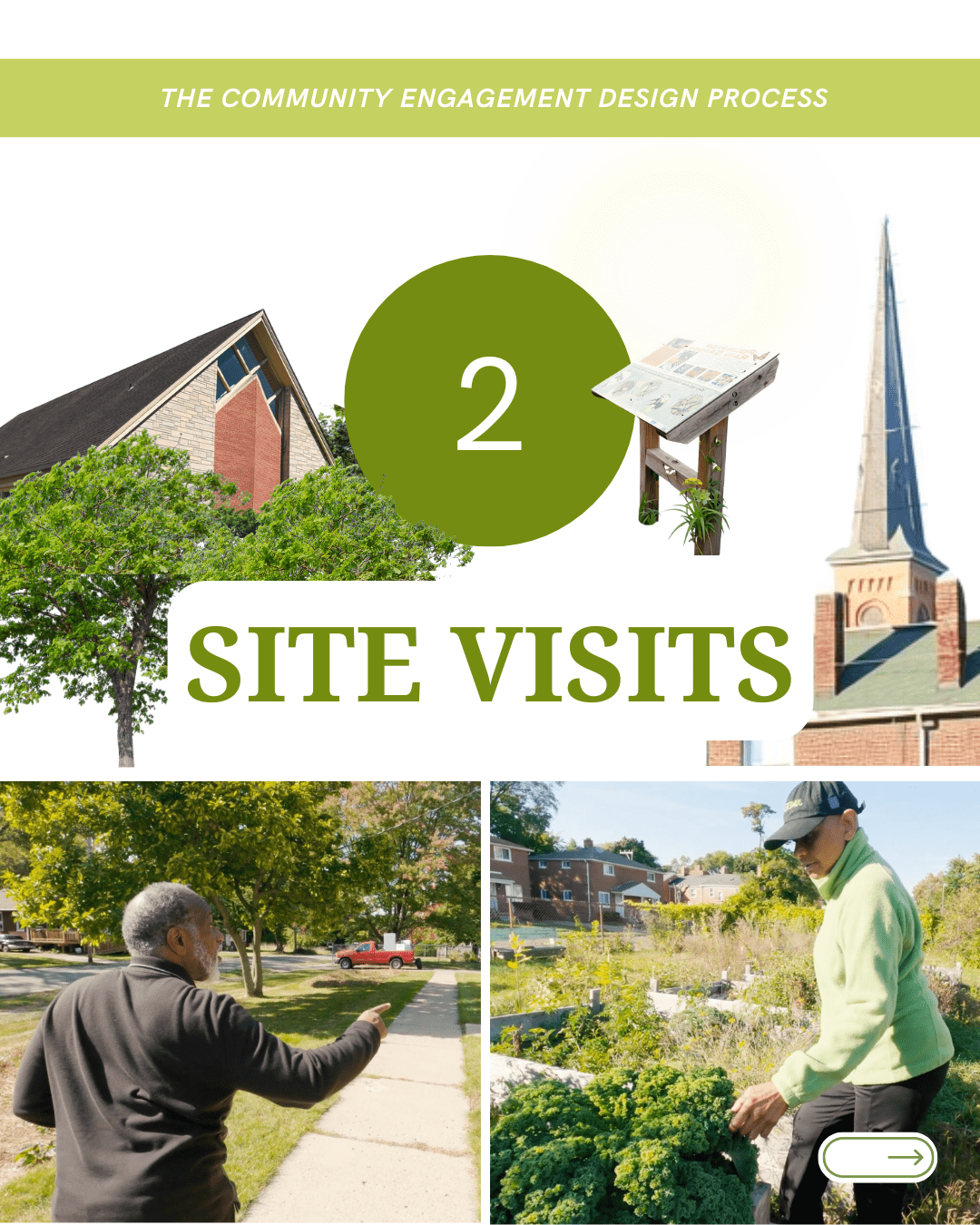
Our technical partners (in Detroit: Friends of the Rouge; in Grand Rapids: Plaster Creek Stewards and LGROW) lead this phase of the program. During site visits, technical partners schedule and meet with each Sacred Grounds program site to conduct a site assessment and evaluate the feasibility of the proposed project.
Program reps meet our technical partners during this time to show them the areas of the property that they want to prioritize and feel are ideal for their community. At the end of this exchange, both partners and program representatives are clear about the options and next steps for installation.
In Detroit, these site visits are highly technical because our rain gardens are engineered Green Stormwater Infrastructure projects. So, garden feasibility includes: optimal stormwater capture, water availability, sun exposure, utility locations, soil composition, asphalt presence, etc. After these site visits, our technical partners go back to design and develop the preliminary garden designs in preparation for the Design Charrette.
3. Design Charrette
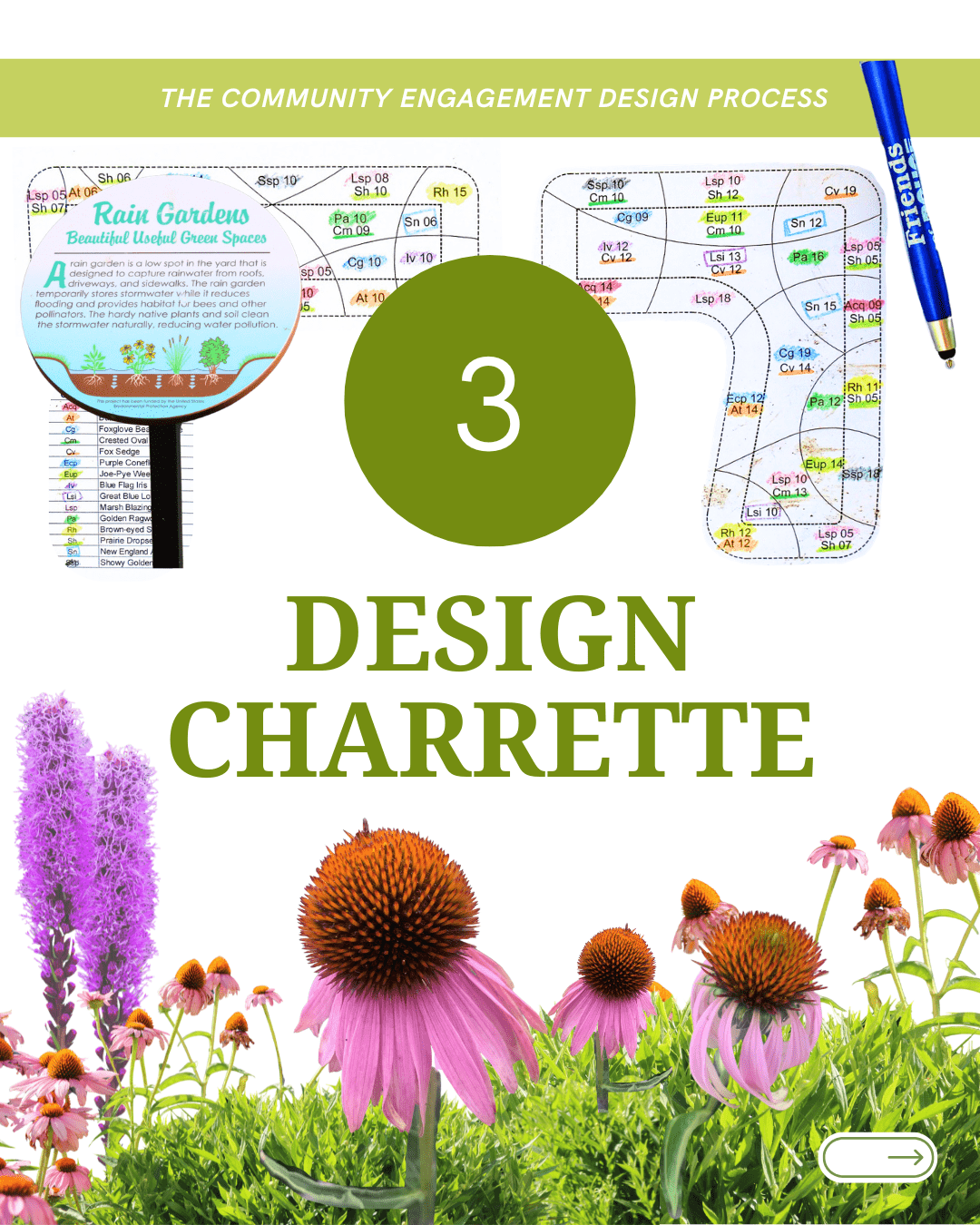
A design charrette is a collaborative session in which a group of stakeholders, usually including designers, planners, and community members, work together to develop a solution to a design challenge.
The aim is to facilitate an open, inclusive and creative space for ideas and feedback to be shared. In this phase, our goals are translated into a site-specific, bespoke landscape installation plan by mapping out the garden space and selecting appropriate plants for the local area.
NWF leads the overall flow of this workshop and gathering. The program sites come together to receive their proposed rain garden or native plant garden designs from our technical partners.
Participants review the final location of the garden, native plant palette, and overall design while collaborating with partners and fellow cohort members to provide feedback and discuss how they envision activating their space for their community.
We also incorporate a rain garden 101 or native plant 101 mini workshop that provides some baseline knowledge before installation. The design charrette can look different by city, but the goals include gaining knowledge around native plants/rain gardens, allowing each program site to provide feedback on their garden design, community cohort exchange, and fellowship.
4. Installation
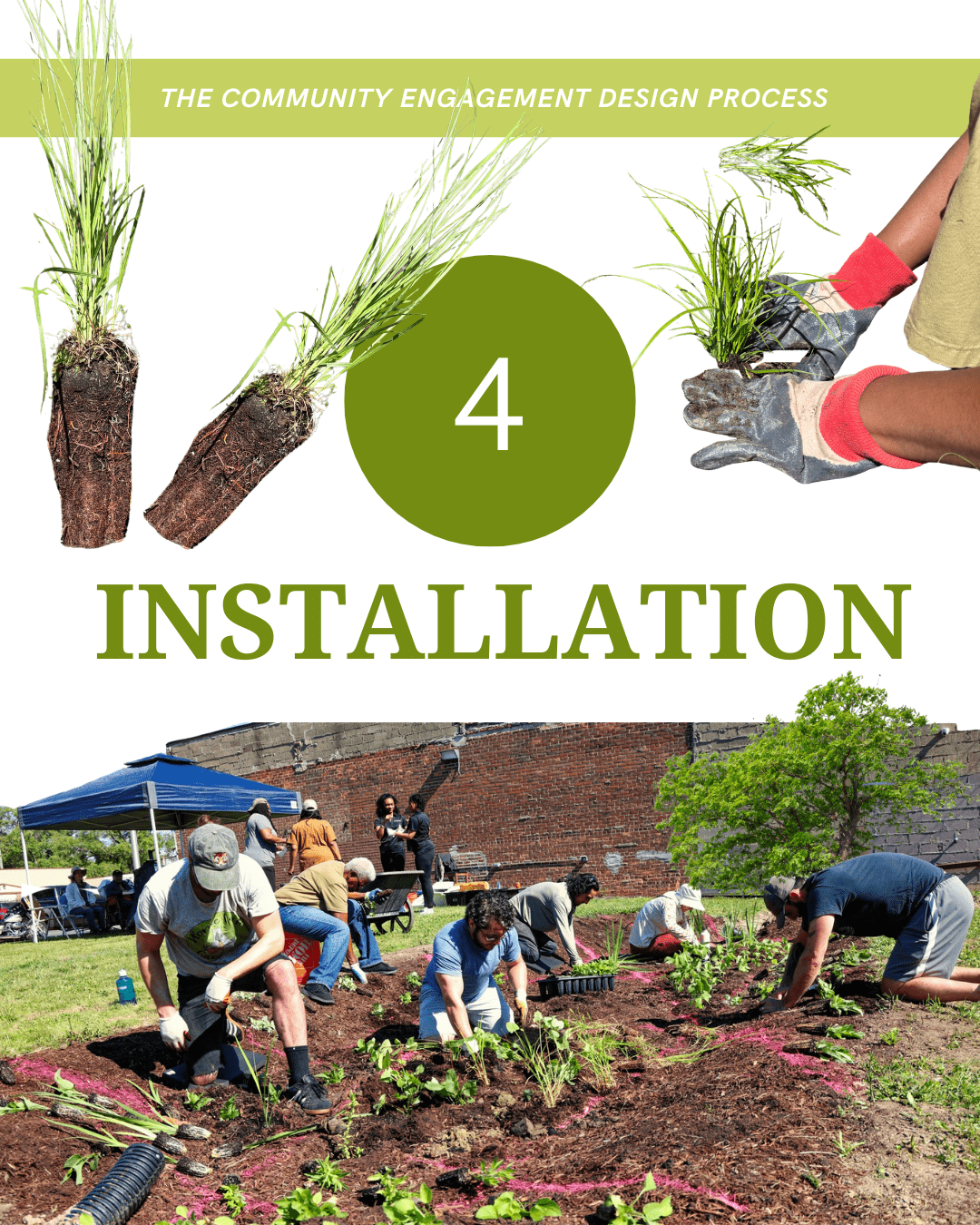
Ahead of planting, the site is excavated or cleared for planting! Zones are drawn, and seedling plugs, often provided by local growers, are laid out in their designated spaces. Then, they’re planted by a crew of installers, usually including volunteers and organization staff. It’s an amazing moment where teamwork and community come together to enliven a new space.
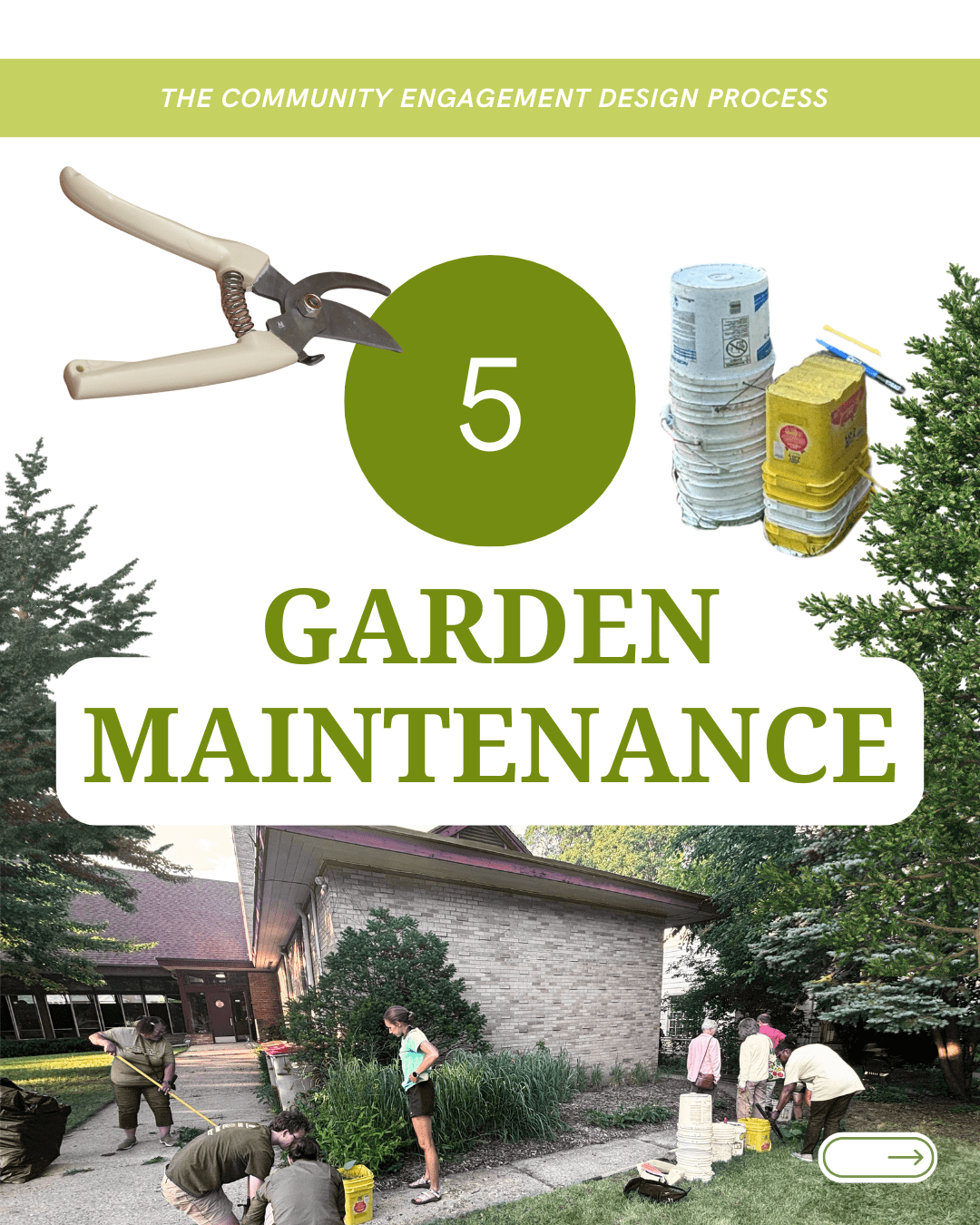
5. Garden Maintenance
Our maintenance plan and approach vary by program site, capacity and funding. However, following each planting, our program team (NWF and partners) provides a range of guidance, resources and varying levels of support to help sites successfully steward their gardens.
This may include maintenance training, seasonal site visits, volunteer workdays, written maintenance guides, and technical assistance. We also encourage sites to build long-term stewardship teams by engaging their congregants, youth groups, neighborhood residents, and community partners.

6. Celebration
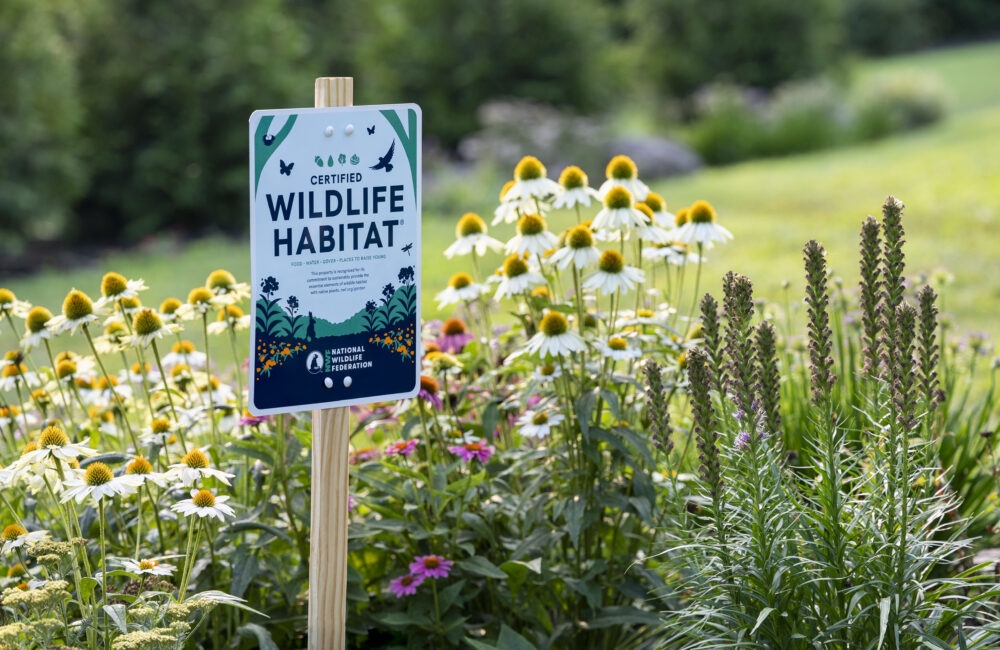
Celebrations look a little different for every city! In this current Detroit programming cycle, we have funding to celebrate with a ribbon cutting and native plant giveaway. But at a minimum, NWF provides every participating Sacred Grounds site with a sign and certificate. We also try to support and encourage any sites that want to put on garden blessings, congregation gatherings or other community celebrations that reflect the desires and needs of each community.
