



We have much more to do and your continued support is needed now more than ever.
Leave the Leaves to Attract Birds
Learn how the fallen leaves help attract birds to your garden and provide them with food and cover.
Each October, we celebrate the immense importance of fallen leaves for wildlife through our annual Leave the Leaves month. While many homeowners are used to raking up their leaves and carting them away in yard waste bags, there can be huge benefits to using the leaves in your garden.
Learn how backyard birds use the leaf layer and take action this year by reducing your yard waste and putting the leaves to work!
A Place to Forage
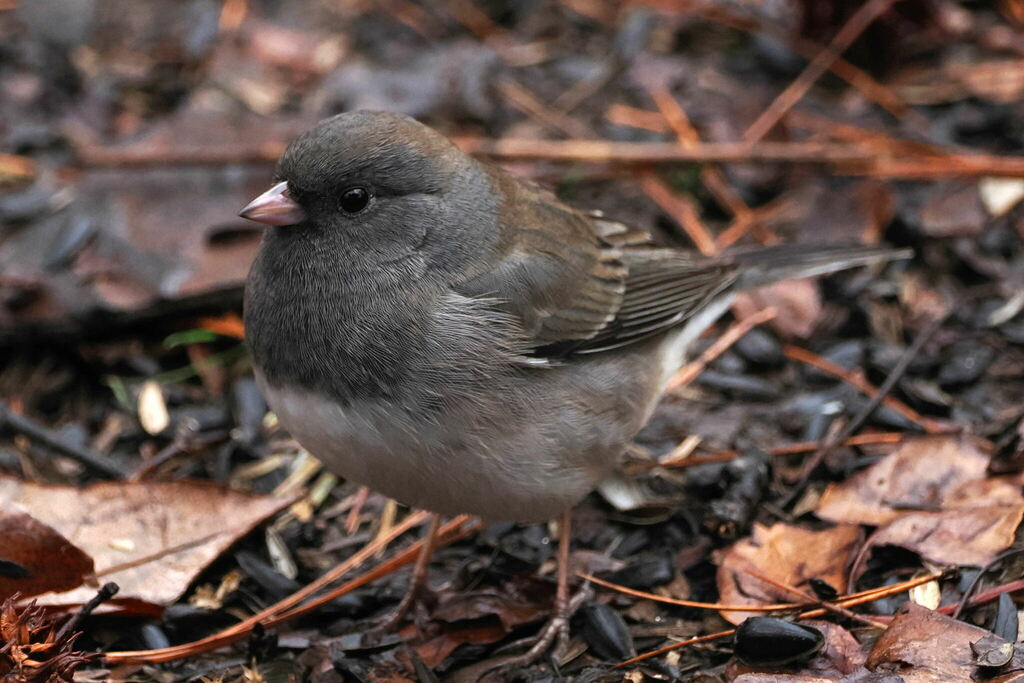
Backyard birds may love your feeders, but most of their food comes from foraging in the natural environment. The leaf layer is a great place to forage. Under the leaves hide many food sources: fallen nuts and seeds, insects, and invertebrates. The leaves provide a moist environment where many of these small creatures thrive and hide.
Birds that forage in the leaves can use their feet to sift through and uncover food. Plus, the leaf layer offers a good amount of camouflage from predators while birds are searching for food! You can often find red and brown species like thrushes, sparrows, and juncos foraging in the leaf layer.

Nesting Material
Come breeding season, birds need a wealth of materials to use in their nests. Many species of backyard birds use fallen leaves and twigs. By leaving these materials unraked or in a pile at the edge of your garden, you are supplying birds with key building materials.
Not only this, but some species, like Kentucky warblers and ovenbirds, will even build their nests nestled into the leaf layer. A deep leaf layer plays a crucial role in their nesting success, providing it with effective camouflage from predators as well as warmth for the young.

Supports the Food Web
Even birds that may not directly visit the leaf layer to forage still benefit from the fallen leaves. A lot of insects spend most or even just part of their life in the leaves. For example, many butterflies and moths will overwinter there and those fireflies we love to see in the summer often spend the first stages of their life in the leaves too.
All of these insects and arthropods are an essential part of the food web, and birds are especially dependent on them. In fact, about 95% of North American terrestrial birds rely on insects to some extent to rear their young. Unfortunately, terrestrial bird species dependent on such insect food have declined by a startling 2.9 billion individuals over the last 50 years, a 111-fold difference from species that do not depend on insects.
Read up on some of the species that depend on the leaf layer:
Thank You to Our Habitat Champion: Wild Birds Unlimited!
Not only have Wild Birds Unlimited and its founder, Jim Carpenter, been amazing advocates for birds, but they have long understood the connection between birds and the larger need for habitat restoration. While seed feeders do a great job of supporting songbirds, most seed-eating species still depend on insects to feed their young. These insects, in turn, depend on native habitat.
It’s clear that birds and native habitat are intrinsically connected. With this knowledge, Wild Birds Unlimited has been a staunch advocate for creating habitat as a way to support birds and other wildlife. This stance has formed the strong foundation of their long partnership with the National Wildlife Federation’s Certified Wildlife Habitat® program.
