











We have much more to do and your continued support is needed now more than ever.
Wildlife Gardening Can Provide Mental Health Benefits, Too!
When we garden for wildlife, the local ecosystem isn’t the only thing that benefits. Our own brains and bodies are positively impacted too!
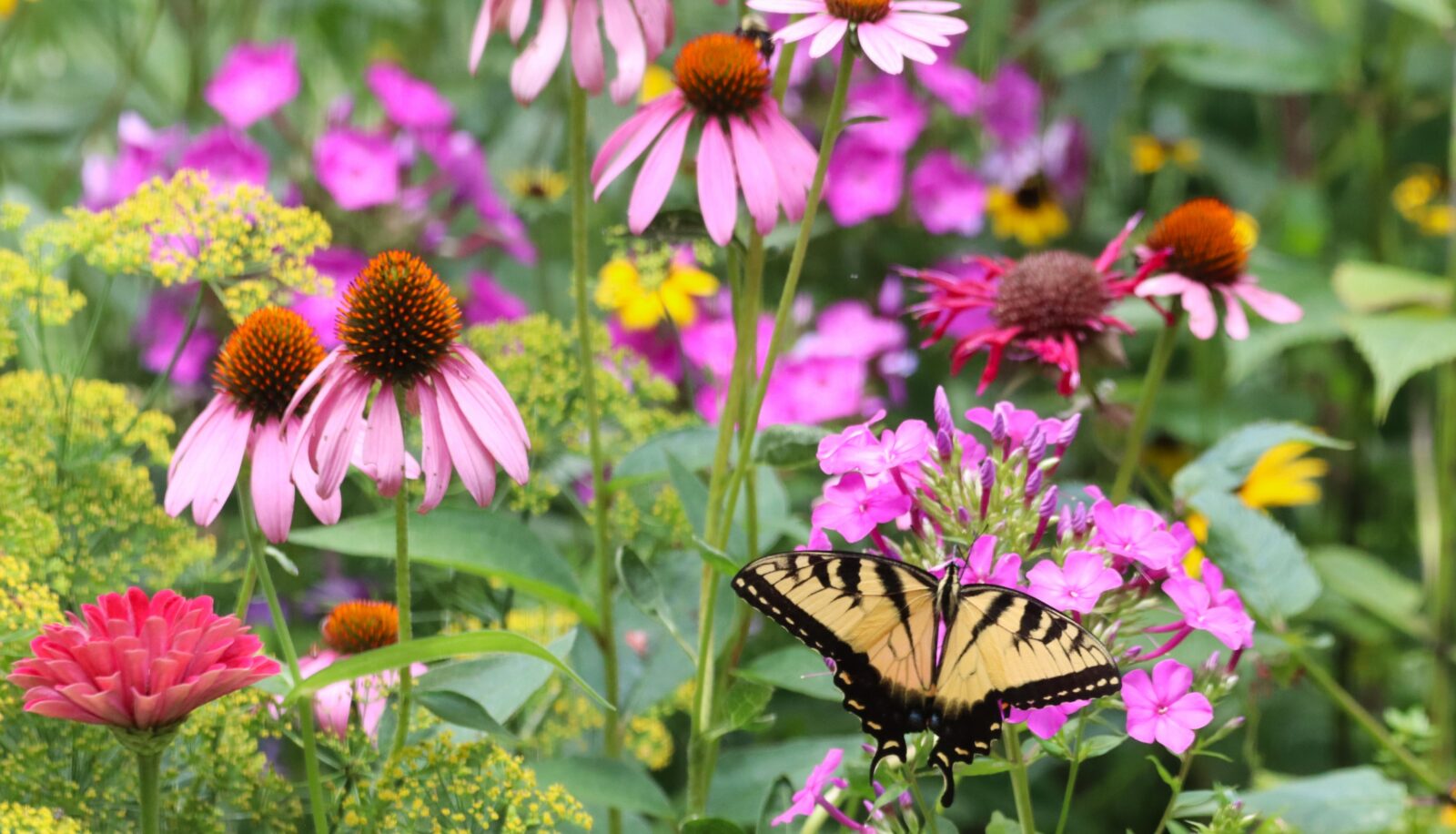
Credit: Sherry Schellenger
May is both Garden for Wildlife® Month and Mental Health Awareness Month! To celebrate these two important causes, we’ve pulled together 6 ways your garden can help support mental health. Join us this month by getting outside in your own garden (or a community green space) to plant native species and enjoy all the benefits gardening can provide for people and wildlife!
1. Gardening Can Help Decrease Anxiety, Depression, and Stress
Just being outside can be incredibly good for our mental health, but when you add the physical element of moving around in the garden to plant, water, and pull weeds, the positive impacts are undeniable. Many studies have shown that gardening can reduce stress, improve mood, and generally supplement well-being.
2. Listening to Backyard Birds Can Reduce Stress
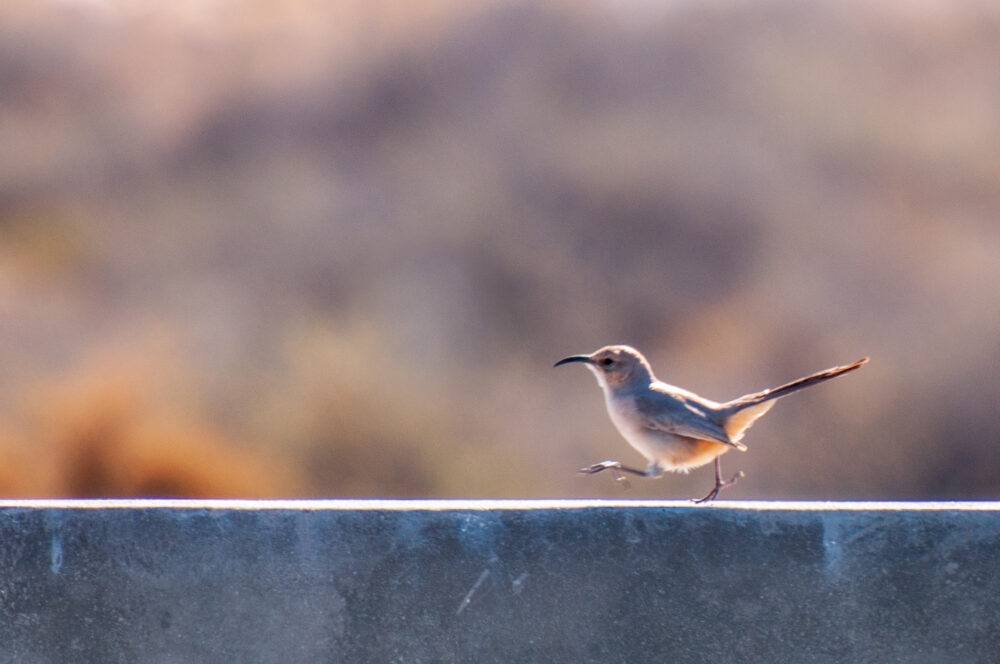
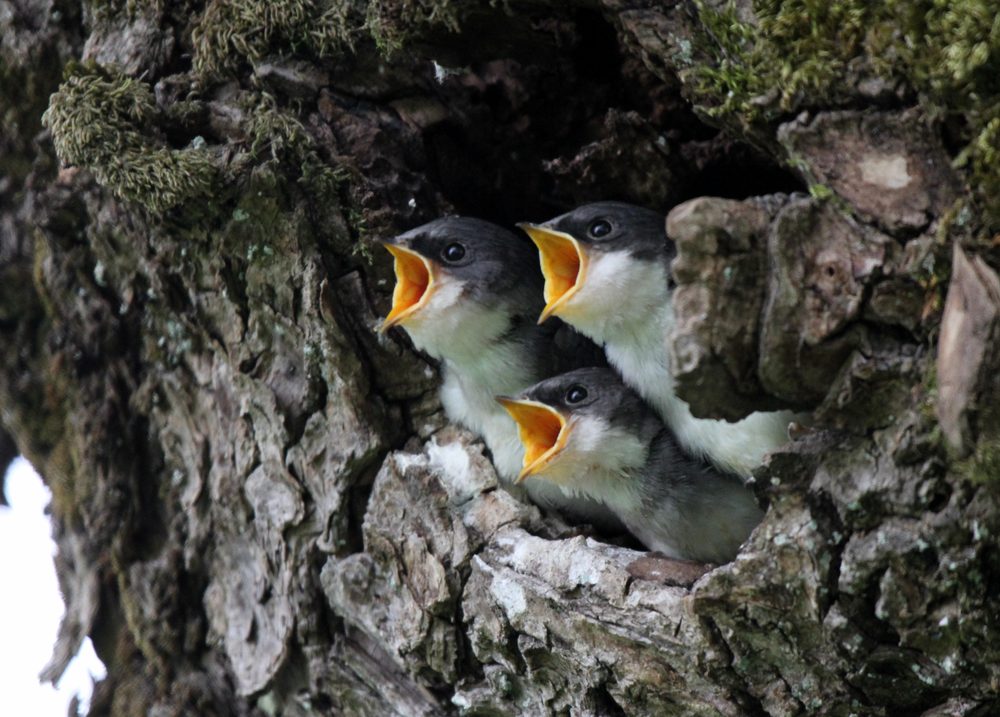
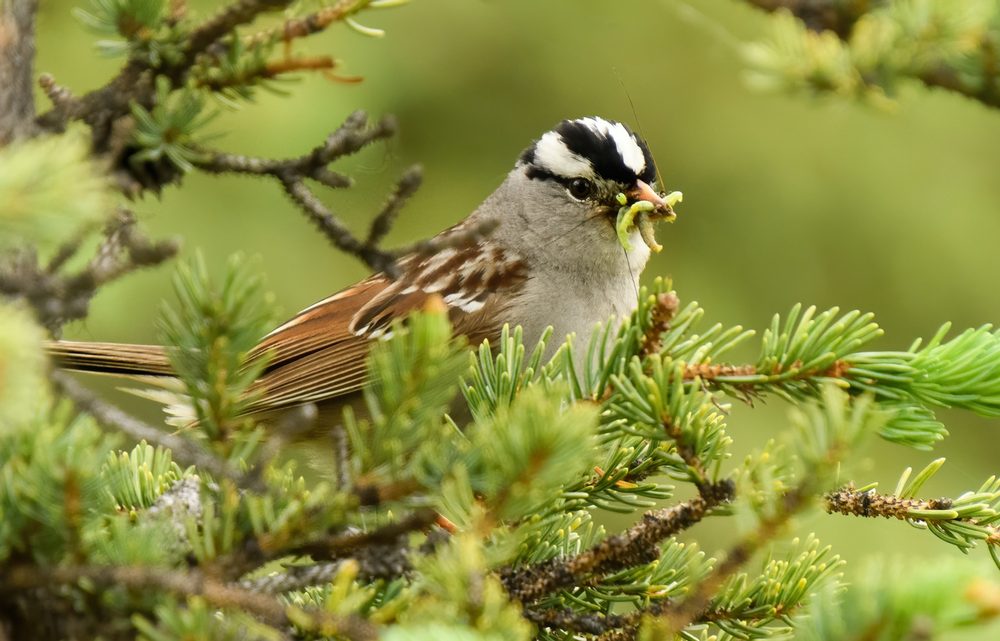
When you garden for wildlife, many species will visit your yard. One of the first visitors you may notice are songbirds. They will likely come to your yard to eat seeds and insects off native plants and maybe even to build nests in the foliage. Attracting birds to our gardens is especially good for our mental health because listening to just six minutes bird song has been proven to reduce anxiety and paranoia. Scientists believe this is, primarily, because birds stop singing when they perceive threats, and so hearing birdsong generally indicate that no predators are nearby.

3. Soil Bacteria Can Improve Mood
When we think of the benefits of gardening, our immediate thought may not be about the dirt beneath our nails, but it turns out that that soil microbes might be part of the payoff! Research on the common soil bacteria Mycobacterium vaccae has been shown to trigger anti-inflammatory responses in the brain and increase serotonin, which regulates mood.
While most of this work has been in animal models, researchers have indicated that it’s good for people to be outdoors and have contact with these bacterium too—and in fact, our modern disconnection from soil microbes may partly explain rising rates of stress-related disorders.
4. Watching Wildlife Can Improve our Wellbeing
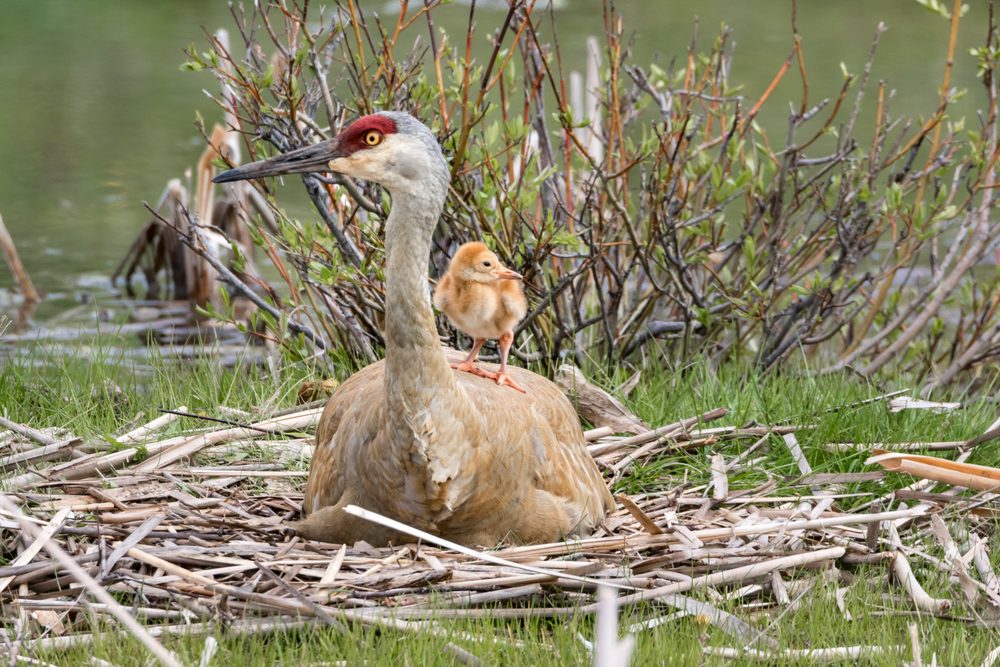
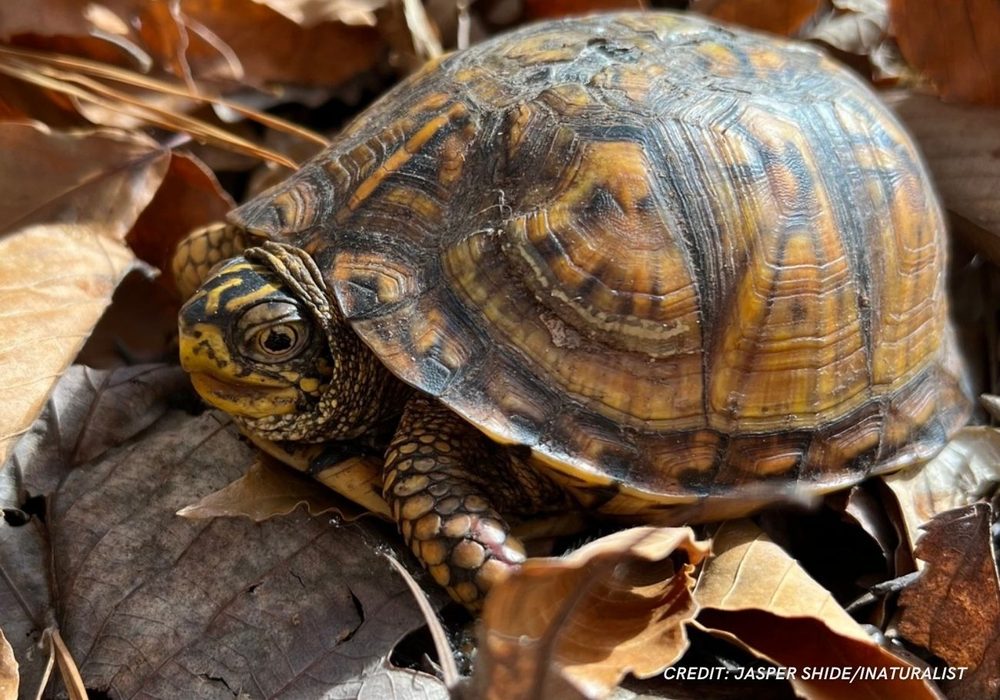
One of the great joys of wildlife gardening is that you will start to see animals benefit from your yard. From butterflies visiting flowers to bunnies hopping through the foliage, there are tons of opportunities to sit back and watch wildlife outside your window. These kinds of interactions with wildlife have been shown to improve our wellbeing and help us feel more connected to nature.

5. Gardening is Good for the Body (Which is Good for the Mind)
Gardening includes all kinds of movement including walking, carrying heavy objects, and squatting. Gardening encourages you to move in various ways that serve as both strength training and cardio. The benefits of both strength and cardio for our health can’t be overstated, from positive impacts to our heart health to improvements on overall life expectancy. Gardening is a great way to earn all of the benefits of working out, while helping wildlife too!

6. Gardening is Especially Beneficial as We Get Older
On top of all of the benefits we’ve already covered, being in the garden is especially good for us as we get older. Gardening can improve self-esteem, provide meaningful exercise, and even offer opportunities for social engagement as we age, particularly if you’re gardening in community spaces.
Get Gardening!
This month, you can get involved by turning your own garden into a wildlife habitat! Try planting native species to help wildlife and see if your garden is ready to become a Certified Wildlife Habitat® in our online quiz!
