











We have much more to do and your continued support is needed now more than ever.
Meet NWF’s Environmental Justice Advisory Council: Reverend Leo Woodberry
This blog is part of a series introducing National Wildlife Federation’s Environmental Justice Advisory Council (EJAC). Established in 2023, the EJAC provides advice and guidance not only to the Environmental Justice, Health, and Community Resilience and Revitalization program, but to the National Wildlife Federation and its board of directors. This council is the first of its kind amongst large-scale environmental non-profits, composed of environmental justice leaders who have dedicated decades to addressing environmental injustices in the effort to create a society where all people are treated fairly. Read the announcement here.
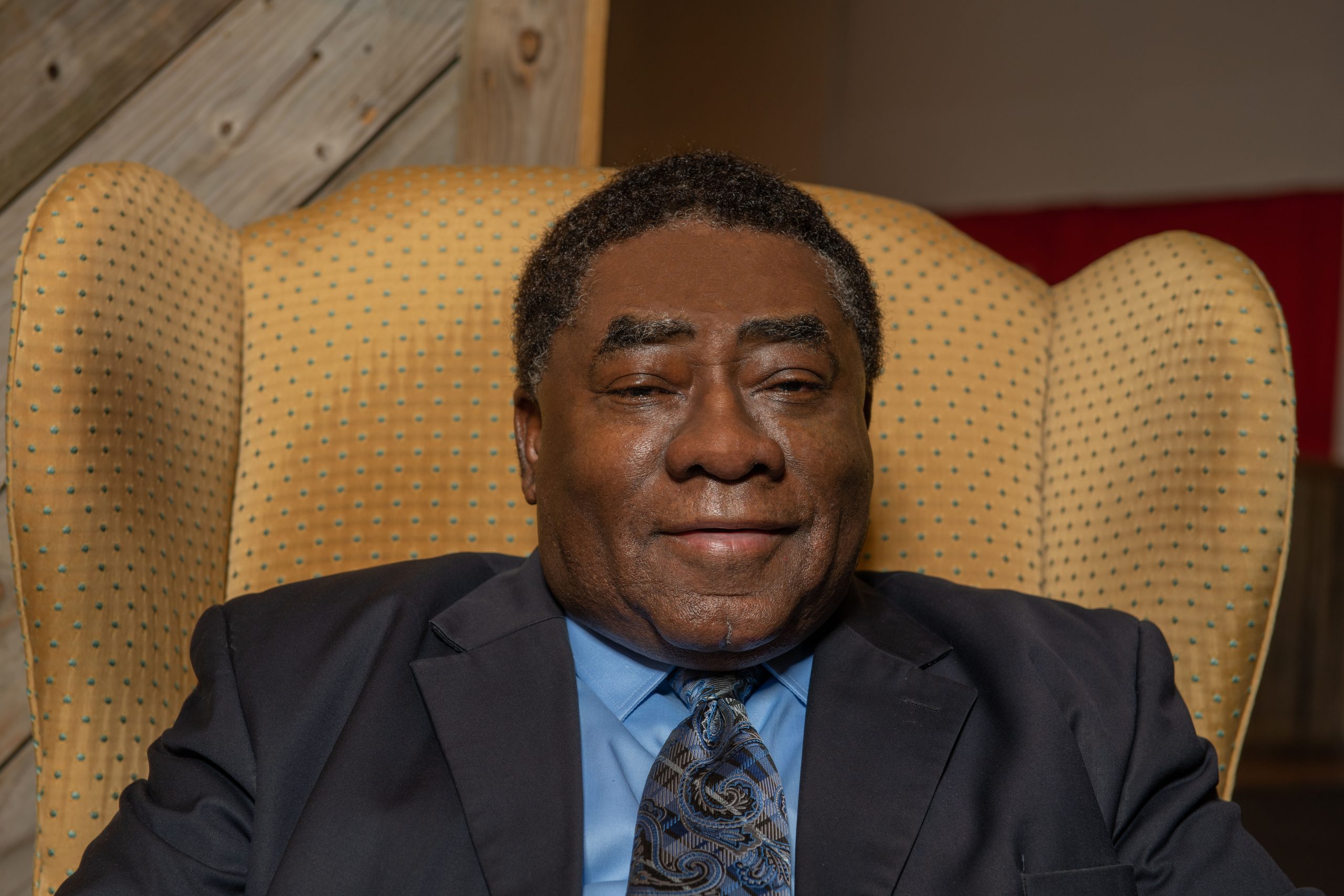
This blog focuses on senior pastor of Kingdom Living Temple and executive director of New Alpha CDC Reverend Leo Woodberry, who has devoted his time, energy, and commitment to supporting his community in Florence, South Carolina. Rev. Woodberry works to build climate resilience against worsening extreme weather and protecting communities from environmental hazards, welcoming anyone with a shared passion for building a more just and more sustainable future. To learn more about Rev. Woodberry and his work, I spoke with him about his start in environmental justice, his current projects, and his insights on the environmental justice movement.
This interview has been edited and condensed for length and clarity.
What led you to environmental justice work?
Rev. Woodberry: “Back in the 90s, we actually had a community center with some young people we were mentoring. And, people from the Department of Health and Environmental [Control]—that today is called the Department of Environmental Services—dropped off these advisories about mercury contamination in fish. I looked at it and I realized, wow, there’s limitations on the fish that you should eat. And I’ve been not only eating too many of these fish that I caught, but feeding them to my family, and particularly to my wife, who was of childbearing age, and my daughter, who was a child. And, you know, mercury contamination can cause learning development disorders, and those sorts of things.
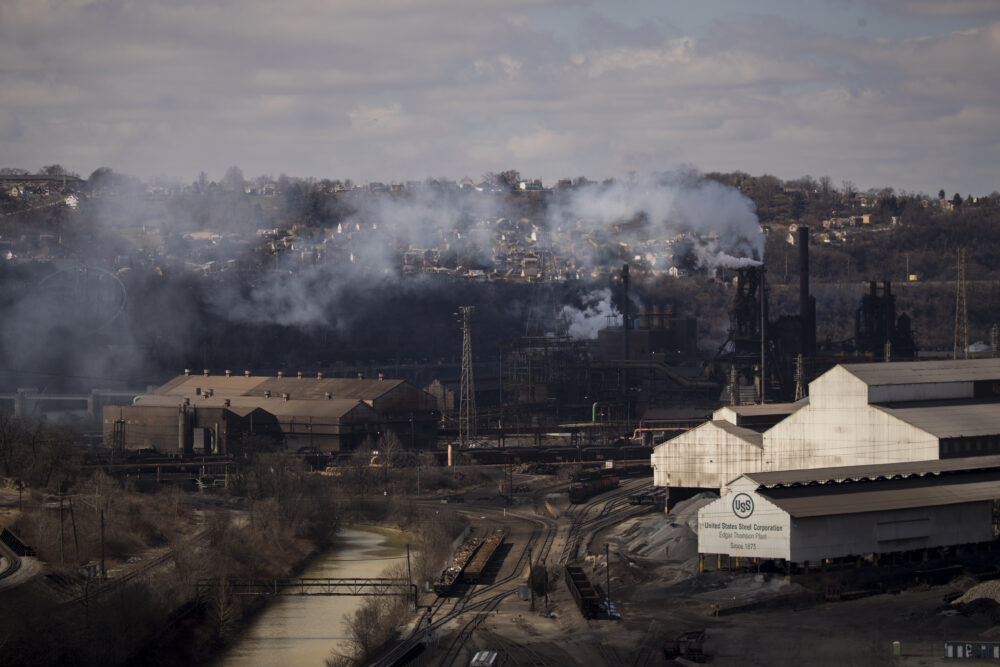
So I immediately wanted to know what was causing this mercury to get into fish, and I found out that it was coal fire plants that made electricity. That began my journey then, because I was like our waterways shouldn’t be getting contaminated. We shouldn’t be putting people’s health at risk. So that’s what led me into the environmental justice movement.”
You’ve dedicated your life to advancing environmental justice. What are some of the most memorable moments?
Rev. Woodberry: “A lot of them have to do with victories. The Executive Order 12898, [President] Bill Clinton’s executive order describing what environmental justice communities actually were. And, some of the victories that we won were in South Carolina, stopping the construction of the V.C. Summer Nuclear facilities that were being built.
On a more local level, stopping Santee Cooper Electric Co-op [South Carolina’s public water and energy provider] from constructing a coal-fired plant in Florence County and, as a matter of fact, in the six counties that make up the Pee Dee region, named after the Indigenous tribe from that area, we have no coal fire facilities in that region. We shut them down a long time ago. Our electricity comes from coal-fired facilities in North Carolina: H.B. Robinson nuclear plant and then some from co-ops that purchased their power from Duke Energy. And Santee Cooper is the only electric co-op we have that actually produces its own electricity. So that was big.
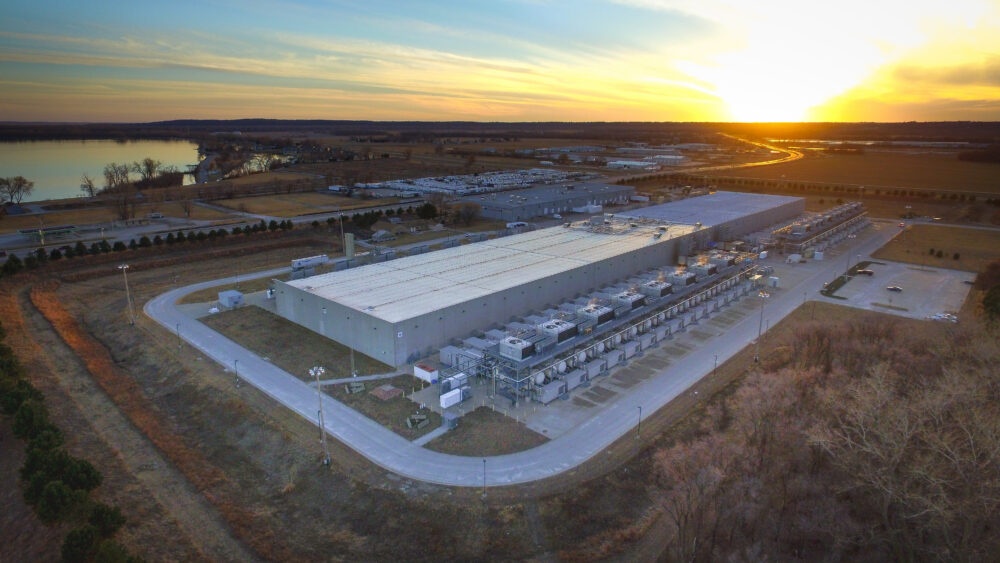
And then recently, a lot of folks got together [and] we were actually negotiating with Stream, which is a data center construction company, and just last week we got the news that Stream will not be constructing a data center in Marion County, which is where we have our Environmental Justice Training Center and another major project. So that is something that stands out recently, that we were able to stop this facility from coming. Not just us, but the entire community.”
What are you involved in right now?
Rev. Woodberry: “We have our Moving from Surviving to Thriving webinar that just went to quarterly—they used to be monthly. With this new landscape, it’s caused some restraints, but it’s a webinar that deals with health issues in EJ [environmental justice] communities primarily and we have health practitioners, people who deal with health and wellness. We’ve been doing that for four years now, hosting these webinars, and they’ve grown outside of the United States. We even have people who listen from Ghana, Liberia, Tanzania. And when we have the funding, we’ve actually sent them health equipment that they needed, like peak flow meters, blood pressure kits, diabetes testing kits. So that’s something we’ve been doing for a while.
We’re into our second year of doing monitoring in EJ communities of childcare centers, monitoring the air quality in the child care facilities. All of them get donated air purifiers. We do this with the Children’s Health and Environmental Network—there’s six cities in six states that are doing it. And then we also certify and teach the directors of the caregivers about PFAS and microplastics, plastic microfibers, make sure that they’re using the correct utensils and those sorts of things. And each of them receives a $1,000 grant.
We [New Alpha CDC and Dogwood Alliance] were blessed to receive an anonymous donation in 2024—I always remember the date, it was Valentine’s Day. Someone showed us some real love—and we were able to purchase 305 acres of old-growth forest [Freedom Land] that has three oxbow lakes, some ponds, about a mile of riverfront property, and it actually was once known as the Woodberry Slave Plantation. So we now own that with the community, and we just finished our planning for Phase 1 to create a outdoor recreation and resort facility that’ll have trails, that’ll have fishing, that’ll have some hunting on it. People can boat, they can kayak, we’ll have some cabins, and also an eco-lodge that will sleep 32 people with a full kitchen, dining room, and a research facility.
And the last thing is, I’ll mention our Imani Market where it’s an online produce website, and we get produce from some Black farmers that we work with and it helps them deal with the issue of them trying to find markets and help us to get fresh produce farm to table and to a lot of communities that are food deserts.”
How do you see the role of large environmental non-profits in supporting grassroots environmental justice efforts?
Rev. Woodberry: “Definitely continuing the role that they have been playing in terms of working on much better policy. The fact that they have networks and a voice and connections nationally helps a lot, especially when we have local or regional problems and we’re working on solutions, and Big Greens are able to share that out across the country and let funders, either directly or indirectly, know about the work that’s going on.
But the other thing, and I would like to see more of this, is helping to build the capacity of organizations that Big Greens partnered with. And so, we have to look at not just fundraising and teaching people how to write grant proposals better and planning but helping us to build capacity globally, regionally, where, as my father said one time, where we’re funding our own freedom. You know, helping us to take some non-traditional approaches.
So, for example, we would like to construct affordable housing. When the Biden administration was in office and HUD [U.S. Department of Housing and Urban Development] had an [environmental justice strategy], we were making some headway into making that happen. But what we really need is a way to get that initial investment, that seed money to help us do things like what we want to do. Seed money to help us build institutions, social enterprises, etc. that can help us to fund our work, you know? Still getting grants, still partnering with Big Greens, but also how can we fund our own work? And I do that and that’s kind of a non-traditional approach because I don’t know many funders or Big Greens that are like, hey, let’s help these people, these groups, let’s help them generate money themselves.”
Environmental justice is not a widely supported movement, which makes attempts to mischaracterize or attack environmental justice even more harmful. What is a common misconception about environmental justice that you’d like to correct?
Rev. Woodberry: “Well, that’s easy because, going back to President Bill Clinton’s Executive Order 12898, we—a lot of folks in the environmental justice movement including myself—were so focused on making sure that resources, policy changes, advocacy, etc. [supported] people of color communities that have long been neglected and ignored, that we had a seat at the table and we got a megaphone. One of the things that we did wrong which allowed people on the other side to mischaracterize what the environmental justice movement was, was that they emphasized that it was people of color.
But when you look at the actual definition of what environmental justice communities are, it’s people of color, it’s low-wealth communities, and Lord knows, a whole lot of low-wealth communities of all colors, including white communities. So, we allowed the opposition to do what they do often, and it’s a very common ploy that they use to make it seem that a lot of resources are being directed towards people of color to the detriment and the neglect of the majority population when that is absolutely, positively not true. And so I think that was one mistake we made; we shouldn’t have been not only highlighting what went on in people of color communities, but also what was happening in the communities in general because the climate doesn’t care what color you are, what political persuasion you are, what faith you are, etc. and we kind of dropped the ball on that.
But I think we can turn it around. By doing exactly what we did not do, which is letting folks know that environmental problems and impacts of climate change impact every single one of us. And yes, people of color communities need more help, but we just need to change the script and the language. And then we always don’t have to say environmental justice. A lot of environmental issues could be framed or can be viewed through the lens of conservation. So, I just think we need to have a bigger tent than we have had traditionally and become more intersectional and less siloed.”
What advice do you have for people who are early in their environmental justice advocacy?
Rev. Woodberry: “I’ll take a line from the movie Glory with Common and John Legend, when they talk about victory and how it takes the wisdom of the elders and the young people’s energy. For a lot of young folks, a lot of older folks, we’re really ready to pass the torch. But on the other hand, we can help younger people avoid some of the pitfalls that we fell into. And then on the other hand, they have a lot more knowledge, a 21st century viewpoint. So I think what we should really focus on is making sure that we have an exchange, not a line of demarcation that separates us, but that we have more interchange, more interaction, more sharing.
Now I’m gonna do the pastor thing now, right? There’s a scripture that says, “And in the last days, God will pour out His Spirit on all flesh, and old men will dream dreams of the old days and some other things. But the young people will have visions for the future.” And so I think that’s what we need. We need the history of the past and those dreams, which were and are the foundation for the visions that are gonna be crafted in the future. So, that’s how I feel about that. And I’ll just say one more thing. We should not fall into the trap of having this generational divide, because it’s an old trick that has been used before by the adversary. Back in the 60s, there was a saying that went like this for young people: don’t trust anyone over 30. Because they felt folks over 30 couldn’t see the way to the future. And so we have to be careful that we don’t allow folks to divide us up, but to realize that young people stand on the shoulders of those who came before them and that is just to help them reach higher heights. So, that’s how I feel about that.”
After speaking with Reverend Woodberry, it is clear how he became one of the most notable environmental justice advocates in the U.S. South. Through thoughtful partnerships and persistent action, he’s working to implement diverse, creative, and community-centered solutions to some of the most pressing climate and environmental issues across South Carolina.
As the National Wildlife Federation works to strengthen our environmental justice efforts, we are appreciative of the counsel that Reverend Woodberry and the rest of the Environmental Justice Advisory Council provides. Stay tuned for the rest of the profiles and visit New Alpha CDC’s website and their Instagram to learn more about their work in South Carolina and beyond.
