





We have much more to do and your continued support is needed now more than ever.
Why Labor and Environmental Partnerships Matter
America’s workforce is our backbone, they must be at the forefront of innovation and policy.

The Block Island Wind Farm, operating in Rhode Island state waters, remains the only offshore wind project in the U.S. Virginia is on track to host the second! Photo: Deepwater Wind
For 20 years, the BlueGreen Alliance (BGA) has brought an essential idea to the environmental movement: protecting our climate and creating good jobs are not competing goals. They are part of the same vision for a healthier, more prosperous future.
For their anniversary, we at the National Wildlife Federation (a member of BGA) are reflecting on our own alignment with ensuring a clean energy transition that serves its people and communities who build, operate, and maintain the infrastructure that powers our economy. When environmental and labor organizations work together, we can build a transition that protects both wildlife and working people.
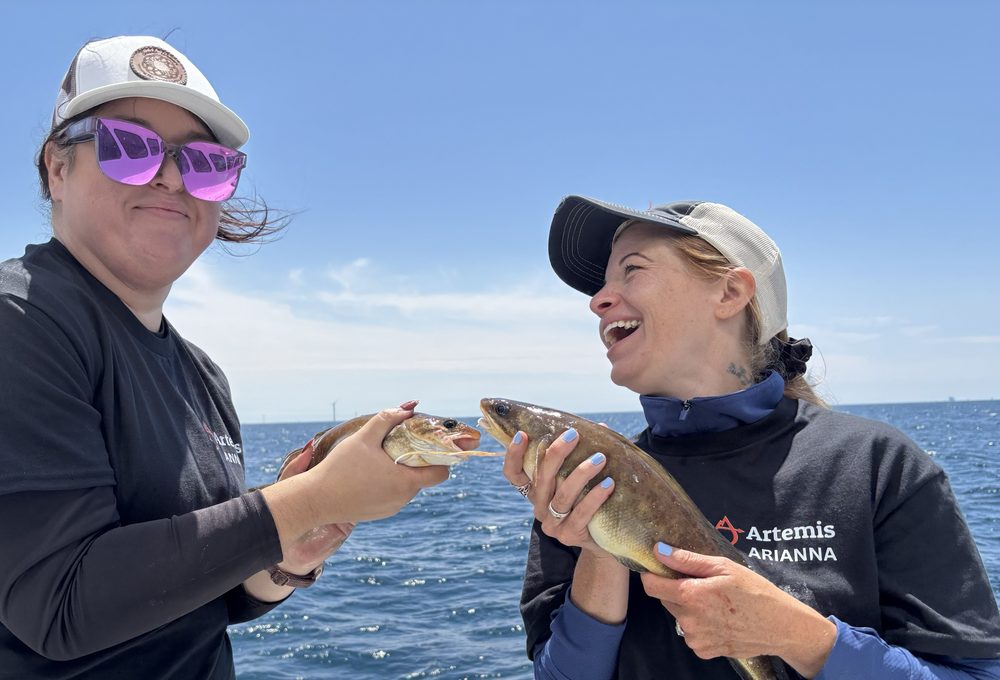
Offshore wind is one example. From the beginning, NWF has worked alongside BGA and labor partners to advance responsible offshore wind development that creates family-sustaining union jobs while protecting marine ecosystems. The Block Island Wind Farm offered an early glimpse of what that collaboration can achieve: more than 300 workers across 10 building trades locals helped build America’s first offshore wind project, demonstrating the skilled workforce needed to build a new clean energy industry.
NWF has also seen the importance of workers firsthand as electrification expands across other industries. During a tour of Forum Mobility’s charging station at the Port of Long Beach, members of NWF’s Offshore Wind Team explored the nation’s largest port-based truck charging depot, designed to serve more than 200 electric drayage trucks each day. The transition from diesel to electric equipment is not just a technological shift—it is a workforce transition. Workers will need new skills and training as the infrastructure around them changes, underscoring why workers must be part of conversations about how we build a clean energy economy.

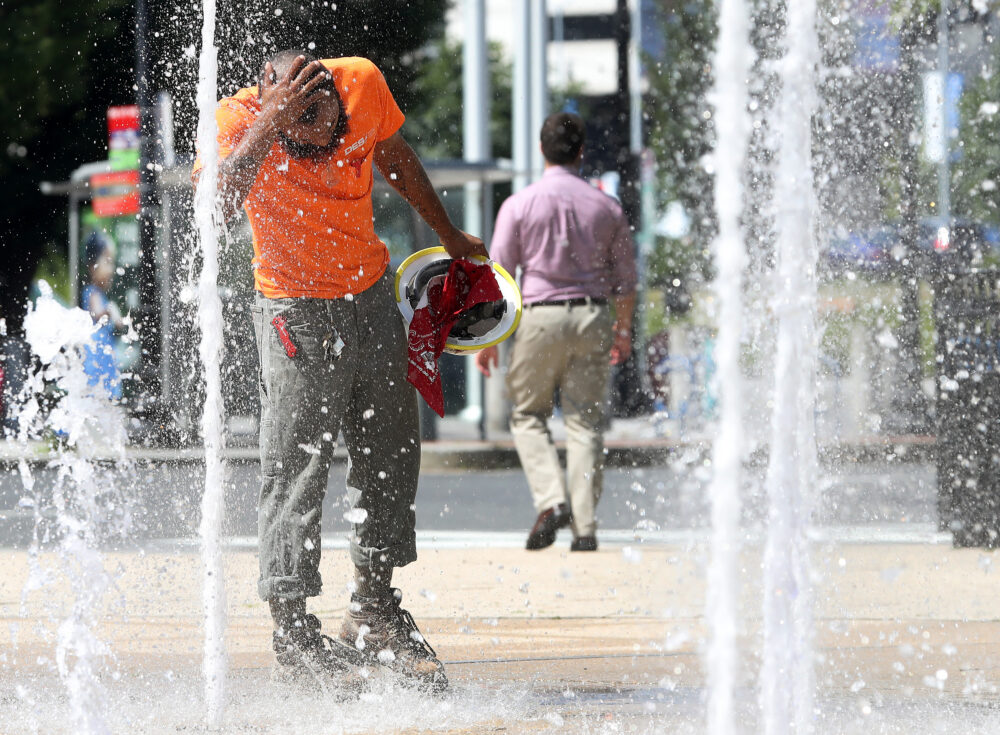
NWF also stands with workers facing the impacts of a changing climate. Extreme heat is increasing workplace safety hazards, while federal protections for workers remain uncertain. About 28,000 work injuries each year are linked to hot weather, making strong workplace heat protections increasingly important as temperatures rise.
But the work is far from finished. The One Big Beautiful Bill Act (OBBBA) has so far resulted in the cancellation of 223 clean manufacturing, energy, and industrial projects and may have cost the nation 111,765 jobs. These losses threaten both the clean energy industries we need to address climate change and the good jobs those industries can create. They also demonstrate why the partnership between environmental organizations and labor is more important than ever.
With the current federal administration failing to adequately protect workers and the environment, state and local action is increasingly important. NWF will continue to stand with labor and our state and local affiliates to listen, learn, and push for better outcomes for our planet and workers. In partnership with BGA and other coalitions, NWF helped develop a checklist for model heat standards that protect workers from extreme heat.
As NWF celebrates BGA’s 20th anniversary, we are celebrating more than two decades of partnership and a shared vision of a clean economy where workers have family-sustaining jobs, communities have opportunity, and our air, water, lands, and wildlife are protected.
