






We have much more to do and your continued support is needed now more than ever.
We Knew that Gary, Indiana Was Vulnerable.
And that is exactly the problem.
Credit: Leo Gonzalez
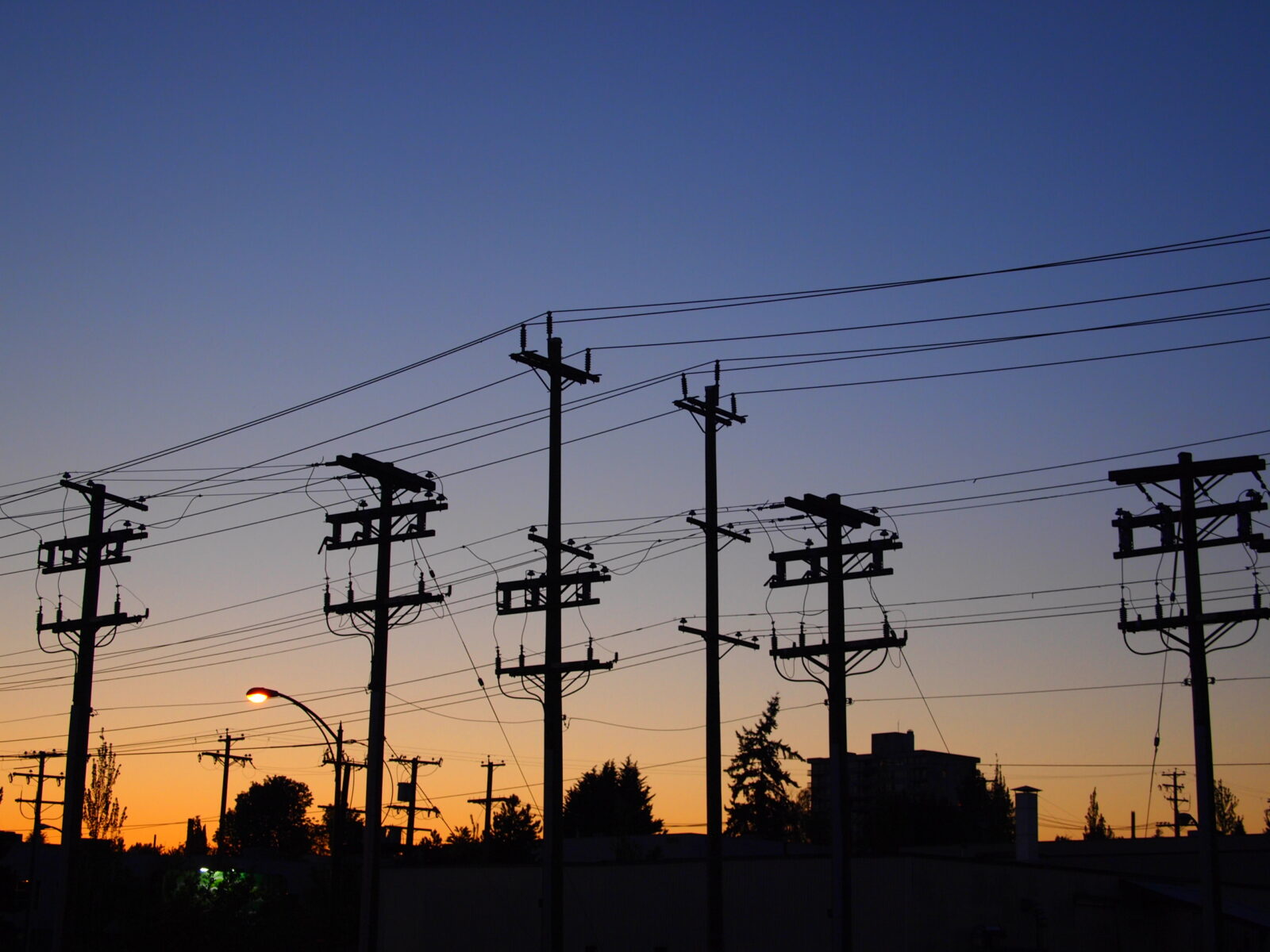
On August 11, winds reaching 99 miles per hour tore through Gary, Indiana, as part of a powerful derecho that swept across the Midwest. The storm caused significant damage to infrastructure including several downed trees and power lines. As a result, tens of thousands of customers in and around Gary lost electricity. For some residents, it would be nearly two weeks before the lights came back on.
In the days that followed, people understandably began asking who was responsible. Gary’s Mayor Eddie Melton criticized the pace of restoration. Indiana Gov. Mike Braun called the situation unacceptable and requested an investigation into Northern Indiana Public Service Company, or NIPSCO, the electric utility serving Gary and much of northwest Indiana.
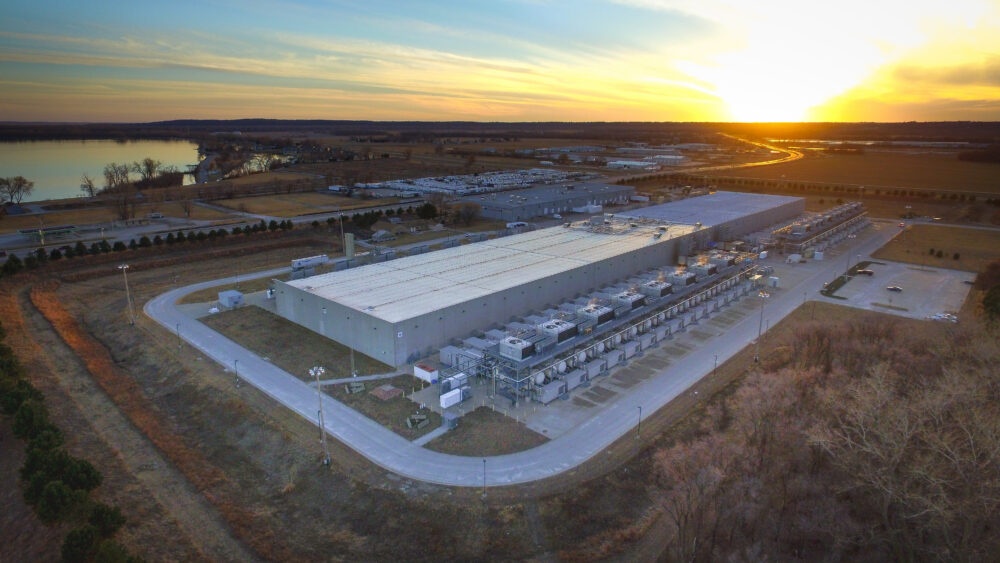
Residents have questioned whether the utility adequately maintained vegetation around power lines. A lawsuit has made similar allegations, which NIPSCO disputes. Some residents also ask whether NIPSCO has been too focused on accommodating new energy-sucking data centers rather than upgrading existing electrical infrastructure.
These are important questions to ask to understand what went wrong and to ensure the city is more resilient to future natural disasters, which are becoming more “unnatural” in frequency and severity across the U.S. thanks to human-caused climate change. The residents of Gary deserve to know whether the systems they depend on were properly maintained and whether more could have been done to restore power sooner.
But if we spend all our time trying to determine who was at fault after the storm, we risk missing the bigger question that Gary should make us all think about.
Why are we still waiting until disasters happen to address vulnerabilities we already know exist?
Gary had already made its vulnerabilities and climate risks clear.
Two years before this storm, the city released Climate Ready Gary, its first climate resilience plan. The plan was designed to help Gary prepare for the effects of a changing climate and more extreme weather. It specifically identified the need to “increase resilience in local power distribution.”
Gary is not alone. Across the country, communities have spent years identifying the climate risks they face. We know where extreme heat is most dangerous. We know which neighborhoods flood repeatedly. We know where infrastructure is more fragile and where residents have fewer resources to recover when it fails.
The problem is not that communities have failed to identify their vulnerabilities. It is that identifying a risk does not give a community the resources or authority to reduce it. Gary residents and city officials could recognize that its power system needed to become more resilient, but many of the decisions about how that system is maintained and strengthened rest with utilities, regulators, and other decision-makers.
For many Gary residents, losing power for more than a week was not simply an inconvenience. Families lost groceries. People struggled to keep medical equipment operating. Schools closed and local businesses lost income.
Another reality that decision-makers in Indiana had known for years was that Gary was entering any major natural disaster from a position of deep disadvantage.
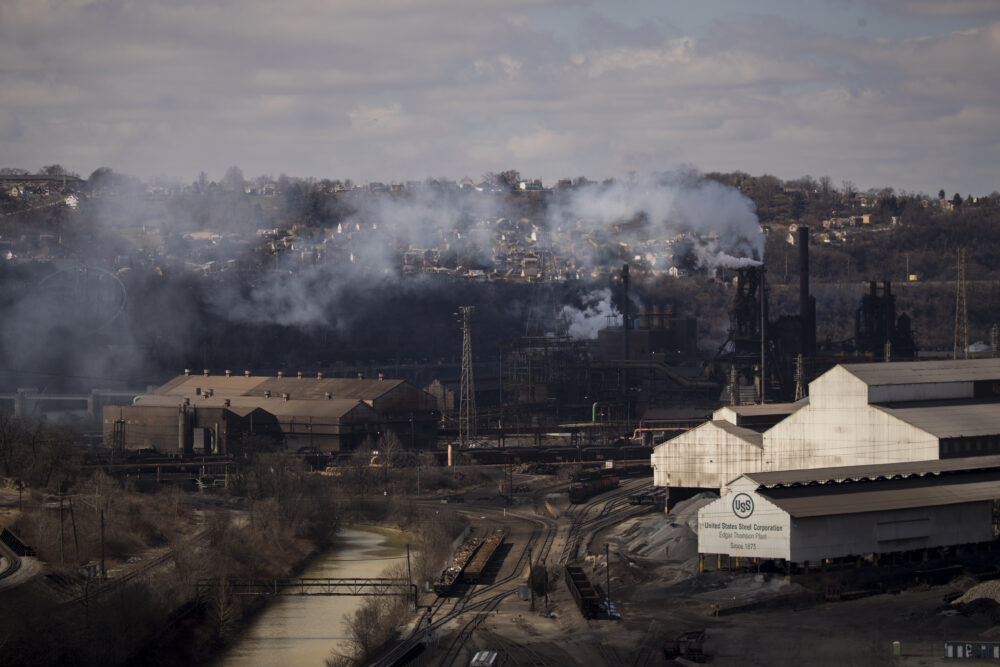
Gary is a majority-Black city where roughly one in three residents live in poverty. Decades of industrial decline, population loss, and disinvestment weakened the city’s tax base and limited investments in infrastructure. Those conditions mean that Gary is more at-risk of experiencing significant damage and suffering from natural disasters with recovery taking more time compared to more white and affluent communities.
Climate resilience, then, is not only being prepared for the hazard itself. It is also having the infrastructure and resources to recover from it.
NIPSCO itself had already been making the case for resilience. As part of its most recent electric rate case, the utility said that by the end of 2025 it would have invested $769.5 million in upgrades intended to improve reliability and help harden the system against severe weather. Yet, were the investments significant enough to reduce the consequences of a disaster fueled by climate change? Did those NIPSCO investments go to where need is greatest?
These are precisely the kind of questions we should be asking before the next disaster. We should know whether investments are reaching communities with the greatest needs and whether they are reducing vulnerability as weather events become more extreme.
What are we doing with disaster risk assessments?
When a city identifies extreme heat as a major threat, resulting plans should mean fewer residents are at risk when the next heat wave arrives. When a community identifies repeated flooding as a vulnerability, the next major storm should cause less damage.
If we know that an extended power outage could become a serious public health emergency, resilience means that power systems are less likely to go dark and are restored quickly with more lives saved.
Helping underserved communities access rooftop and community solar and energy efficiency upgrades, investing in underground power lines, and building microgrids are just some ways to improve energy resilience. In fact, renewable energy is usually more resilient to disruption from extreme weather than fossil fuel-based power.
In other words, completing a resilience plan should not be the final outcome. The goal should be ensuring that communities have the capacity and resources to reduce their vulnerability. That also means decision-makers need to understand which communities face the greatest risks and use that information to help determine where resilience investments should go first.
Communities do not begin from the same starting point. Gary has lived through decades of economic disinvestment. Its residents should not have to overcome that history on their own every time another storm arrives. If we distribute resilience resources without accounting for those differences, we can spend a great deal of money while leaving the vulnerability gap largely intact.
There will now be investigations into what happened in Gary, and there absolutely should be. They may tell us whether particular infrastructure should have been stronger or whether maintenance should have been handled differently.
But we should not need an investigation to tell us that Gary was vulnerable. Gary already told us that.
Communities across the country have been telling us the same thing through climate plans and through lived experience. At some point, knowing has to be followed by doing.
The question after Gary should not only ask who was responsible for what happened. It should also ask: When are we going to act on what communities have already told us? Where are the resources needed to reduce those risks? Where is the capacity to turn resilience plans into actual protection?
And most importantly, when those resources and that capacity are missing, we should be asking why.
 Written by Shannon Heyck-Williams
