











We have much more to do and your continued support is needed now more than ever.
A Bird’s Eye View of Data Centers
Reflections from a visit to the Lower Columbia River Basin’s data center hotspot

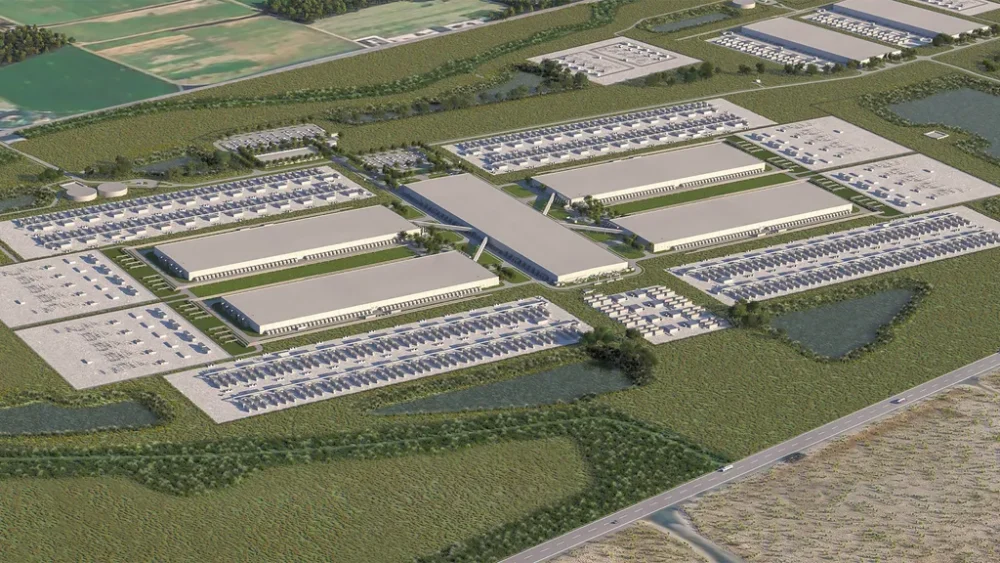
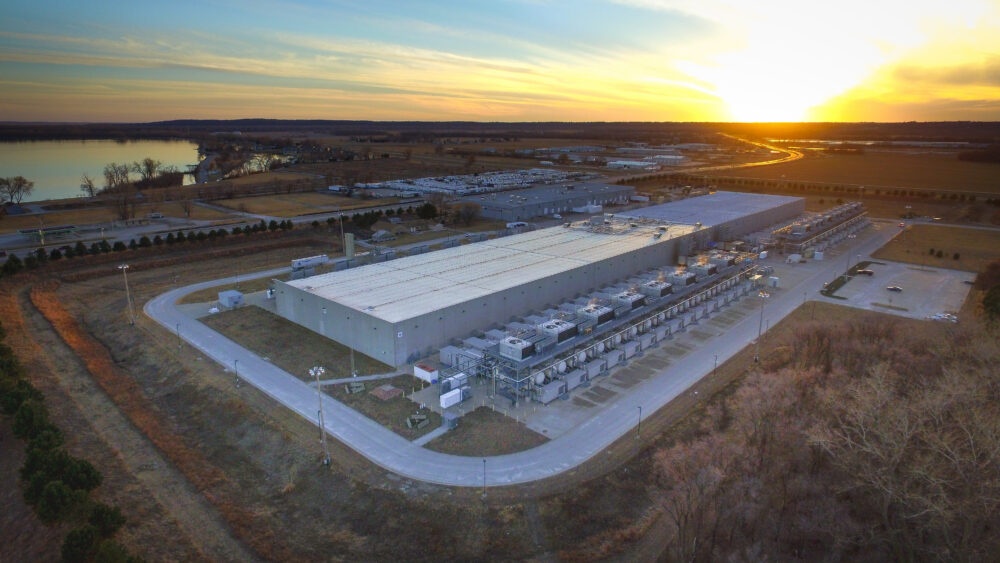
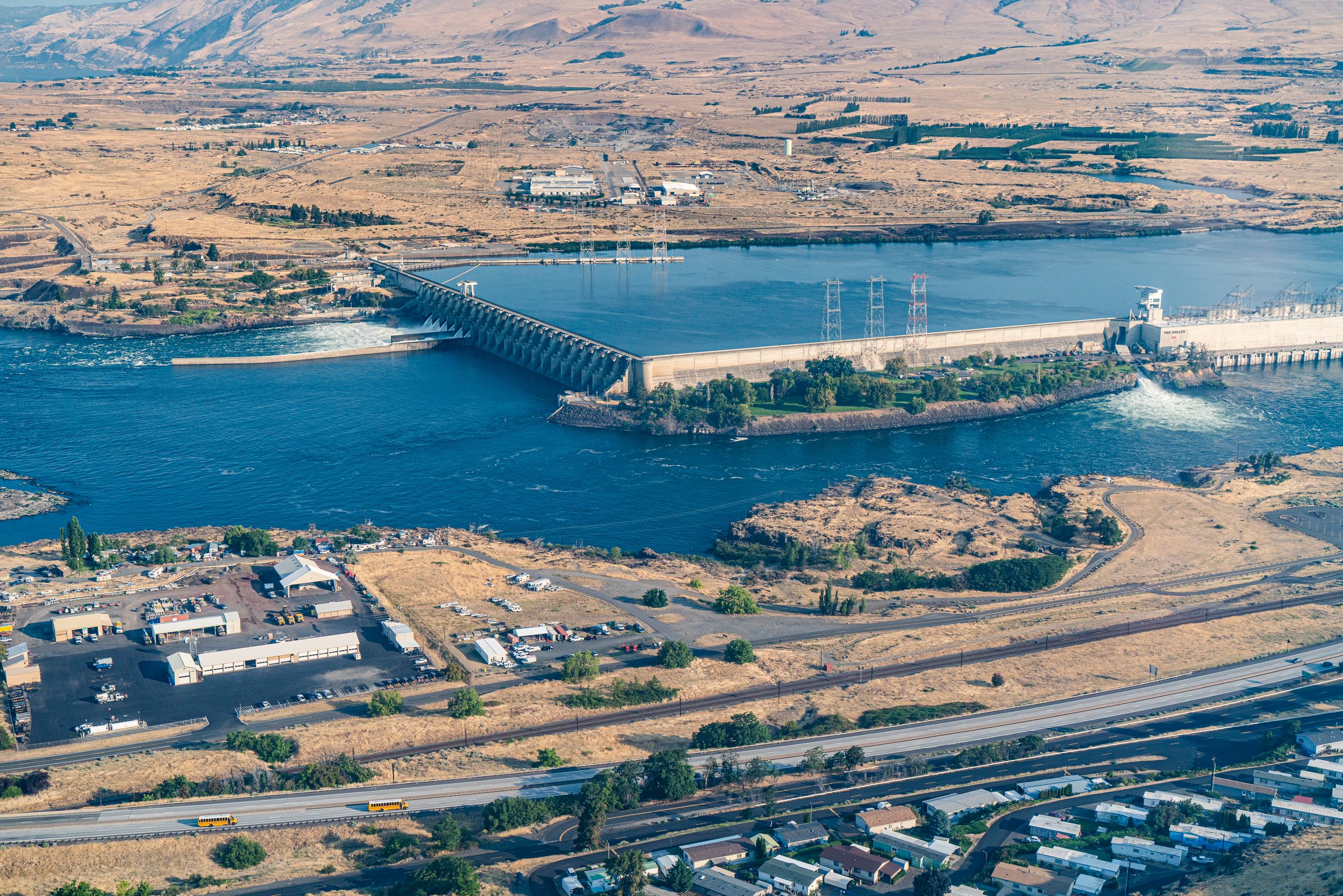
A few weeks ago, I had the opportunity to take flight over one of the country’s data center hotspots. Within the hour, I got a bird’s-eye view of what attracts data centers to an area like the Columbia River: hydroelectric dams, which provide plentiful energy, large swaths of land to house the large buildings and servers, and energy generation and grid infrastructure.
But what was truly striking was the size of these data centers and the scale of the supporting energy infrastructure nearby. Like many others, I’ve heard considerable discussion about energy demands, but seeing the onsite generation gave me a clearer perspective on how much energy is required.
The Larger the Growth, the Bigger the Impacts
Nearly 20 years ago, Oregon’s first data center was built in The Dalles by Google. Since then, the Lower Columbia River has grown into a data center hotspot. Columbia Riverkeeper, a nonprofit in the Pacific Northwest, estimates that there are more than 100 data centers being proposed, under construction, or operational in the Lower Columbia River basin in Oregon and Washington.
Industry advocates will be quick to point out that we have had data centers for decades. While that is true, it is important to remember that the data centers built today are significantly larger than the ones built at the start of the internet. As a result, they require more resources to operate which further impacts our energy and water systems as well as the communities that depend on them.
Energy Use
Data centers consume a significant amount of energy and that is only expected to grow in the coming years. In 2024, data centers accounted for nearly 5 percent of total U.S. electricity consumption, and that consumption is expected to at least double by 2030.
In the Columbia River region, existing and planned data center capacity could reach four gigawatts, which could use enough energy to power 2.3 million households each year.
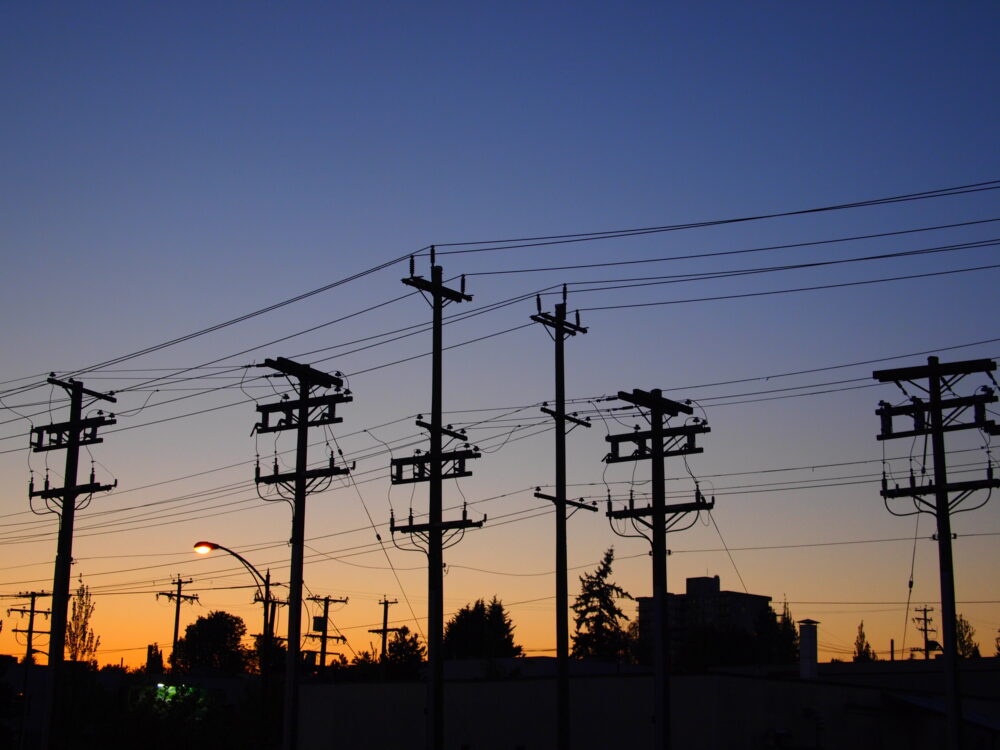
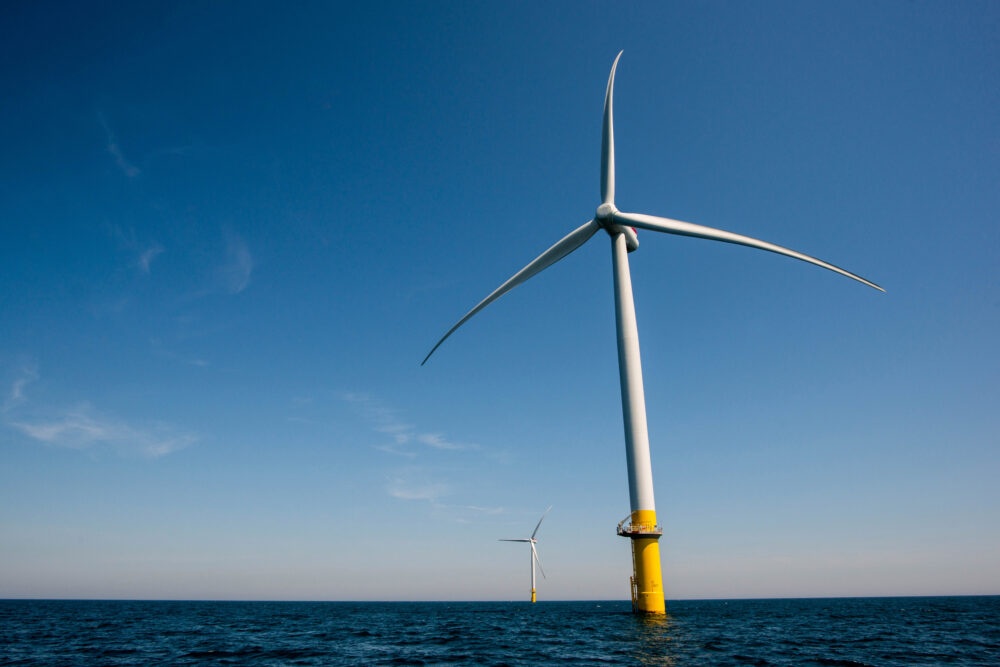
To meet demand, utilities will often look to new fossil fuel generation and other infrastructure, producing harmful pollutants that endanger nearby communities and wildlife. Without strong guardrails, these financial and health costs can be passed on to households and businesses. Safeguards can include policies that require large energy users to pay more for electricity, pay for the extra electricity generation needed and related grid infrastructure, prioritize clean energy over fossil fuels, and prevent developers from stranding assets.
Last year, Oregon passed the Protecting Oregonians with Energy Responsibility (POWER) Act which put these protections into law in addition to requiring that new data center loads not impede clean energy and greenhouse gas emission targets.
Water Use
Data centers also require substantial water, primarily for cooling. Large data centers can consume millions of gallons of water per day. In 2025, Amazon Web Services (AWS) reported withdrawing more than 240 million gallons of water from Oregon. It’s worth noting that AWS has initiatives that aim to return more water to communities than they use in direct operations.
Large water withdrawals can have significant impacts, and can affect drinking water supplies, groundwater levels, streamflows, and aquatic ecosystems, especially in areas that are experiencing droughts like Oregon and Washington. The impacts of the drought were evident during the flight. I had expected to see lush green fields and trees, but much of the landscape appeared brown and dry.
However, it is difficult to know how much water is being used by data centers since there is no overarching requirement for companies to disclose water usage and for those who provide information voluntarily, it is not standardized. States across the country are working to tackle this issue with proposals being discussed in New Jersey, California, and Texas. In Oregon, Senator Wyden has sent letters to Google, Apple, Meta, and Amazon demanding information on how their companies are minimizing water usage and impacts to communities.
To protect our water resources, there need to be regulations on water transparency and consumption. At the very least, data centers should be mandated to report water consumption, and reporting requirements should be standardized.
What We Can Do
The National Wildlife Federation calls for federal, state, and local leaders to strengthen wildlife, climate, and environmental safeguards for the planning, siting, development, and operation of data centers. Without robust policy and corporate accountability implemented across all levels of government, data center growth could threaten our communities and the environment, including reversing our progress on conservation, increasing threats to public health, and harming wildlife and natural ecosystems. With the gratuitous rise of AI-driven data centers, we must act now.
