












We have much more to do and your continued support is needed now more than ever.
The Heat Is On: Understanding How Mexican Free-tailed Bats Regulate Body Temperature During High Heat
Bat Research at California State University Sacramento
Credit: Cal State University, Sacramento
Bats in California’s Central Valley
Bats provide a remarkable natural pest-control service, helping protect California’s Central Valley crops, from rice and vegetables to orchards of fruit and nut trees. Across the United States, bats provide billions of dollars’ worth of natural pest control. Their contribution is especially relevant in California’s Central Valley, one of the nation’s major agricultural regions.
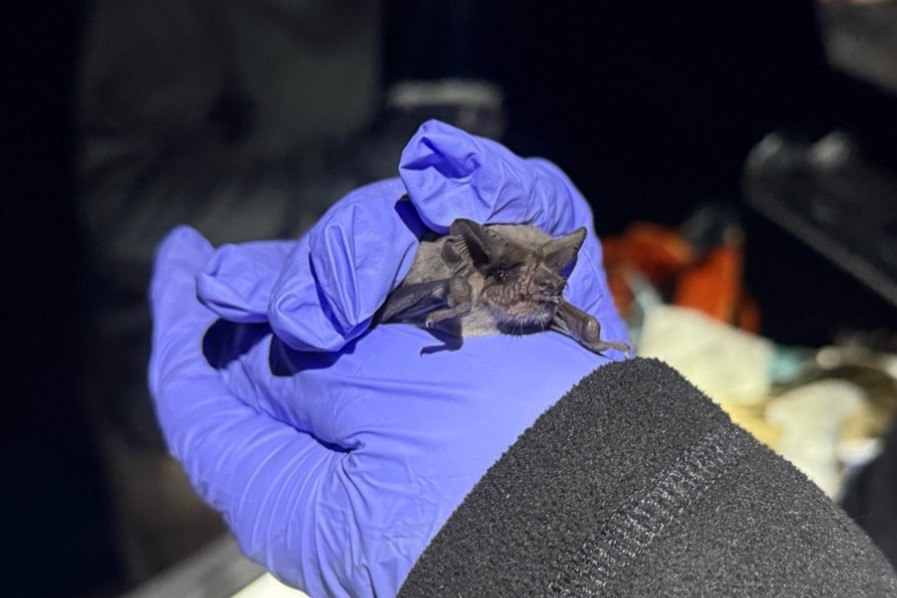
The Mexican free-tailed bat is not only the world’s fastest mammal, but also one of our key insect-consumers. By foraging high above the ground, Mexican free-tailed bats can intercept flying insects before they oviposit, or lay eggs, potentially helping prevent future generations of crop-damaging pests.
Despite being the most common kind of bat in the Central Valley, there is no time to waste when it comes to conservation efforts.
Mortality Events
As a frequent flier to the warm, arid landscapes of the Southwest and Mexico, Mexican free-tailed bats may appear well-adapted to high temperatures. However, a concerning pattern has emerged.
Over the past five years, several large mortality events have been documented at maternity roosts throughout California’s Central Valley. In June 2022, more than 200 Mexican free-tailed bats were found dead beneath a roost in Modesto, with no apparent cause of death.
Between June 2022 and August 2025, multiple mortality events involving at least 100 bats were documented beneath a bridge in Butte City. In July 2024, more than 1,000 pups were found dead beneath a separate roost in Bakersfield. Later that year, in September, several hundred dead bats were observed beneath a maternity roost near Fresno.
Each event coincided with a period of peak summer heat. This pattern raises concerns about the vulnerability of Mexican free-tailed bats and their maternity roosts as the Central Valley experiences a warming climate due to climate change.
Maternity roosts are essential refuges for Mexican free-tailed bats to give birth and raise their young until they can make the migration down south. In California, the largest maternity roost is composed of over a quarter of a million individuals. Protecting these roosts is therefore an important part of conserving Mexican free-tailed bat populations.

Bat Research at California State University Sacramento
Witnessing one of these mortality events firsthand inspired the central research question: How do Mexican free-tailed bats regulate their body temperature during periods of extreme heat in California’s Central Valley?
To answer this question, researchers at California State University, Sacramento (Sac State), embarked on a project funded by the Wild Kingdom College and University Grant Program, a collaboration of Mutual of Omaha’s Wild Kingdom and National Wildlife Federation.
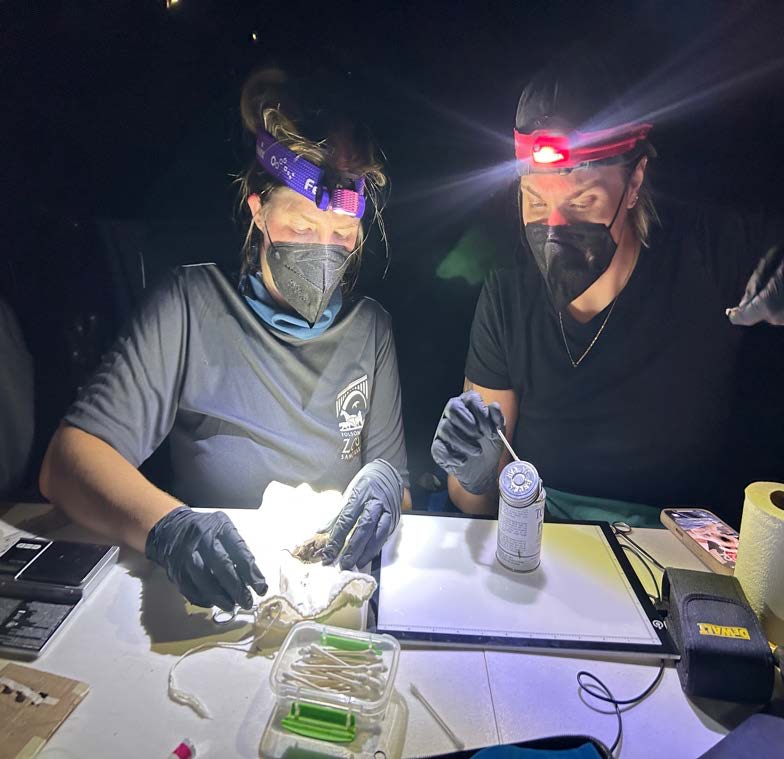
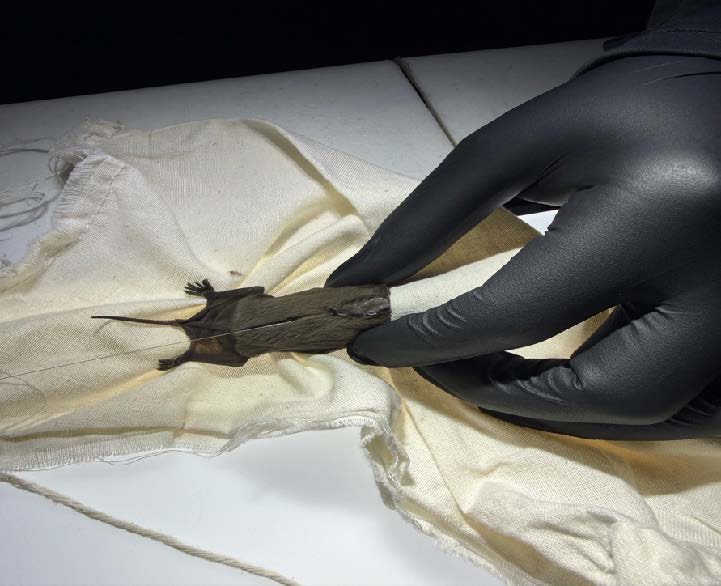
This involved catching Mexican free-tailed bats emerging from a maternity roost and affixing temperature-sensitive transmitters to assess body temperature changes during high heat periods across late summer. Temperature loggers were also inserted into these roosts to compare body temperatures with outside temperature changes.
Research Goals
By revealing how these bats respond to extreme heat, this research can improve our understanding of their ability to cope with a warming climate and inform conservation efforts. Protecting Mexican free-tailed bats may also help preserve the natural pest-control services that benefit the Central Valley’s agricultural industry.
Beyond its conservation goals, this project also seeks to expand public appreciation of bats.
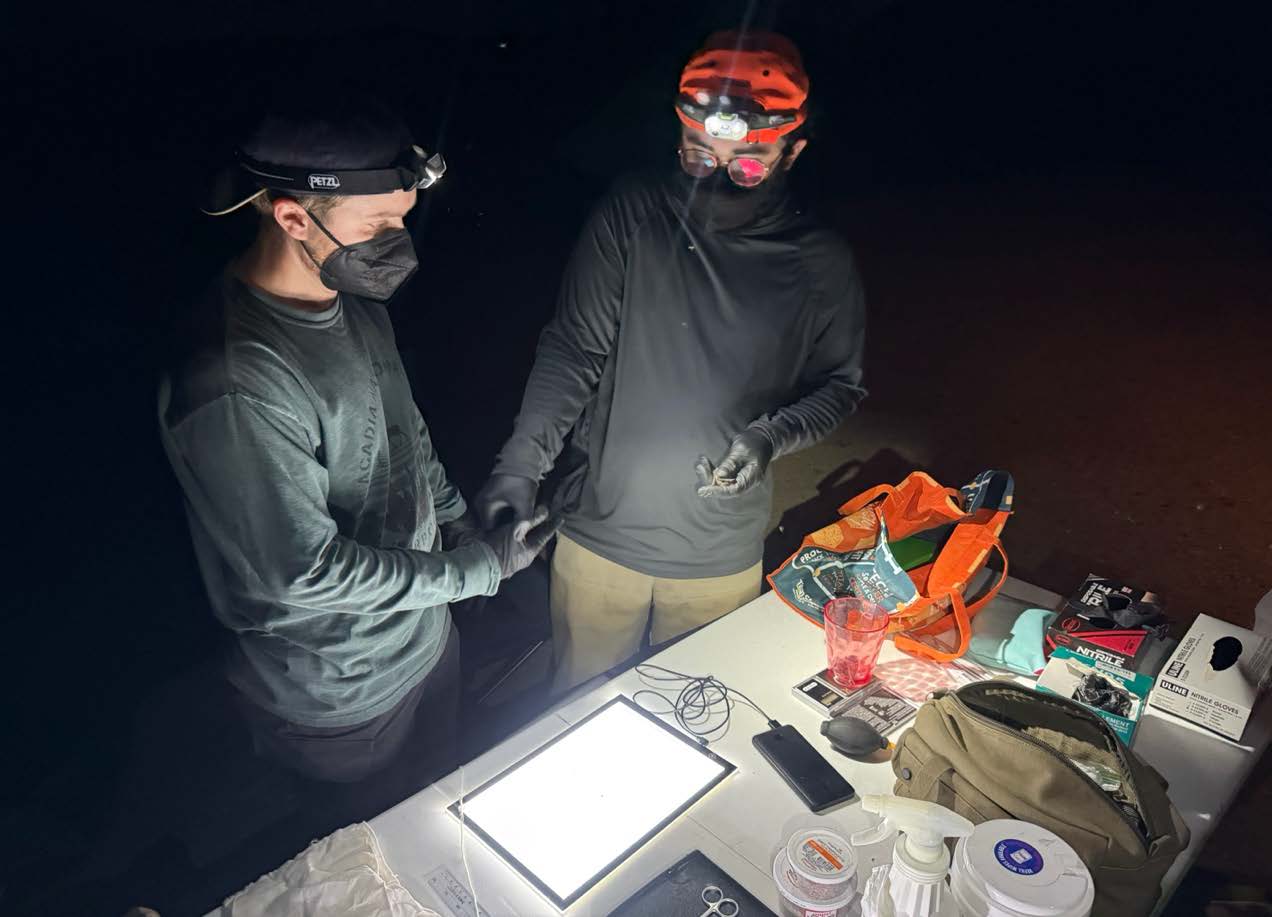
Students from Sac State gained hands-on field experience by helping capture, process, and release these incredible mammals. Outreach events, including those at the California State Capitol in Sacramento, introduced members of the public and legislators to bats and their importance. By combining research with education, the project aims to build appreciation for these often-overlooked animals.
About the Authors
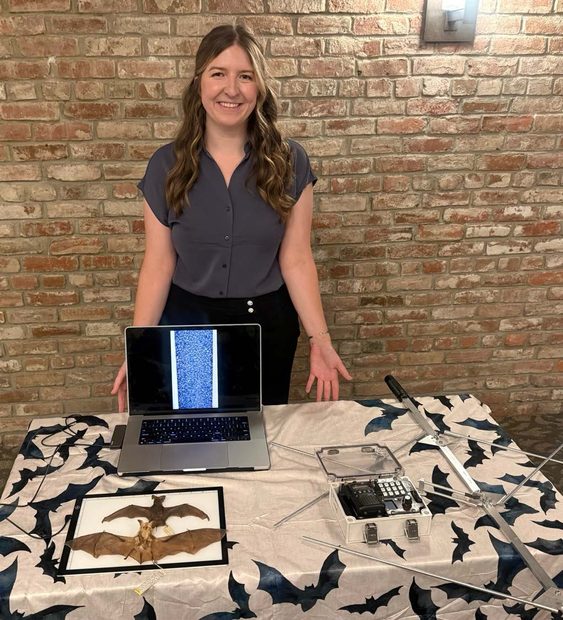
Alexandra Lyon is a master’s student at California State University, Sacramento, with five years of experience working with wildlife across various fields, including environmental consulting. She is passionate about bat conservation, public education, and plans to pursue a career centered around bats and climate change.
Anna Doty is a Professor of Biology at California State University, Sacramento, with decades of experience studying small mammals and bats. She has worked across the world including Australia, South Africa, and the southeastern United States, where she has published research with an emphasis on bat physiological ecology.

