










We have much more to do and your continued support is needed now more than ever.
A Lively Landscape for Birds and Wildlife: The Ridgefield National Wildlife Refuge
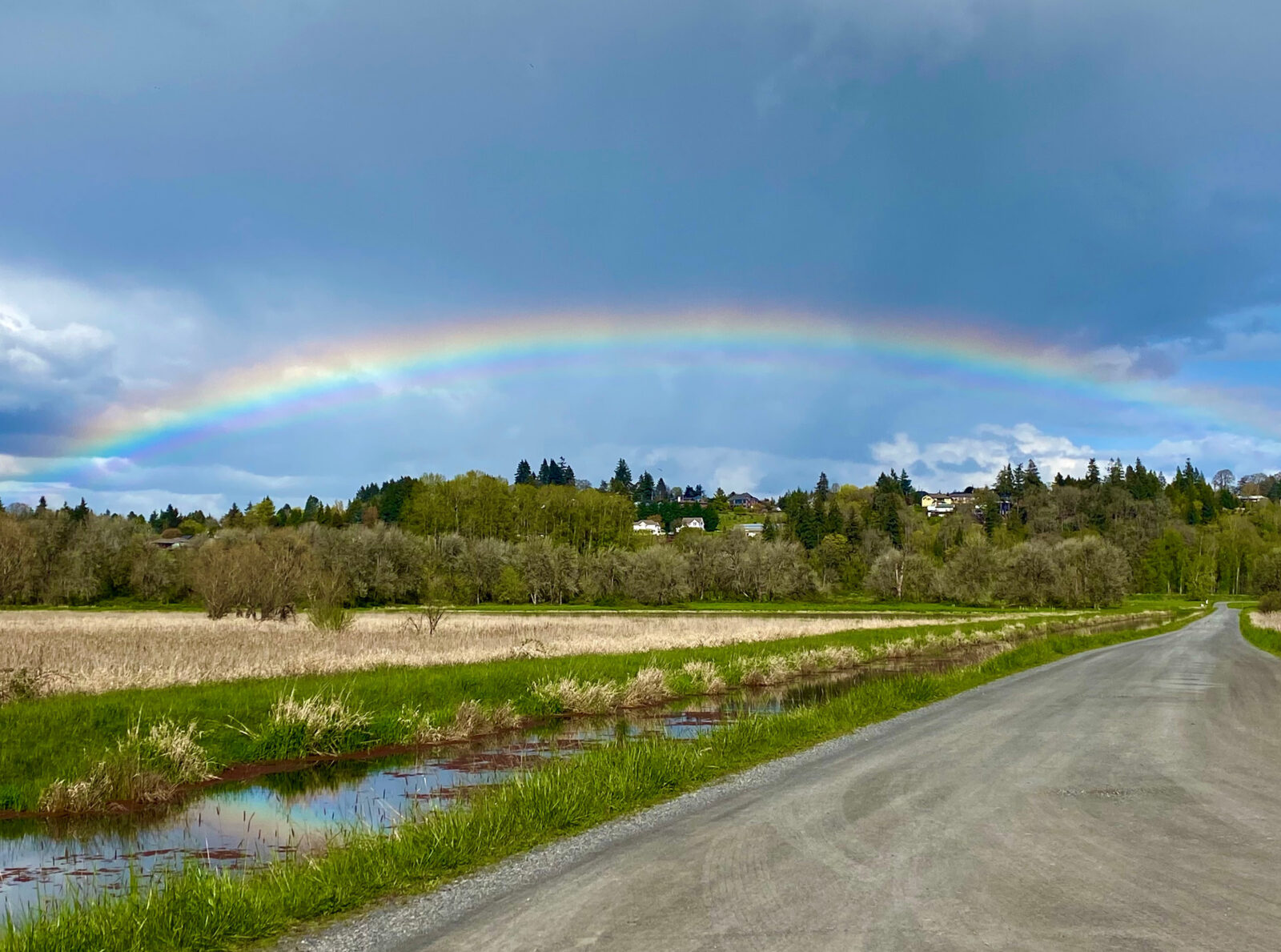
Rainbow above Ridgefield National Wildlife Refuge.
The Ridgefield National Wildlife Refuge is a gem of the Pacific Northwest, located just off Interstate 5 and a short drive from Portland, Oregon. Wetlands, grasslands, and forests come together here, creating a landscape where diverse wildlife can thrive and visitors can quickly escape into nature.
It is particularly special for its accessibility, providing a serene environment where you can observe diverse wildlife at the intersection of various ecosystems. The refuge is not just “a park.” It’s a spectacular destination for birders, paddlers, SUPers, recreational anglers and hunters—and, most importantly, a vital landing spot for migrating birds. It is also a living landscape of Indigenous history, outdoor recreation, but facing growing development pressure.
Grab your binoculars, breathe in the fresh air, and soak in the sights. Now look up. You’ll find a towering tree cradling a massive bald eagle nest. Now peer toward the shore: In the shallows at low tide, you’ll see a great egret fishing quietly. Further downstream, the cackle of a kingfisher hovering over the water breaks the silence.
Just off Interstate 5, less than an hour from Portland, this mosaic of wetlands, grasslands and forest offers an immediate escape into the wild. But Ridgefield is more than a scenic stop. It is a critical resting and feeding ground along the Pacific Flyway, a place where thousands of migrating birds can land, refuel and continue their journey. It is also a living landscape of Indigenous history, outdoor recreation and growing development pressure.
An abundance of birds and history
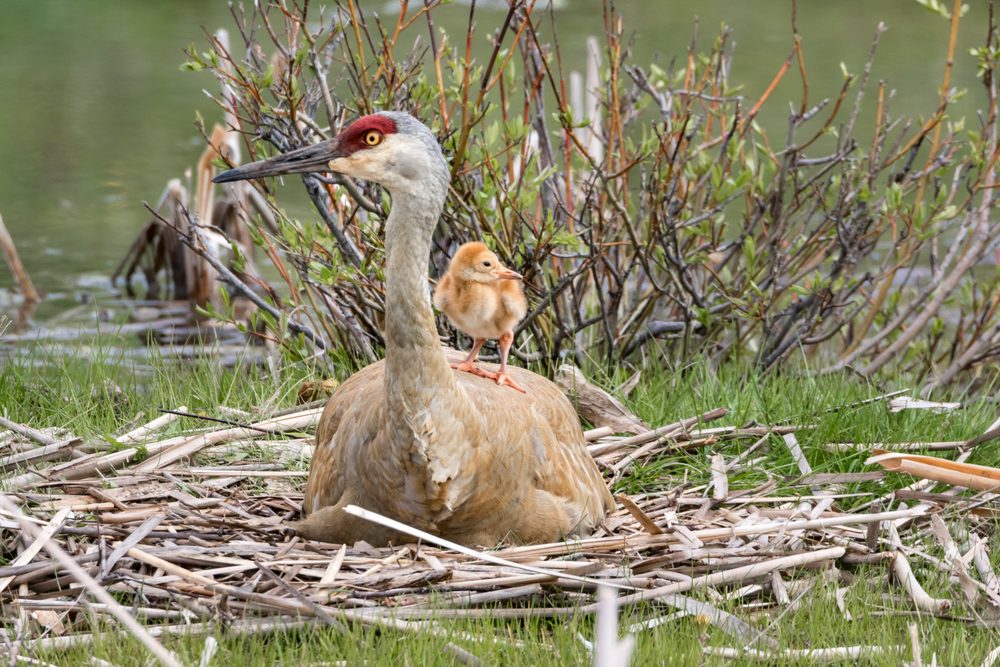
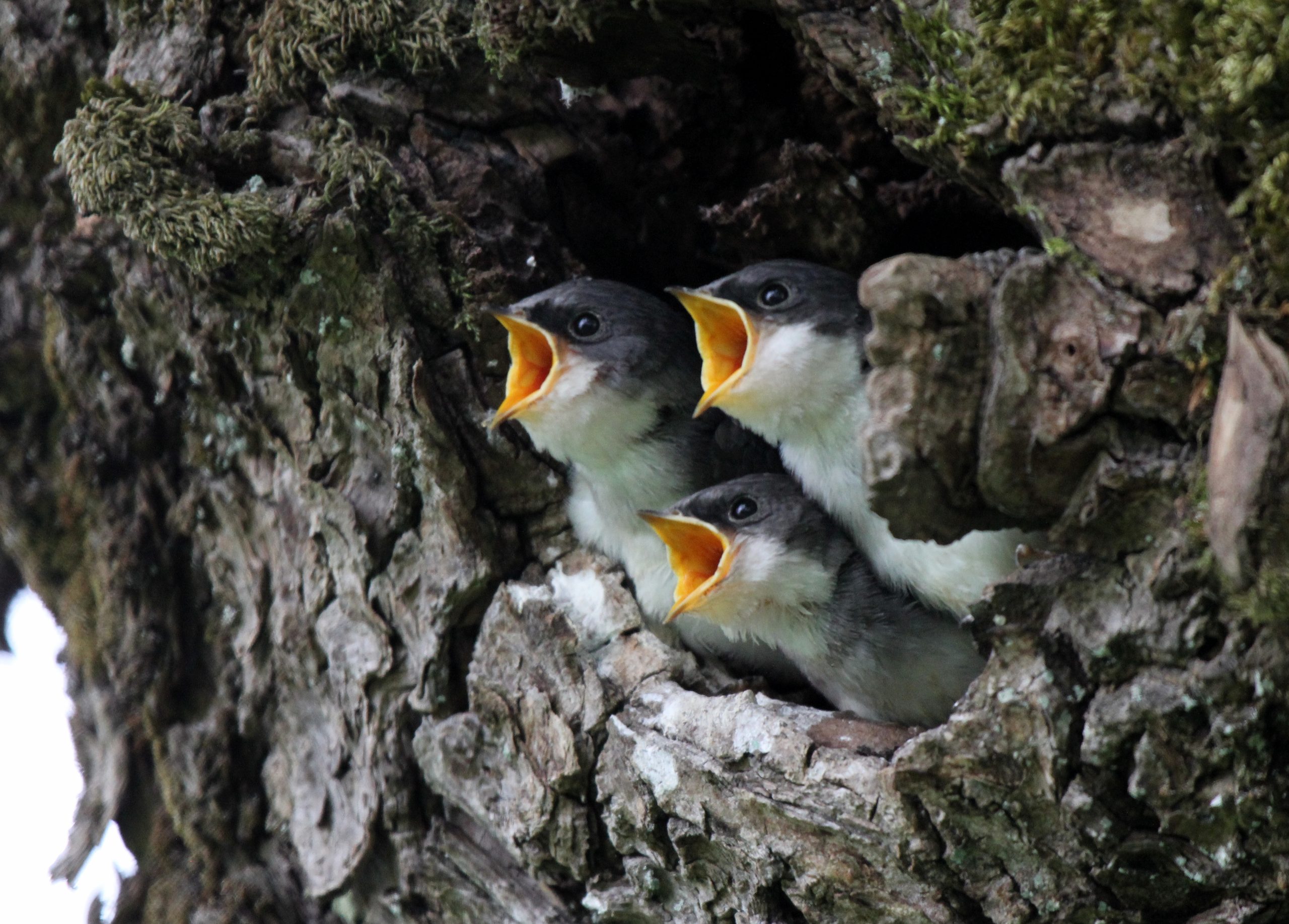
Established in 1965, the Refuge is a lifeline for millions of migratory birds making their way along the Pacific Flyway, the major north-south flyway for migratory birds in the Americas, extending from Alaska to Patagonia. More than 200 bird species have been observed here, including large numbers of ducks and geese. Peak migration populations are estimated to include 35,000 geese, 3,000 swans, and 1,500 cranes.
For thousands of years, the area has been home to Chinookan Peoples of the Lower Columbia River. In 1805, it was a landing spot for the Lewis and Clark Expedition. Camping near Post Office Lake, Clark may have lost some precious Zzzzzs due to the prolific birdlife of the area.
He wrote: “I could not sleep for the noise kept by the Swans, Geese, white & black brant, Ducks &c. on an opposite base, & Sand hill Crane, they were emensely numerous and their noise horrid.”
Despite the raucous birdlife, there is a rich history of Native settlements here. The village of Cathlapotle, excavated in the 1990s, is located on what is now the refuge’s Carty Unit and was one of the largest villages on the river.
New development at the water’s edge
National wildlife refuges face many challenges today, among them, the lack of adequate funding. The Ridgefield Refuge is no different. But now the refuge is facing pressure from a different direction. A proposed 40-acre waterfront development would bring a hotel, housing and retail space to the opposite shore of Lake River.
The Port of Ridgefield says the project would generate jobs and economic activity. Conservationists caution that the potential economic benefits could come at considerable and irreversible environmental cost.
Habitat fragmentation and degradation are among the first potential impacts, coupled with runoff pollution from the hotel and housing developments. Motor oil, trash and other pollutants could flow directly into the water without treatment.
What about the birds?
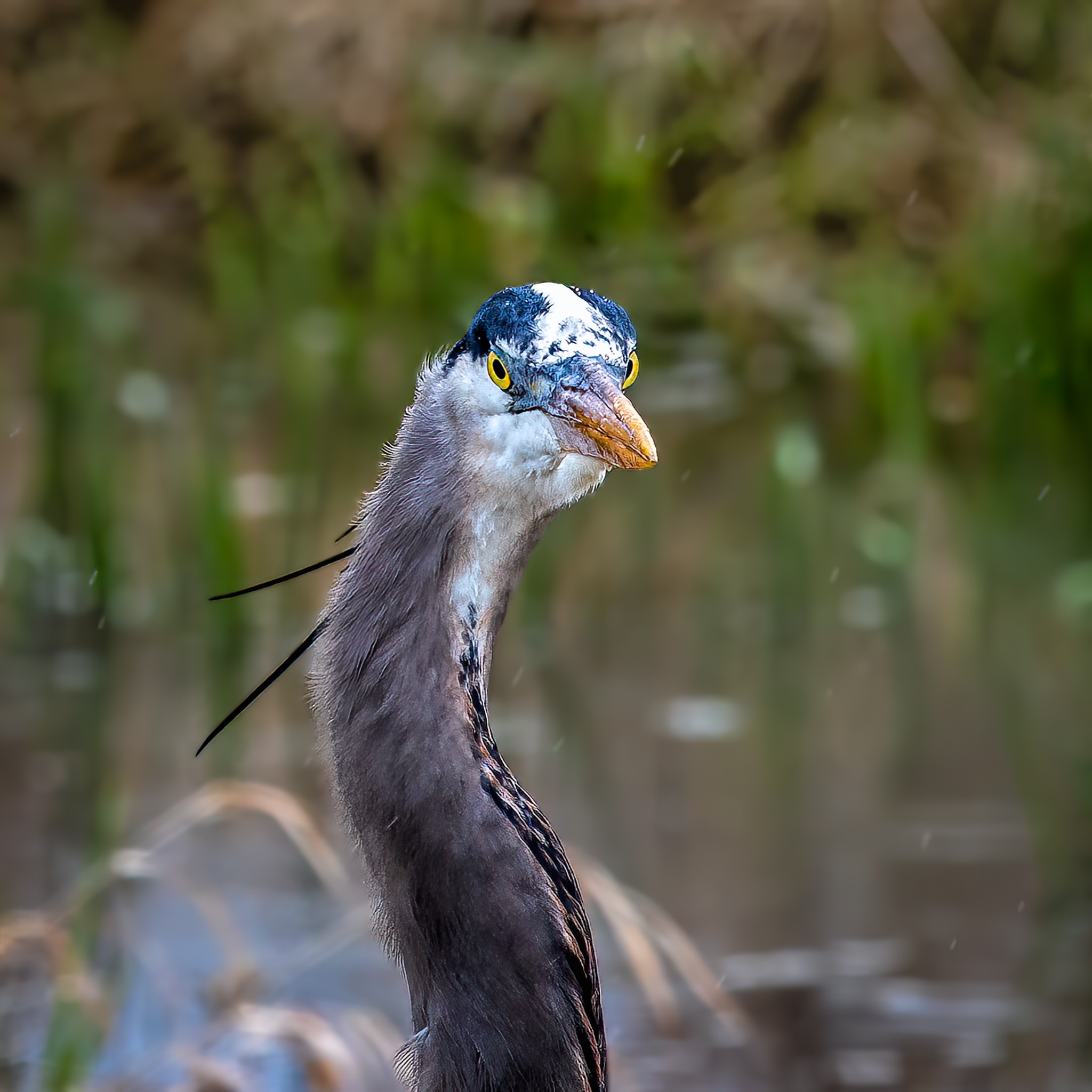
Corina Newsome of the National Wildlife Federation said “migrating birds already face many challenges. National wildlife refuges provide places where birds can feed, breed, nest and rest.
They need healthy habitat, free from heavy traffic, bright lights and excessive noise. These refuges also give the public access to experience the incredible bird diversity found in the region, and to witness the amazing spectacle of migration.”
The benefits to endangered fish species of the area should not be overlooked either, said James Adkins, executive director of the Association of Northwest Steelheaders.
“Ridgefield Wildlife Refuge is most often thought of as a vital refuge for migratory birds, but the wetland, lake and riverine habitat in and around the refuge provides critical rearing areas for endangered fish species throughout their life cycle,” said Adkins. “By attempting to capitalize on the benefits of the wildlife refuge for nature and the public enjoyment, the proposed development will end up compromising the integrity of the entire ecosystem.”
Flight for birds, sights for birders
As fall approaches, the action is already underway for the many birders who flock to national wildlife refuges along the Columbia River Basin. Fall migration has begun, and the skies of the Pacific Flyway are full of motion. In mid-September, nearly 900,000 birds passed through Clark County, home to the Ridgefield Refuge. The figures climb by approximately 100,000 birds a night and will gain momentum through November.
Fast facts for birdwatchers along the Pacific Flyway:
- During fall migration, most birds pass through the contiguous U.S. from early September through October.
- Migration is largely invisible from the ground. Birds usually begin migrating 30 to 45 minutes after sunset, with the greatest number in flight two to three hours later.
- Migrating birds regularly fly between 1,000 and 3,000 feet, with some flying as high as 10,000 feet above ground! Seasonal timing and weather conditions can impact their migration patterns.
