








We have much more to do and your continued support is needed now more than ever.
How the National Budget Can Shape the Center’s Work for Pollinators

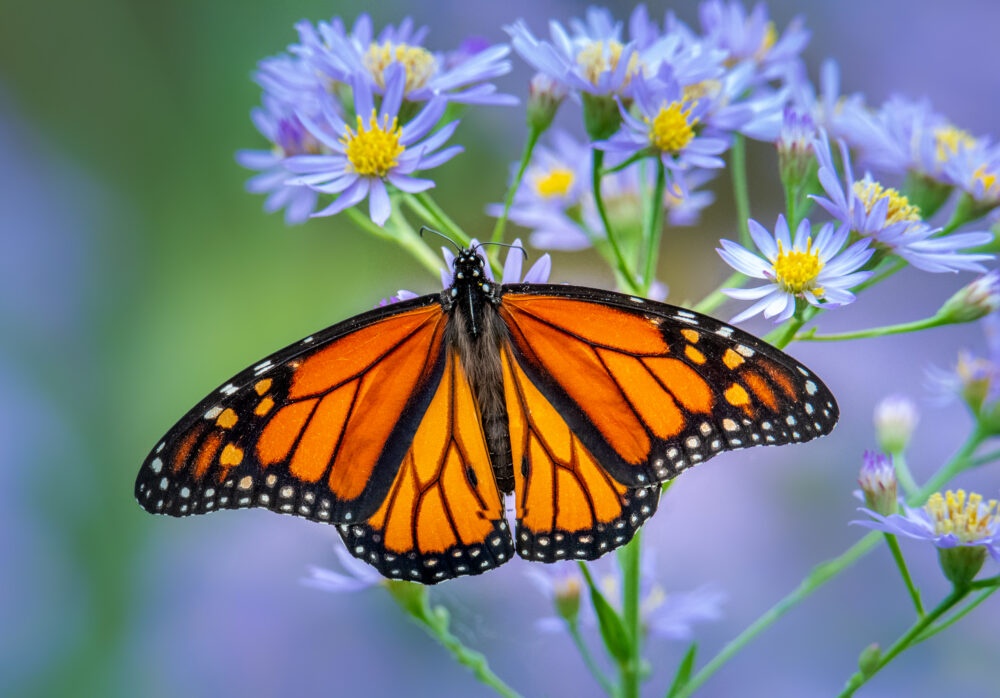
Monarch butterfly. Credit: Edward Episcopo
Pollinator Crisis
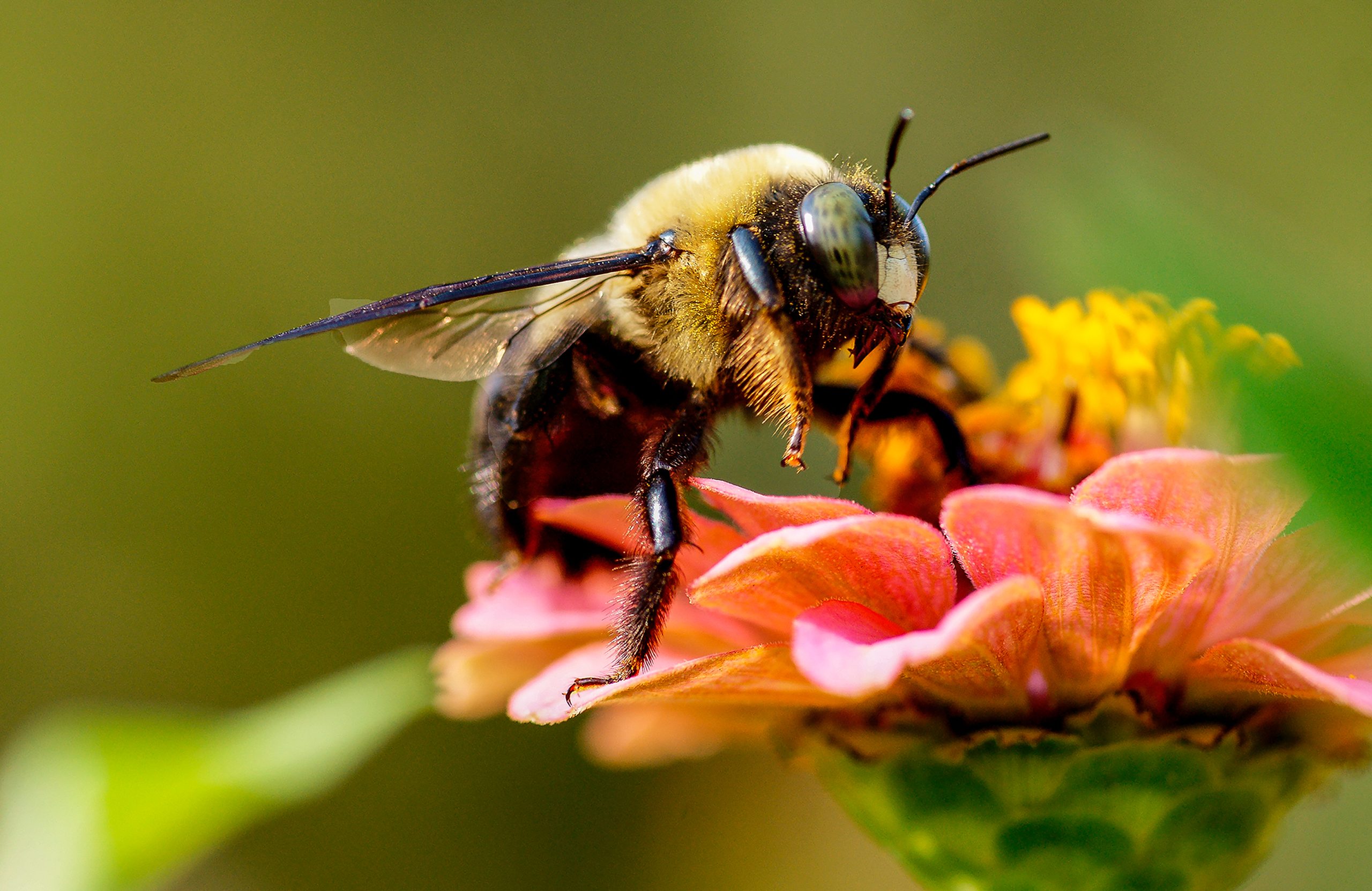
Pollinators are essential to wildlife yet often overlooked contributors to our food systems and ecosystems. All native bees, butterflies, moths, bats, and hummingbirds are pollinators and play a crucial role in sustaining the plants that provide food for humans, create habitats for wildlife, stabilize soils, and maintain entire food webs. Unfortunately, these populations are declining across North America due to factors such as habitat destruction, pesticide use, disease, climate change, and invasive species.
- More than 1 in 5 species of pollinators have an elevated risk of extinction in North America, according to a study led by NatureServe.
- Globally, on average, 85% of flowering plant species depend on animal pollination. That includes wild plants that form the backbone of food webs, stabilize soils, regulate water cycles, and provide habitat for other species.
- Decline in wildlife pollinators leads to parallel declines in the plants that rely on them, with cascading effects on many other species.
- Research shows that the loss of pollinators can reduce yields and affect the nutrition of many crops, threatening human health.
From Pollinator Crisis to a National Conservation Center
To confront this crisis, the Department of the Interior established the Center for Pollinator Conservation at the U.S. Fish and Wildlife Service (USFWS). Despite its clear track record of significant accomplishments, its future is now at risk due to the proposed 2027 fiscal year budget. Established in 2022, the Center created a national hub for land managers, decision-makers, scientists, program leaders, and community partners to share best practices and coordinate pollinator conservation efforts nationwide.
Building the Foundation
Since then, the Center’s key conservation actions have become the foundation of actions to support the health of the nation’s pollinators:
- The Pollinator Action Plan. The Center brought together more than 170 pollinator conservation partner groups and created the Pollinator Action Plan to guide U.S. conservation efforts.
- It launched two flagship tools—the North American BeeTool and the Monarch Conservation Opportunities Tool—making maps and guidance available to managers and partners in the U.S., Canada, and Mexico. These tools help identify where conservation is most needed and which actions are likely to have the greatest impact.
- Other technical programs and investments, such as environmental DNA (eDNA) surveys, drone-assisted habitat assessments, and social network analyses, have been critical in bringing together pollinator researchers to provide fact-based data to support pollinator conservation.
The Pollinator Action Plan outlines key areas of focus, including increasing the availability of native seeds and plants, streamlining regulatory processes for creating pollinator habitats, enhancing collaboration among partners and initiatives, and integrating pollinator conservation into broader land-use and infrastructure decisions.
The Center began implementing this plan through tangible actions, such as the San Joaquin Western Monarch Collaborative in California’s Central Valley, which is developing a regional conservation strategy for monarchs and a two-year work plan.
Surveys and Monitoring Pollinators’ Habitat
Surveys and monitoring are the backbone of effective conservation, and the Center has built that backbone for pollinators.
In 2024, National Wildlife Refuges and wetland management districts were surveyed and monitored to establish baseline habitat and populations, and to examine pesticide drift and prairie restoration practices. The outcomes of these surveys identify where pollinators are thriving or struggling, which habitats best support pollinators, and where collaborations can be strengthened.
Funding Proposals and the Capacity to Protect Pollinators
Despite the urgency, proposed federal budget cuts of up to 20% for the U.S. Fish and Wildlife Service in Fiscal Year 2027 would jeopardize these programs and harm pollinators most in need of recovery. The Center’s funding falls within broader Science Applications and National Wildlife Refuge allocations, making it vulnerable to across-the-board funding reductions.
Reduced funding could mean:
- Many fewer staff to maintain tools and drive collaborations.
- Insufficient resources to support pollinator habitat and monitoring.
- Elimination of opportunities to train land managers, community leaders, and the next generation of pollinator experts.
Scaling back the Center for Pollinator Conservation is a decision that shouldn’t be taken lightly, especially given the numerous facts highlighting the growing threats to our pollinators and the genuine risk of a future pollinator catastrophe that would be difficult to recover from.
Protecting the Foundation for Pollinator Conservation
Pollinators cannot express the pressures they face or the values they provide to our natural ecosystems and our health. The Center for Pollinator Conservation has been an important voice for pollinators and their conservation, helping connect science, practical tools, and partners across landscapes. You can help amplify that voice.
- Reach out to local leaders. Encourage them to consider pollinator conservation budgets, land-use planning, transportation and energy projects, and agricultural programs, while also nurturing partnerships with federal initiatives, such as those listed in the Pollinator Action Plan.
- Make pollinators part of the conversation. Highlight the connection between pollinator habitat and the decisions under discussion. A well-timed question can make an overlooked pollinator crisis visible. Lead your message with reliable information; double-check your facts! Credible information is more powerful than the loudest message.
- Defend capacity, not just awareness. Pollinator conservation requires people, long-term monitoring, accessible science, practical tools, habitat work, and collaboration across communities and jurisdictions. In public conversations and decision-making processes, encourage leaders to consider what it takes to sustain these functions over time.
The Center for Pollinator Conservation is more than a program; it is the connector that helps hold a nationwide pollinator conservation network together. By sustaining the national Center that connects science, partners, and conservation action, the United States can be better prepared to protect our pollinators and the natural ecosystems, food systems, and communities they support.
NWF in Action
The National Wildlife Federation supports monarch and all pollinators’ recovery through habitat restoration, research, and partnerships with state and Tribal leaders, contributing to the creation of state-level plans and community-based conservation programs such as the Mayor’s Monarch Pledge and Garden for Wildlife.
Read this blog in Spanish here.
Disclaimer: This article is independently prepared by NWF using publicly available government records and peer-reviewed research. Its factual statements are based on those sources. The views expressed do not represent those of the U.S. Fish and Wildlife Service, the Center for Pollinator Conservation, the DOI, or the Federal Government.
 Written by Rebeca Quiñonez-Piñón
