















We have much more to do and your continued support is needed now more than ever.
How Data Center Development is Shaping Rural America’s Farmlands
With increased electricity, land, and water demand and data center buildout, how will data center development in rural areas negatively impact agriculture and agricultural communities?
Why Farmland Has become a Target for Data Center Development:
Data center electricity demand is projected to double by 2027, while data centers’ land needs are expected to triple in the next five years. As data center development accelerates, driven by investments in artificial intelligence (AI) technologies, developers are searching for more land. Increasingly, that search is extending into rural America.
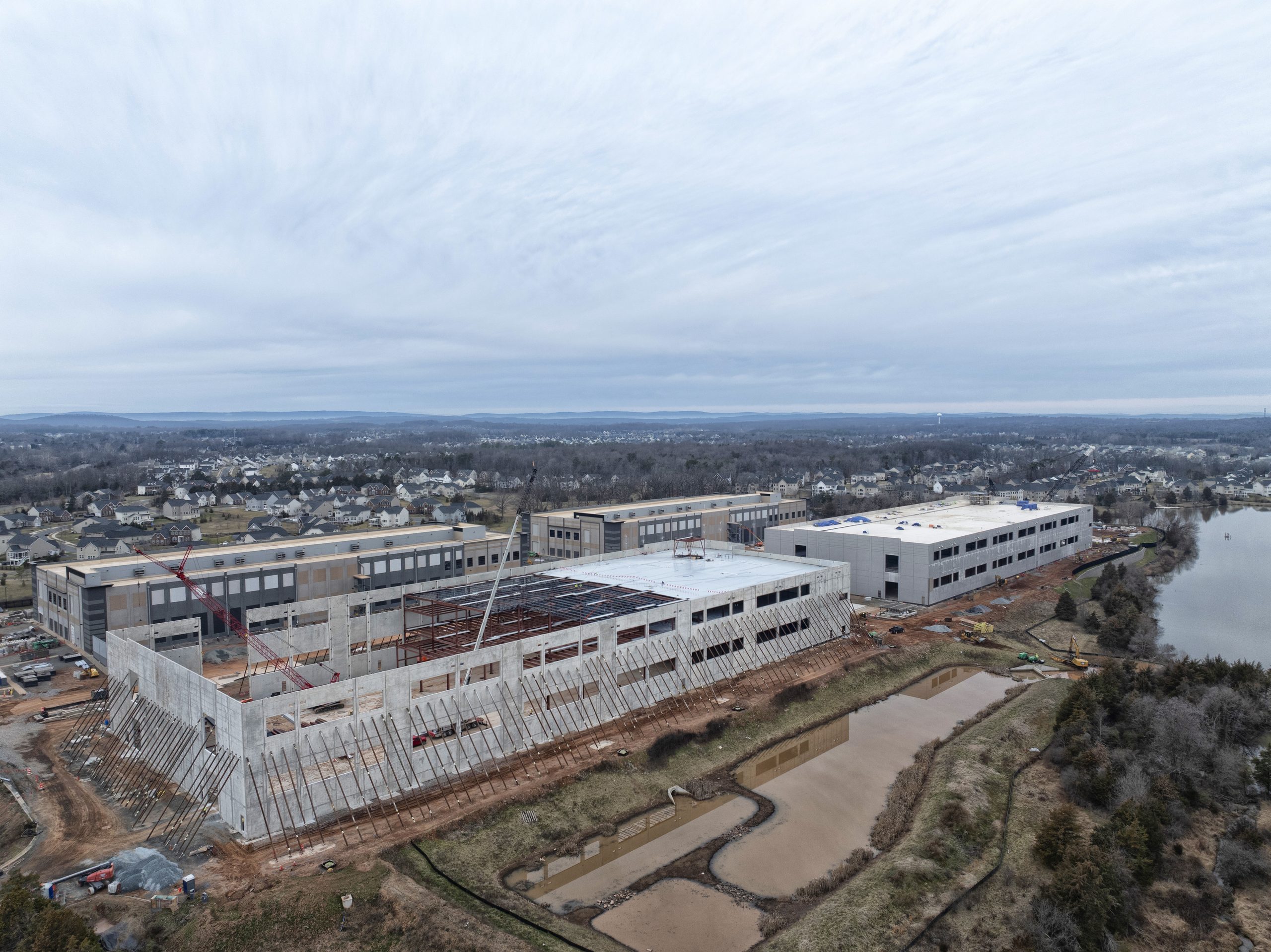
Today, the vast majority of data centers are in urban areas, but roughly two-thirds of planned U.S. data centers are being proposed in rural areas. Rural counties are attractive to developers because they can offer preexisting cleared land, contiguous acreage, lower land prices, fewer nearby residents to oppose projects, easier access to large transmission corridors, and room for new power generation.
Data centers can access farmland through rezoning, direct purchases, or development of supporting energy infrastructure. In many parts of the country, agricultural lands are being rezoned for industrial use to develop data centers.
Rezoning—along with extraordinary purchase offers—can encourage farmers to sell their lands at prices well above their agricultural value. The prospect of future development can also create speculative value, increasing land and rental costs and real estate taxes for farmers who choose to not sell and remain in production.
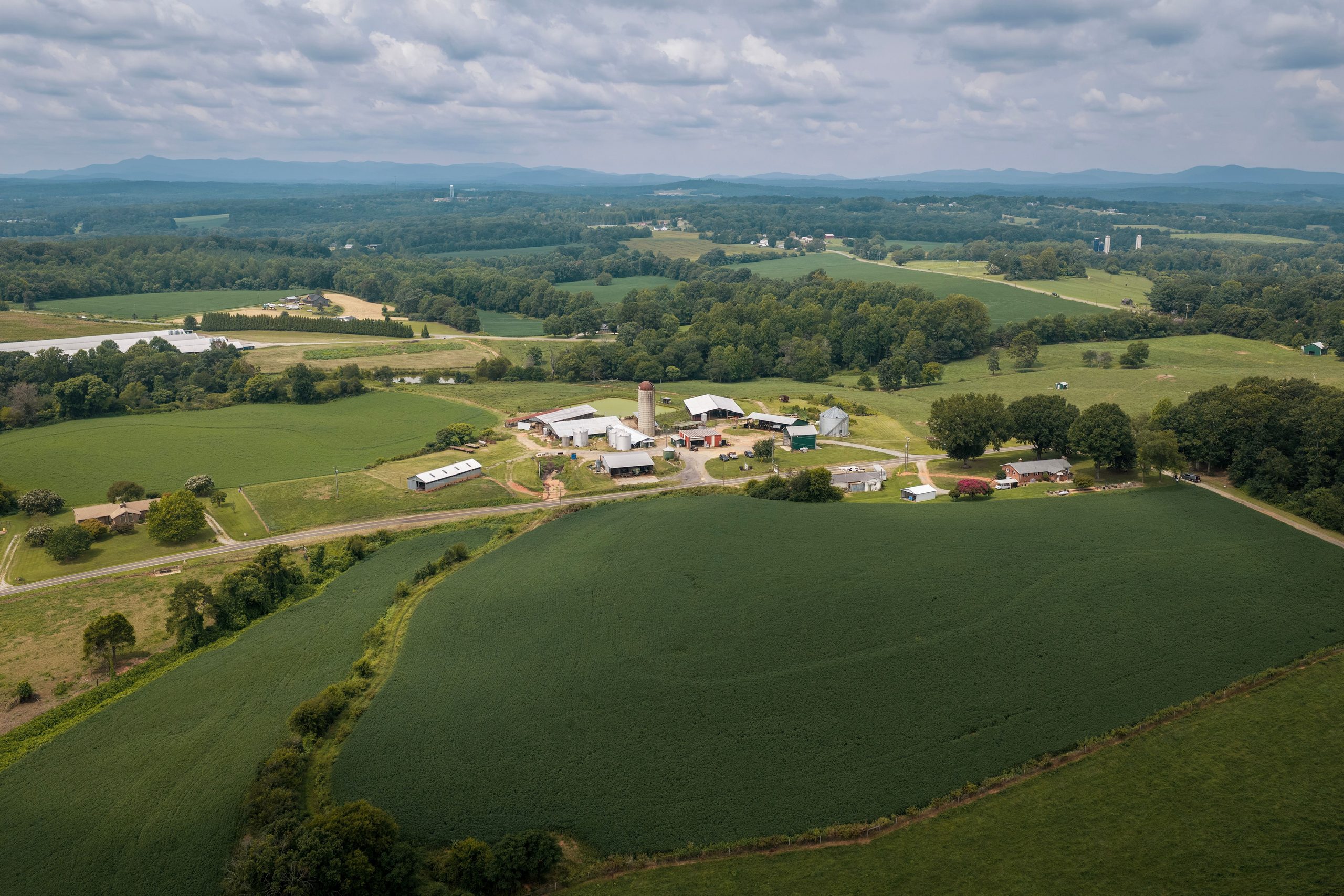
Growing electricity demand is also driving the development of new transmission lines, substations, and generation infrastructure, placing additional pressure on agricultural land. In some data center hotspots, these projects would not be built without new demand from the industry.
These projects can affect farmers, even when a data center is not built directly on their property. Utilities may use eminent domain—the government-authorized power to acquire private property for a qualifying public use with compensation—to obtain land or easements for transmission infrastructure. The use of eminent domain for energy infrastructure varies by state, and some states place restrictions on acquiring private property for economic development.
However, transmission projects may still qualify when they are justified by broader public purposes, such as improving grid reliability or meeting electricity demand. For farmers, this can mean losing productive acreage or having new transmission corridors cross and divide agricultural land.
II. The Fight for Water Resources
Data center development can also create competition for water. Many large facilities rely on water-based cooling systems to manage the substantial heat generated by high-density computing, including AI workloads. Data centers also have a significant indirect water footprint through the electricity they consume. This is because thermoelectric power plants, which generate much of the electricity used by data centers, require large amounts of water for cooling, meaning the water demands associated with data centers can extend beyond the facility itself.
Agriculture is already one of the largest users of water in the United States. Between 2010 and 2020, agricultural irrigation accounted for 47 percent of total U.S. freshwater withdrawals. In regions where water resources are limited, new demand from data centers and their supporting energy infrastructure can place additional pressure on the watersheds, groundwater supplies, and municipal systems that farmers and rural residents depend on.
Today, communities often lack clear information about how much water data centers use. Inconsistent and limited reporting makes it difficult to compare facilities or assess their cumulative effects on local water supplies.
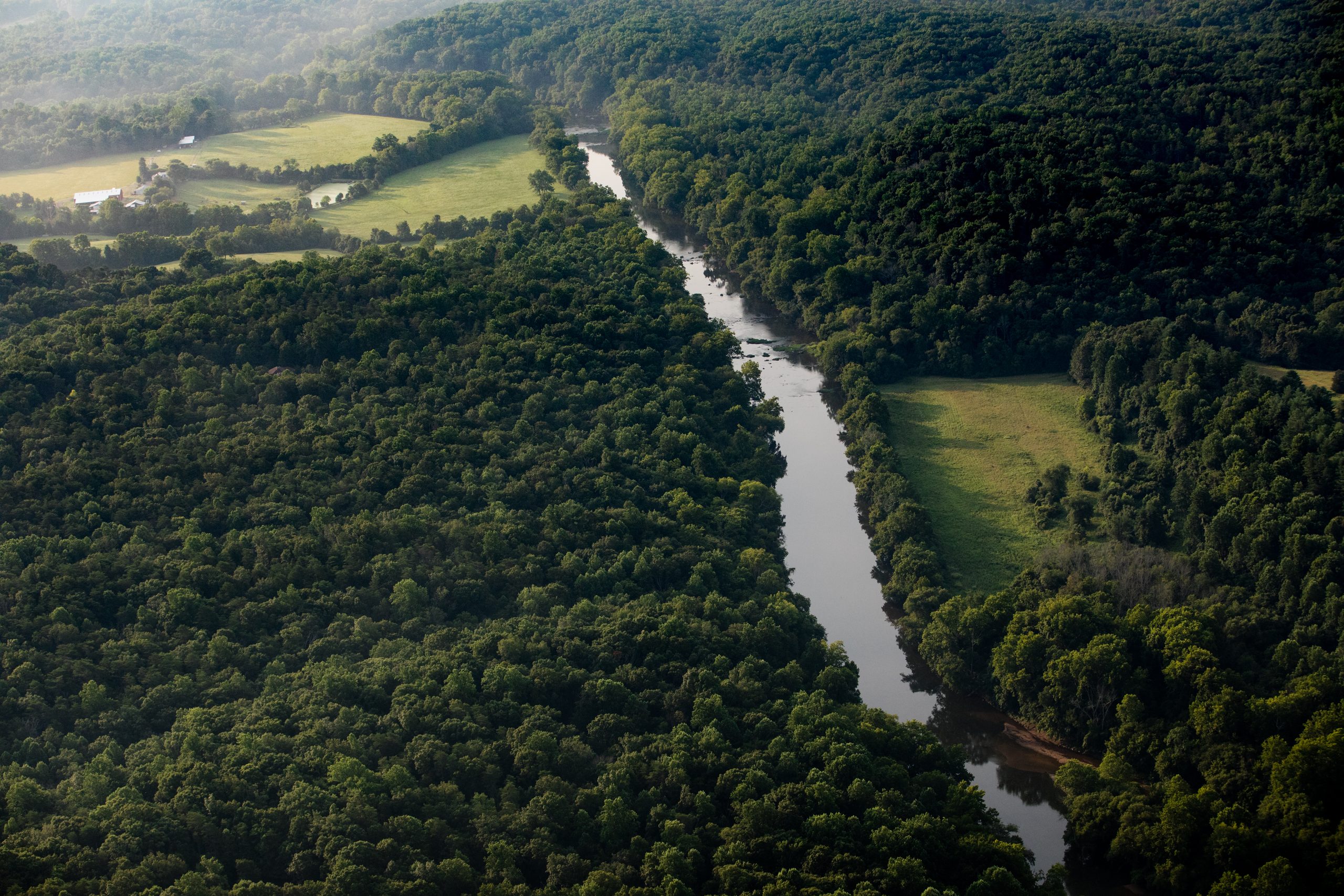
“In Virginia, fifth-generation farmer Cory Garrett is fighting Caroline County’s effort to acquire his riverfront property for a proposed water pipeline that would deliver up to 14 million gallons of water per day to support data center development. Garrett’s case illustrates how the water demands of data center development can reach beyond facility boundaries and directly affect agricultural land and the farmers who depend on it.”
III. Impacts on Wildlife and Ecosystems
Agricultural landscapes are already highly modified ecosystems. But when agricultural land is developed for industrial uses, that loss is permanent. Conversion from productive agricultural land to industrial use may limit opportunities for adopting conservation practices on working lands or diversifying production systems. In turn, this could cause further cumulative environmental impacts, both in the U.S. and abroad, if new land is converted to farmland elsewhere.
Data center campuses may replace agricultural and undeveloped land with buildings, parking areas, roads, and other impervious surfaces. Supporting infrastructure—including transmission lines, substations, and water infrastructure—can further fragment fields and natural areas. Construction of data center facilities can compact soils, alter drainage, and disturb vegetation.
These changes can also affect the prairie strips, forests, grasslands, wetlands, and riparian areas that may be embedded within or around agricultural landscapes. This habitat fragmentation can disrupt wildlife movement and reduce habitat for species that utilize agricultural landscapes, including those that support agricultural productivity, like pollinators.
Data center infrastructure can also introduce additional stressors, as these facilities may emit significant noise and air pollution or alter the microclimate of the area. For example, research has found that anthropogenic noise can inhibit pollination by bumblebees, while certain electromagnetic field (EMF) exposure has been associated with reduced flower visitation by honeybees and changes in plant metabolism.

People and wildlife will also see additional impacts from climate change if the rapid growth in energy demand for data centers is met by coal and gas-fired generation rather than renewable energy and energy storage. A reliance on fossil fuels will make international greenhouse gas emission reduction targets more difficult to reach.
As concerns over the loss of productive farmland grows, marginal agricultural lands with low productivity may prove to be another target for data center developers. But low agricultural productivity doesn’t equate to low ecological value—when restored to grasslands or wetlands, these areas can give native biodiversity a boost.
IV. Farming Communities are Fighting Back
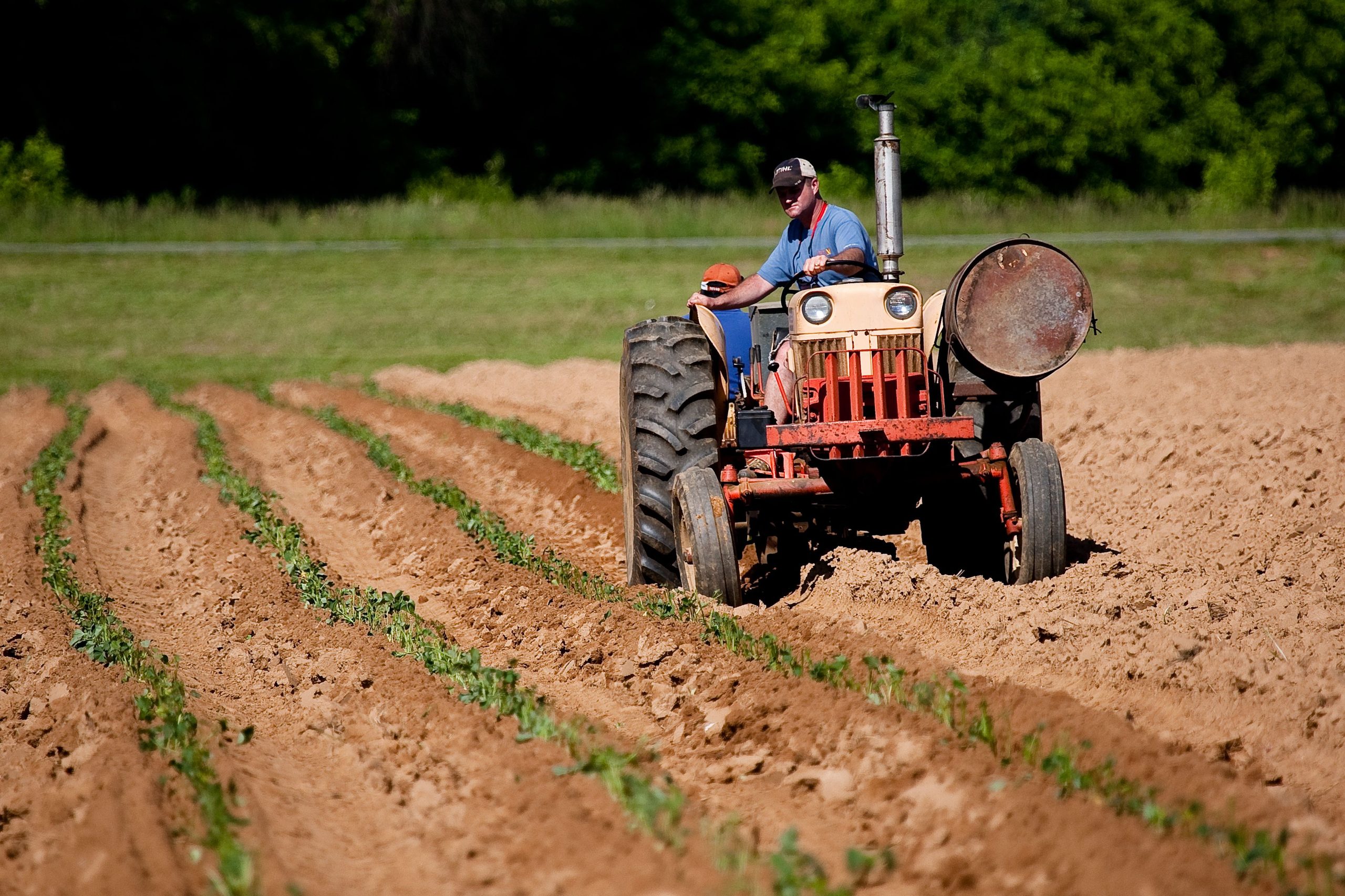
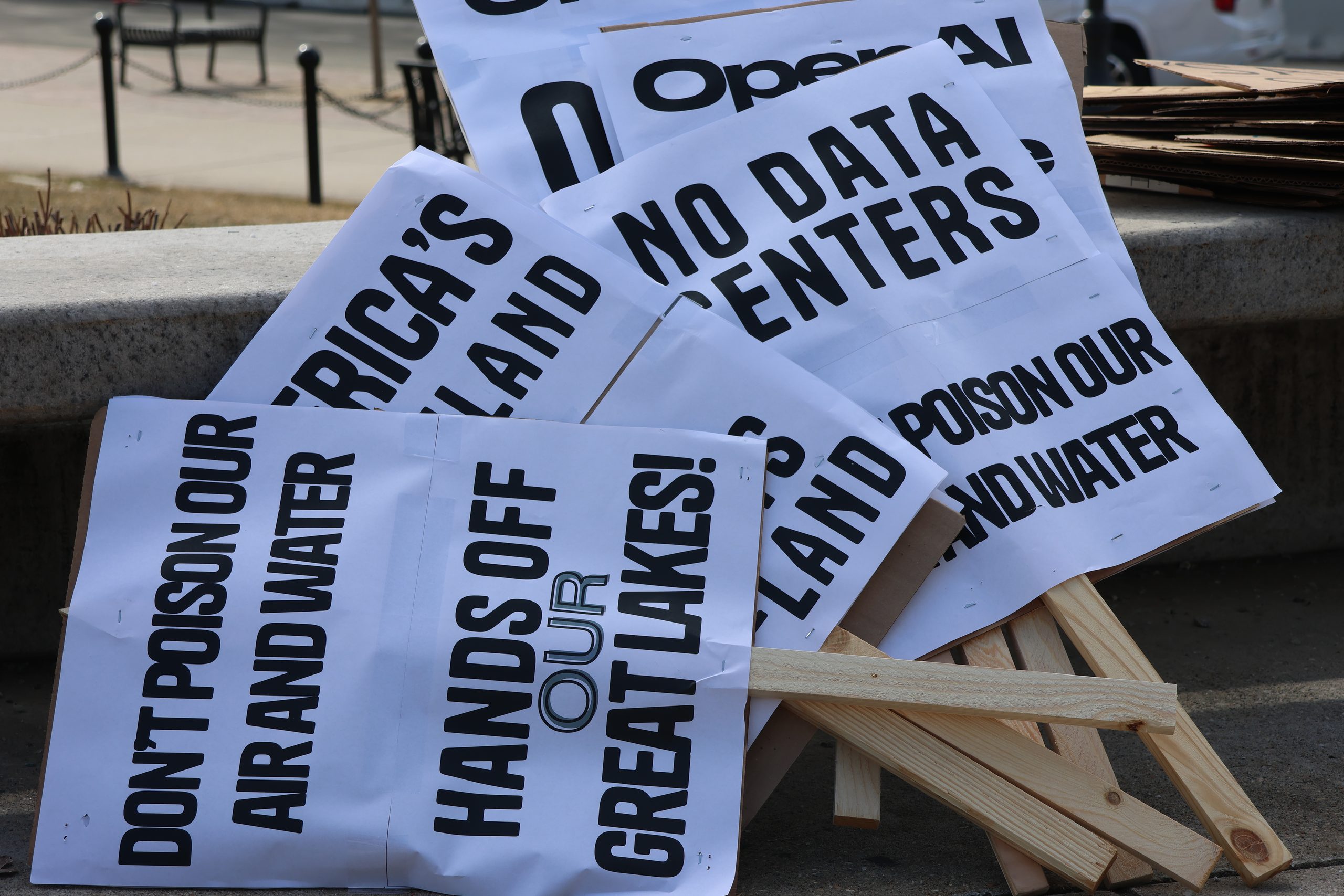
At the local level, farmers and rural communities are increasingly pushing back against data center development and the conversion of agricultural land. Across the country, farmers have rejected multimillion-dollar offers for their land. In Kentucky, one farmer reportedly declined a $26 million offer for her farmland, while a Pennsylvania farmer has repeatedly rejected offers exceeding $15 million per acre, opting instead to preserve his land.
These individual decisions are occurring amid broader concerns about the long-term resilience of U.S. agriculture. Rising costs and competing land-use pressures are increasing strain on producers. Since 1982, cropland, pastureland, and rangeland declined, while developed land increased by about 66 percent. This makes the permanent loss of productive farmland an increasingly consequential land-use decision.
Communities are also questioning whether the economic benefits of data centers justify their local impacts. Developers and public officials frequently emphasize construction jobs and economic investment, but data center operations can require relatively few permanent workers. Public opposition is also widespread: a recent Gallup poll found that roughly 7 in 10 Americans oppose AI data centers being built in their communities.
Local governments therefore play a critical role in determining how data center development affects rural communities. While states control many aspects of energy infrastructure and utility regulation, local governments typically retain authority over zoning, land use, and other community-level impacts, and often own or oversee water utilities. These authorities can give residents a meaningful avenue to influence whether and where large industrial facilities are built.
V. The Policy Landscape
State preemption—laws that allow states to override local zoning and land-use regulations—presents a significant risk to this local decision-making authority. These laws can restrict local governments’ ability to regulate certain large energy facilities and limit local control over data center development.
Developers are also increasingly pursuing unincorporated rural land, where projects may face fewer zoning requirements, rezoning votes, or other forms of local review. This can reduce opportunities for residents to participate in decisions that fundamentally alter agricultural landscapes.
The federal government could also intervene, such as by preempting state and local authority over electric supply decisions for data centers, or conversely by establishing minimum standards for water use efficiency and requiring renewable energy and energy storage to meet new data center energy needs.
VI. Balancing Digital Infrastructure With Agricultural and Wildlife Resilience
As data centers increasingly expand across rural America’s farmlands, communities, local and state officials, and policymakers must weigh how to accommodate new digital infrastructure without unnecessarily sacrificing farmland, water supplies, wildlife habitat, or rural communities’ agency.
Preventing harm from rapid growth requires policies that account for data centers’ full land, water, climate, and infrastructure footprint. Protecting agricultural resilience means evaluating not only where data centers are built (avoiding siting on farmland and valuable wildlife habitat), but also where and how their generation, transmission, water, and transportation infrastructure is located.
Greater transparency, meaningful community engagement, and clear communication can help ensure that rural communities have a meaningful voice in decisions that will shape their land and resources for decades to come.
