










We have much more to do and your continued support is needed now more than ever.
Securing Colorado’s Rich Outdoor Recreation: Amendment 83
Supporting Colorado’s Amendment 83 would safeguard cherished hunting and angling practices

Aaron Kindle.
The National Wildlife Federation was founded in 1936, largely by the will of hunters and anglers who were fed up with widespread habitat degradation, wildlife populations dwindling, and politicians who were unresponsive to ongoing environmental crises.
One of our first big victories was led by hunters and anglers with the passage of the Pittman-Robertson Wildlife Restoration Act, which created an excise tax on firearms, ammunition, and archery equipment and directed the generated funds to states for wildlife management, conservation, and restoration.
In 1950, we supported a similar plan for fishing equipment and helped pass the Dingell-Johnson Sportfish Restoration Act. To date, these two funds have directed more than $40 billion into fish and wildlife management, restoration, and conservation, and are but two of the innumerable contributions America’s hunters anglers have made to conservation over our country’s history.
Hunters and anglers also have an unmatched, intimate connection to the outdoors and to wildlife, things we can’t afford to lose in our modern world. They contribute countless hours to restoration projects and clean ups, to the conservation of public and private lands, and to securing access to these lands.
Hunters and anglers are simply invaluable in American conservation. They are a part of the fabric of the National Wildlife Federation and always will be. We’ve known it since 1936, and it remains true today. These are but a few of the reasons we support Amendment 83 in Colorado.
Amendment 83 would add Colorado to the 24 other states that constitutionally protect the right to hunt and fish. Proponents were spurred by several years of attacks by anti-hunting and fishing advocates to the tune of more than 20 separate efforts through ballot initiatives, proposed wildlife commission rulemakings, and legislation to restrict or prohibit legal hunting and fishing activities and science-based wildlife management.
Efforts to restrict or prohibit hunting and fishing are growing, and not unique to Colorado. Over the past several years, anti-hunting and fishing advocates have deployed similar tactics across the United States, even going so far as to introduce a ballot initiative in Oregon (IP28) that would have prohibited hunting, fishing, and even raising livestock for food, and prohibited several other animal related practices.
There have been two attempts to get the measure on the ballot that have thus far failed, but proponents have vowed to return again next year. Efforts like these are happening across the country. Clearly, the ability to hunt and fish is under attack.
Hunting and Fishing Fund Conservation
The threats to hunting and fishing have broad implications well beyond limiting or prohibiting those activities themselves. Most states get the vast majority of their wildlife management budgets from hunting and angling license fees and the aforementioned Pittman-Robertson and Dingell-Johnson excise taxes through the sale of hunting and fishing equipment.
Additionally, most state wildlife agencies do not receive general fund allocations from their respective state legislatures. Without license fees and excise tax revenue most states would see their wildlife management budget reduced by at least 60% and sometimes up to 90% or more.
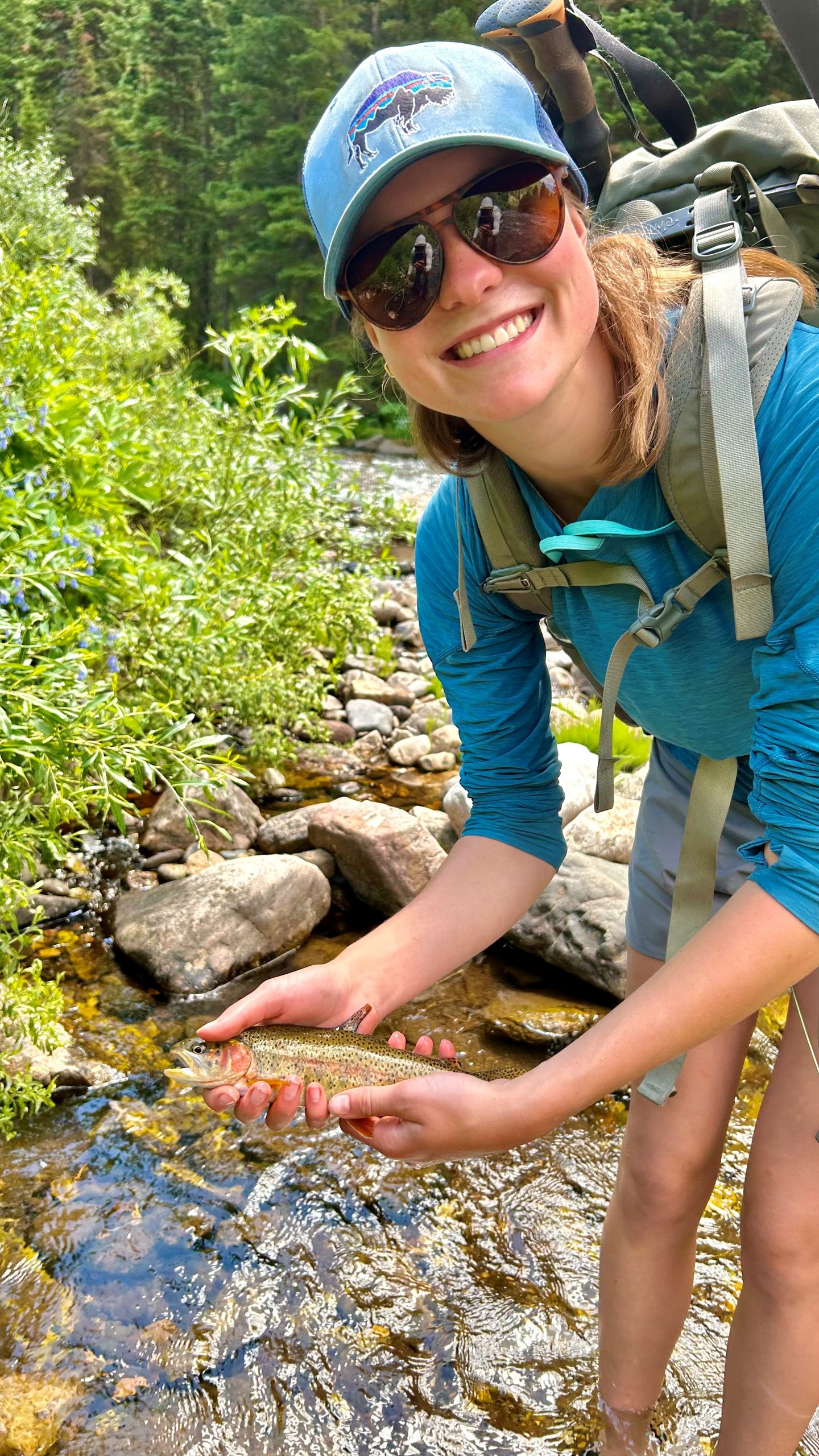
Colorado Parks and Wildlife (CPW) receives 68% of its budget from license fees and roughly 16% of its budget from excise taxes. CPW operates as an “enterprise agency”, which means it does not depend on the state’s General Fund for operating revenue and has received little to no allocation from the state legislature over the past decade during the period the anti-hunting and fishing efforts have become more frequent.
Proponents for prohibiting hunting and fishing do not address this in their communications while pushing these proposals across the country nor do they propose alternative funding models. It is easy to surmise with the budget situation in Colorado—and in many states—that there simply will not be much money for wildlife without traditional sources of revenue, i.e. hunting and fishing sources.
Beyond the obvious implications above, opponents of Amendment 83 have also been disseminating false claims about what the amendment would or could do. They have stated that Amendment 83 could bring back leghold traps in Colorado. The leghold trap ban was a constitutional amendment that passed in 1996.
Changing the state constitution requires a ballot initiative and 55% or more voter approval. That would be the case for reversing the leghold trap ban. Amendment 83 does nothing to change the ban on leghold traps nor does it repeal or change any existing laws.
Anti-hunting and fishing efforts over the past several years and their problematic implications have led a coalition of hunters, anglers, and wildlife advocates to propose Amendment 83 in order to ensure that the ability to hunt and fish becomes a right, and that the management of wildlife will be conducted by the professional wildlife agency rather than through ballot initiatives.
A Necessary Action
Hunters and anglers believe that if we do not enshrine these rights, it will only be a matter of time before anti-hunting and fishing initiatives pass and end hunting, fishing, and science-based wildlife management in Colorado. Thus the necessity of Amendment 83.
The National Wildlife Federation supports Amendment 83 because we understand and value the traditions of hunting and fishing, the value of hunters and anglers as conservationists, and the billions of dollars hunting and fishing license fees and excise taxes have contributed to conservation for decades.
Simply put, without hunting and fishing, we would lose resources for wildlife management agencies and conservation, we would lose a huge connection to wildlife and the outdoors, and we would lose a key segment of the population that is deeply invested in and has a long history of wildlife conservation. We would lose part of ourselves.
As one of the oldest and largest wildlife conservation organizations, that is a fate we simply will not accept.
