






We have much more to do and your continued support is needed now more than ever.
Small Potholes, Big Impact
Potholes have a bad reputation. I’ve driven through my fair share of potholes, cringing every time and hoping I won’t end up with a flat tire or knock my car’s alignment out of place. But not all potholes are bad—in fact, there are some extremely important potholes located in the northern Great Plains. Spanning Montana, North Dakota, Minnesota, Iowa and three Canadian provinces, and covering 64 million acres is the ecological wonder that is the Prairie Pothole Region.
Picture millions of small wetlands scattered across the grasslands of the northern Great Plains: these are the Prairie Potholes. They were formed when ancient glaciers retreated over 10,000 years ago, leaving millions of shallow depressions that fill with snowmelt and water in the spring creating a vast network of seasonal wetlands.
These shallow wetlands are known as potholes, and they provide critical habitat for a large array of wildlife and are one of the most important migratory bird habitats in the western hemisphere, home to more than 50% of North American migratory waterfowl.

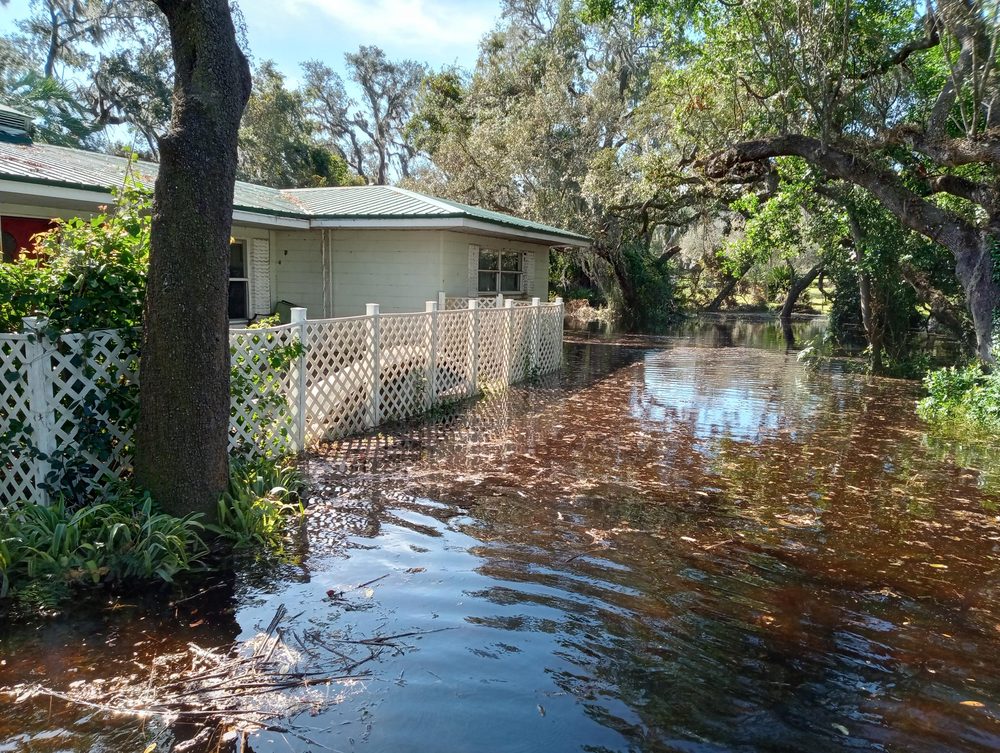
Not only do these potholes support a vast amount of biodiversity, but they also deliver many ecosystem services. Wetlands help recharge groundwater systems, reduce flooding by acting as natural sponges, and assist with filtering out pollutants and excess nutrients from agricultural operations—helping to purify our drinking water. In addition, they also store carbon securely underground.
Why These Potholes Matter
Due to its important role in supporting migratory waterfowl, the Prairie Pothole region is also known as North America’s Duck factory. Each year it provides the resources and habitat needed to support 10 million ducks. Some of these duck species include the northern pintail, blue-winged teal, northern shoveler and more.
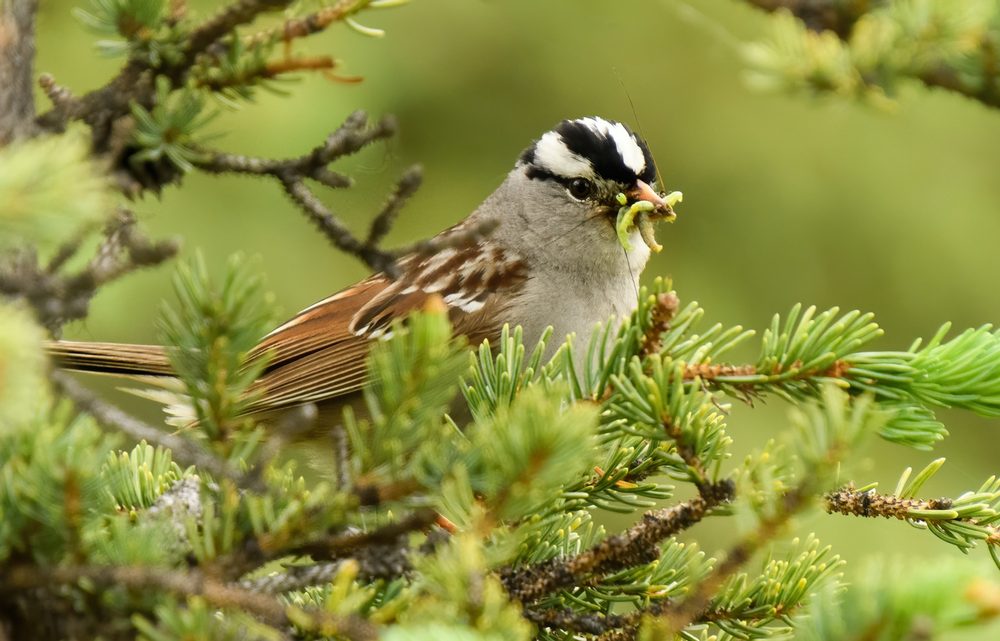
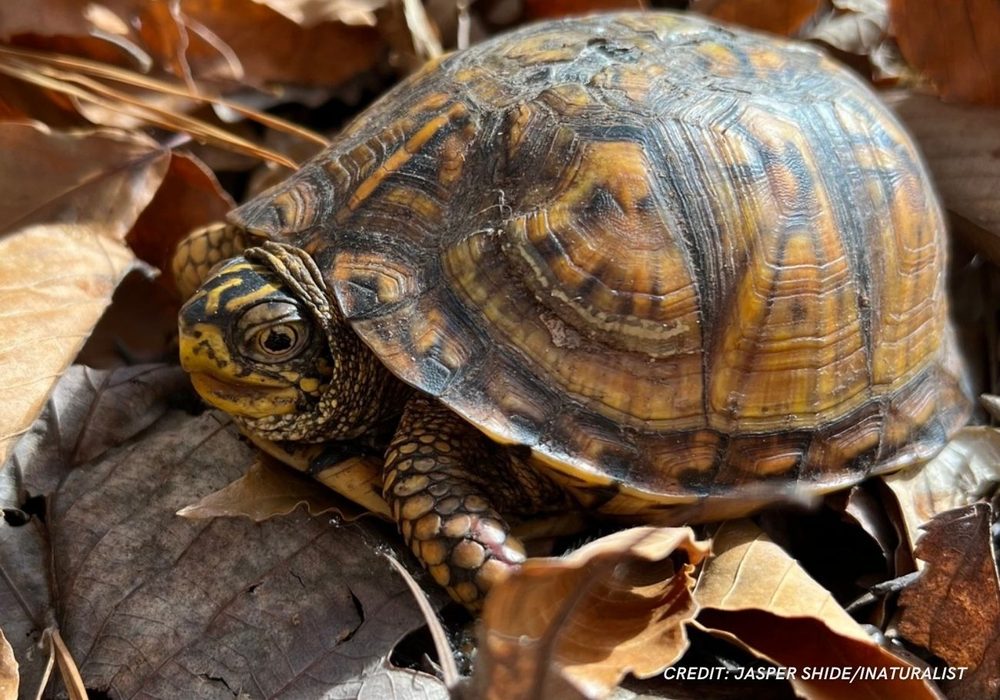
The region also supports an incredible array of additional bird species, including songbirds, waterbirds, raptors, shorebirds, and upland game birds. Impressively, forty different species of breeding waterbirds including herons, American white pelicans, and sandhill cranes can be found in the US part of the region. The Prairie Potholes also support a variety of other wildlife species, from frogs, turtles, deer, and more.

These wetlands are small but mighty, delivering a huge impact not only for wildlife and the environment but also surrounding communities. But right now, the Prairie Potholes are at risk due to proposed changes to protective provisions.
Wetland Loss and Swampbuster
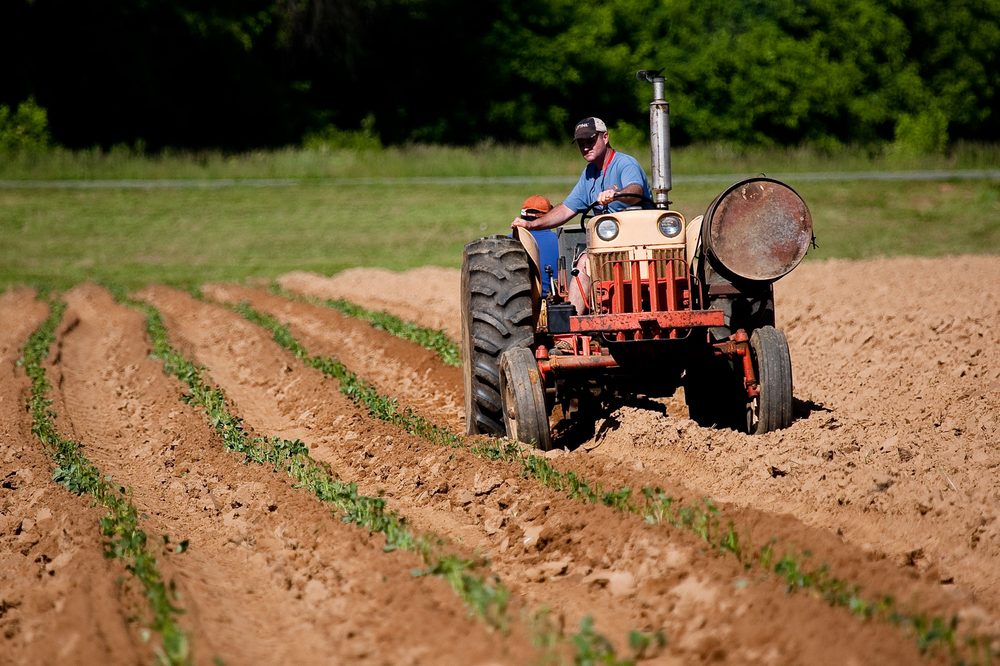
These wetlands face many threats and over the years have suffered substantial losses. The grasslands of the Great Plains have faced intense degradation from agricultural conversion. Many wetlands have been drained or filled, and grasslands have been converted to cropland for agricultural uses. Estimates show that over 50% of the potholes have been lost or degraded and over 60% of the native grasslands have been lost.
Due to the intense agricultural activity in the region, Prairie Potholes also face threats from pollutants, excess nutrients, and chemical runoff. Climate change has also had an impact, with rising temperatures and increased drought events, the prairie potholes are at risk of drying up more often, greatly impacting their ability to provide for the many wildlife species that rely on them.

With the substantial loss of wetlands in the Prairie Potholes that has already occurred, it is even more imperative to protect this region. One tool we have is through USDA’s Swampbuster provision which was created in the 1985 Farm Bill and is instrumental in protecting and preventing wetland conversion.
Under the Swampbuster provision producers are eligible to receive publicly funded subsidies on commodities, crop insurance premiums, and conservation programs as long as they preserve wetlands on their farm. Since its creation Swampbuster has been successful in helping to protect wetlands and preventing draining of the Prairie Pothole region. The provision applies nationwide, so it also protects rural wetlands in other parts of the country.
Swampbuster has been an effective provision for multiple reasons, it has built in flexibility for producers and provides motivation for conservation compliance while allowing farmers to graze or even crop the wetlands when weather permits.
Protect Swampbuster, Protect the Prairie Potholes
Swampbuster works because it relies on the Natural Resources Conservation Service (NRCS) to use a scientific and objective process to determine wetland boundaries. These delineations help ensure that landowners are able to prevent impacts to wetlands. Current wetland criteria are governed by standards set by the Army Corps of Engineers, Environmental Protection Agency, and USDA in 1996.
For many years USDA has been working on updating inaccurate early wetland maps that were previously given to farmers prior to the 1996 standards. Updates to these maps have been made through on-site visits to correct and certify wetland boundaries. However, USDA has recently issued an interim rule that would automatically approve all pre-1996 wetland delineations without making sure they are accurate.

USDA is making the change without doing an inventory or estimate of how many unverified wetland maps remain, without an environmental assessment, without consulting the Fish & Wildlife Service about the impacts on threatened or endangered species, and without consulting Native American Tribes that could be affected.
This rule would weaken Swampbuster and significantly impact wetlands, leading to damage to these important habitats. The Prairie Pothole region and the millions of wildlife species that rely on it are counting on the protections afforded by Swampbuster especially as other protections for these vital areas, such as the Clean Water Act, have been lost through rollbacks.
You can lend your voice to help protect the Swampbuster provision and in turn provide protection to important wetlands and the many wildlife that rely on them. Please join the National Wildlife Federation in calling on the USDA to strengthen and protect Swampbuster.
Help Protect the Prairie Pothole Region – Take Action with the NWF Action Fund
For further reading, check out this report from NWF and the Izaak Walton League: Wetlands Conservation in the Farm Bill
