















We have much more to do and your continued support is needed now more than ever.
Event Recap: Civic Engagement for Environmental Justice Roundtable
The ability to vote is fundamental to our ability to shape the policies that affect our health, our neighborhoods, and our future. For environmental justice communities—often those most overlooked and underrepresented, and those living closest to industrial pollution, flooding, poor air quality, and inadequate infrastructure—it is especially imperative that we have a meaningful voice in the decisions that impact our lives.
Today, that voice is more important than ever. At the federal level, proposals like the SAVE Act would impose new proof-of-citizenship documentation requirements for voter registration. At the state level, voting restrictions and redistricting efforts—including changes that divide cities like Memphis and Nashville into multiple congressional districts—raise urgent questions about access to the ballot and the political representation of communities of color. These developments are unfolding alongside broader debates about the future of the Voting Rights Act.
Voting access and fair representation are essential tools for ensuring that communities can participate meaningfully in environmental decision-making, whether it’s a county, state, or federal election. But voting is about more than elections.
It is about who has a seat at the table when decisions are made about clean air, safe drinking water, climate resilience, public health, facility siting in or near communities, schools, hospitals, and environmental and conservation protections.
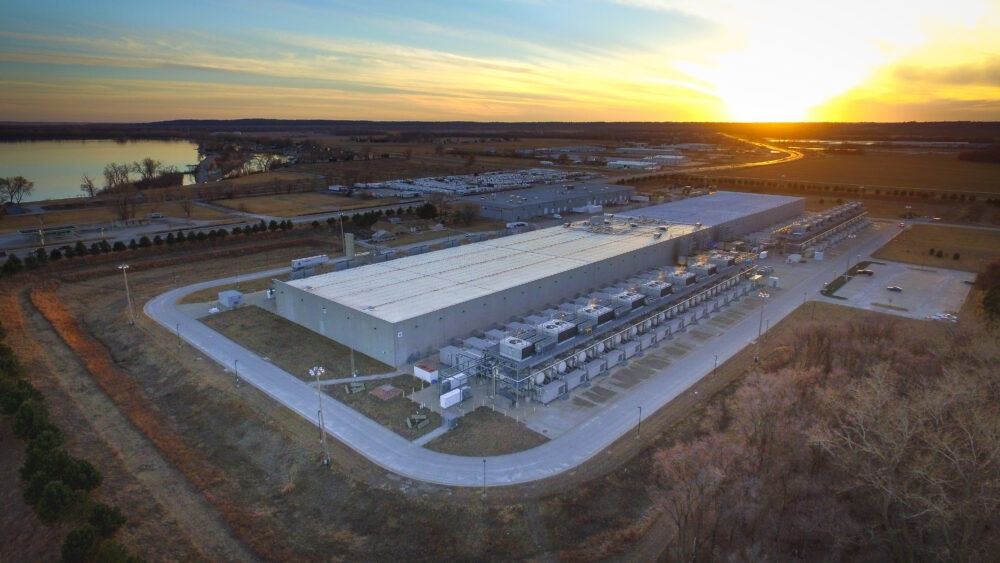
It’s about having a voice and a right to litigate actions that are harmful, by filing a citizen suit instead of having that right taken away, as proposed by the Department of Justice (DOJ) in its Motion to Intervene, where it argued that it should have the right to dismiss a federal Clean Air Act lawsuit brought by the NAACP and others against Elon Musk’s xAI Data Center. The court blocked the attempt to throw out the case, citing (among other things) that the DOJ did not have the right to dismiss citizen suits.

The Clean Economy Coalition of Color (CECC) is an alliance of some of the nation’s most insightful Black, Latinx/e, Indigenous, Asian, and Pacific Islander leaders and advocates that are committed to amplifying ideas, recommendations, and solutions that uplift the priorities and economic interests of historically marginalized communities, to guide, among other issues, clean energy economy policies and implementation.
The goal of this Roundtable was not only to discuss the challenges surrounding voting and civic engagement, but also to explore how voting access and fair representation affect environmental justice and identify ways to ensure that every person and every community has a meaningful voice in shaping their future. As our roundtable moderator, Vernice Miller-Travis, pointed out:
“There is a deep intersection between environment and civil rights, environment and racial justice, and you CANNOT have political participation if you can’t breathe, if you can’t drink the water, if you’re not safe where you live.” That is why this webinar matters.
Our Roundtable panelists included:
- Vernice Miller-Travis, Metropolitan Group – Moderator
- Crystal Bernard, Just Solutions
- Samantha Lockhart, National Wildlife Federation
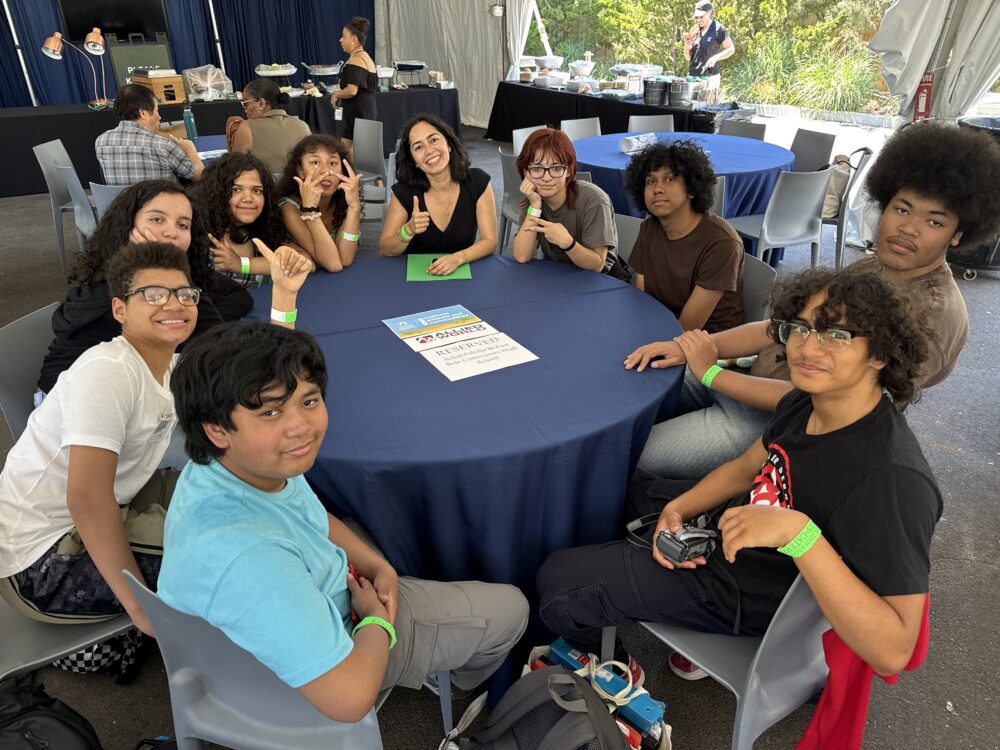
- Marcos Martinez, Youth Advocate with CAUSE
- Dr. Alexa White, Àṣẹ Analytics and Aya Research Institute
Here are 20 Key Takeaways from the Roundtable
Of the many important points raised during this discussion, here are some of my key takeaways:
- Collective action matters. Through collective action, groups of people can demonstrate shared patterns, experiences, and concerns in ways that may be more difficult for individuals acting alone.
- While we can each make an impact individually, we are stronger together.
- Civic engagement works. We have seen successes in changing environmental and climate policies through civic engagement, grassroots organizing, and community participation.
- Environmental justice advocates have been fighting for democracy for a long time. Civic engagement is not new to this work. People doing environmental justice work have been advocating, organizing, and fighting for their communities and their right to be heard for generations.
- Solutions are needed at scale, and civic participation is essential to making that happen.
- Students have tremendous power—perhaps more now than ever before. Their voices, perspectives, and participation matter.
- It is not just about what one person wants, but what we want collectively. We must think about what will truly benefit Mother Nature and each other, both individually and as a whole.
- We must get better at asking the right questions and holding people accountable.
- Get involved at every level of the process. Pay attention to public comment periods, hearings, city council meetings, and other local meetings. Find your people, show up, and make yourself part of the process. Using your voice gives you and your community the power to push back and advocate for change.
- Climate and energy affordability are inextricably connected. We cannot have meaningful climate solutions without considering energy affordability and the impact on households and communities.
- When we think about renters and climate change, there are important questions we need to ask: How do renters access energy efficiency improvements? Who will pay for those improvements? What protections are in place to help households maintain essential electricity service? And how do we ensure that public investments improve housing conditions and support residents so they can stay in and afford their homes?
- When it comes to issues like data centers, change should not necessarily just focus on federal permitting. Decisions are also made through local and state permitting processes, where individuals living in impacted communities have a real voice and can make a significant difference. That is an important opportunity for community engagement and influence!
- Use voter guides and make ballot proposals practical and personal. When a proposal comes up for a vote, ask what it actually means. How will it affect your home, your utility bills, and your neighborhood? Understand the impact and then vote accordingly.
- Stay informed about what Congress is discussing. Pay attention to conversations and decisions related to energy, climate, affordability, and the various issues affecting environmental justice communities. Then find ways to be part of defending, supporting, and advancing our goals in those spaces.
- At the residential and community levels, regardless of what is happening during an election cycle, we still must survive. Our everyday needs and the challenges facing our communities do not stop when election season ends.
- Young people need mentors who have been doing the work. They need people who will help ensure they have a seat at the table—or, better yet, make the table bigger. We must make space for others, particularly young people, to participate and lead.
- Young people should be supported throughout their voting journey. That means helping them understand the process, encouraging their participation, and making sure they know their voices matter.
- Youth advisory groups are important and impactful. They create opportunities for young people to contribute their ideas, perspectives, and solutions to the decisions that affect their futures.
- We must envision a future where access to clean water, energy, housing, healthy homes, and a safe environment is recognized as a human right. Not a privilege. Not a commodity. Not something to be privatized and played with. These are basic necessities that everyone should be entitled to, regardless of income, race, creed, religion, or any other circumstance. They are fundamental to our rights as human beings.
- Between local, state, and federal elections, find out which elections are taking place in your area this year, check your voter registration status, research your candidates, make sure you know when and where to vote, and then VOTE!
Your Voice Matters. Use It!
There were so many powerful messages and such a rich discussion during this Roundtable that it would be impossible to capture everything here. These takeaways only scratch the surface of the conversation.
We invite you to watch and listen to our Roundtable here. It is thought-provoking and offers plenty to consider as we think about the connections between civic engagement, voting, environmental justice, and the power of our collective voices.
In closing, please remember: Your vote definitely will not be counted if you do not vote!
Engagement during voting season is just the beginning of community involvement—not the end of it. It is also important to engage elected officials after they are in office. Make sure that they are actually carrying out the activities they built their platform on. Visit their office, check in regularly to ensure that the voices of the community are heard and that community input is occurring. Make sure they know who you are, volunteer or apply to various committees formed by elected officials. Remember that your voice matters. Your community matters. And your participation matters.
