






We have much more to do and your continued support is needed now more than ever.
How to Recycle Halloween Pumpkins for Wildlife
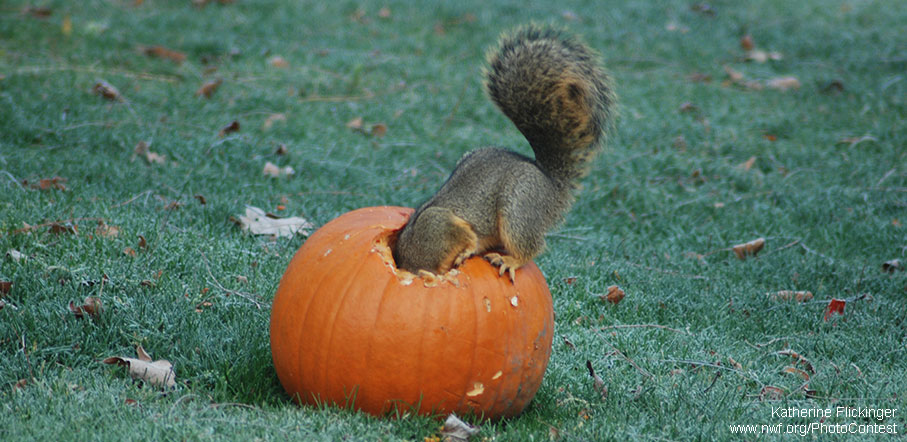
Squirrel in a pumpkin by National Wildlife Photo Contest entrant Katherine Flickinger.
Updated October 2021
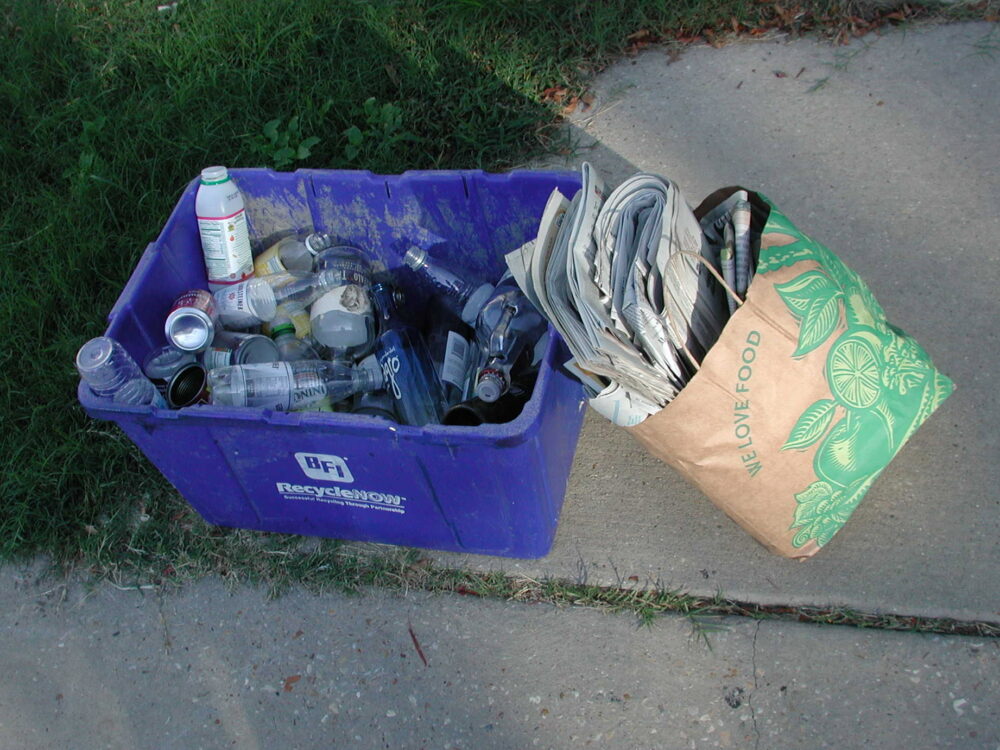
One of the best parts of Halloween is decorating with pumpkins. After the trick-or-treaters clear away and Halloween is officially over, don’t toss your pumpkins in the trash! Here are several all-natural ways to recycle them with local wildlife in mind.
1. Compost Your Pumpkins
If you’ve carved a jack-o-lantern, it may already be decomposing. Pumpkins are 90% water, which means they quickly begin breaking down once you cut into them. This makes them a great addition to your compost pile.
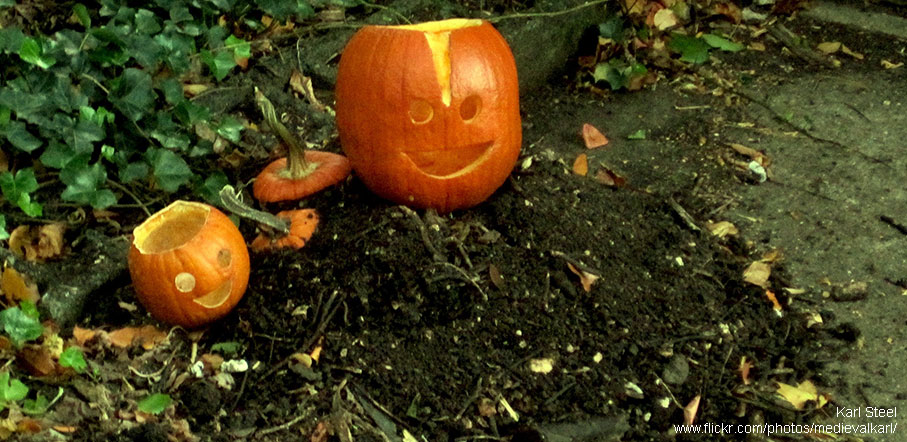
Prevent unwanted pumpkin plants by removing the seeds first (set seeds aside for #3 and #5). If you don’t have a compost bin or pile, check your local recycling center, nearby farms, or community gardens to see if they collect old pumpkins for composting.
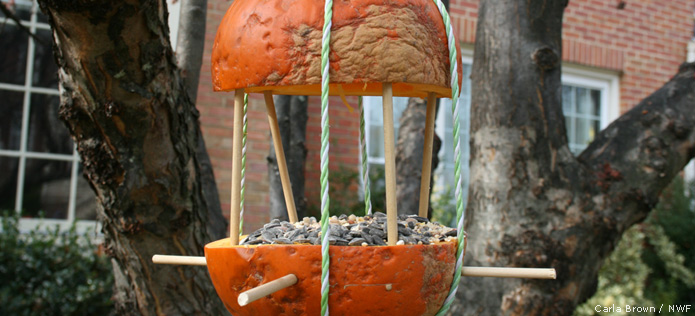
2. Make a Snack-o-Lantern
You can recycle your pumpkin and turn it into a “snack-o-lantern” or a pumpkin feeder! These are easy to make and the squirrels and birds will love them. Just make sure to only use firm, fresh pumpkins. If they are getting soft and squishy or moldy, composting them is a better idea. Be sure to only fill them with enough seed for the wildlife to eat within a few days to prevent the seed from spoiling.
3. Share Pumpkin Seeds With Wildlife
Many birds and small mammals will eat pumpkin seeds if you offer them in your yard. Collect seeds from your pumpkins before composting them, and let the seeds dry. Don’t add salt or seasoning is you’re going to offer them to the wildlife.
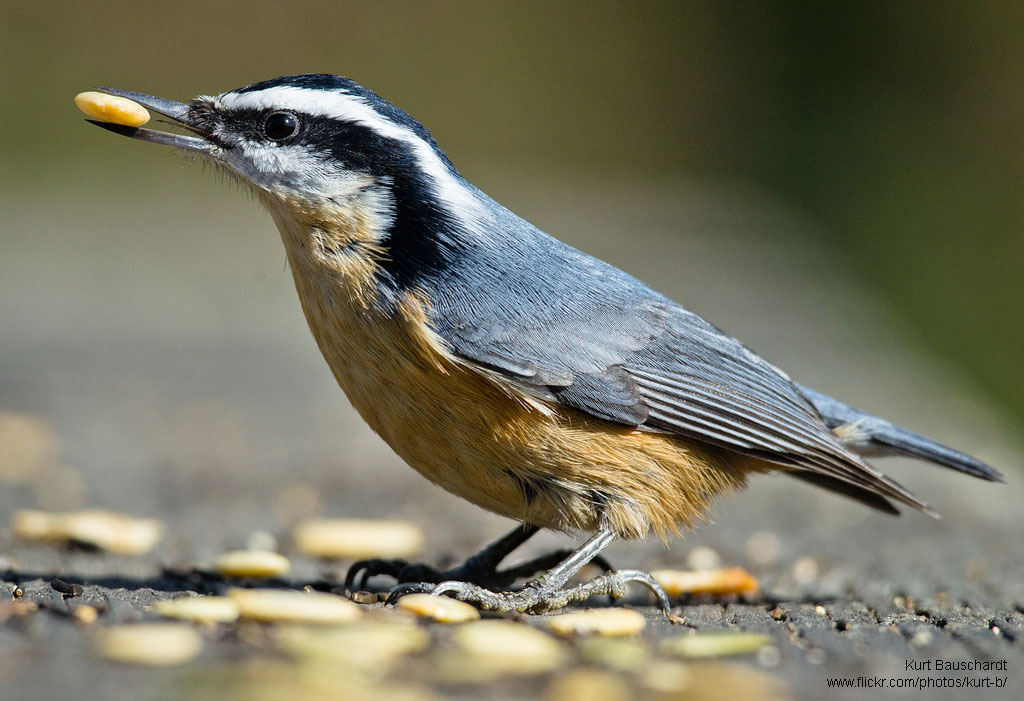
Scatter the seeds outside or put them in a platform feeder as a special treat. You can can also mix them in with birdseed in your feeders–just make sure the ports are big enough for the pumpkin seeds to fit through. You can even add them to your “snack-o-lantern” (see #2)!
4. Cut into Pieces for Animals
Cut your pumpkin into pieces and scatter outside as a treat for local critters. Birds will feed on the flesh pumpkins in addition to the seeds, as will squirrels, foxes, deer and other mammals–the porcupine in the video below doesn’t even need it cut into pieces!
Generally feeding mammals is discouraged but in this case it’s ok to do as a once-a-year treat for wildlife to recycle your pumpkin. Just don’t do this if large animals such as bears might be attracted to your yard (in most places brown and black bears are entering their winter dormancy by the time Halloween passes) or if rats are an issue in your area.
5. Plant Pumpkin Seeds
Pumpkins are part of the squash family, and their flowers are a food source for pollinators. Many bee species and other insects feed on pumpkin flower nectar. Our native squash bees rely on the pollen from squash flowers as a food source for their young. In fact, squash bees are among the 30-60 percent of our “pollen specialist” native bee species that can only feed on the pollen of certain plants.
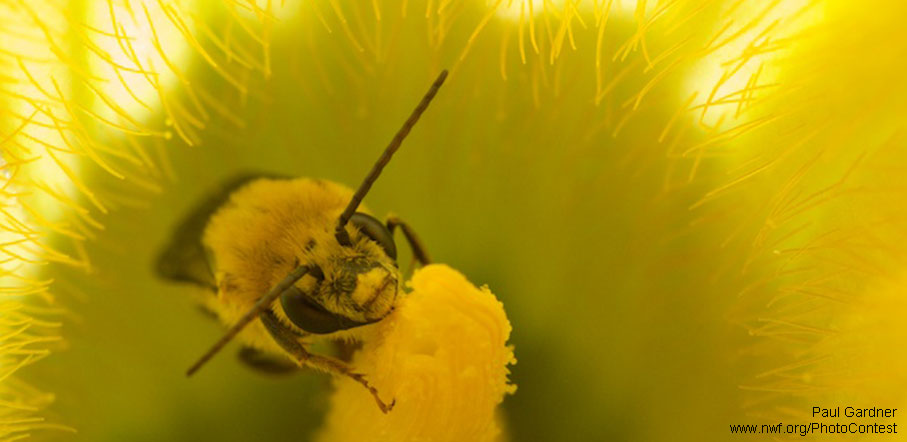
So save some pumpkin seeds now to grow your own of pumpkin plants next year. They’re easy to grow and low maintenance garden plants. Not only will you have your own pumpkins to carve up next Halloween, you’ll “bee” feeding pollinators in the spring and summer too!
Garden for Wildlife with Native Plants
Help out your local birds, butterflies, bees, and other backyard wildlife year-round with the National Wildlife Federation’s Native Plant Collection, our curated line of regional native plants designed to support the most wildlife and be beautiful additions to your yard or garden landscape.
 Written by David Mizejewski
