





We have much more to do and your continued support is needed now more than ever.
Miss Wildlife USA
Who run the world? Girls! And wildlife, definitely.

As Miss USA premieres on this final week of August 2026, we thought we’d throw our own beauty pageant featuring fresh, bold, talented, and diverse contestants. Don’t miss this fierce competition of feathers and scales! Who’s your favorite beauty queen on Miss Wildlife USA?
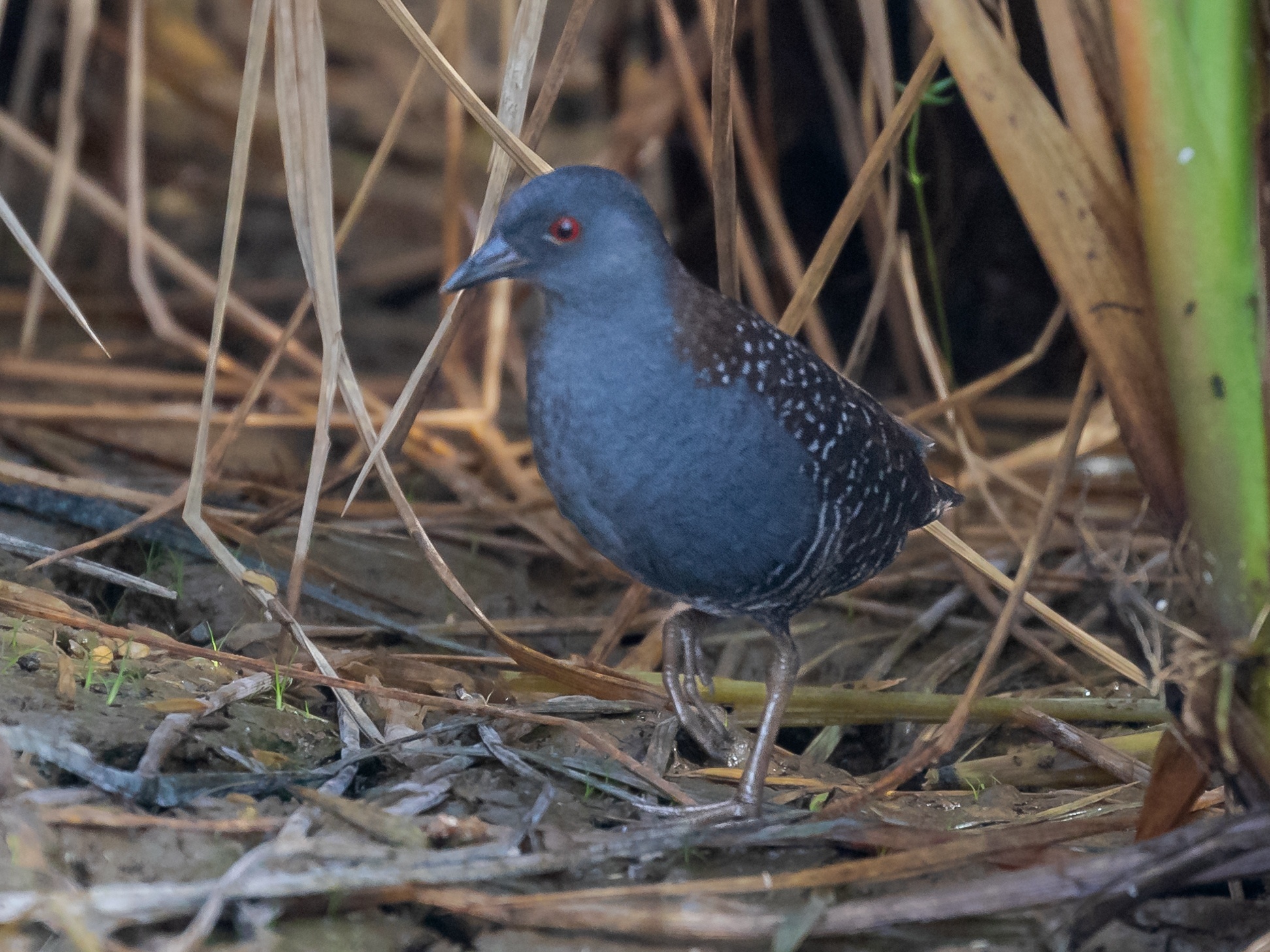
Miss Maryland | The black rail
Talents: Black rails are typically found in wetlands along the east coast and the Gulf. Unlike other rail species, black rails tend to inhabit shallower marshes to decrease competition. As for talents, the elusive black rail is easier to hear than to see.
Platform: As a federally threatened species, the black rail rallies against sea level rise. Preferring shallower marshes and wetlands leaves black rails vulnerable to inundation during violent storms and high tides.
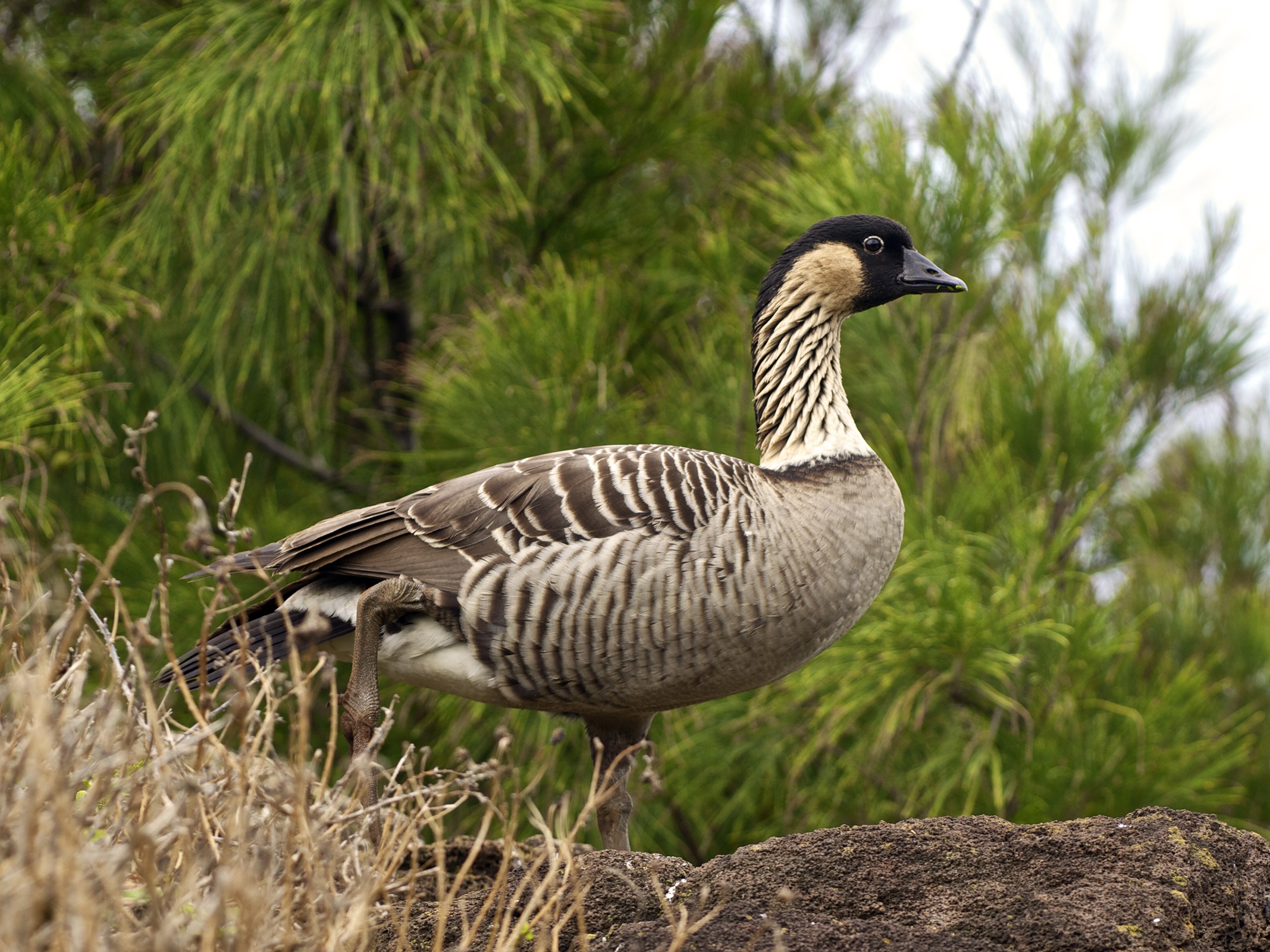
Miss Hawaii | The nēnē (Hawaiian goose)
Talents: Once endemic to all the Hawai’ian Islands, the nēnē is the state bird. Living in a variety of sparsely vegetated habitats, including volcanic deserts, the nēnē has evolved webbed toes designed to walk on lava. Plumage is similar to a Canada goose, differing with a non-solid black neck.
Platform: As a federally endangered species, the nēnē is declining due to habitat loss and the introduction of non-native species such as cats, mongoose, dogs, rats and pigs that prey on nēnē. Feral agricultural stock also adversely affects nēnē habitat.
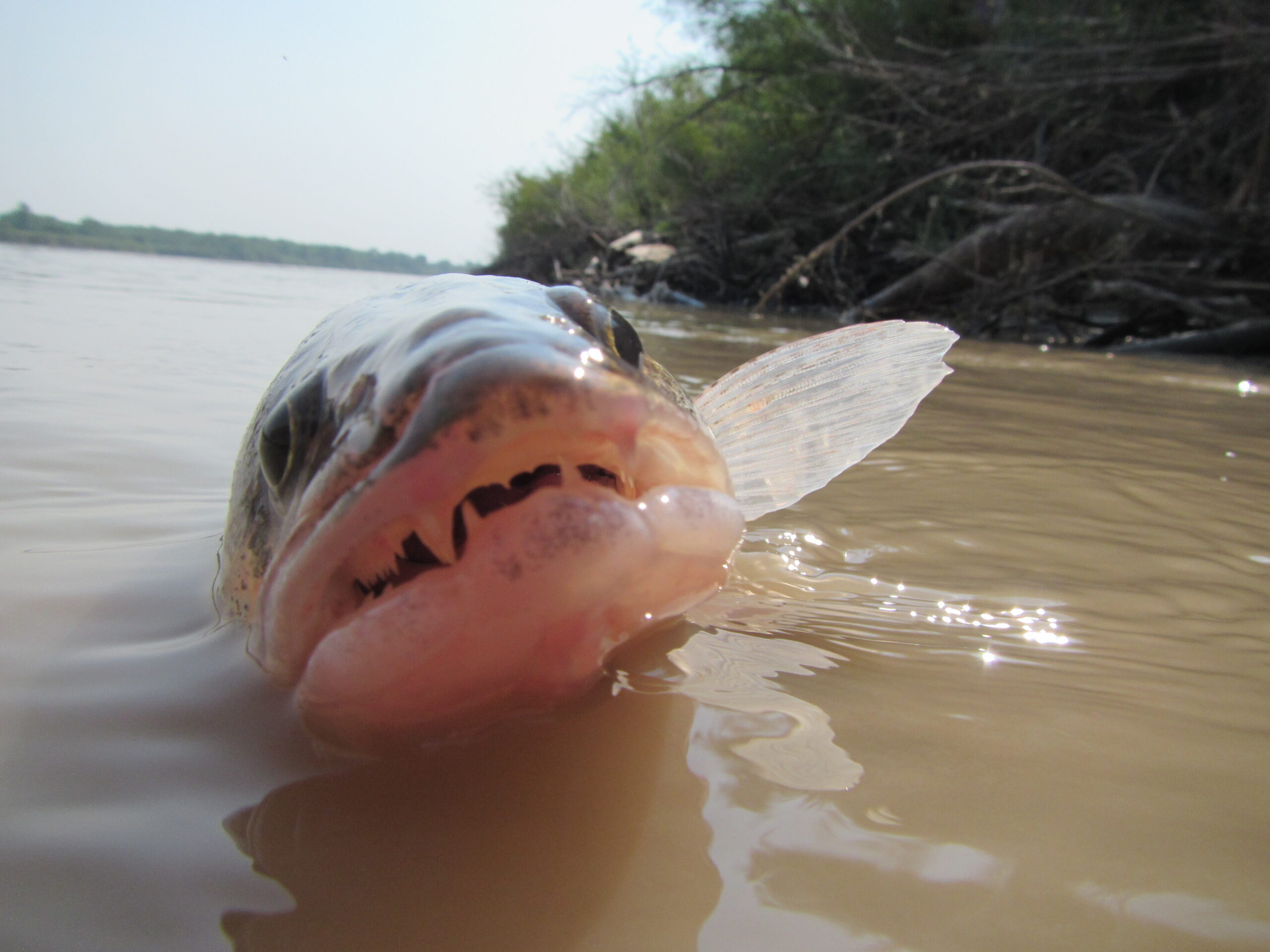
Miss Minnesota | The walleye
Talents: Seeing in the dark, swimming to the bottom of lakes over 40 feet deep, a bright toothy smile.
Platform: Invasive mussels in Minnesota’s lakes are changing ecosystems and may even contribute to high mercury levels in the water. Climate change is also affecting walleye spawning season as “ice-out” on lakes happens earlier in the year.
Miss California | The humpback whale
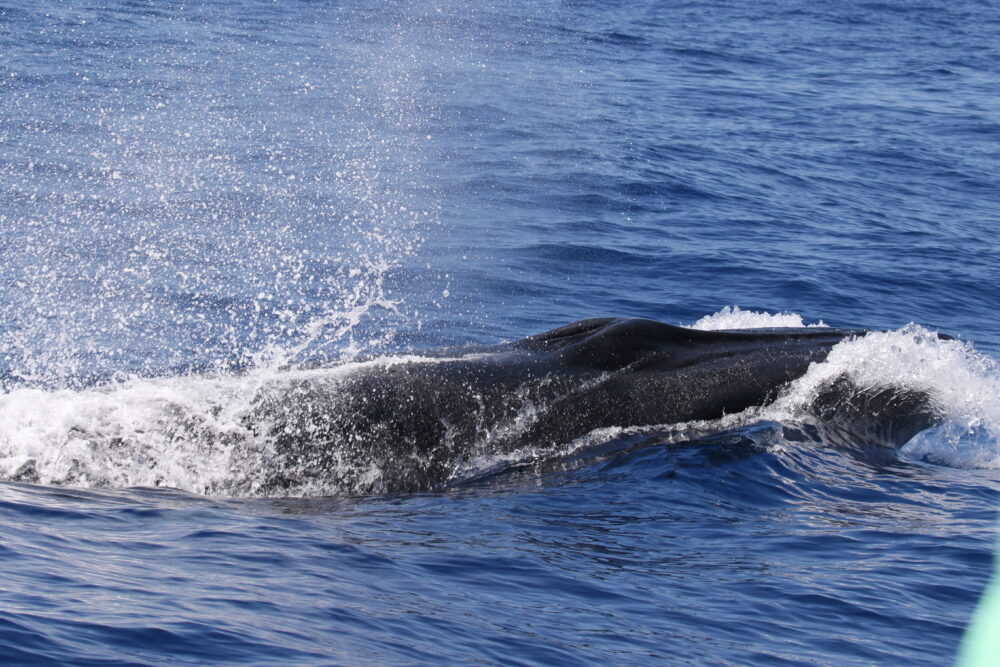
Talents: singing elaborate songs lasting up to 30 minutes, breaching, and long-distance swimming.
Platform: Warming oceans from climate change, vessel strikes, habitat degradation, and entanglements in fishing gear are all threats to humpback whales.

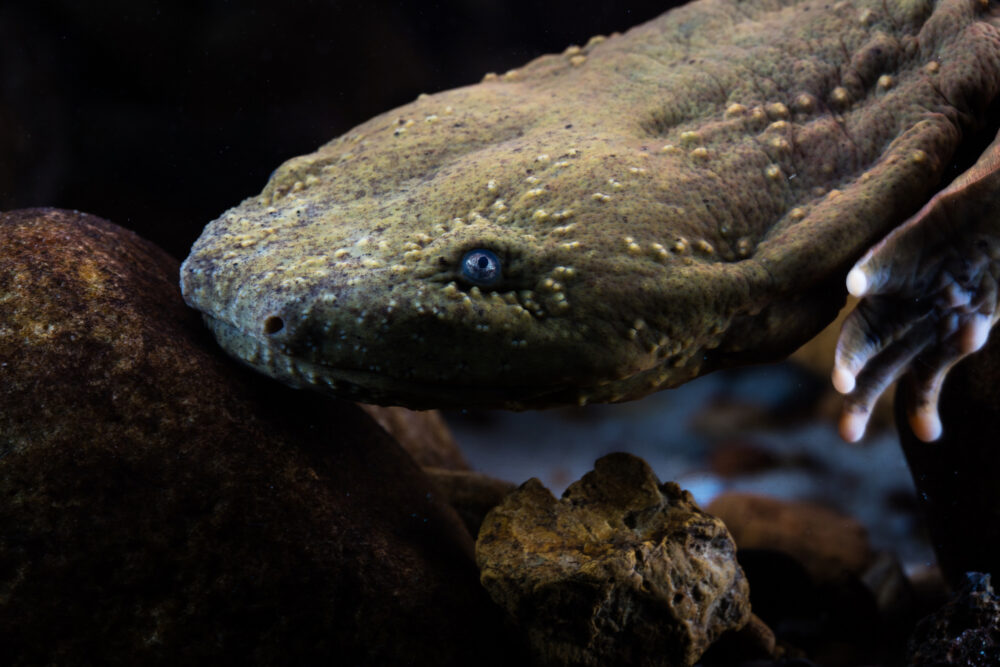
Miss Pennsylvania | The Eastern hellbender
Talents: Snot Otter, Lagasa Lizard, Mud Dog, and Allegheny Alligator are all nicknames of the glorious yet seldom seen hellbender. Although rarely seen, the eastern hellbender is the largest salamander in the United States.
Hellbenders have lungs, but they do not use them for breathing. The large, simple lungs serve mainly as a buoyancy aid, and adult hellbenders breathe almost entirely through their skin. Can you imagine a hellbender’s skincare routine?
Platform: The Eastern hellbender needs strong wetlands protections because they provide essential natural defenses: flood control, water filtration, and wildlife habitats.

Miss South Carolina | The loggerhead sea turtle
Talents: In their free time, loggerhead sea turtles love to marathon swim.
Platform: The biggest threats to loggerhead sea turtles are climate change and ocean acidification, ocean pollution, bottom trawling, and habitat loss.

 Written by Robert Watkins
 Written by Samantha Hurst
