





We have much more to do and your continued support is needed now more than ever.
Marine Animal Quiz: It’s Plastic Free July!
Test your knowledge about the impact of plastic pollution on marine animals.
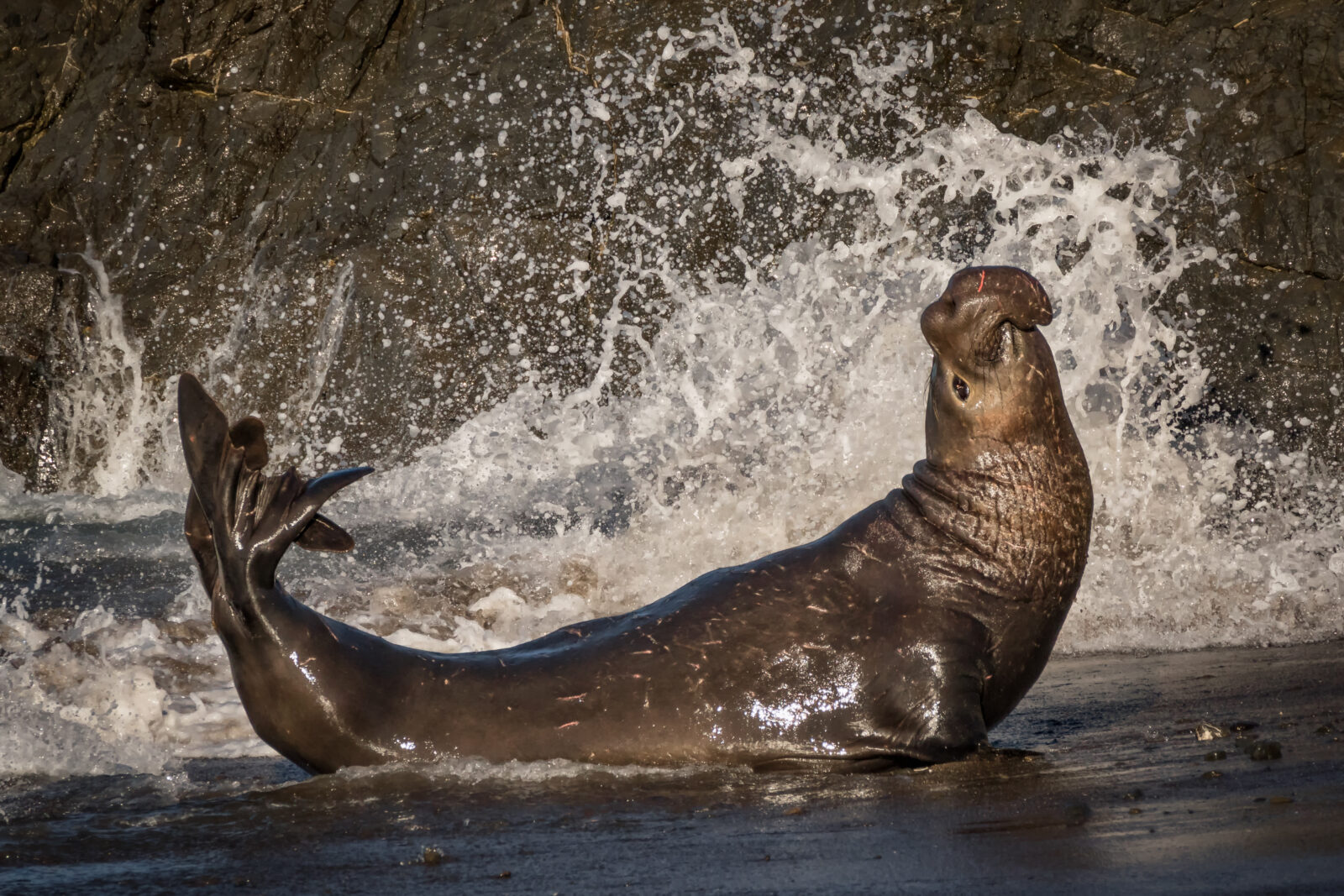
Elephant seal. Credit: Alice Cahill
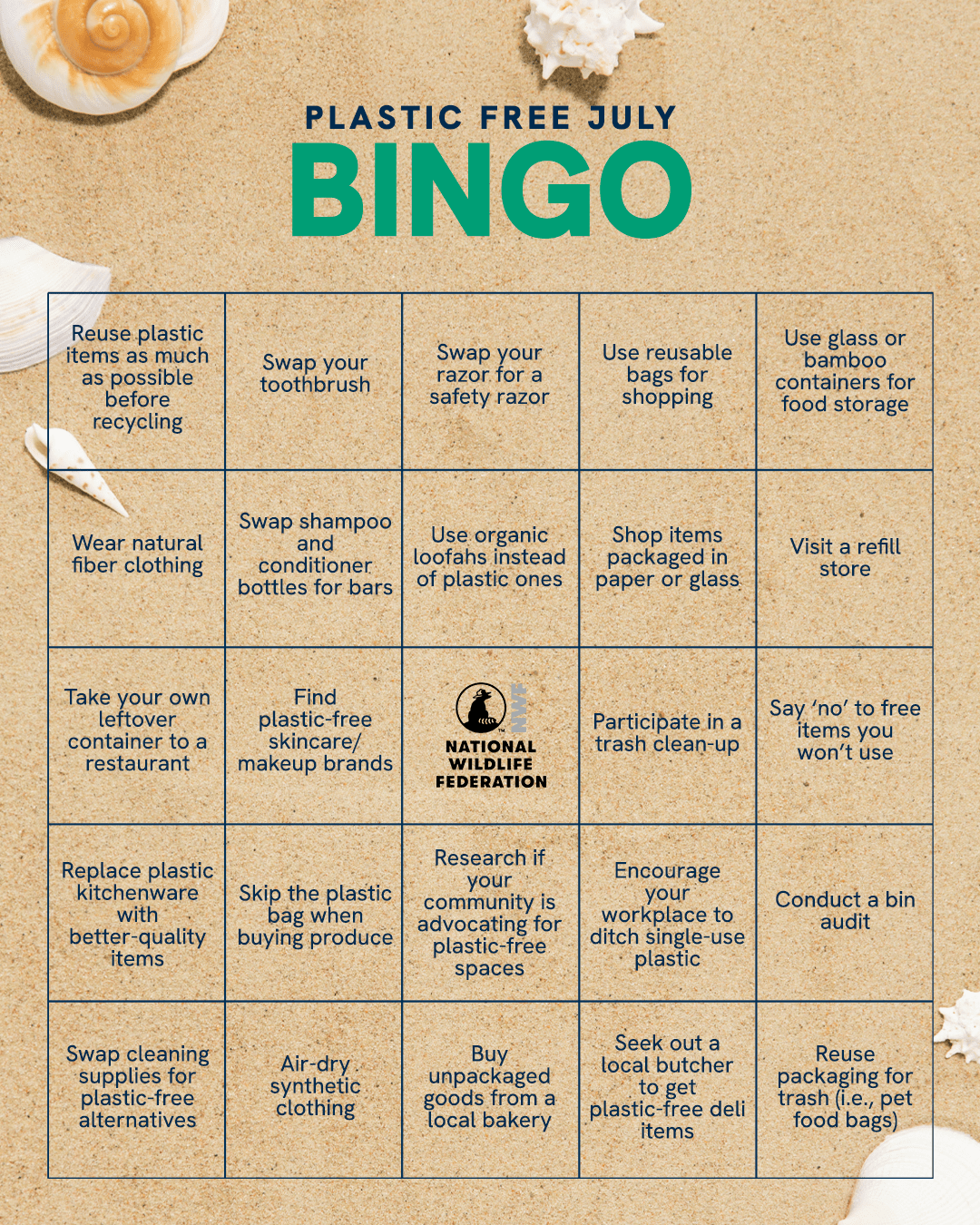
This Plastic Free July, take the time to learn more about how plastic pollution in the oceans of the world harms marine life and consider action steps you can take to reduce your plastic waste footprint.
The first-ever global analysis of plastic production found that “between 2002 and 2015 we made the exact same amount of plastic that we (humans) made between 1950 and 2002.” And much of this plastic ends up in the environment, including our rivers and oceans, by people littering, illegal dumping, and accidental loss of trash during strong winds or during transport.
Additionally, marine activities are a critical source of plastic waste in the ocean; ghost gear (lost or abandoned fishing nets, ropes, and other gear) is a growing problem. It should also be noted that all the rivers of the world are contributors to plastic pollution as they drain their respective populated land masses.
Plastics in the ocean absorb and release toxic pollutants, and these toxins enter marine food webs when animals accidentally consume plastics. Because plastic lingers in the oceans and waterways for extended periods of time, the threat is not only a continuing toxin threat, but the physical plastic item itself presents a bodily threat to marine life.
Plastic pollution is a critical threat to the world’s wildlife, particularly marine life. Scientists believe about 8 million metric tons of plastic entered the ocean in 2010, and that number has probably increased since then.
Plastic is everywhere and unfortunately will be with us beyond its intended use unless we get serious about waste management strategies which necessarily begin with individuals.
 Written by Kristy Jones