








We have much more to do and your continued support is needed now more than ever.
Equal Voting Rights are Necessary for Environmental Justice

People check in at a voting center. Credit: Flickr
Dr. Robert Bullard, considered to be the Father of Environmental Justice, states that environmental justice should “embrace the principle that all people and communities have a right to equal protection and equal enforcement of environmental laws and regulations.” Equal access and participation in voting is a key pillar of this notion, as elected officials are tasked with representing the interests of their constituents. Given that elected officials help shape public policy broadly, it is critical to a healthy, sustainable future that all eligible voters are able to participate fully in choosing their representatives and voting on local legislation.
However, across the country, many eligible voters still face voting barriers that impede their ability to share their voice in elections. These barriers have evidenced to disproportionately impact low-income residents, Black communities and other communities of color, voters with disabilities, and rural households, and limits their full participation in our country’s civic processes.
These are also the same communities who are most likely to disproportionately carry pollution burdens and other forms of environmental harm. When voting barriers affect communities, they are hindered from addressing the environmental and climate inequalities they face through elections.
Voting barriers
This is particularly important in the U.S. “Deep” South, where some of the most persistent voting barriers exist and key environmental and public health protections are being dismantled, an action deeply felt by many. As a result, there is a long history of Southerners advocating for just environmental activities and regulations.
The South is home to major milestone struggles in the environmental justice movement, both past and present. In the 1980s, the Warren County PCB protests in North Carolina drew national attention to the ways in which chemical companies and local governments attempted to enact policies that would contaminate the rural, majority Black county with the irresponsible placement of a toxic landfill.
In more recent years, locals in Lowndes County, Alabama have been pushing for the state to implement a functioning sanitation system in their county, including recent efforts to urge the federal administration to restore essential funding to fix the sewage crisis.
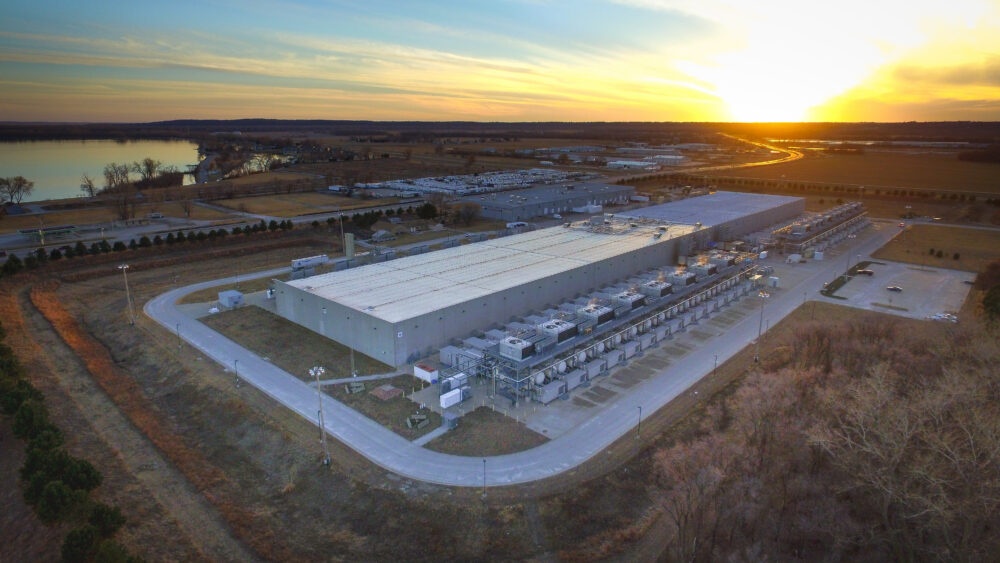
Hundreds of miles away in Virginia, quickly becoming known as the “data center capital of the world,” communities are working together to ensure that the increase in data centers does not worsen existing economic and health disparities. Across the South, voters are working to protect their health and welfare by engaging local elected officials to address the issues they are facing.
However, getting to the polls and voting for elected officials is not as accessible as it should be in many places across the nation. Some of the most common barriers include work conflicts, lack of childcare, inaccessible polling locations, and strict voter ID laws. This largely impacts citizens who live in places with minimal public infrastructure, who can’t afford to take time off work, caretakers, and others who have limited time and finances.

While the Voting Rights Act of 1965 asserts that all citizens have the equal right to vote, we still see actions that limit voting protections and implement additional voting requirements, deliberately creating obstacles for voters to reach the polls.
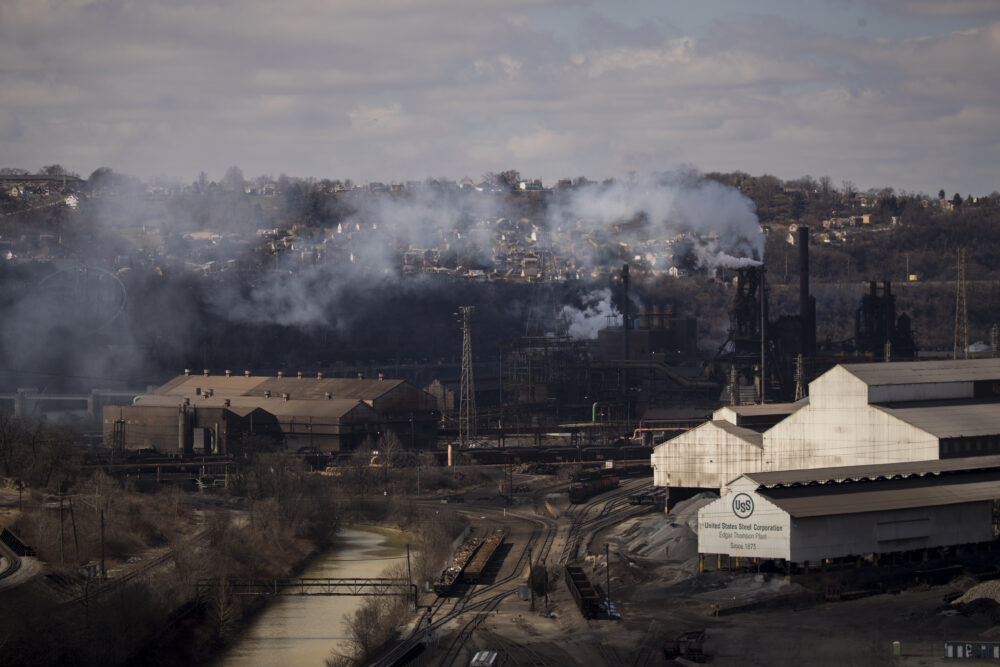
For example, the Shelby v. Holder (2013) and the Brnovich v. Democratic National Committee (2021) Supreme Court rulings interpreted the Voting Rights Act in a way that some legal and human rights scholars and voting rights advocates cite as detrimental for equal voting protections, making it easier for states to pass discriminatory voting laws. For voters living in areas deemed as sacrifice zones, a limited Voting Rights Act could have serious implications for their ability to choose their representatives and participate in political processes.
Voters’ rights
A strong democracy that protects the right to vote is necessary to ensure that voters who are breathing toxic air and living near contaminated water are not left behind and are represented by their elected officials. Environmental justice is driven by the first-hand experiences and solutions of everyday people, where historically their insights and welfare may have been ignored. It has become even more urgent that all voters are meaningfully involved in decisions concerning their health and community.
If you’re a registered voter or an eligible potential voter, don’t forget to:
● Check your voter registration status or register to vote
● Learn about upcoming elections in your area and early voting opportunities, including mail-in voting
● Research election candidates and any ballot initiatives to make an informed decision
● If possible, offer a ride or childcare to a friend or family member so they can head to the polls
