








We have much more to do and your continued support is needed now more than ever.
Five Ways Public Conservation Science Serves Americans
From preventing wildfires to saving seabirds, federally supported science keeps us safe and healthy.

Scientists are in the business of answering questions about the world around us. For researchers supported by the federal government, this includes questions like: Where is a wildfire likely to spread? Why is this species declining? How much of this chemical will harm our crops?
The answers to these questions help protect American people, wildlife, lands, and communities. But we don’t always see all the scientific work that goes on behind the scenes, and it’s easy to take things like weather forecasts or air pollution protections for granted. That’s why NWF’s Conservation in Crisis campaign launched Science that Serves, a storytelling project that pulls back the curtain on federal conservation research.
In these videos, scientists share in their own words what their research has helped uncover and the ways that information keeps us all healthier and safer.
1. Predicting and preventing megafires
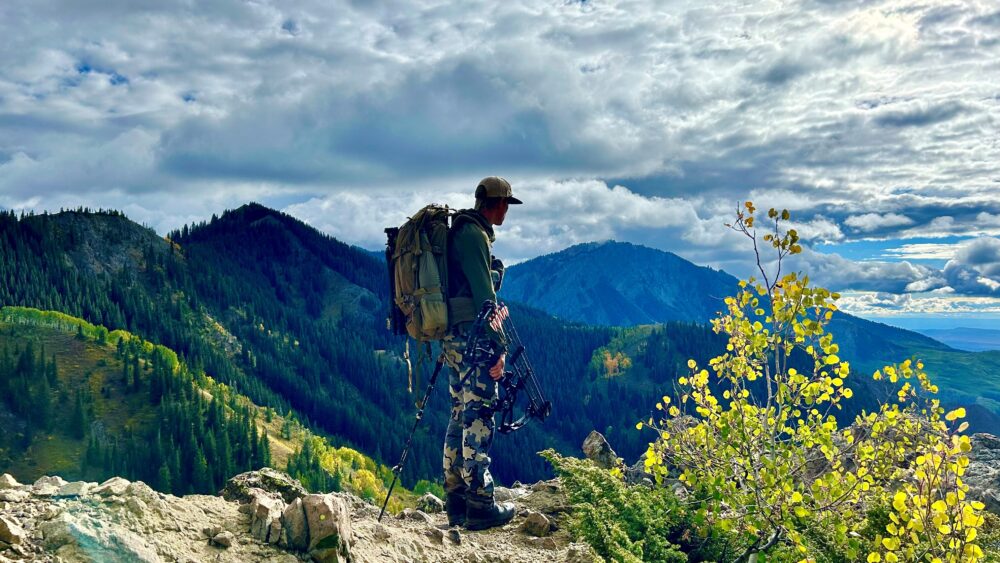
Wildfires are getting worse, fueled by a changing climate. Dr. Paul Hessburg and other Forest Service scientists are studying why, to find out how we can keep our landscapes, wildlife, and communities safer.
2. Limiting pollution in our air and soil
Dr. Richard Pouyat’s decades-long study of soil pollution in and around Baltimore suggested that clean air regulations passed in the ‘90s were actually working—leading to healthier soil in a relatively short timeframe. Now, the Forest Service lab where he and other researchers gathered critical information about the pollution in the air we breathe and the ground under our feet is slated for closure.
3. Keeping ecosystems balanced for wildlife and people
The Sacramento Mountains checkerspot butterfly hasn’t been seen in the wild in 4 years. Dr. Tolani Francisco and other Forest Service scientists have worked to protect its dwindling habitat—aiming to give the little butterfly a fighting chance. Dr. Francisco’s work as a veterinarian managing wild horses and burros in the southwest also had far-reaching impacts for keeping communities’ drinking water clean and managing local timber resources.
4. Bringing back seabird species
One of New England’s most beautiful seabirds, the roseate tern, has lost most of its nesting sites along the Northeast coast. Federal & state funds enabled Dr. John Kanter and other New Hampshire scientists to bring a colony back. The project also helped spark more research on local fisheries, supporting coastal communities whose economies rely on fish and lobster.
5. Supporting nature in cities
Urban ecology research funded by the National Science Foundation supports the birds, butterflies, and green spaces that make our cities beautiful. Dr. Diane Pataki worked with a team of scientists from many different disciplines to study the benefits of planting native plants in urban yards on public health, water quality, air temperature and biodiversity. But federal funding cuts have disrupted this key interdisciplinary work.
Join the National Wildlife Federation in speaking out to protect federally funded conservation science at the US Forest Service, or share your story of how federal conservation science helped protect wildlife, lands, or people in your community.
