






We have much more to do and your continued support is needed now more than ever.
Bringing Back the Boreal Toad to Utah’s Backcountry
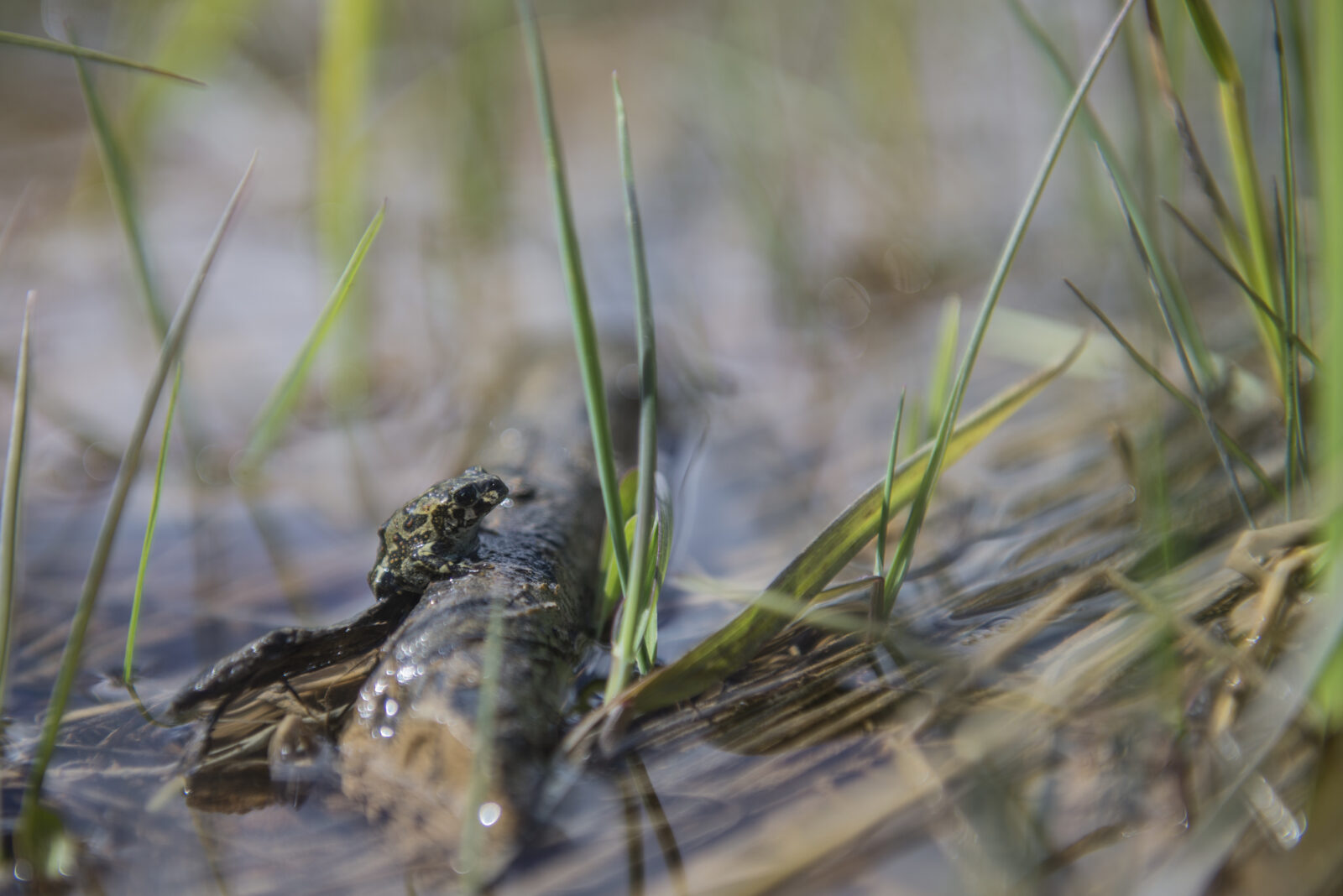
Boreal toad. Credit: USDA Forest Service
Putting Utah’s state wildlife action plan in motion to keep at-risk species off the Endangered Species List
A subspecies of the western toad, known as the boreal toad, is in rapid decline due to climate change, poorly managed grazing that tramples their breeding grounds and the rapid population growth and development in the Western United States that has damaged their wetlands habitat.
In addition to the stocked trout that prey on eggs and tadpoles and the non-native toads that eat young boreal toads, another threat emerged: a skin fungus, which is considered the greatest driver of population collapse.
But despite the very real reasons for concern, the boreal toads are a conservation success story, thanks to a timely intervention led by Utah Division of Wildlife Resources and Utah’s Hogle Zoo.
Between 2003 and 2015, monitors on the Paunsaugunt Plateau in southwest Utah noted that breeding was confirmed at only three sites, and fewer than five adult toads were observed annually. Small, isolated populations are at particular risk and can be lost quickly, with remaining populations becoming isolated into small patches or “islands” of toads.
In the high elevation wetlands where they live, the boreal toads have an outsized role. They are good for pest control, consuming all kinds of insects, from flies, mosquitoes and crickets to snails, slugs and worms. In turn, the toads are a food source for other species such as herons, foxes, and trout. Disruptions in the ecosystem have a broad ripple effect, and once a population drops, it may not readily recover without intervention.
Starting with a small captive population in 2008, the effort to create backup boreal toad populations gained momentum. Utah’s Hogle Zoo, along with other zoos in Colorado and Nebraska, stepped in to breed boreal toads as a hedge against extinction—and with an eye toward reintroducing the toads to habitats where they once were found.
The breeding program is known as an assurance colony. It began with the collection of egg strands from a genetically distinct and highly threatened population from the Paunsaugunt Plateau. More than a decade later in 2019, the Denver Zoo announced it had successfully bred the boreal toads in captivity. The recovery effort quickly gained momentum. Fast forward to 2022: 1,900 boreal toadlets were released to their native Paunsaugunt Plateau, heralding an assurance colony success story.

Complementary tools in the conservation toolbox
The use of an assurance colony, which offered a lifeline to the boreal toad, has brought other species back from the brink of extinction, such as the American red wolf, the Louisiana pine snake and the Oregon spotted frog. Assurance colonies can be housed in zoos, aquariums and botanical gardens.
In Utah, the boreal toad assurance colony is intertwined with another critical conservation tool: the State Wildlife Action Plan. The newly-updated Utah Wildlife Action Plan lays out conservation priorities, outlines strategies to recover species and facilitates crucial partnerships between state government, private actors and other stakeholders. The plan outlines Species of Greatest Conservation Need (SGCN), including the western toad. The key to recovery for these toad populations lies in assuring water quality and quantity during breeding season and making sure that aquatic environments remain connected.
This October ushered in the updated plan that outlines ways to help over 256 native Utah SGCN and establishes state conservation priorities for the next decade. With steadfast conservation efforts, we are working toward ensuring that list keeps getting shorter.
