







We have much more to do and your continued support is needed now more than ever.
Three Unexpected Places to Find Refuge in Nature Near Denver, Colorado

The perfect view at the Rocky Mountain Arsenal National Wildlife Refuge: Bison, the Denver skyline, and the Rocky Mountain Front Range. Credit: Elisa Dahlberg/USFWS
Colorado is known for its sweeping landscapes, recreational opportunities, and iconic wildlife. Any visitor or resident who is online searching for, “Things to do in Colorado,” is soon inundated with a never-ending list of options for nature-lovers and recreationists alike.
With world-class nature destinations dotting the I-70 corridor and beyond, it’s easy to be overwhelmed. From the famed Rocky Mountain National Park, to the vibrant mountain towns of Aspen, Steamboat Springs, and Breckenridge, there are infinite possibilities to get out to Colorado’s most popular nature attractions. If you are looking for free alternatives to beat the crowds, skip timed entry, and stay close to Denver while still getting your nature fix, National Wildlife Refuges may be the answer.
Managed by the U.S. Fish and Wildlife Service, the National Wildlife Refuge System is a diverse network of public lands and waters created to protect America’s rich fish and wildlife heritage. The system is made up of over 570 national wildlife refuges across all 50 states and 5 U.S. territories, and consists of 96 million land acres and 760 million marine acres of protected area.
There are three national wildlife refuges within 30 minutes of the Denver metro area: Rocky Mountain Arsenal National Wildlife Refuge, Rocky Flats National Wildlife Refuge, and Two Ponds National Wildlife Refuge.
These nearby nature havens are a place where people and wildlife can thrive, and represent a wider commitment to restore and preserve land for the sake of our shared future. Once designated as sites to manufacture weapons, agricultural chemicals, and beyond—Rocky Flats and Rocky Mountain Arsenal National Wildlife Refuges’ transitions from Superfund sites to wildlife refuges are two success stories whose impacts ripple through the Front Range today.
Rocky Mountain Arsenal National Wildlife Refuge
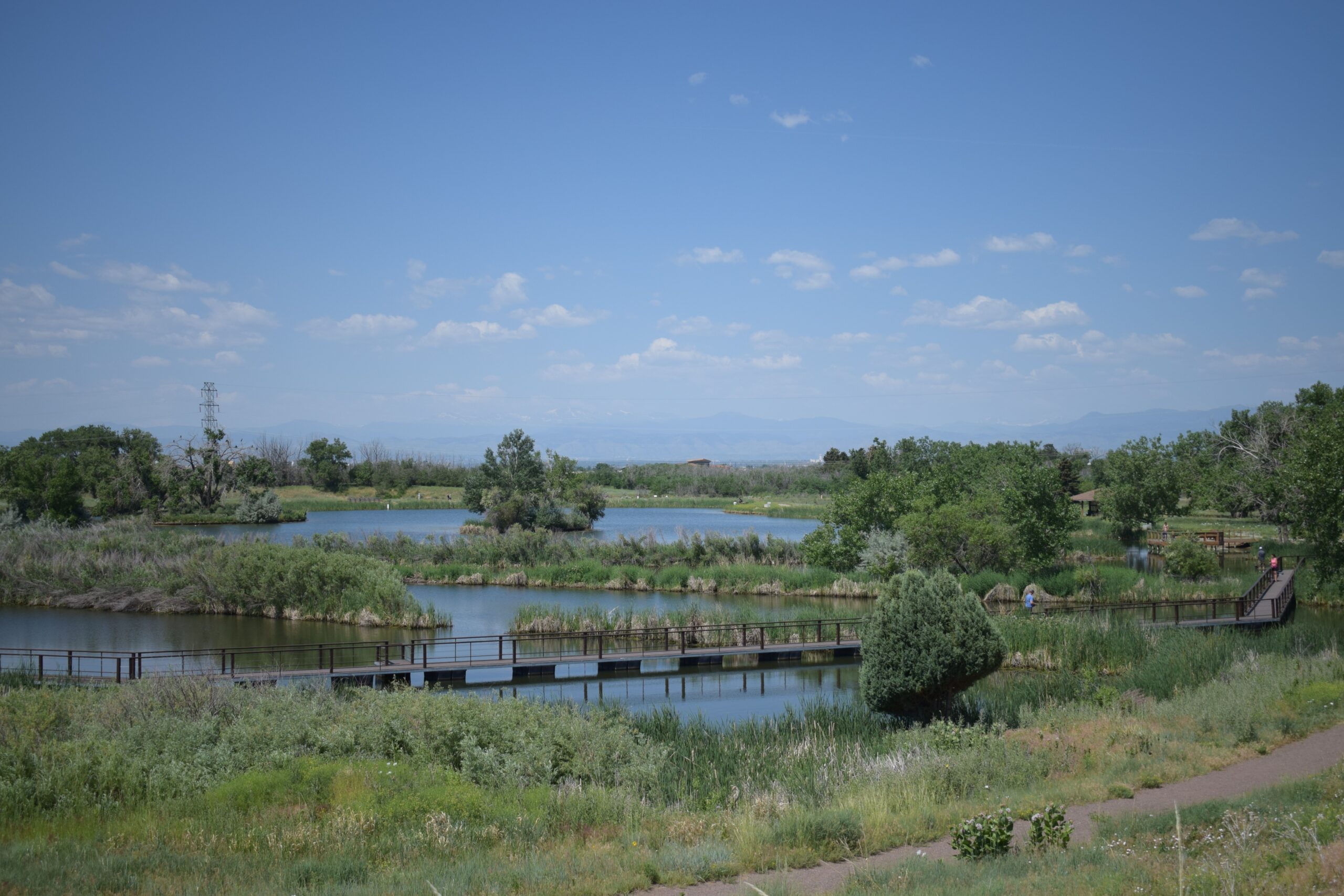
Directly west of Denver International Airport, in the world’s list of top ten busiest international airports, and northeast of downtown Denver lies one of the largest urban refuges in the country—Rocky Mountain Arsenal National Wildlife Refuge.
With expansive views of the Denver skyline and Rocky Mountain Front Range, the Rocky Mountain Arsenal is a unique nature oasis chock full of opportunities to see wildlife including a growing bison herd and the endangered black-footed ferret.
The Refuge also offers free and low-cost recreational opportunities (see below) for any recreationist looking for an easy to access, affordable option to get out in nature. You can even enjoy the views from the comfort of your vehicle thanks to their 11-mile scenic wildlife drive—a Front Range safari!

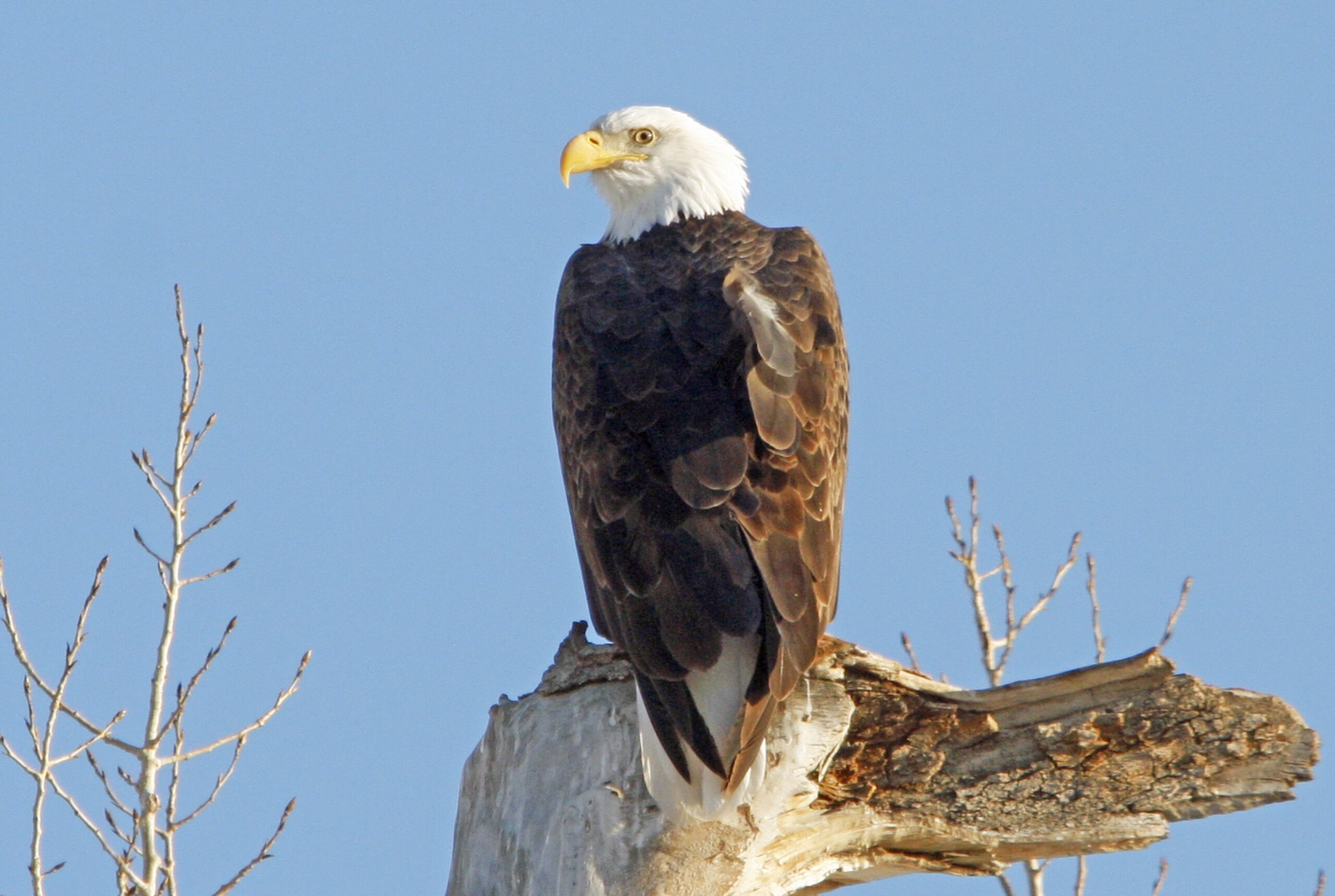
Recreational Opportunities: 11-mile wildlife drive, fishing, hiking, biking, birding, archery, snowshoeing, cross-country skiing, photography, and education and ranger-led programs.
Wildlife: Bison, black-footed ferrets, bald eagles, deer, coyotes, and prairie dogs.
Rocky Flats National Wildlife Refuge
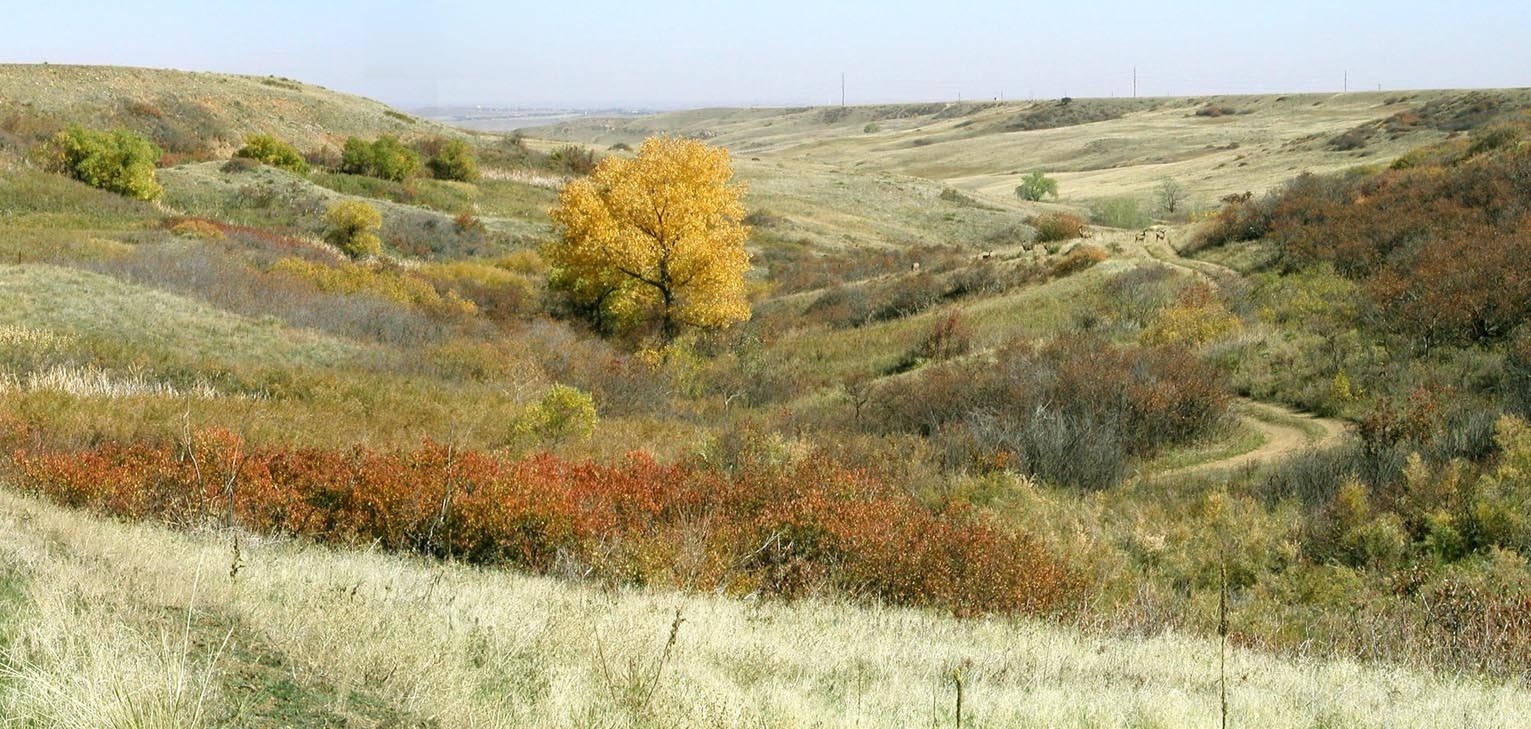
The next time you’re passing through Boulder, take a break from Pearl Street Mall and get a new view of the quintessential Flatirons (minus the crowds), and choose Rocky Flats National Wildlife Refuge as your easy-to-access nature getaway.
Established in 2007, the Refuge was created to preserve and protect more than 630 species of plants, as well as one of the most imperiled ecosystems on the planet, the xeric tallgrass prairie. It is home to 239 migratory and resident wildlife species, and provides an important protected corridor for migrating wildlife.
You can explore Rocky Flat’s 15 miles of trails through rolling hills of mixed and tallgrass prairie year-round by foot, bicycle, e-bike, horse, or even snowshoe and cross-country ski when weather allows.


Recreational Opportunities: Wildlife viewing, hiking, biking, birding, horseback riding, archery, snowshoeing, cross-country skiing, and photography.
Wildlife: Prairie falcons, deer, elk, coyotes, songbirds, and the federally threatened Preble’s meadow jumping mouse.
Two Ponds National Wildlife Refuge
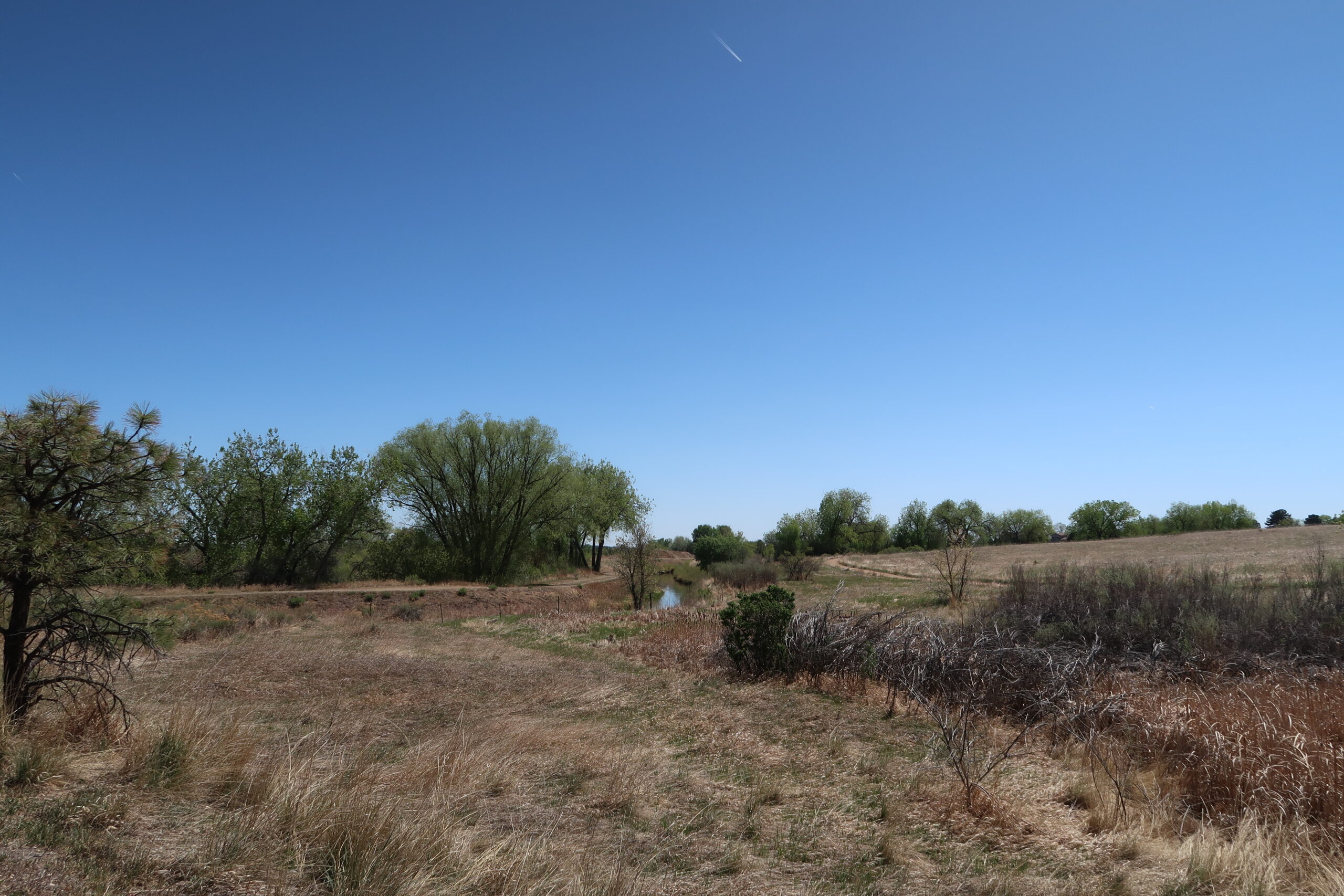
Located just 12 miles northwest of downtown Denver in the heart of Arvada, Two Ponds National Wildlife Refuge is perfect for a quick escape from the daily hustle of city life.
Standing at 72-acres, the Refuge is home to more than 250 species of wildlife, and boasts a small but mighty network of walking trails and other recreational opportunities. Here, you can enjoy views of the Rocky Mountain Front Range while meandering through prairie grasslands, woodlands, and wetlands.
Two Ponds is a great example of how nature’s benefits aren’t solely linked to the ‘wildest’ of places. Instead, sometimes the most impactful moments in nature come from the green spaces that are closest to home (or hotel), for both our neighbors and local wildlife.
The Refuge provides important habitat for migratory and resident wildlife, and is managed to protect and restore native prairie ecosystems while providing wildlife-centered recreational opportunities for all ages.

Recreational Opportunities: Wildlife viewing, hiking, birding, photography, and education and ranger-led programs.
Wildlife: Coyotes, red fox, beaver, turtles, deer, and over 120 species of birds.
Whether you’re just passing through to soak up the majesty of the outdoor legacy in Colorado, or you call the state and all its natural wonders home, make sure to check out these go-to nature destinations the next time you’re in Denver.
Looking for a place to find refuge in nature near you? Find a National Wildlife Refuge in your state.
